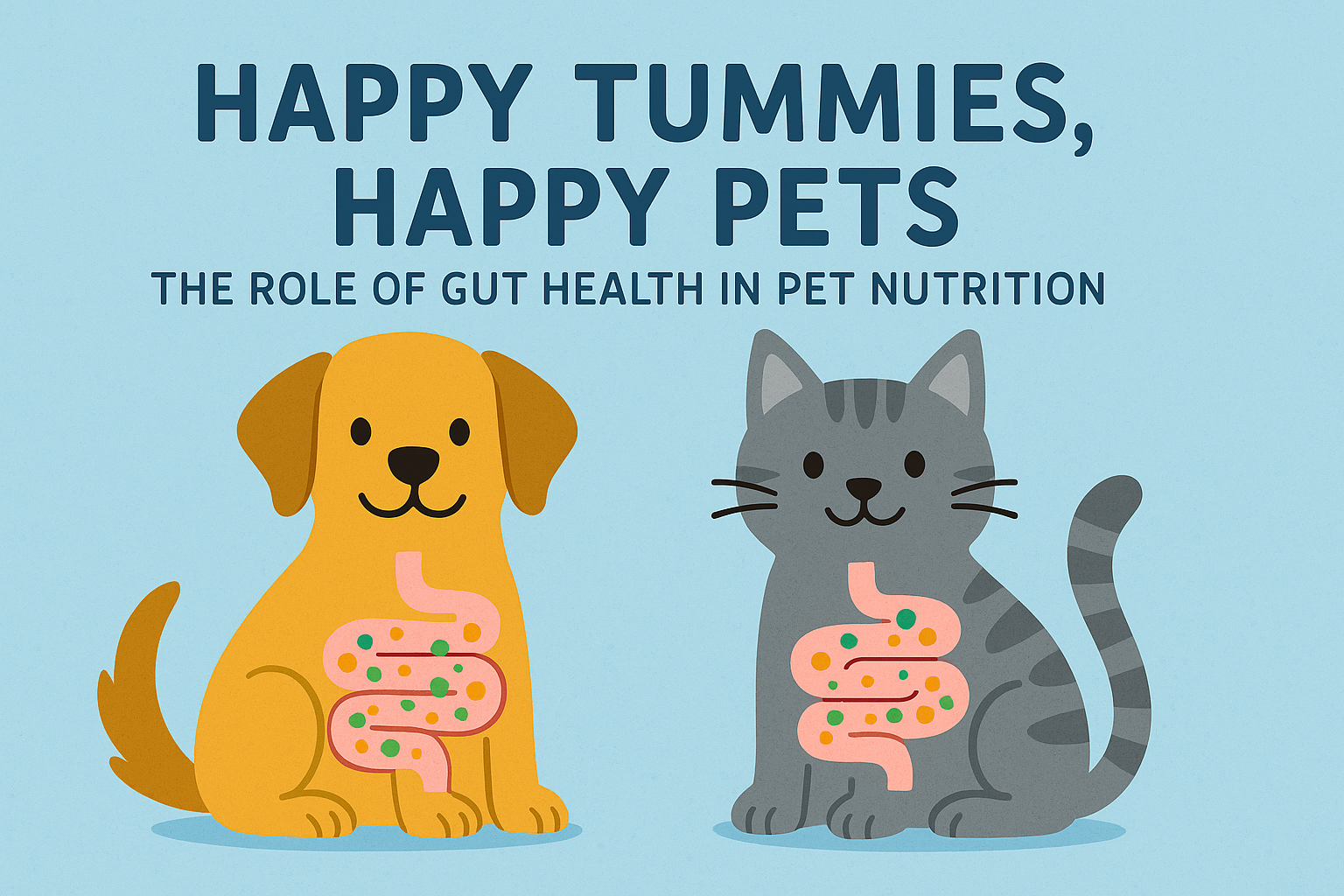
Happy Tummies, Happy Pets: The Role of Gut Health in Pet Nutrition
Our beloved pets are more than just companions; they are family members. Just like us, they require a balanced diet for optimal health and well-being. One crucial aspect of their nutrition that often goes unnoticed is gut health. In recent years, research has highlighted the strong connection between gut health and overall health in pets. In this comprehensive article, we will delve into the importance of gut health in pet nutrition, the role of probiotics, prebiotics, and a balanced diet, and how you can ensure your furry friends are on their way to a happier and healthier life.
Understanding Gut Health
The gut, or digestive system, plays a vital role in the overall health of pets. It is responsible for digesting food, absorbing nutrients, and eliminating waste. However, the gut is also home to trillions of microorganisms, collectively known as the gut microbiome. These microorganisms include bacteria, viruses, fungi, and other microbes that can greatly influence various bodily functions.
Gut health is determined by the balance of these microorganisms. A healthy gut microbiome supports digestion, enhances nutrient absorption, supports the immune system, and protects against harmful pathogens. An imbalance in the gut microbiome, however, can lead to various health issues such as gastrointestinal disturbances, allergies, obesity, and metabolic diseases.
The Importance of Nutrition for Gut Health
The saying “you are what you eat” applies not only to humans but also to pets. The food consumed by pets plays a critical role in shaping their gut health. A nutritious, well-balanced diet acts as fuel for a healthy gut microbiome.
Key Nutrients for Gut Health
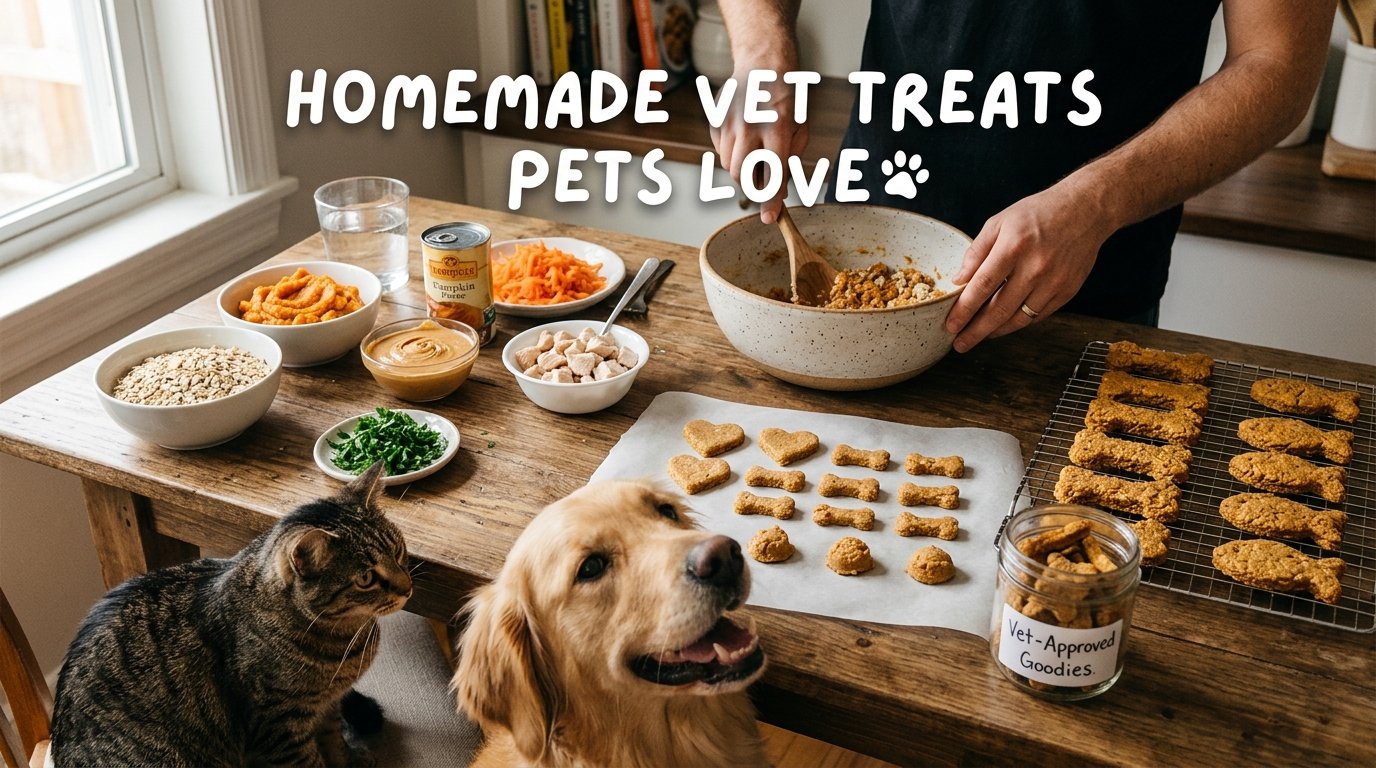
1. **Fiber**: Fiber is essential for maintaining a healthy digestive system. It promotes regular bowel movements and helps to support the growth of beneficial bacteria in the gut. Sources of fiber include beet pulp, pumpkin, and oats.
2. **Probiotics**: Probiotics are live bacteria that provide health benefits when consumed in adequate amounts. They help maintain the balance of good and bad bacteria in the gut, preventing gastrointestinal issues and supporting immune function.
3. **Prebiotics**: Prebiotics are non-digestible food components that promote the growth of beneficial bacteria. They are typically found in high-fiber foods such as fruits, vegetables, and whole grains. By feeding the good bacteria, prebiotics help maintain a healthy gut microbiome.
Probiotics and Prebiotics in Pet Nutrition
Probiotics and prebiotics play a pivotal role in promoting gut health in pets. Understanding their functions can help pet owners make informed decisions about their furry companions’ diets.
Probiotics: The Good Bacteria
Probiotics are beneficial live bacteria that can help restore balance to the gut microbiome. They can be found in various forms, including supplements, fermented foods, and specific pet foods enriched with probiotics. The benefits of probiotics for pets include:
-
- Reducing gastrointestinal disturbances such as diarrhea and constipation.
-
- Enhancing immune response and reducing the likelihood of infections.
-
- Helping to manage stress-induced gastrointestinal issues.
-
- Assisting in the recovery from antibiotic treatments which can disrupt gut flora.
Prebiotics: Feeding the Good Guys
Prebiotics serve as food for probiotics and beneficial gut bacteria. By promoting the growth of these good bacteria, prebiotics help maintain a balanced gut microbiome. Some key benefits of prebiotics for pets include:
-
- Improved digestion and nutrient absorption.
-
- Support for a strong and healthy immune system.
-
- Healthy weight management by promoting satiety.
Signs of Poor Gut Health in Pets
As pet owners, it’s vital to recognize the signs of poor gut health to address any issues promptly. Here are some common indicators that your pet may be experiencing gut health problems:
-
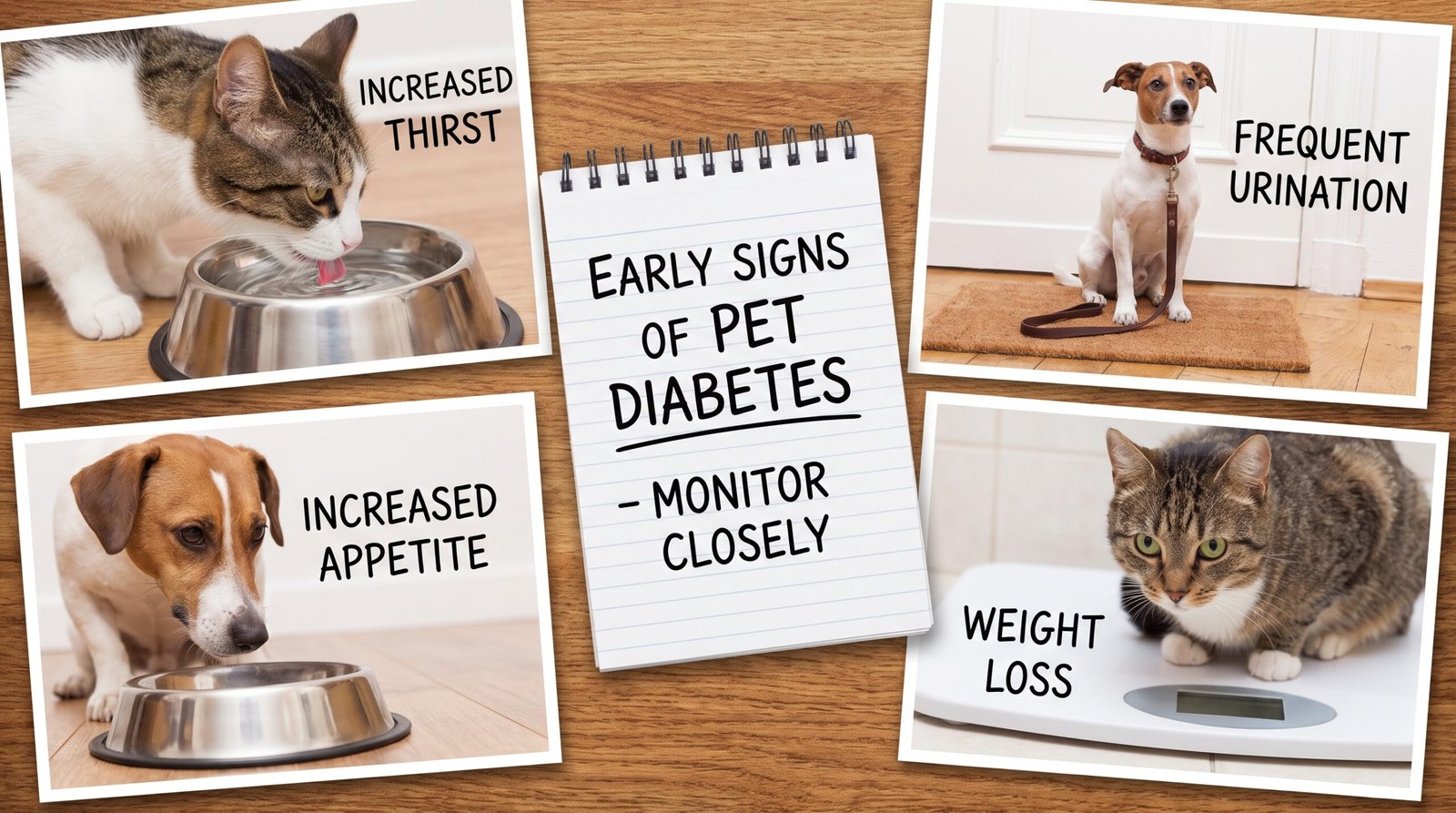
- Frequent vomiting or diarrhea.
-
- Changes in appetite or food preferences.
-
- Stomach bloating or discomfort.
-
- Unexplained weight loss or gain.
-
- Increased gas or flatulence.
-
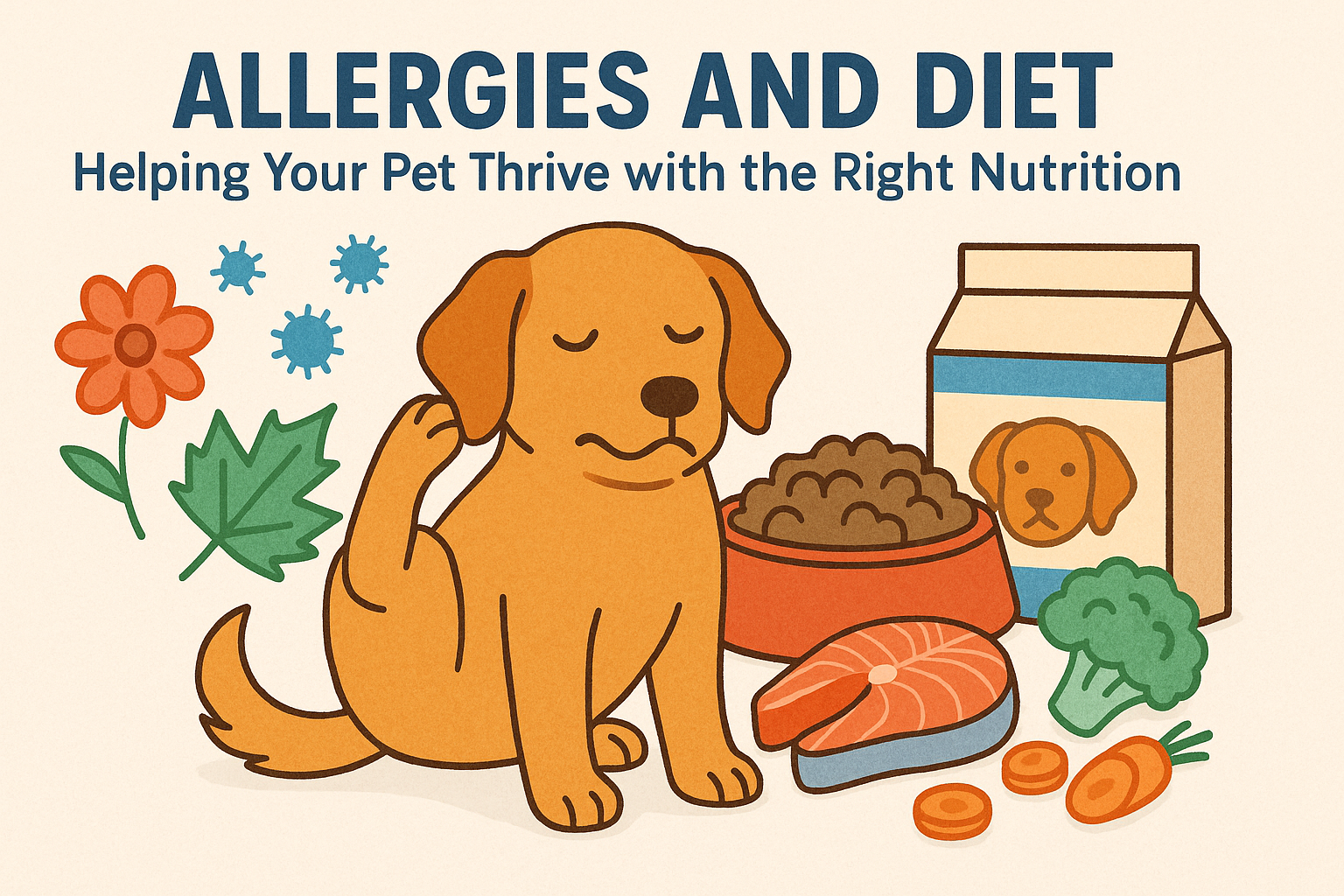
- Allergic reactions or skin issues.
If you notice any of these signs, consult your veterinarian to determine the underlying cause and receive appropriate care. They may recommend dietary changes, supplements, or further testing.
How to Maintain Your Pet’s Gut Health
To ensure your pet maintains a healthy gut, consider these essential tips:
1. Choose the Right Diet
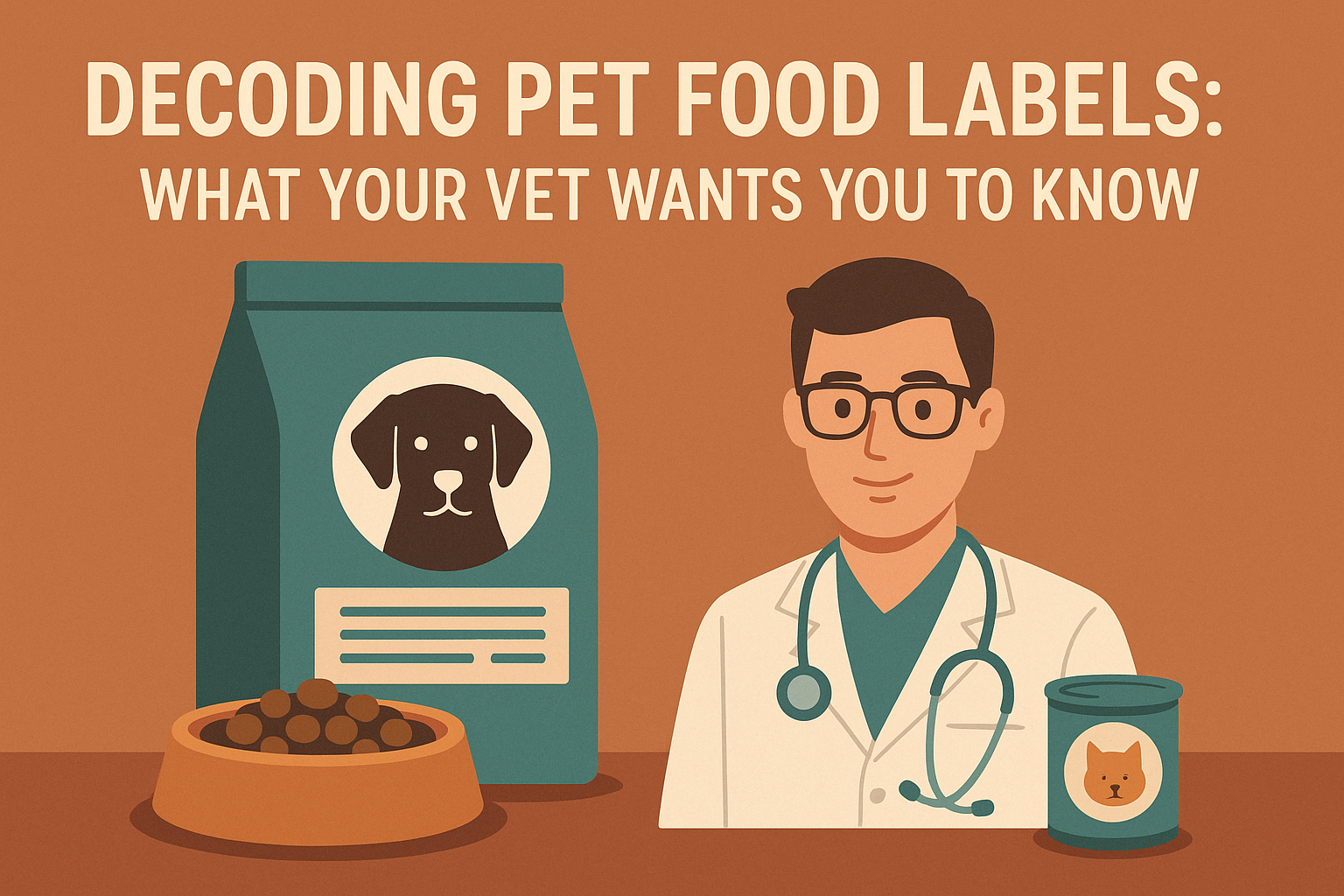
Opt for high-quality pet foods that contain a balanced mix of essential nutrients, including fiber, probiotics, and prebiotics. Look for products with real meat, whole grains, and natural ingredients.
2. Introduce New Foods Gradually
When changing your pet’s diet, do so gradually to prevent digestive upset. Start by mixing a small amount of the new food with their current food and gradually increase the new food’s proportion over several days.
3. Provide Fresh Water
Make sure your pet has access to clean, fresh water at all times. Staying hydrated is crucial for proper digestion and overall health.
4. Consider Supplements
Consult with your veterinarian about the potential benefits of probiotics and prebiotics. Supplements can be a convenient way to enhance your pet’s gut health, especially if they’re transitioning to a new diet or recovering from illness.
5. Regular Exercise
Physical activity is essential for maintaining a healthy digestive system. Ensure your pet gets regular exercise through walks, playtime, and interactive activities.
6. Routine Veterinary Check-ups
Regular check-ups with your veterinarian can help catch any potential health issues early, including digestive problems. Follow your vet’s recommendations for vaccinations, screenings, and preventive care.
Conclusion
Gut health is a cornerstone of overall wellness for our pets. By focusing on proper nutrition, including the right balance of probiotics and prebiotics, pet owners can foster a healthy gut microbiome and, in turn, support their pets’ overall health and happiness. By paying close attention to your pet’s diet, recognizing signs of digestive distress, and seeking veterinary advice when necessary, you play an essential role in ensuring a long, happy, and healthy life for your furry companions. Remember, happy tummies lead to happy pets!
FAQs
Q1: What are the signs that my pet may need a change in diet for gut health?
A1: Signs can include gastrointestinal disturbances such as diarrhea and vomiting, changes in appetite, bloating, and skin issues. If you notice any of these symptoms, consult your veterinarian.
Q2: Can I give my pet human probiotics?
A2: It’s best to use probiotics specifically formulated for pets, as they are tailored to their specific needs and digestive systems. Always consult your veterinarian before introducing any new supplements.
Q3: How long does it take for probiotics to show effects in pets?
A3: It may take a few days to a couple of weeks for probiotics to impact your pet’s gut health. Regular consumption may help in establishing and maintaining a balanced gut microbiome.
Q4: How can I introduce prebiotics into my pet’s diet?
A4: You can introduce prebiotics by incorporating high-fiber fruits, vegetables, and whole grains into their diet. Consult with your vet for specific recommendations tailored to your pet’s dietary needs.
Q5: Are there any specific foods I should avoid for my pet’s gut health?
A5: Avoid foods that contain artificial additives, fillers, and excessive fat or sugar. Low-quality commercial pet foods may also negatively impact gut health. Choose high-quality, well-balanced diets designed for your pet’s specific needs.