
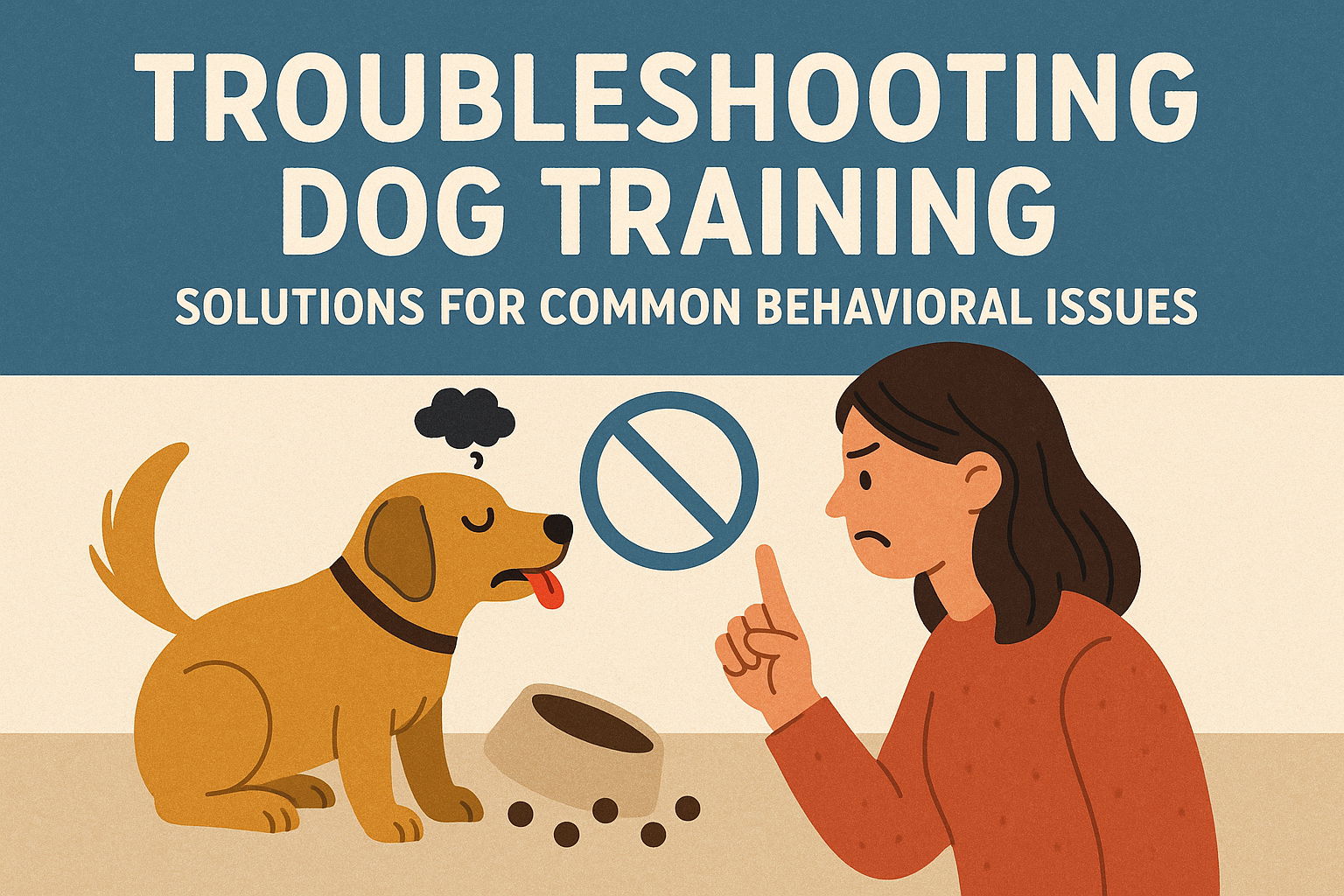
Dog training is as much an art as it is a science. While many dog owners hope for a seamless transition into training, challenges often arise. From barking and chewing to more serious behavioral problems, navigating these issues can be overwhelming. In this article, we’ll examine common behavioral issues in dogs, explore their potential causes, and provide solutions to help you train a well-behaved companion. Whether you’re a new dog owner or a seasoned veteran, the tips here can enhance your training experience.
Common Behavioral Issues
Understanding the most common behavioral problems in dogs is essential for effective training. Below are some of the most prevalent issues dog owners face:
- Barking excessively: Many dogs bark as a way to communicate, but excessive barking can be disruptive.
- Chewing and destructive behavior: Puppies and adult dogs alike may chew on furniture, shoes, or other household items.
- Jumping on people: Dogs may jump up to greet people, which can be viewed as rude or aggressive.
- Potty training issues: Accidents in the house can frustrate owners and signal larger communication gaps.
- Aggression: Aggressive behavior can arise from fear, territoriality, or resource guarding.
Understanding the Root Causes
Before you can solve a behavioral issue, it’s critical to understand the underlying causes. Many issues arise from:
- Lack of training: Without consistent training, dogs may not understand what is expected of them.
- Insufficient exercise: Dogs that don’t receive enough physical or mental stimulation may exhibit undesirable behaviors.
- Fear or anxiety: Behavioral issues can often stem from fear, anxiety, or a traumatic experience.
- Medical issues: Sometimes, inexplicable behavior changes can be due to underlying health problems. Always consult a veterinarian if you notice sudden changes in behavior.
Barking Excessively
Causes
Barking can serve various purposes, such as alerting owners to danger or expressing excitement. However, excessive barking can be problematic.
Solutions
- Identify triggers: Observe when your dog barks most frequently. Is it triggered by noise, other animals, or specific people?
- Provide distractions: Use toys or puzzles to keep your dog engaged.
- Teach “quiet” command: Reward your dog when it stops barking on command to reinforce quiet behavior.
Chewing and Destructive Behavior
Causes
Puppies and even adult dogs may chew out of boredom, anxiety, or teething.
Solutions
- Provide chew toys: Offer appropriate chewing alternatives like rubber toys, dental chews, or rawhide.
- Increase exercise: Engage in more playtime and long walks to burn off excess energy.
- Offer mental stimulation: Utilize puzzle toys or training games to keep your dog’s mind active.
Jumping on People
Causes
Dogs often jump on people out of excitement or to gain attention.
Solutions
- Ignore jumping: Avoid giving attention until all four paws are on the ground.
- Teach an alternative behavior: Train your dog to sit when greeting people instead of jumping.
- Reward good behavior: Consistently reward your dog for sitting or staying calm for positive reinforcement.
Potty Training Issues
Causes
Many factors contribute to potty training issues, including lack of consistency or medical conditions that may affect urination.
Solutions
- Establish a routine: Take your dog out at the same times daily to establish a bathroom schedule.
- Use positive reinforcement: Praise or reward your dog immediately after they go potty outside.
- Keep a close eye indoors: Supervise your dog closely within the house to prevent accidents.
Aggression
Causes
Aggressive behavior can stem from fear, territorial instincts, or resource guarding.
Solutions
- Consult a professional trainer: Aggression often requires specialized training techniques.
- Understand body language: Learn to recognize signs of discomfort or fear in your dog.
- Manage environments: Keep your dog away from situations that could trigger aggressive behavior.
Conclusion
Training a dog can sometimes feel like an uphill battle due to various behavioral issues. However, identifying the root causes and implementing consistent, positive training techniques can lead to a well-behaved dog. Always remember that patience and consistency are vital for success. Dogs, much like humans, have unique personalities and learning paces. The eventual rewards of your hard work will lead to a loving and well-adjusted companion that enhances your life.
Frequently Asked Questions (FAQs)
1. How long does it take to train a dog?
Training durations can vary significantly depending on the dog’s age, breed, and prior experiences. Basic commands can take a few weeks to a few months. Consistency is key!
2. Is professional training worth it?
Professional trainers can provide valuable insights and techniques that can be very beneficial, especially for problematic behaviors. They can tailor training to your specific challenges.
3. Should I use punishment to correct behaviors?
Positive reinforcement methods are generally more effective and create a better bond between you and your dog. Avoid using punishment, as it can lead to fear and anxiety.
4. Why is my dog developing new behavioral issues?
Changes in behavior can be due to various factors, including changes in environment, health issues, or stress. If behavior changes occur suddenly, a veterinary consultation is recommended.
5. Can older dogs be trained?
Yes! Older dogs can learn new commands and behaviors. It may require more patience, but many dogs respond well to training throughout their lives.