Pet Nutrition 101: Essential Tips from the Experts at Our Health Center
As pet owners, providing our beloved animals with the best nutrition is fundamental to their health and well-being. At Our Health Center, our team of veterinarians and nutritionists have compiled essential tips to help pet owners understand and navigate the world of pet nutrition. In this article, we cover the basics and offer practical advice to ensure your furry friends thrive.
Understanding Pet Nutrition
Nutrition for pets is a combination of the food they eat and the necessary nutrients obtained from that food. Just like humans, pets require a balanced diet tailored to their specific needs. Proper nutrition aids in promoting healthy growth, a robust immune system, longevity, and overall quality of life.
The Five Basic Nutrients
Pet food consists of five basic nutrients:
- Proteins: Building blocks for tissues, muscles, and enzymes.
- Fats: Provide energy and help absorb vitamins.
- Carbohydrates: Major source of energy, although not essential for all pets.
- Vitamins: Necessary for metabolic functions and maintaining health.
- Minerals: Important for bone structure, nerve function, and overall cellular health.
Choosing the Right Food
Choosing the right food for your pet can be overwhelming given the multitude of options available. Here are a few tips to guide your selection:
1. Know Your Pet’s Life Stage
Pets have different nutritional requirements at various life stages such as kitten/puppy, adult, and senior. Always choose food that is appropriate for your pet’s age.
2. Look for Quality Ingredients
High-quality protein sources should be among the first ingredients listed. Avoid foods with fillers and by-products.
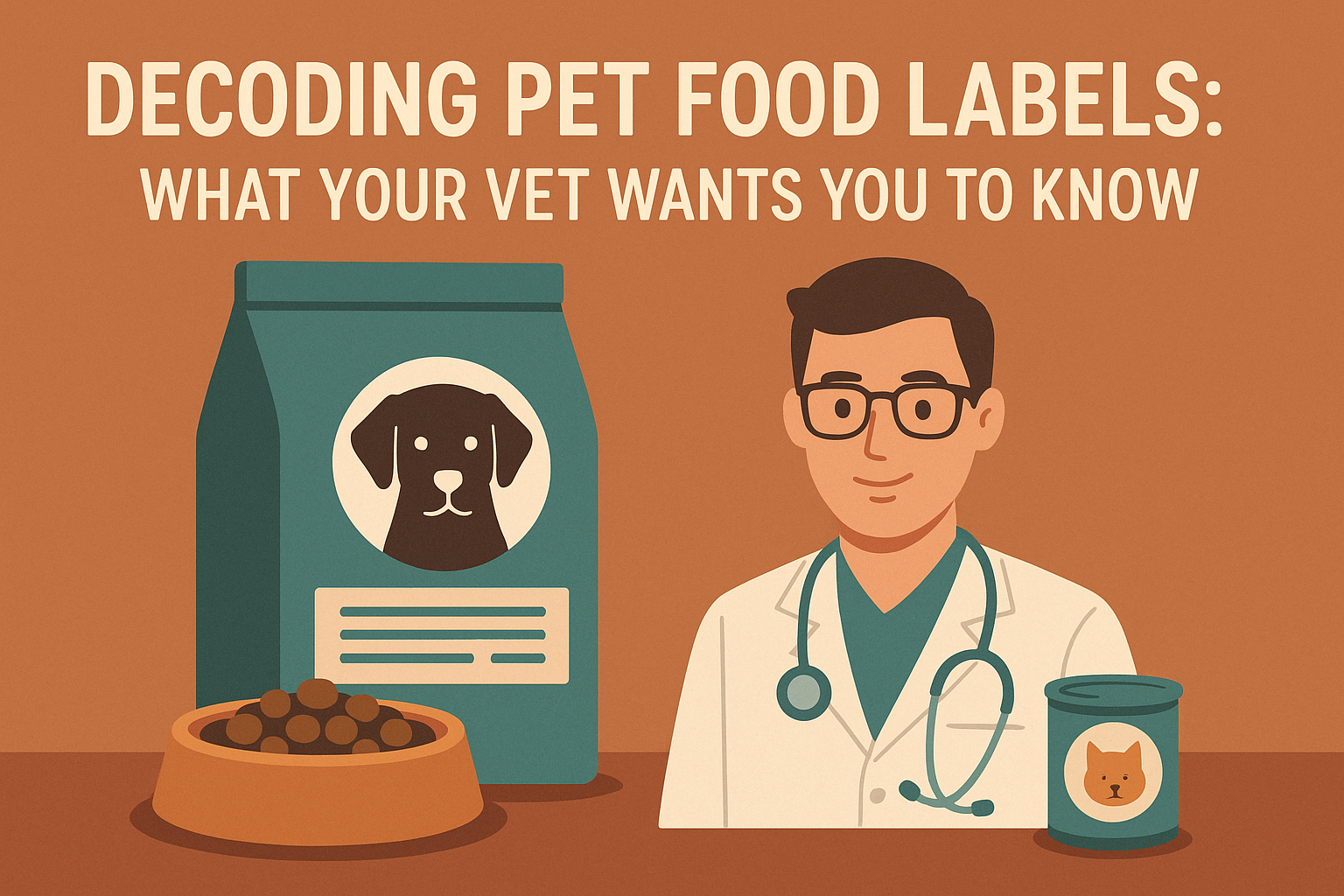
3. Understand Nutritional Labels
Pet food labels provide vital information. Look for the AAFCO (Association of American Feed Control Officials) statement, which indicates that the food meets or exceeds minimum nutritional requirements.
Special Considerations
Some pets may have specific dietary needs based on breed, health issues, or allergies. Here are some considerations:
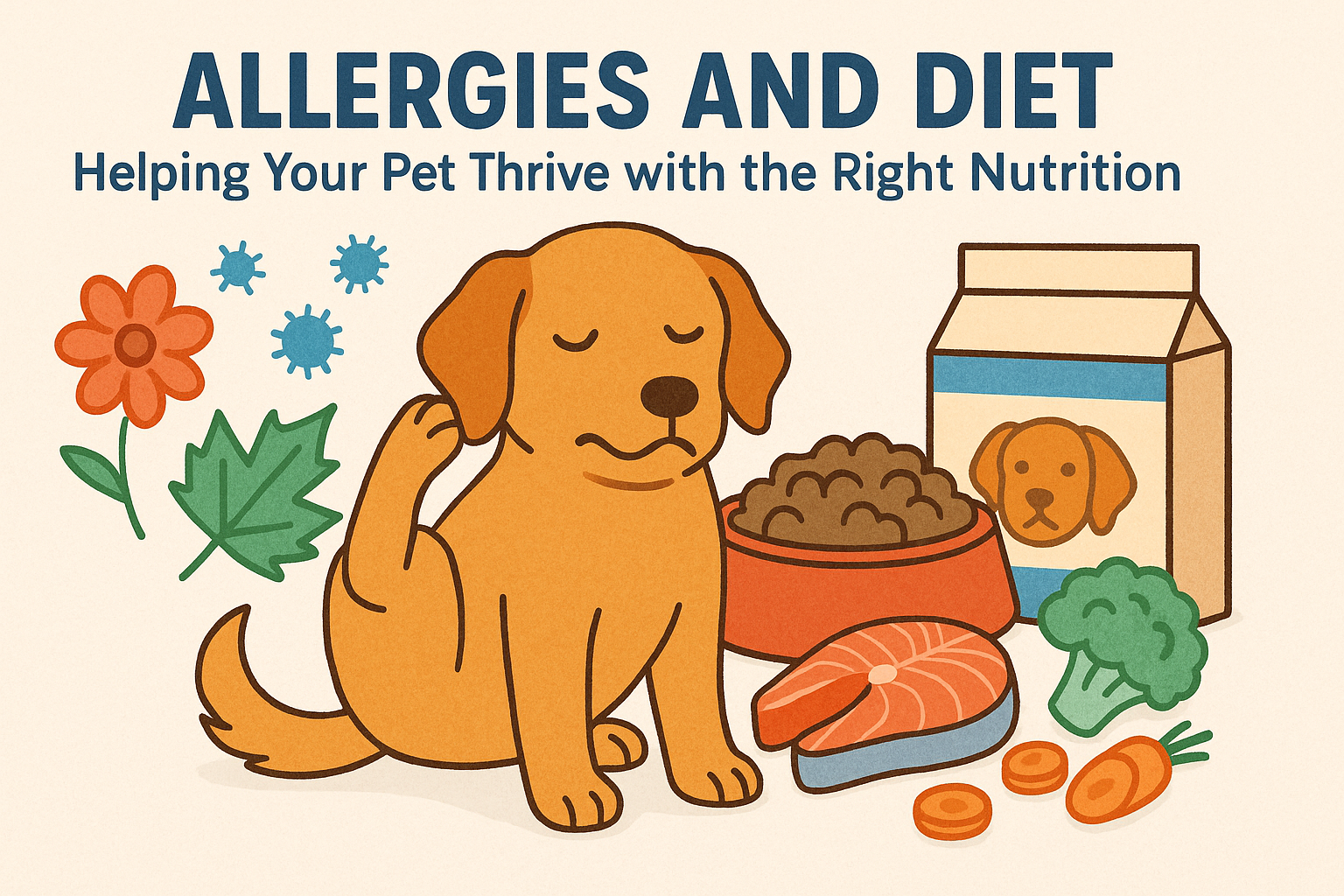
1. Allergies and Sensitivities
Be aware of common allergens such as grains, chicken, or beef. If your pet exhibits signs of allergies, consult your veterinarian for an elimination diet.
2. Overweight Pets
Obesity in pets is a growing concern. Monitor your pet’s weight and adjust their food intake accordingly. Focus on a balanced diet with low-calorie treats.
3. Senior Pet Nutrition
Older pets often require diets lower in calories, higher in fiber, and supplemented with joint support components like glucosamine.
Feeding Guidelines
Feeding guidelines can vary depending on the type of food (dry, wet, raw) and your pet’s size and activity level. Here are general tips:
1. Measure Portions
Use a measuring cup to ensure accurate portion sizes. Overfeeding can lead to obesity.
2. Scheduled Feeding
Establish a feeding schedule to promote routine. Most adult pets do well with two meals per day.
3. Fresh Water
Always provide access to fresh, clean water. Hydration is crucial for overall health.
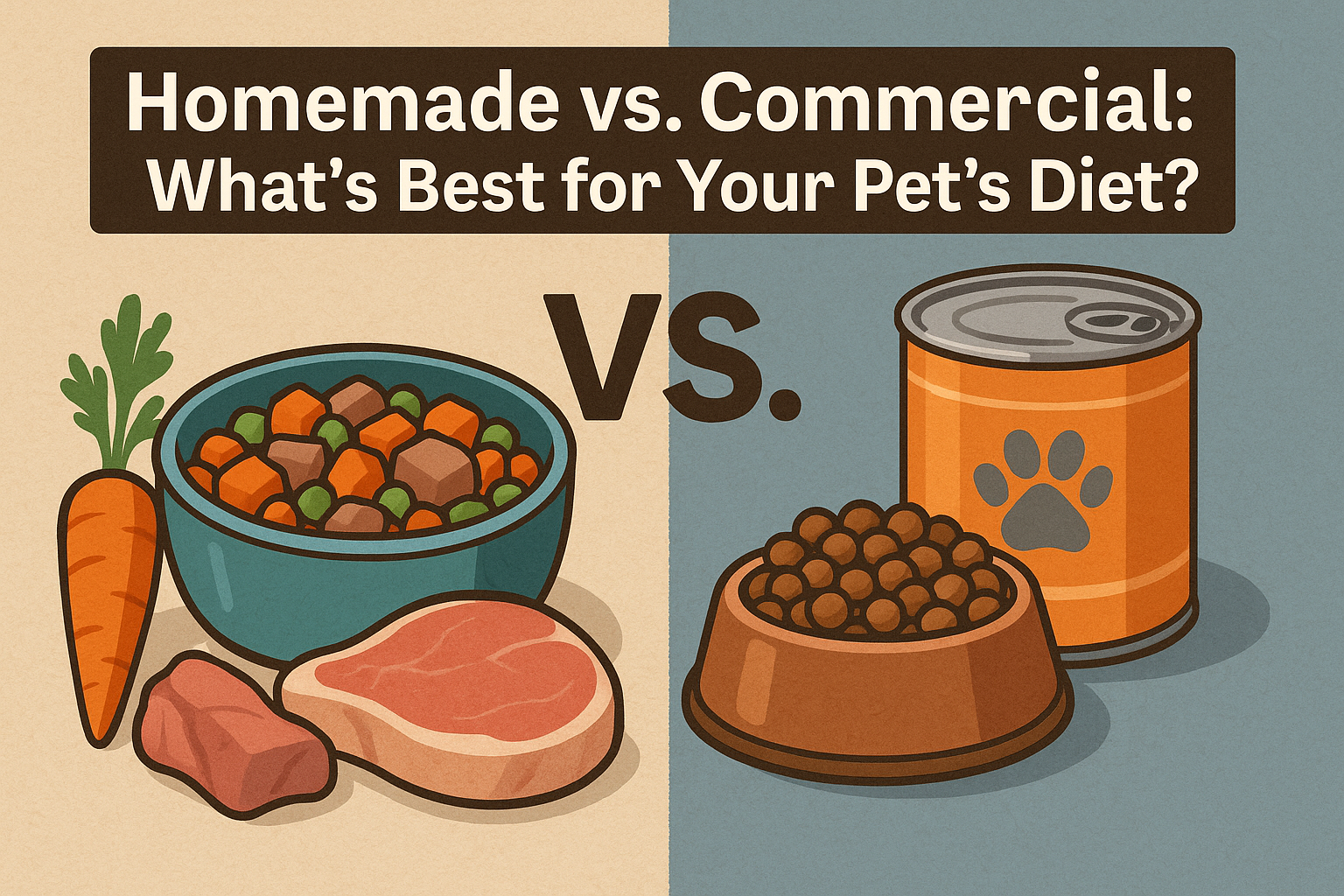
Homemade Pet Food: A Viable Option?
Some pet owners consider homemade diets. While this can be healthy, it requires careful planning to meet all nutritional needs. Consulting with a veterinary nutritionist is recommended before embarking on this route.
The Role of Treats
Treats can be an excellent way to bond with your pet and reinforce training. However, they should not exceed 10% of their daily caloric intake. Opt for healthy options like fruits and vegetables when possible.
Monitoring Your Pet’s Health
Regular check-ups with your veterinarian are essential for monitoring your pet’s health and dietary needs. They can provide personalized recommendations based on weight, breed, and age.
Conclusion
Understanding pet nutrition is fundamental to ensuring the health and happiness of your furry companions. By providing balanced meals tailored to their life stages, monitoring their weight, and making informed choices about their diet, you can drastically improve their quality of life. Always consult with professionals when in doubt, and remember that a well-nourished pet is a happy pet.
Frequently Asked Questions (FAQs)
1. What should I look for when choosing pet food?
Look for high-quality ingredients, AAFCO certification, and formulas specific to your pet’s life stage.
2. How can I tell if my pet is overweight?
Check for a visible waist, feel for ribs without excess fat, and consult your veterinarian for professional evaluation.
3. Can I feed my pet a raw diet?
Raw diets can be risky and must be carefully balanced. Consult a vet or nutritionist before starting a raw diet.
4. How many times a day should I feed my pet?
Most adult pets should be fed twice a day, while puppies and kittens may need more frequent meals.
5. Are human foods safe for pets?
Some human foods are safe for pets (like certain fruits and vegetables), while others (like chocolate and grapes) are toxic. Always do research or consult your vet.