Leash Training Made Easy: Enjoying Walks with Your Furry Friend
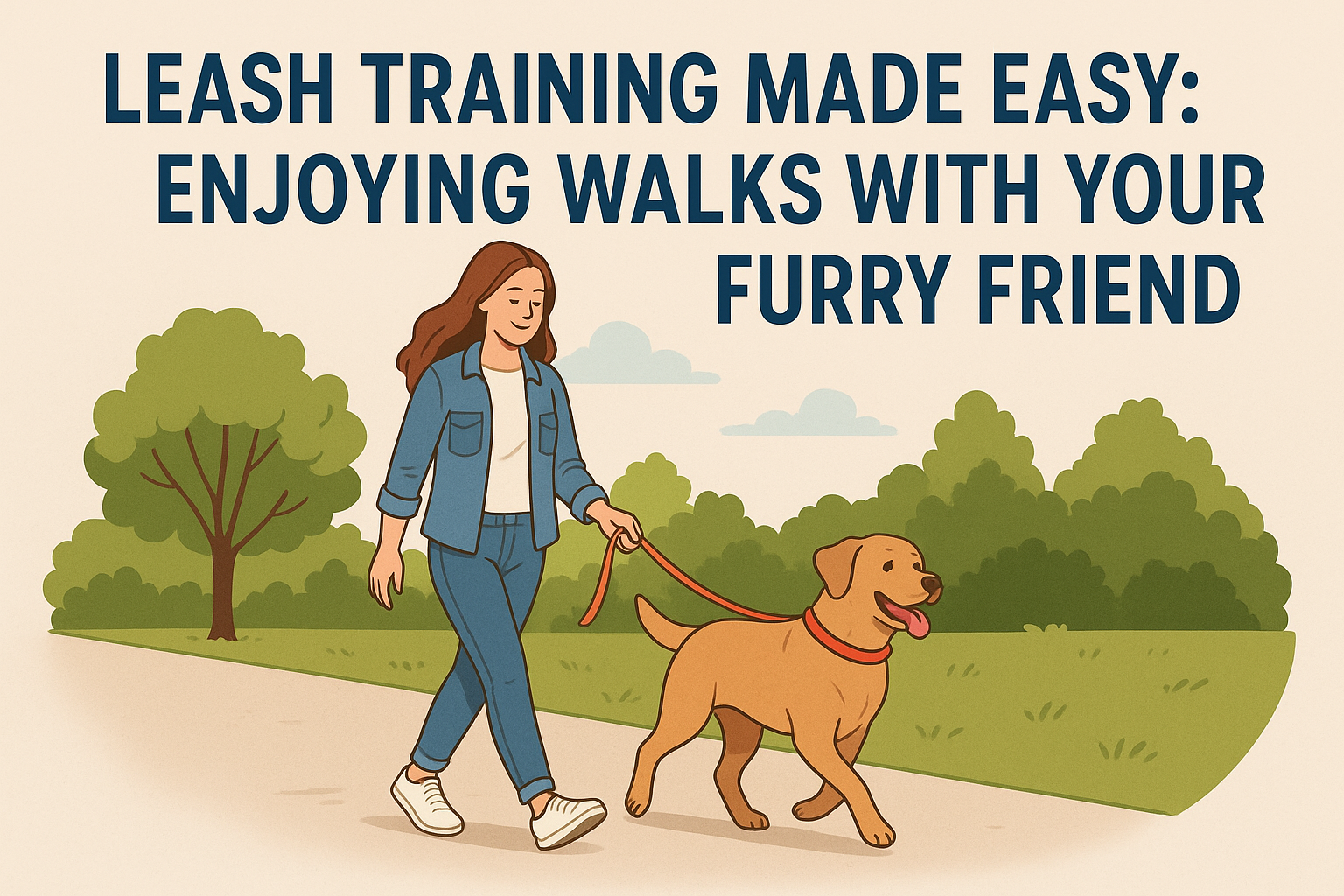
Walking your dog is not just a form of exercise; it’s a bonding experience that strengthens the connection between you and your furry friend. However, leash training can sometimes be a challenging task. Many dog owners struggle with pulling, lunging, or even barking while on walks. But fear not! With patience, consistency, and the right techniques, leash training can be made easy, resulting in enjoyable walks for both you and your dog.
Understanding Leash Training
Leash training entails teaching your dog how to walk calmly beside you without pulling or straining against the leash. This involves proper techniques, tools, and an understanding of your dog’s behavior. The goal is to ensure that your walks are safe, enjoyable, and free from anxiety for both the dog and the owner.
The Importance of Leash Training
Proper leash training offers numerous benefits:
- Safety: A well-trained dog is less likely to dart into traffic or become aggressive toward other dogs or people.
- Control: You retain control over your dog’s movements, making walks more manageable and less chaotic.
- Enjoyment: A leash-trained dog allows you to enjoy walking together without stress or frustration.
- Socialization: Better leash skills help your dog become more comfortable around other animals and people.
Choosing the Right Equipment
The first step to successful leash training is ensuring you have the right equipment. Your choice of leash and collar or harness can make a significant difference.
Leashes
Consider using a leash that provides good control. Here are some options:
- Standard Leash: A 6-foot nylon or leather leash is ideal for training.
- Retractable Leash: While these can provide more freedom, they can also encourage pulling, so use them cautiously.
Collars and Harnesses
Choosing the right collar or harness is essential for a comfortable and effective training experience:
- Flat Collar: A standard option but may not be suitable for dogs that pull.
- Martingale Collar: Provides more control without choking, ideal for training dogs who pull.
- Front-Clip Harness: A great option that discourages pulling by redirecting your dog’s momentum.
Basic Commands to Teach
Before you embark on your leash training journey, it’s beneficial to teach your dog some basic commands. These commands will help you maintain control during walks.
Key Commands
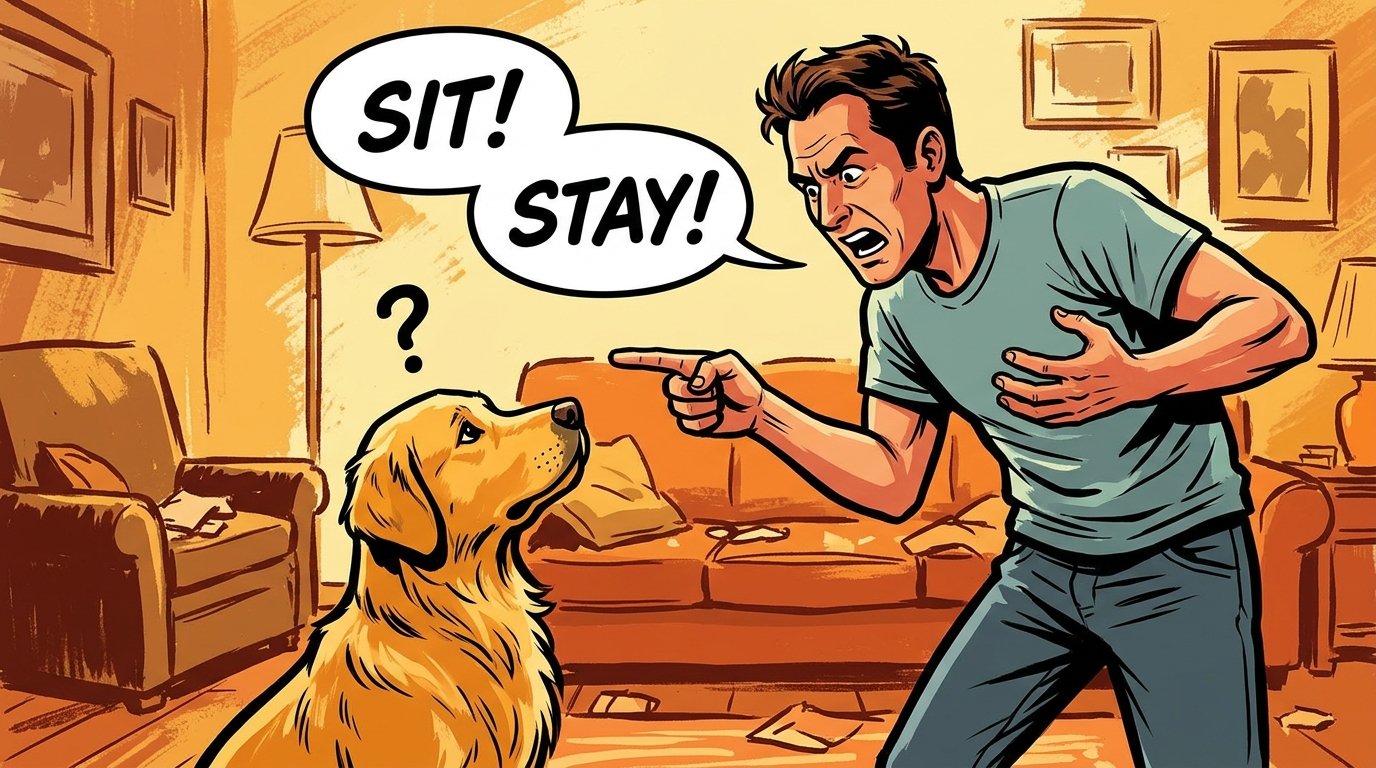
- “Sit”: A fundamental command that helps you gain control and direct your dog’s attention.
- “Stay”: This allows you to keep your dog in one place while you prepare for a walk.
- “Heel”: This command instructs your dog to walk closely beside you.
Steps for Effective Leash Training
Now that you have the proper equipment and have practiced a few basic commands, it’s time to dive into the training process. Follow these steps for effective leash training:
Step 1: Get Your Dog Used to the Leash
Before you hit the streets, let your dog feel comfortable wearing the collar/harness and leash. Allow them to explore and get accustomed to the sensations:
- Let your dog wear the collar/harness around the house for short periods.
- Attach the leash and encourage them to walk around, offering treats as they adapt.
Step 2: Practice in a Controlled Environment
Once your dog is comfortable with the leash, practice walking in a distraction-free area, such as your backyard or living room:
- Start with short sessions, rewarding your dog for walking beside you.
- Use a clicker or verbal praise to reinforce good behavior.
Step 3: Introduce Walking Outside
When your dog is confident walking indoors, it’s time to take your training outside:
- Choose a quiet time and location for your first outing.
- Start walking at a slow pace, and encourage your dog to walk next to you.
- If they pull, stop walking and only continue once they return to your side.
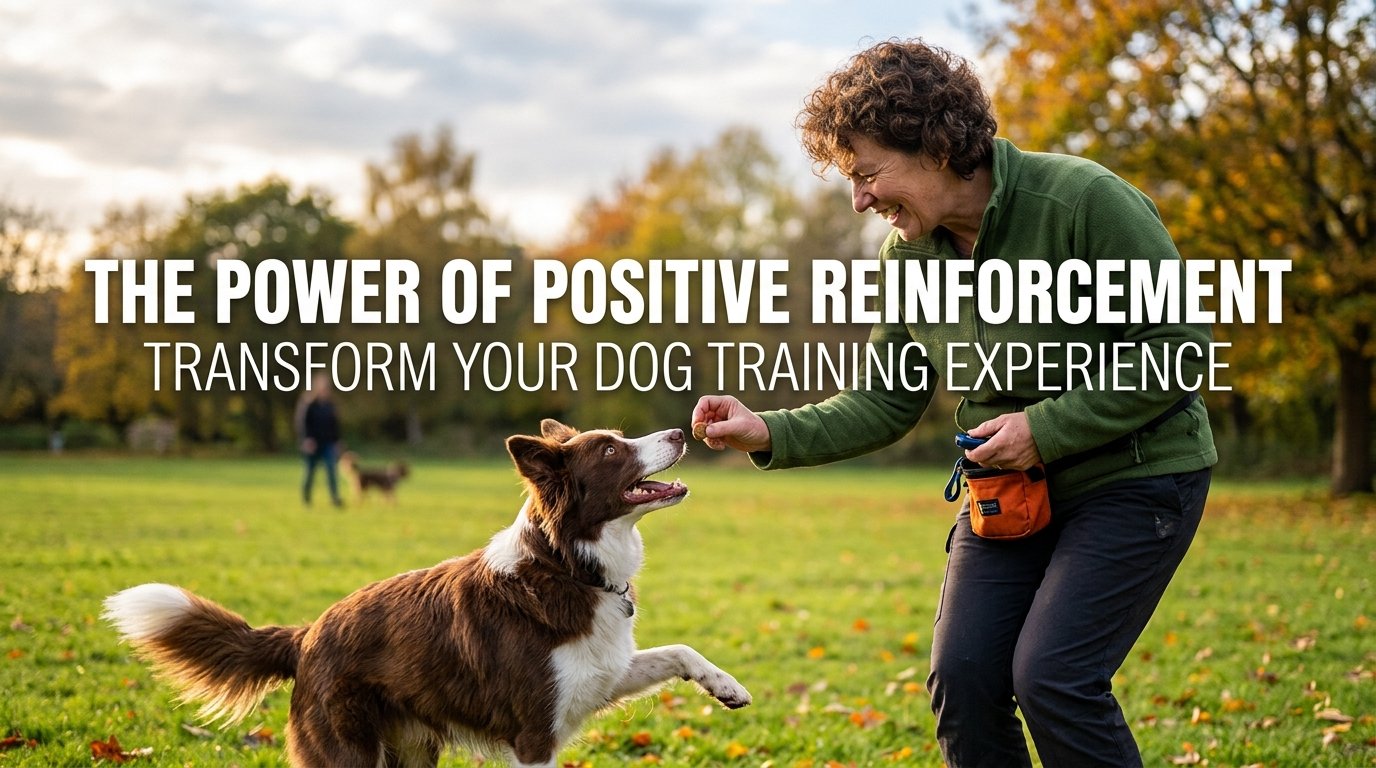
Step 4: Use Positive Reinforcement
Positive reinforcement is critical to solidifying your dog’s on-leash behavior:
- Use treats, praise, or toys to reward your dog for walking calmly without pulling.
- Even small increments of progress should be acknowledged to encourage good habits.
Step 5: Consistency is Key
Leash training requires consistency and patience. Make sure everyone in your household is on the same page regarding commands and training techniques:
- Practice regularly, aiming for short daily sessions instead of infrequent longer ones.
- Always use the same cues and rewards to avoid confusing your dog.
Addressing Common Issues
Even with proper training, you may encounter common issues. Here are some tips to address them:
Pulling
If your dog pulls ahead, stop and stand still. Wait for them to return to your side before continuing. This teaches them that pulling doesn’t lead to moving forward.
Lunging at Other Dogs or People
Practice “Watch Me” or redirect your dog’s attention to you when they begin to lunge. Use treats to keep their focus on you rather than the potential distraction.
Barking
Barking can be addressed through training commands like “Quiet” or by redirecting their attention away from whatever is causing the barking.
Environmental Considerations
Be mindful of environmental factors that may affect your dog’s behavior:
- Noise: Busy streets, loud vehicles, or other dogs can be distracting. Start in quieter areas until your dog is more comfortable.
- Weather: Extreme heat or cold can affect your dog’s mood. Know when to head inside for the safety of your pet.
- Foot Traffic: Consider your timing to avoid crowds initially while your dog is still learning.
Maintaining the Training
Leash training doesn’t end after your dog can walk calmly beside you. Continual practice and reinforcement are crucial:
- Incorporate new environments: As your dog becomes proficient, challenge them with more distractions.
- Routine walks: Plan regular walks to help maintain and develop good leash manners.
Conclusion
Leash training your dog doesn’t have to be a daunting task. By investing time and effort into training sessions, using positive reinforcement, and remaining consistent, you can transform your dog’s walking behavior. The result? Enjoyable, stress-free walks where both you and your furry friend can enjoy exploring the world together.
FAQs
1. How long does it take to leash train a dog?
The time it takes to leash train a dog varies based on the dog’s age, breed, and previous experiences. Generally, it can take several weeks to months of consistent training to establish good leash manners.
2. Is it better to use a collar or harness for leash training?
Many trainers recommend using a harness, particularly a front-clip harness, for dogs that tend to pull. This helps redirect their movements without causing strain on their neck.
3. My dog loves to sniff during walks. Should I discourage this behavior?
Sniffing is natural for dogs and part of how they explore the world. Allow some time for your dog to sniff, and give commands like “Let’s go” to encourage them to keep moving when you want to continue the walk.
4. What should I do if my dog hates the leash?
Start by letting your dog get used to the leash in a safe environment. Allow them to explore the leash without pressure. Gradually introduce the leash while offering treats and praise to create positive associations.
5. Can I use treats all the time during leash training?
While treats are effective for reinforcement, it’s a good idea to gradually fade them out as your dog learns. Use treats intermittently to prevent your dog from only responding when they anticipate a reward.