Why Your Cat Loves to Sit: Decoding Feline Sitting Behaviors
If you’re a cat owner, you may have noticed that your feline friend has quite a penchant for sitting. Whether it’s on your lap, atop a sunny windowsill, or in a box that seems far too small, cats have a remarkable ability to find the most interesting places to park themselves. But have you ever wondered why they do it? In this article, we will explore the various reasons your cat loves to sit, decoding the behaviors behind this seemingly simple activity.
The Importance of Sitting in the Feline World
To understand why cats sit so frequently, we need to delve deeper into their instincts and behavior patterns. Sitting is not merely a position of rest for cats—it is a multifaceted behavior with a variety of meanings and implications.
Instinctual Behaviors
For many animals, sitting is a cue of relaxation and security. For cats, this behavior is deeply rooted in their evolutionary history:
-
- Predatory Instincts: Cats are instinctive hunters. Sitting allows them to observe their surroundings quietly as they ready themselves for a potential hunt or to notice dangers.
-
- Nesting Behavior: In the wild, many felines choose low-lying areas to rest where they can easily escape from predators. Sitting in secluded areas can be an instinctual way of nesting.
-
- Thermoregulation: Cats often seek out warmer places to sit. Sunbathing is a form of thermoregulation—helping them maintain their body temperature and find comfort.
Comfort and Security
Cats are creatures of comfort, and their sitting habits reflect their need for a safe and secure environment:
-
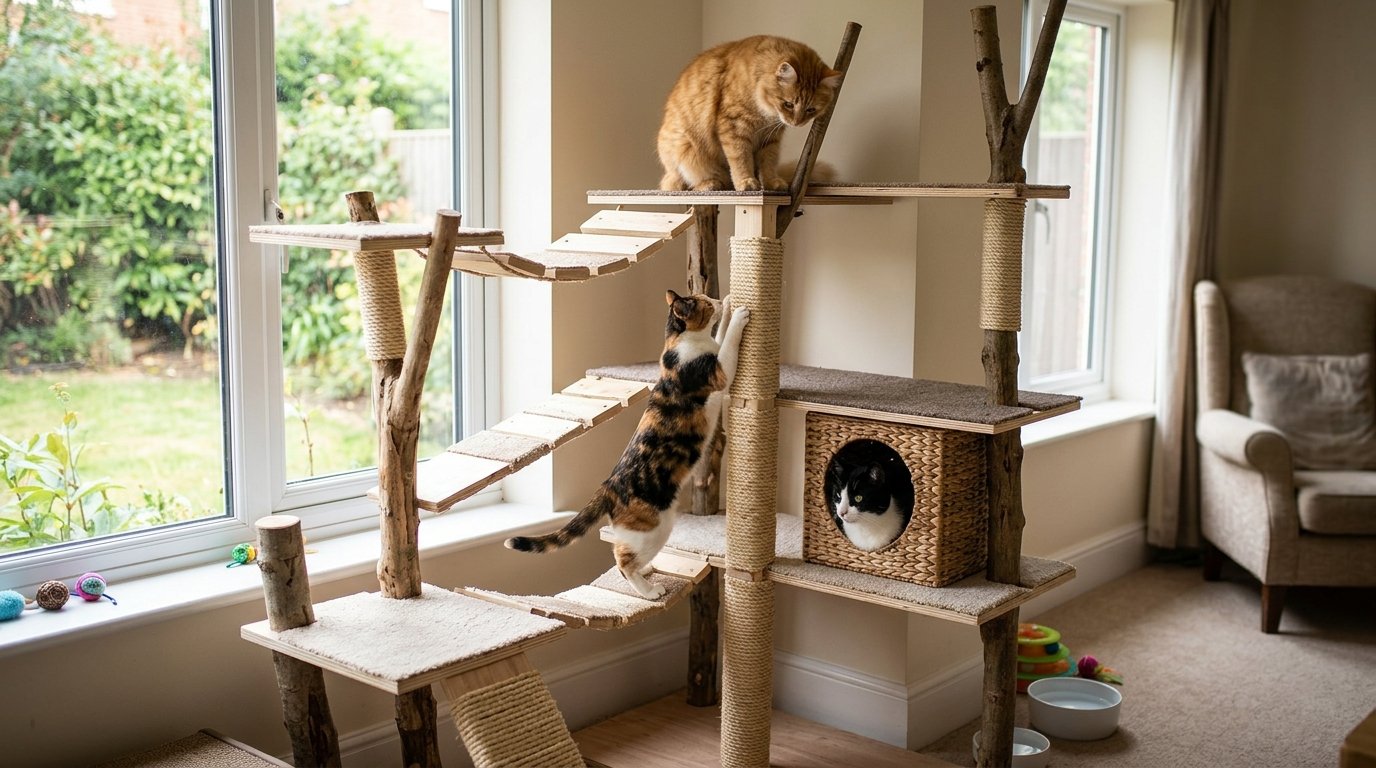
- Height vs. Ground: Cats often prefer sitting up high, where they feel more secure against potential threats. This behavior serves as a natural defense mechanism.
-
- Lap of Love: When a cat chooses to sit on your lap, it is a significant sign of trust. Your presence creates a sense of safety, allowing them to relax.
-
- Familiar Surroundings: Cats often develop preferences for specific locations in the home due to familiarity and comfort: a beloved chair, a quiet corner, or a sunny spot on the floor.
Types of Sitting Behaviors
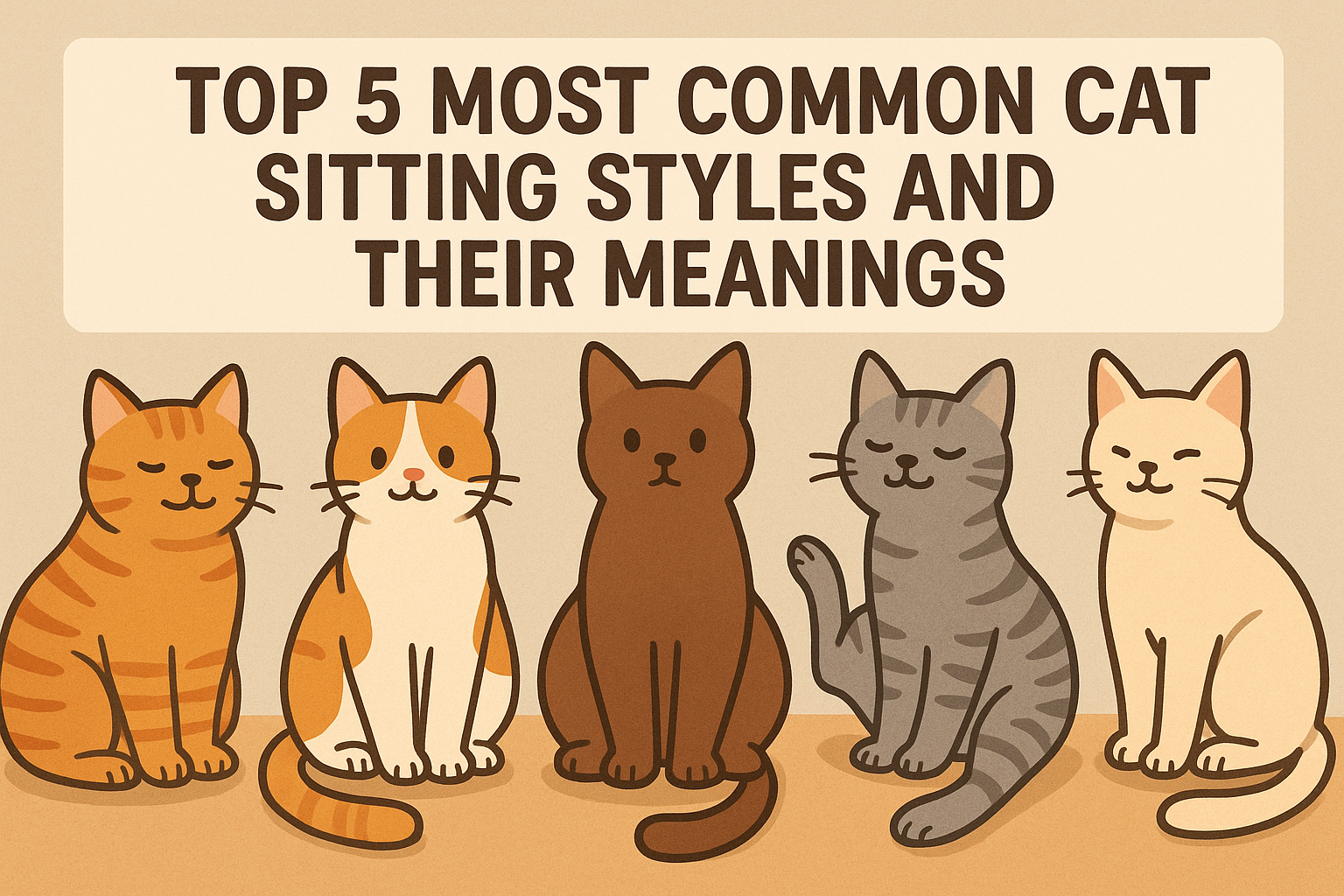
There are several types of sitting behaviors that cats display, each with distinct meanings:
The Classic Sit
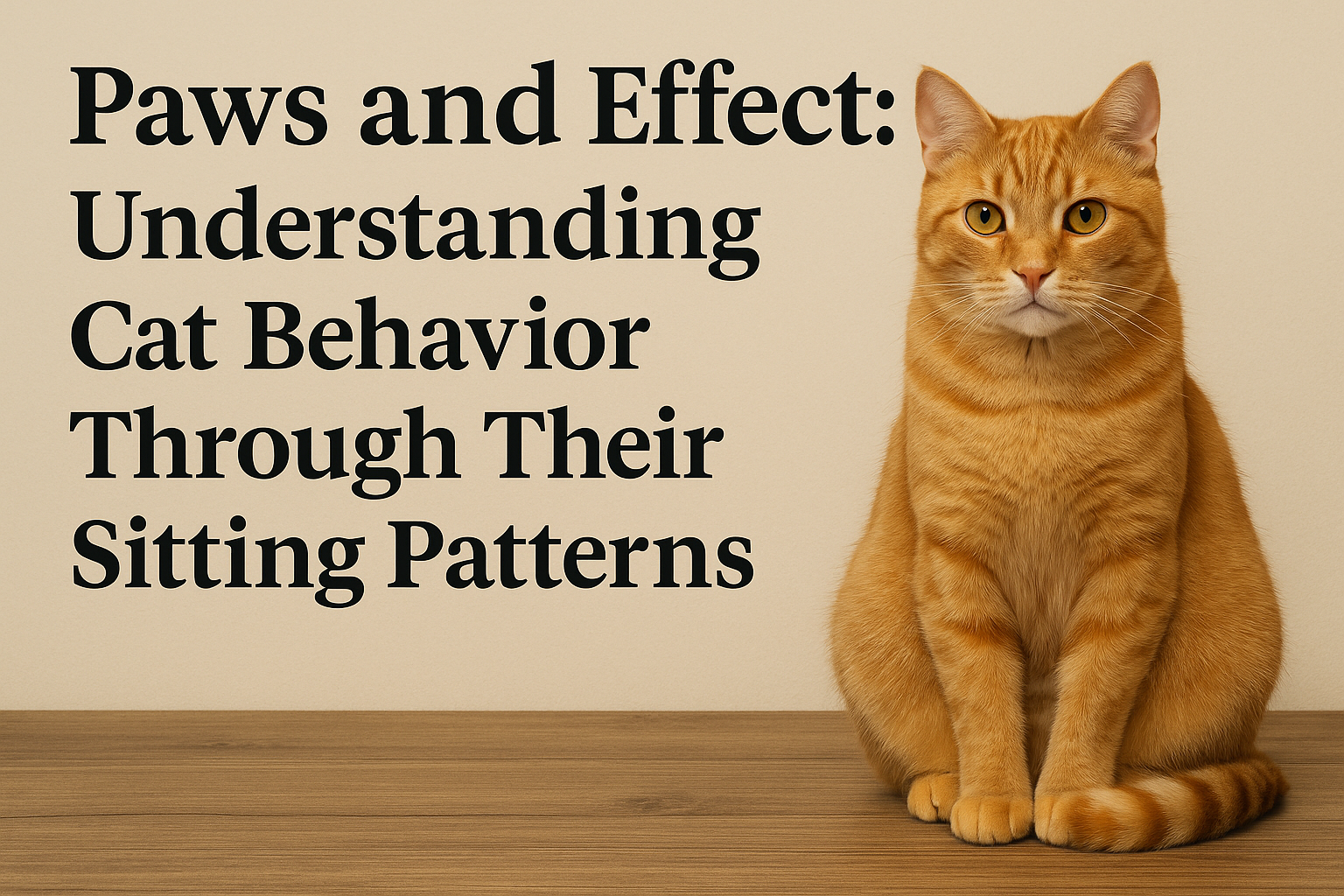
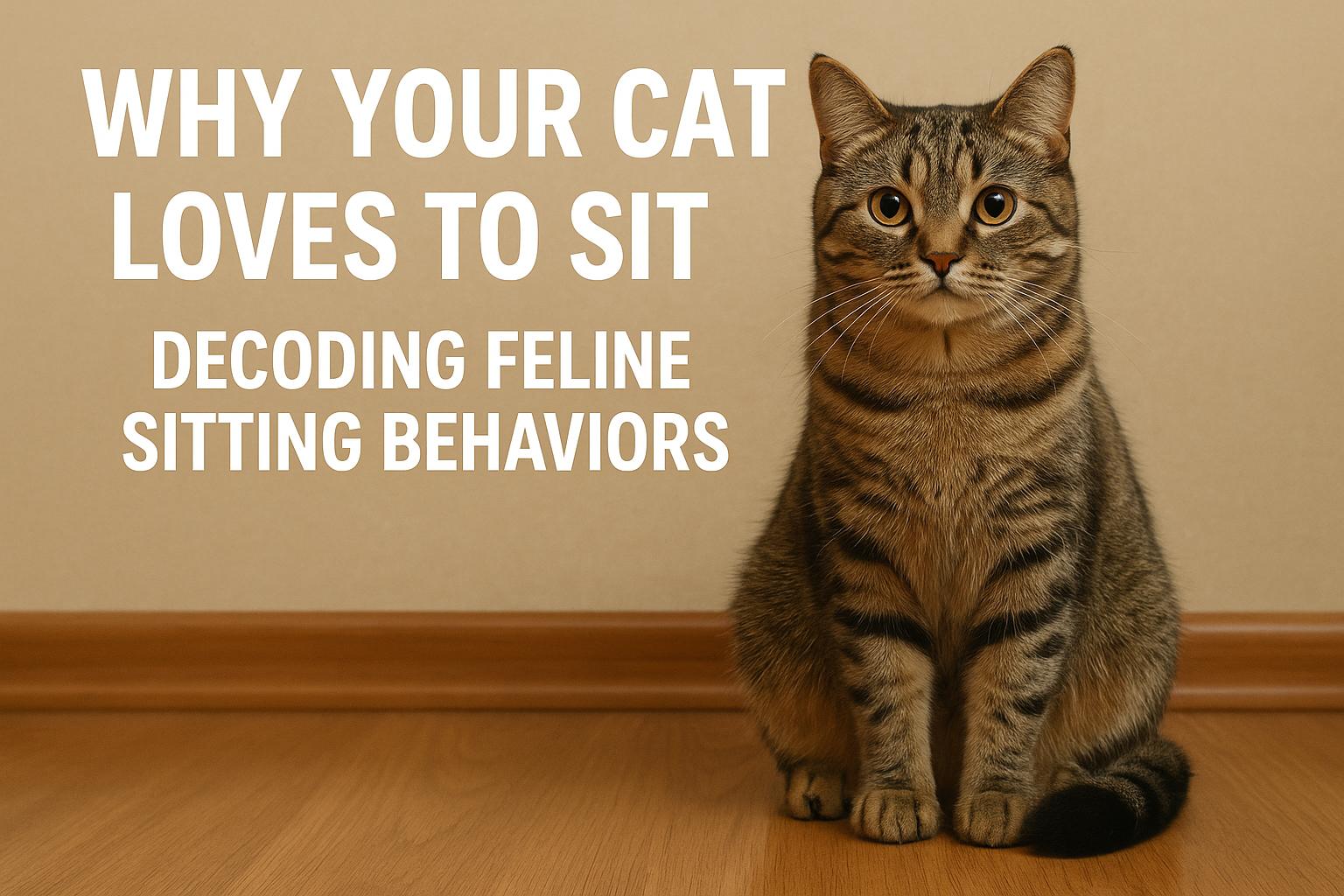
The classic sit, where the cat sits upright with its tail curled around its body or extended, is often associated with a relaxed mood. This position signifies that the cat feels at ease while keeping a vigilant watch over its surroundings.
The Loaf Position
This adorable pose is when the cat sits with its paws tucked beneath its body and its head held high. The loaf position indicates contentment and security. Cats often adopt this pose when they’re in a safe place and feel relaxed.
The Crouched Sit
A crouched sitting position with the body tense and low to the ground typically suggests that a cat is alert, preparing for action—either play or potential threat. This might occur during a play session or when they notice movement in their environment.
Side Sitting
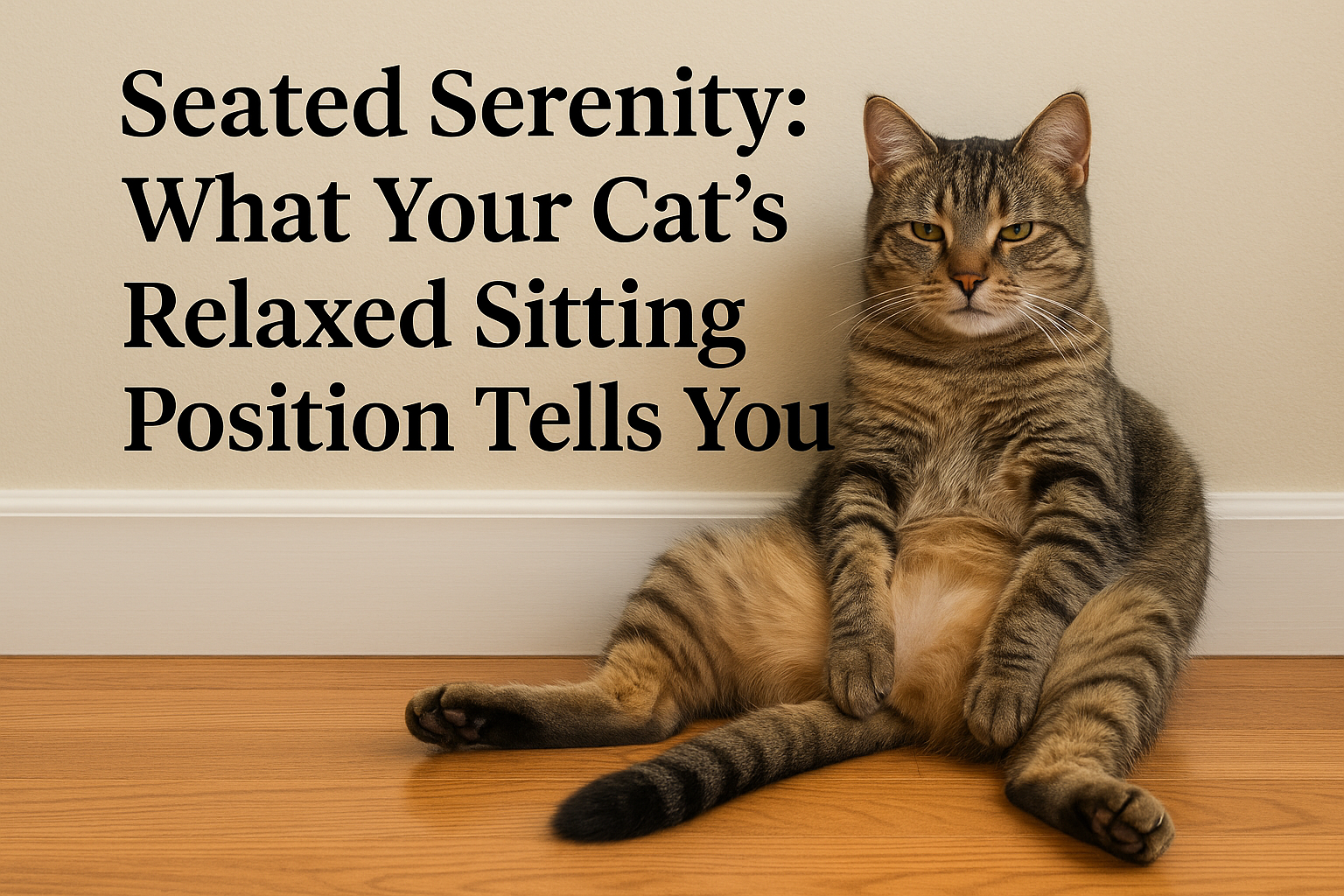
When a cat sits sideways with its belly exposed, it’s displaying trust. This relaxed position indicates that the cat feels secure and is comfortable around its humans or other pets.
Cross-legged Sit
Occasionally, you may see a cat sitting with its legs crossed or extended to one side. This position may look awkward but is a sign that the cat is comfortable in its space. It’s also an indication that they are enjoying the moment—nothing is a concern to them at the moment.
Why Cats Choose Specific Places to Sit
Cats have their reasons for picking their preferred sitting spots, which can vary based on individual personality, environmental factors, and social structure. Here’s a look into why your cat may choose a specific spot:
Social Dynamics
Cats are generally solitary animals, which means their social interactions are different from those of dogs or other pack animals. Despite their independent nature, cats do form social bonds, and their choice of sitting location often reflects this:
-
- Proximity to Humans: If a cat sits close to its human, it indicates affection and attachment. It may also be observing or seeking warmth.
-
- Territorial Behavior: Cats are territorial; they may choose to sit in areas they perceive as theirs to establish dominance.
-
- Preference for Company: Cats in multi-pet households may prefer to sit near or with other cats or animals they are comfortable with.
Temperature Preferences
Cats love warmth, which is why they gravitate towards sunny spots or cozy spaces. A bedroom window that gets ample sunlight becomes a favorite sitting location, while a chair near a fireplace or radiator is also sought after. As temperatures cool down, cats might seek warmth from their humans, cuddling up for that heat and comfort.
Viewing Opportunities
Cats are natural observers and often prefer places that allow them to survey their territory. They will seek out elevated positions or windowsills where they can watch the outside world, including birds, squirrels, and passersby. It’s essential for their mental stimulation and satisfies their hunting instincts.
Decoding Your Cat’s Sitting Behaviors
Understanding your cat’s sitting behaviors gives you valuable insight into their mood, needs, and instincts. Here are some interpretations of common sitting behaviors:
What If Your Cat Stops Sitting On You?
If your cat suddenly shows a disinterest in sitting on you, it might simply be due to seasonal changes, stress, or health issues. Keep an eye on their overall behavior. If you notice signs of distress or discomfort, consult your veterinarian.
Encouraging Positive Sitting Behaviors
Encouraging your cat to sit in desired areas can lead to improved harmony at home. Providing cozy, designated sitting areas like cat beds or blankets can meet your cat’s comfort needs. Use treats or play to direct them towards these areas, reinforcing positive behavior.
The Bonding Experience of Sitting
For many cat owners, the experience of having a cat sit on their lap or beside them is rewarding. This behavior signifies affection and connection between both animals and humans. Here’s what makes it special:
-
- Trust Building: A cat sitting on you is a testament to their trust. It means they feel safe in your presence.
-
- Creating Routine: A shared sitting time can become a cherished routine, enhancing your bond. Creating quiet moments together fosters a sense of companionship.
-
- Physical Comfort: The warmth of a cat purring on your lap can be incredibly comforting and therapeutic, providing stress relief and promoting relaxation.
Conclusion
Understanding your cat’s sitting behaviors sheds light on their instincts, emotional needs, and personality traits. From the classic sit to the playful loaf, each position tells a story about how your cat feels and perceives the world around them. By recognizing the nuances in their sitting habits, you can foster a deeper bond with your feline friend, ensuring they feel loved, secure, and understood. Always pay attention to the subtle changes in their behaviors, as it will provide you with better insight into their well-being.
FAQs
1. Why does my cat sit on my laptop or keyboard?
Your cat might sit on your laptop or keyboard to be close to you, seek warmth, or gain your attention. It’s often a way to ensure you’re focused on them rather than your work!
2. Is it normal for cats to sit with their backs toward me?
Yes, when a cat sits with its back to you, it often means they feel safe and secure in your presence. It’s also a sign of comfort and trust, as they can still observe their environment.
3. Should I discourage my cat from sitting on specific furniture?
If you want to keep your cat off certain furniture, provide alternative comfortable spaces and use gentle redirection. Avoid negative reinforcement, as this can create stress or anxiety.
4. How can I make my cat feel more comfortable sitting in a new area?
Introduce cozy bedding, scratchers, or toys to the new area. Spend quality time there with them, encouraging exploration and play to create a positive association.
5. Can sitting too much be harmful to my cat?
While resting and sitting are normal behaviors, ensure that your cat has plenty of opportunities to play and exercise. A sedentary lifestyle can lead to obesity and health issues, so combo lounging with playtime for a balanced routine.