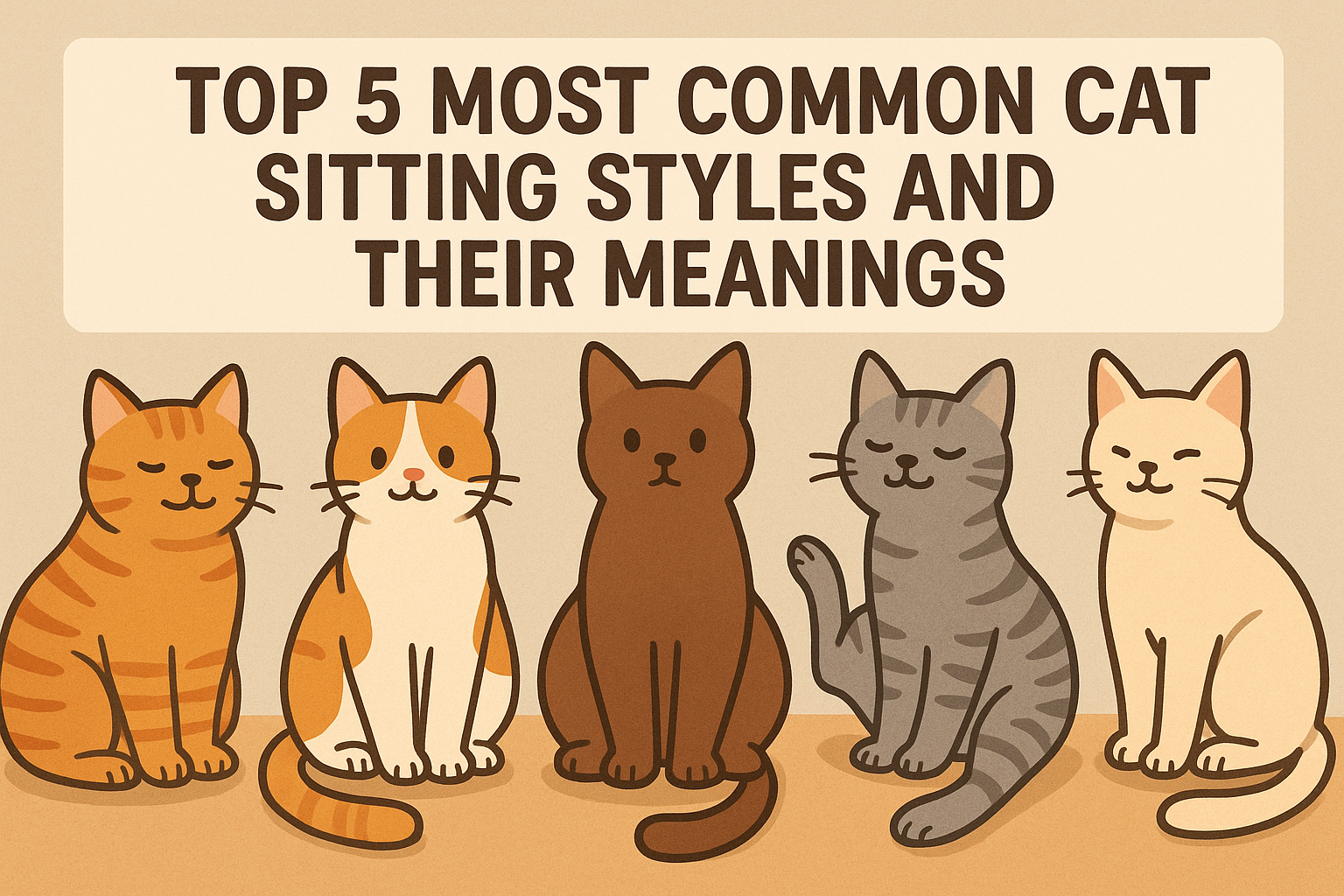
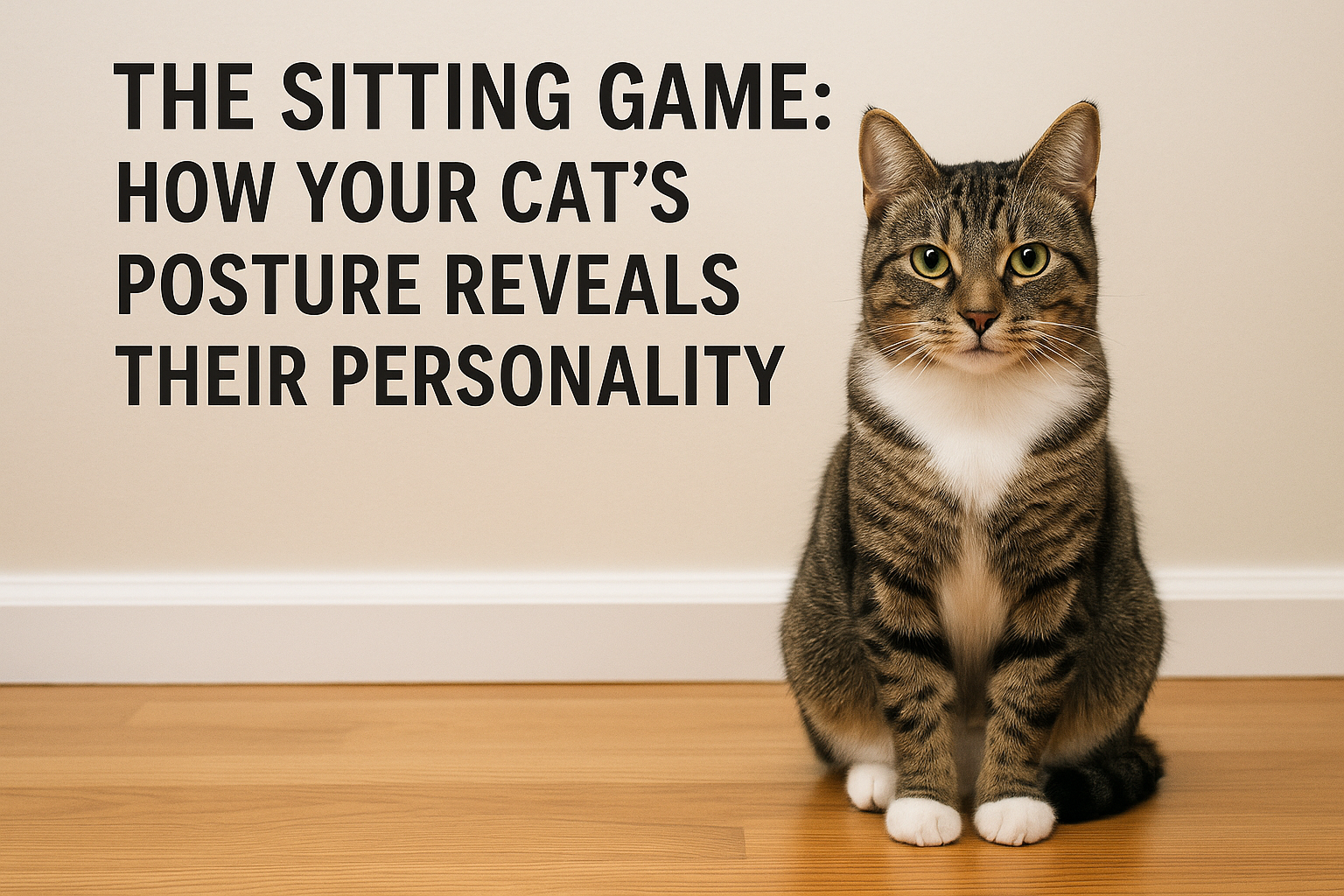
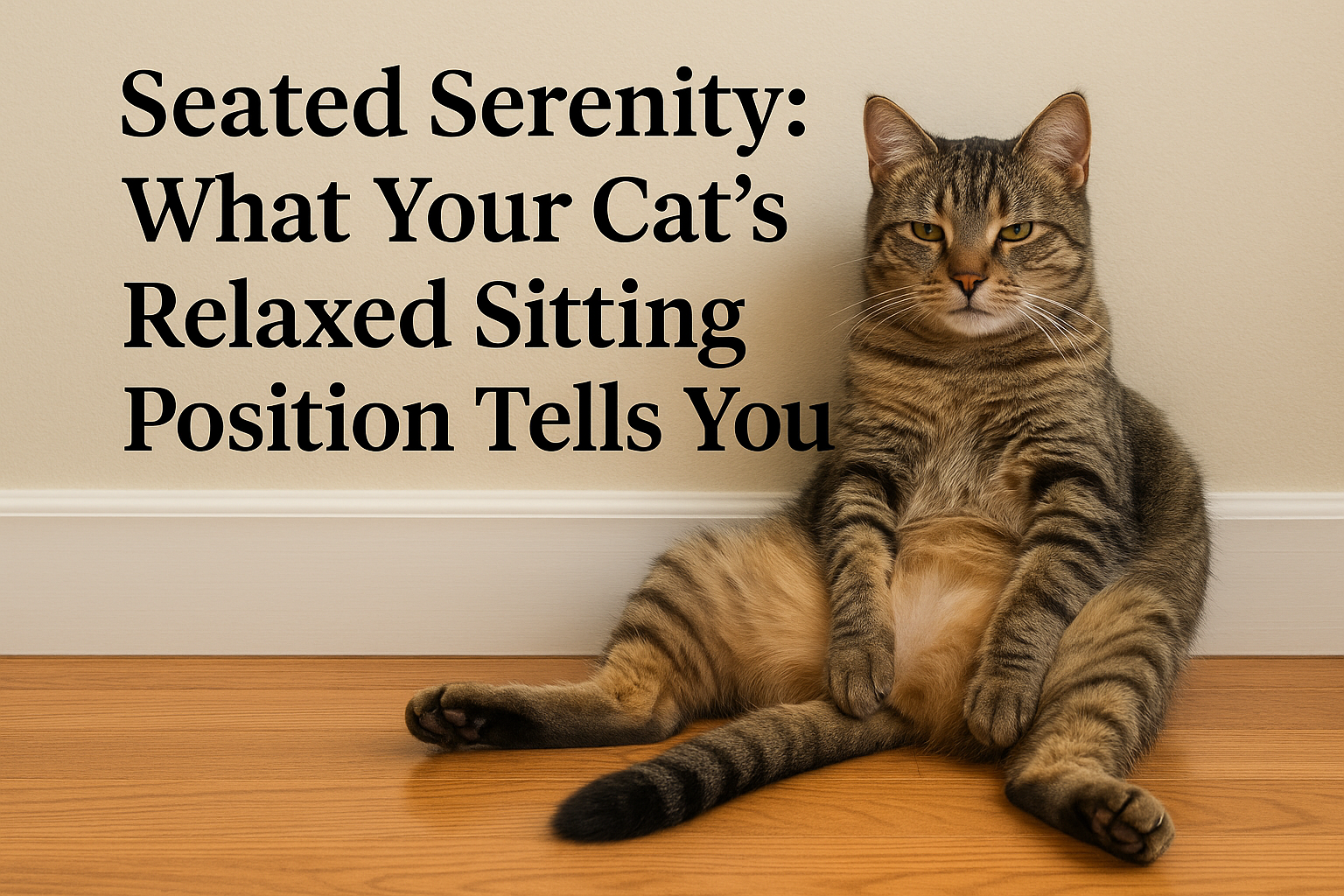
Seated Serenity: What Your Cat’s Relaxed Sitting Position Tells You
Cats are fascinating creatures with a rich tapestry of behavior and communication styles. From the way they pounce on their toys to the method by which they groom themselves, every action reveals a snippet of their personality. One equally telling aspect of a cat’s behavior is its various sitting positions. Understanding the meanings behind these relaxed stances provides insight into our feline friends’ emotional states and overall well-being.
The Importance of Body Language in Cats
Cats can’t speak human languages, but they communicate extensively through their body language. Each posture, movement, and facial expression conveys a feeling or state of being. Paying attention to these cues can help cat owners better comprehend their pets’ needs, desires, and emotions. While lying down might mean relaxation, a certain sitting position might indicate a mixture of comfort, alertness, or even curiosity.
Common Relaxed Sitting Positions and Their Meanings
The Classic ‘Sphinx’ Position
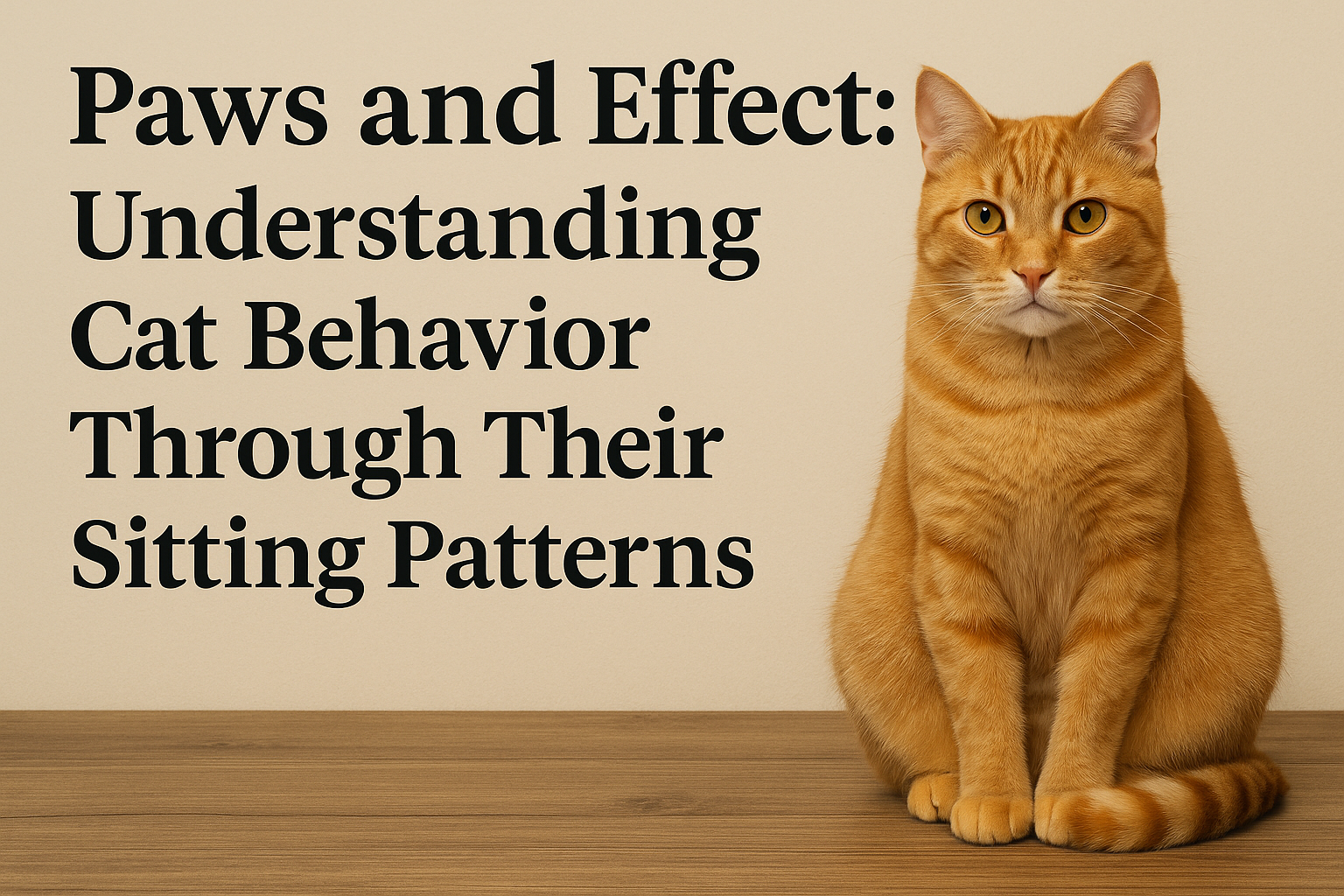
When your cat sits with its front paws tucked under its body and its head slightly raised, this is often referred to as the ‘sphinx’ position. In this posture, cats appear both relaxed and alert, suggesting they are comfortable in their surroundings but still ready to spring into action if necessary.
The Relaxed ‘Loaf’ Position
In the ‘loaf’ position, a cat sits upright with its body entirely tucked under its legs. This position indicates that the cat feels safe and secure. A loafing cat often appears content and may even drift into a light sleep while maintaining this posture. It’s one of the most often seen positions when cats are in a relaxed environment.
The Side Sit
When a cat sits on its side, it may initially seem unusual. However, this posture is a sign of extreme comfort and trust. A cat in the side sit position often exposes its belly, indicating that it feels safe enough to show vulnerable areas to others. This position is usually a signal that your pet is at ease and trusting of those in its environment.
The Crouched Position
A cat that adopts a crouched sitting position—where the hind legs are bent, and the front legs are thrust forward—is often showing a state of ambivalence. This can indicate both relaxation and readiness to jump into action. Commonly seen when a cat is observing something intently, such as an intriguing bird outside, this position suggests a mix of safety and alertness.
The Tail Wrapped Around the Body
When a cat sits curling its tail around its front paws or body, it amplifies a sense of security and warmth. It’s akin to wrapping oneself in a cozy blanket. This position implies that the cat feels content, and it might be taking the opportunity to bask in its own comfort. Some experts interpret this as a cat wrapping itself in a protective barrier, promoting feelings of safe solitude.
The Paws in the Air Position
Occasionally, you might catch your cat sitting with its front paws up in the air, almost like a child in a stretching pose. Although it may seem peculiar, this is often a sign of relaxation and trust. Cats in this position are signaling that they are comfortable enough to expose their vulnerable paws without fear, emphasizing that they feel safe in their environment.
Factors Influencing a Cat’s Sitting Position
Environment
The environment plays a monumental role in shaping a cat’s behavior. Factors such as the presence of other animals, humans, or sounds can influence their comfort level. For example, a cat lounging in a sunny spot by a window may choose a loaf position, basking in calm serenity, while a cat in a bustling household might adopt a more alert posture like the sphinx position.
Health and Well-being
A cat’s physical health has a significant impact on its body language. If your feline friend is experiencing discomfort, they may avoid their typical relaxed postures. Cats in pain may adopt unusual positions or exhibit signs of anxiety. Regular check-ups with a veterinarian can help ensure that your cat maintains a state of well-being, contributing to its relaxed demeanor.
Stress and Anxiety
Like humans, cats can experience stress and anxiety. Changes in their environment, such as moving to a new home or introducing a new pet, can cause them to alter their sitting styles. A stressed cat may avoid completely letting go by perching in a guarded position instead of nestled comfortably. Therefore, providing a tranquil environment can help a cat feel more relaxed and settle into its natural sitting positions.
Understanding Your Cat’s Veterinary History and Behavior
Understanding the factors that influence your cat’s behavior extends beyond merely observing sitting positions. Considerations of veterinary history, such as previous injuries or health conditions, play an important role. If you notice a significant change in your cat’s typical postures, it may be wise to consult a veterinarian to rule out any underlying issues.
Encouraging Relaxation in Your Cat
Creating a Safe Space
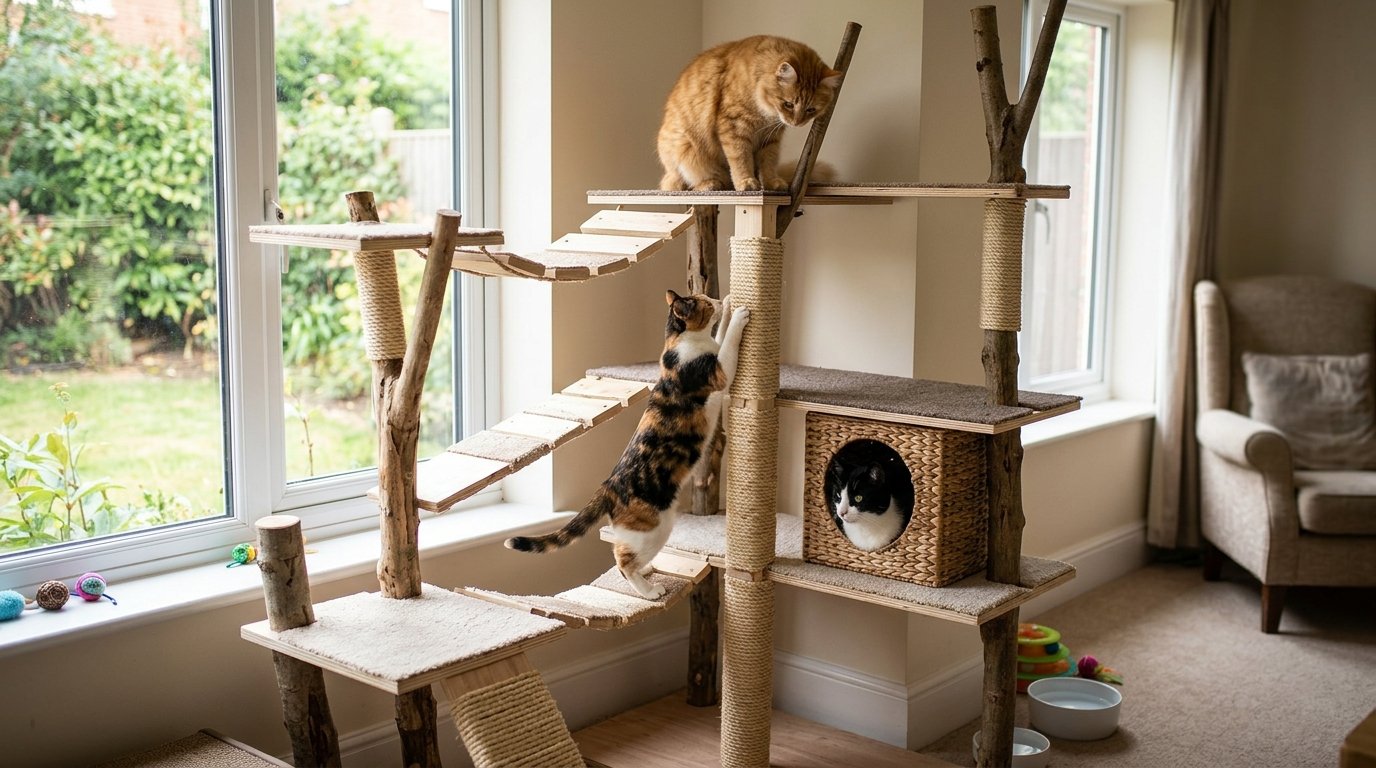
To encourage your feline companion to adopt more relaxed positions, provide them a safe and cozy environment. Designate quiet areas stocked with soft bedding where they can retreat when they want to unwind. Cat trees and hiding spaces can offer an excellent combination of comfort and security, allowing your cat to feel at ease.
Interactive Play and Engagement
Regular interactive play helps cats reduce stress and fosters relaxation. Engaging them with toys that stimulate their hunting instincts provides both mental and physical exercise, contributing positively to their overall behavior. A well-exercised cat is more likely to display relaxed body language as it settles into a comforting position, indicating that they are content.
Routine and Consistency
Creating a consistent routine can also help your cat feel more secure. Maintaining regular feeding, playtime, and sleeping schedules instills a sense of normalcy, promoting relaxation. Cats thrive on routine, and predictable interactions with their humans can encourage them to display those blissful lounging positions when they feel at ease.
Conclusion
Understanding your cat’s relaxed sitting positions offers valuable insights into their emotional state, comfort level, and overall happiness. By paying attention to these subtle cues, you can nurture your feline relationship and ensure that your cat is happy, healthy, and stress-free. Creating a loving and understanding environment will make it easier to decode your cat’s unique body language as they gracefully transition between their various comfortable sitting positions.
FAQs
1. Why does my cat sit with its back to me?
Your cat sitting with its back to you is usually a sign of trust. Cats feel secure enough to relax when they trust their owners. They are also often in a position to keep an eye on their surroundings.
2. Is it normal for my cat to change its sitting position frequently?
Yes, cats often change their sitting positions based on their comfort levels with their environment, energy levels, and overall mood. Variability in positions is typically normal behavior.
3. My cat seems to sit awkwardly; should I be concerned?
If your cat is consistently adopting unusual or uncomfortable-looking sitting positions, it may be a sign of discomfort or pain. Observational changes in bathing behavior or reluctance to move around may warrant a veterinary consultation.
4. How can I tell if my cat is stressed based on its sitting position?
A stressed cat might favor guarded positions like crouching or avoiding lying down completely. If you notice these behaviors along with other stress indicators (like hiding or excessive grooming), it may be beneficial to address the environmental causes.
5. Should I be worried if my cat doesn’t sit in any relaxed positions?
If your cat is avoiding relaxed postures altogether, it may be an indication of stress, discomfort, or anxiety. Observing their body language and behaviors for changes, and consulting with a veterinarian if necessary, can help assess their emotional and physical health status.