Top 5 Most Common Cat Sitting Styles and Their Meanings
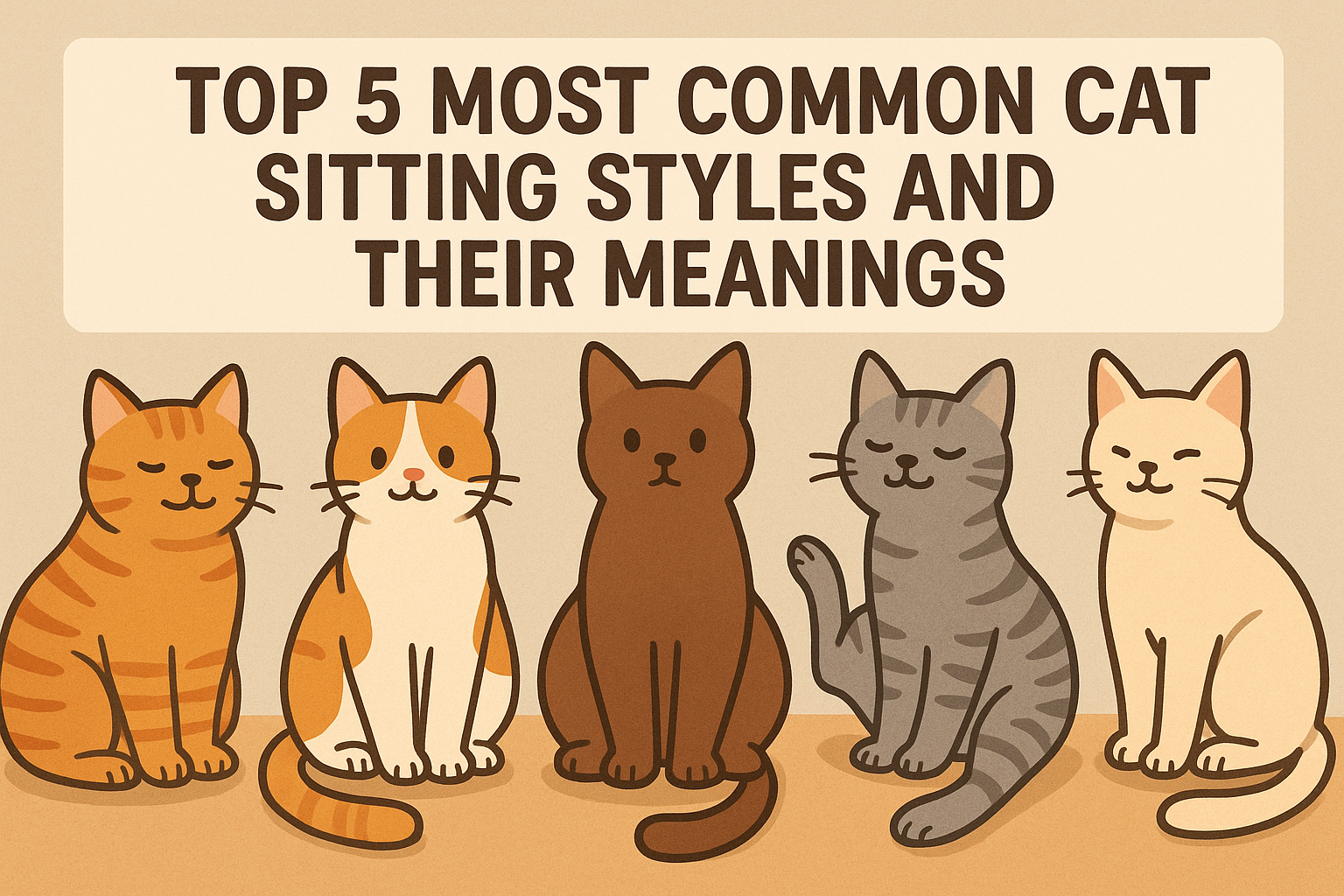
Cats have a wide array of fascinating behaviors and habits, one of which is their unique sitting styles. The way a cat sits can offer insight into its mood, level of comfort, and even health. Understanding these signals allows cat owners to strengthen their bond with their feline companions. In this article, we’ll explore the top five most common cat sitting styles, their meanings, and what they indicate about your cat’s emotional state.
1. The Classic Sit
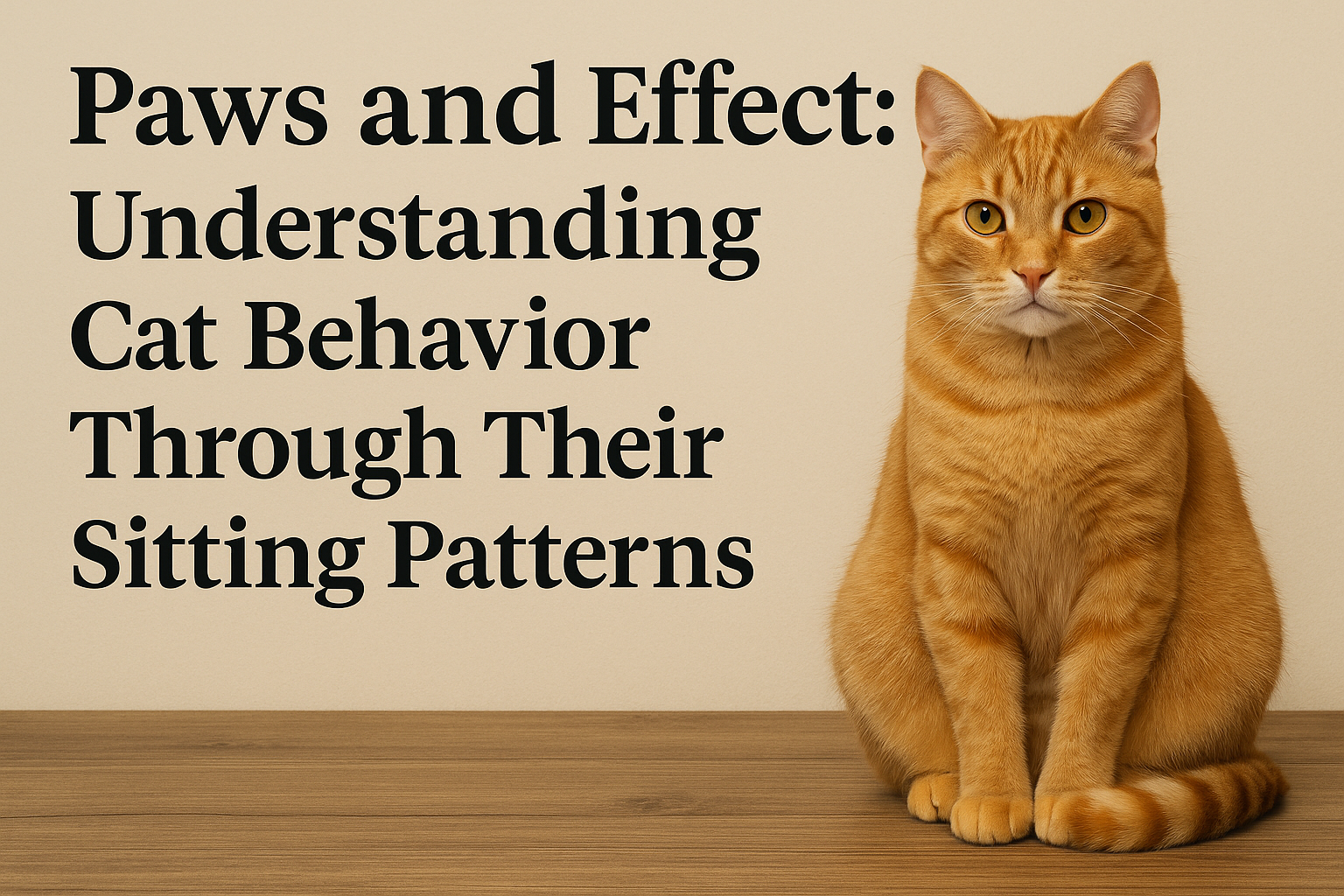
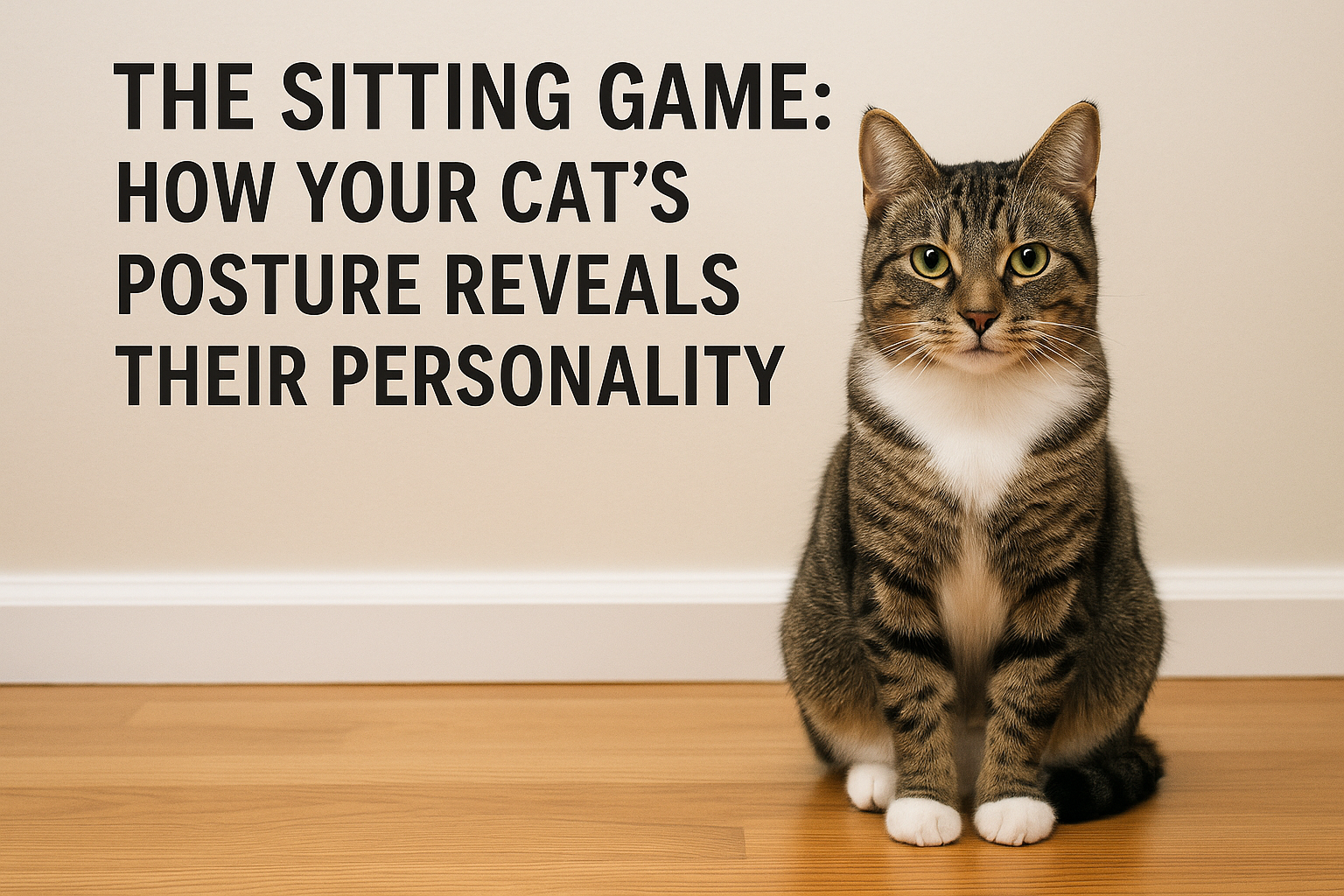
The classic cat sitting style often involves the cat sitting upright with its back straight and paws neatly tucked under its body. This position is a quintessential cat pose, one many owners will recognize. When a cat adopts this posture, it typically conveys a sense of attentiveness and alertness.
Meaning:
-
- Alertness: A classic sit indicates that the cat is observing its surroundings and is ready to pounce at any moment.
-
- Comfort: The cat feels safe in its environment, exhibiting a calm demeanor.
-
- Confidence: This position is often assumed by confident cats who feel no immediate threats in their surroundings.
Understanding Your Cat’s Mood:
If your cat is frequently found sitting in this position, it might mean they are content and confident. However, if you notice them frequently looking around nervously, you might need to assess their environment for potential stressors or intruders.
2. The Loaf Sit
The loaf sit, also known as ‘the bread loaf’ position, is when a cat tucks its paws under its body and sits upright, resembling a loaf of bread. This position is incredibly adorable and often makes for a perfect Instagram moment.
Meaning:
-
- Relaxation: A cat in a loaf position is typically feeling relaxed and comfortable.
-
- Safety: By tucking its paws underneath, the cat is protecting its vulnerable extremities, showing a sense of safety.
-
- Cautiousness: Cats may adopt this position if they are feeling cautious or slightly insecure but still want to remain aware of their surroundings.
Understanding Your Cat’s Mood:
If your cat prefers the loaf sit, it suggests a secure environment. A loafing cat is often content; however, if this position changes frequently during the day, keep an eye out for signs of anxiety or stress.
3. The Side Sit
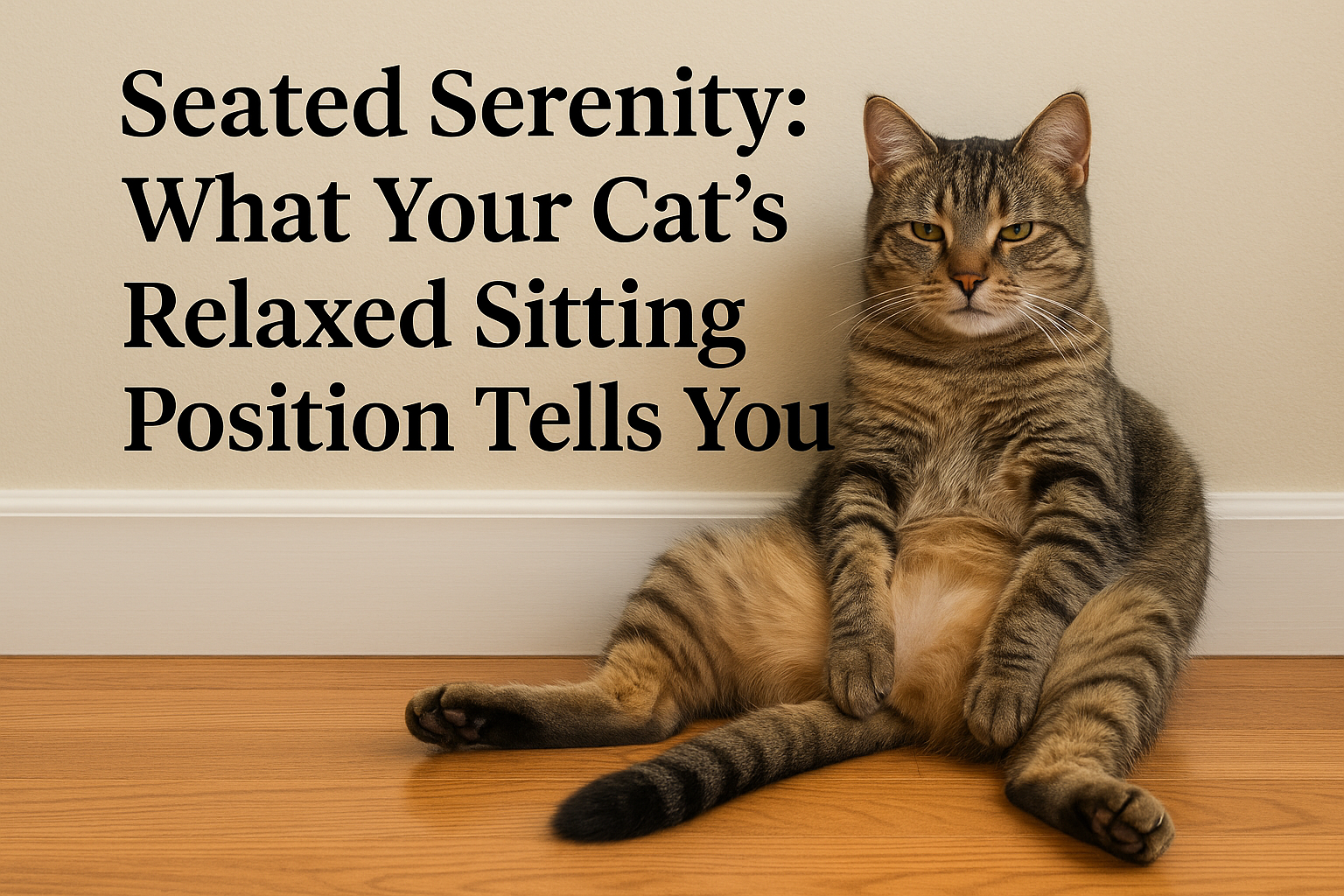
The side sit is a posture where a cat sits with its body angled or even flat against the surface on which it sits. The cat may stretch out its legs to one side, allowing a full view of its surroundings while still being in a semi-relaxed state.
Meaning:
-
- Laid-back Attitude: This position often indicates that a cat is relaxed and comfortable.
-
- Curiosity: The side sit allows the cat to keep an eye on its environment while also suggesting playful curiosity.
-
- Social Interaction: Cats may adopt this posture when they feel social and wish to interact with their human companions or other pets.
Understanding Your Cat’s Mood:
A cat that often sits in a side position is likely feeling calm and relaxed, enjoying a laid-back environment. This position indicates that they may be open to interaction but are still in a position to observe their space.
4. The Crouched Sit
Meaning:
- Predatory Instinct: This position indicates that the cat’s hunting instincts are engaged, perhaps because they see something interesting.
- Alertness: A crouched cat is often very alert, signifying readiness for action, whether that be pouncing on a toy or escaping a perceived threat.
- Anxiety: At times, this posture may indicate anxiety or fear, especially if the cat retreats to this position when startled.
Understanding Your Cat’s Mood:
When you see your cat embracing a crouched sit, it may suggest excitement or hunting behavior. However, ensure that it’s not an anxious position, particularly if your pet remains in that posture for too long without transitioning to a more relaxed pose.
5. The Backward Sit
The backward sit is a rather quirky posture that some cats adopt. In this position, a cat sits with its back to you, often with its paws tucked underneath and tail curled around its body. Although unusual, this sitting style has its meanings.
Meaning:
- Trust: A cat that sits with its back to you indicates a high level of trust and comfort in your presence.
- Independence: This position shows that a cat is content being in its own space, enjoying its surroundings without requiring direct interaction.
- Social Cohesion: In multi-pet households, this position can indicate that the cat feels secure in its place within the social structure.
Understanding Your Cat’s Mood:
If your cat frequently sits this way, it suggests a strong bond with you. They are likely feeling relaxed and safe enough to turn their back, indicating that they trust you to protect them.
Conclusion
Understanding your cat’s sitting styles can reveal a wealth of information about their emotional state and level of comfort within their environment. By observing the nuances in these postures, you can cultivate a more profound connection with your feline companion, ensuring that their needs for safety, playfulness, and relaxation are met. Remember to remain observant and responsive to changes in their behavior, as every cat has a unique personality, and their needs may vary from day to day.
FAQs
Q1: Why do cats sit with their backs to me?
A1: When a cat sits with its back to you, it signifies trust and comfort. They feel secure in their environment and believe you are a safe presence.
Q2: What does it mean if my cat frequently changes sitting styles?
A2: Frequent changes in sitting styles could indicate varying moods or levels of comfort. Pay attention to their environment for any stressors, and ensure they feel safe.
Q3: Is there a sitting style that indicates my cat is unhappy?
A3: While there isn’t a specific sitting style that directly correlates with unhappiness, postures like the crouched sit can indicate anxiety or defensiveness. It’s essential to observe their overall behavior for signs of distress.
Q4: Do different cat breeds have different sitting styles?
A4: While all cats exhibit similar basic sitting styles, certain breeds may have unique quirks in their behavior. Each cat’s sitting position can also be influenced by its individual personality and comfort level.
Q5: How can I help my cat feel more comfortable while sitting?
A5: Ensure your cat has a safe and familiar environment with cozy places to sit. Providing enrichment, such as toys and scratching posts, can also help alleviate stress and enhance comfort.