Understanding Your Pet’s Needs: Communication and Care Tips for Every Breed
Every pet is unique and has specific needs that can vary dramatically based on breed, age, and individual personality. Understanding your pet’s needs is crucial for providing them with a loving and fulfilling environment. This guide will offer essential communication and care tips tailored to different breeds, helping you better understand your furry friends.
1. The Importance of Communication with Your Pet
Communication is a two-way street. While pets cannot talk in the human sense, they do communicate through body language, sounds, and behavior. Understanding these signals allows pet owners to respond to their needs more effectively.
Body Language
Different breeds have different ways of expressing themselves, but some universal signs include:
- Tail Position: A wagging tail usually indicates happiness, while a lowered tail may indicate fear or submission.
- Ears: Erect ears show excitement or curiosity, while flattened ears often indicate fear or aggression.
- Posture: An arched back can signify confidence, while a crouched position may indicate a defensive stance.
Vocalizations
Different breeds and animals have unique vocalizations:
- Barking: Commonly associated with dogs, the context of barking can indicate excitement, warning, or a need for attention.
- Meowing: Cats may meow to communicate with humans; the tone and length of the meow can indicate the cat’s mood.
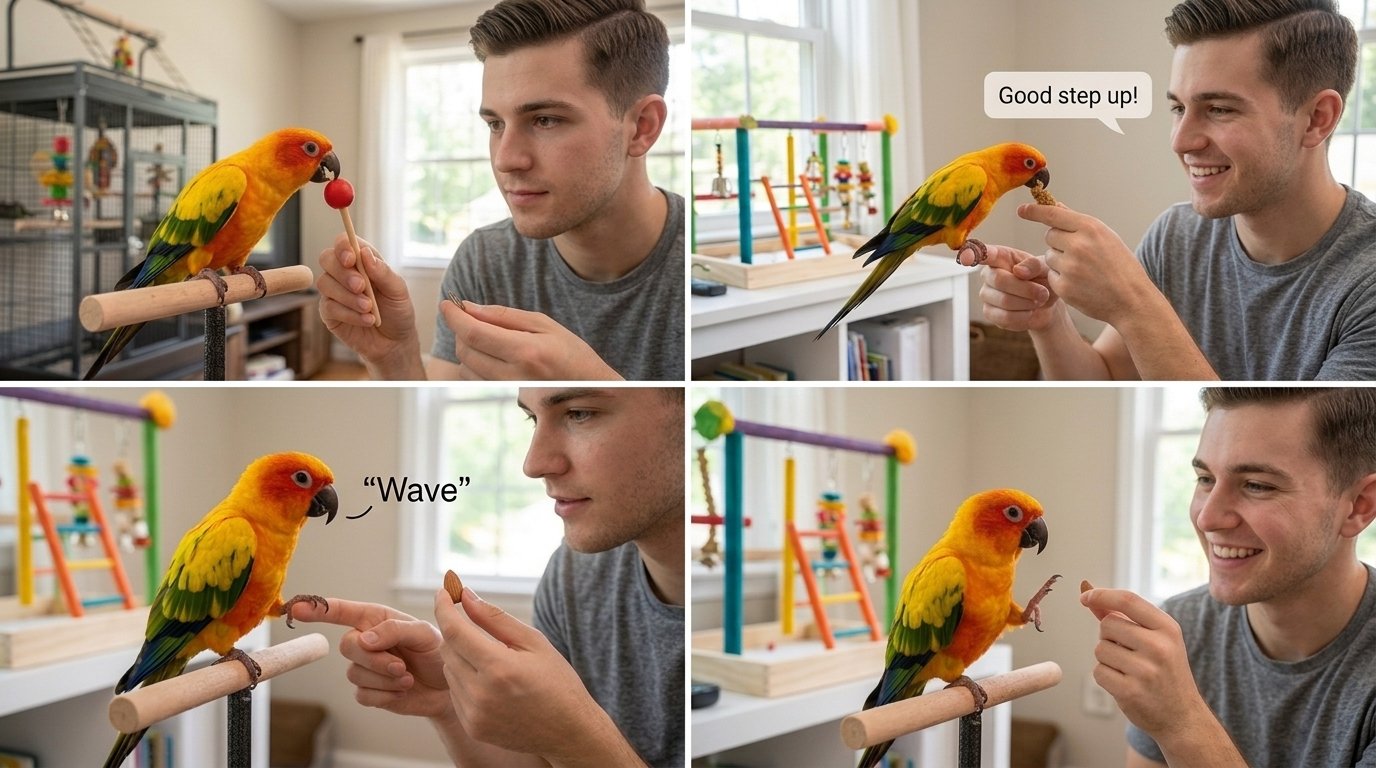
- Chirping: Some small animals, like birds, will chirp when they’re happy or trying to attract attention.
2. Care Tips for Different Breeds
While all pets deserve love and care, different breeds have specific needs that may require different approaches. Here are some care tips based on common pet categories.
Dogs
Small Breeds (e.g., Chihuahua, Pomeranian)
Small dogs often require less physical activity but can have a big personality and many specific needs:
- Provide regular socialization to prevent anxiety.
- Use harnesses instead of collars to prevent trachea damage.
- Monitor their diet carefully; they can be prone to obesity.
Medium Breeds (e.g., Beagle, Cocker Spaniel)
Medium dogs often thrive on regular exercise and mental stimulation:
- Engage them in games like fetch or agility training.
- Provide consistent training and socialization with other pets and people.
- Schedule regular vet check-ups to monitor their health.
Large Breeds (e.g., Labrador Retriever, German Shepherd)
Large dogs require more space and exercise:
- Daily walks and playtime are essential for their physical and mental health.
- Be cautious with their joint health; avoid excessive jumping and stairs during growth periods.
- Establish clear boundaries with training for good behavior in larger spaces.
Cats
Indoor Cats
Indoor cats have specific needs that differ from their outdoor counterparts:
- Provide stimulating toys to keep them entertained.
- Ensure they have a scratching post to maintain their claws and satisfy their instincts.
- Engage in playtime to prevent obesity and health issues.
Outdoor Cats
Outdoor cats tend to be more independent but still require care:
- Regular vet check-ups and vaccinations are essential to prevent diseases.
- Provide a safe haven for them to return home to.
- Keep an eye out for parasites and other health issues due to environmental factors.
Small Animals
Rabbits, guinea pigs, and hamsters also have unique needs:
- Ensure their cage is spacious enough for movement and exercise.
- Provide a balanced diet of hay, vegetables, and pellets specific to their species.
- Regular handling is essential for socialization, especially for rabbits and guinea pigs.
3. Understanding Your Pet’s Health Needs
Health needs can vary significantly between breeds and types of pets:
- Stay up-to-date on vaccinations and preventative care.
- Recognizing signs of illness early can save both you and your pet unnecessary distress.
- Regular vet visits can help tailor a health plan specific to your pet’s needs.
4. Tailoring Care to Your Pet’s Age
Your pet’s age will also dramatically change their needs:
Puppies and Kittens
Puppies and kittens need extra attention:
- Socialization is key, exposing them to different people and environments.
- Establishing a routine will help them feel secure.
- Introduce various toys to promote exploration and play.
Adult Pets
Adult pets are typically more settled:
- Regular exercise and stimulation are essential to keep them active and happy.
- Eat healthily and maintain weight to avoid obesity-related issues.
- Regular check-ups should continue for optimal health.
Senior Pets
Senior pets require more specialized care:
- Look for signs of arthritis or general discomfort when they move.
- Consider dietary changes to support aging bodies.
- Provide comfortable bedding and lower energy activities.
Conclusion
Understanding and caring for your pet’s needs is a rewarding experience that requires attention, patience, and love. Each breed has its unique traits and specifications, but with the right knowledge, you can create a nurturing environment for your furry friends. Regular communication through observation, tailored care strategies based on breed and age, and proactive health management are essential components that contribute to your pet’s overall well-being.
FAQs
1. How do I know if my pet is happy?
A happy pet will display positive behavior; they may wag their tail, exhibit playful behavior, and show affection towards you. Regular interaction and play can also indicate contentment.
2. What should I include in my pet’s diet?
A balanced diet contains appropriate proportions of proteins, fats, carbohydrates, vitamins, and minerals. Consult with your veterinarian for a diet tailored specifically to your pet’s needs.
3. How often should I take my pet to the vet?
Routine vet visits should happen at least once a year. However, puppies, kittens, senior pets, or pets with ongoing health issues may require more frequent check-ups.
4. Can I train my pet at home?
Yes! Many pets can be trained at home using positive reinforcement techniques. Be patient and consistent, and don’t hesitate to consult a professional trainer if needed.
5. What signs indicate my pet is unwell?
Signs of illness can include changes in appetite, unusual lethargy, vomiting, diarrhea, coughing, or changes in behavior. If you notice any of these signs, consult your veterinarian immediately.