Pet Food Myths Busted: What Every Pet Owner Should Know
As a pet owner, providing the best nutrition for your furry (or scaly) companion is a priority. However, there are many misconceptions surrounding pet food that can lead to poor dietary choices. This article aims to dispel those myths and provide crucial information about pet nutrition.
Myth 1: Grain-Free Diets Are Healthier for Pets
Grain-free diets have gained popularity in recent years, but the truth is that grains are not the enemy. In fact, many pets can thrive on a diet that includes grains such as rice, oats, and barley. These whole grains provide essential nutrients and can contribute to digestive health. The use of a grain-free diet is particularly concerning, as some studies have linked these diets to heart disease in dogs.
Myth 2: Dogs and Cats Are Strict Carnivores
While it’s true that dogs and cats have evolved from carnivorous ancestors, they are not strictly carnivorous. Dogs are omnivores and can digest plant material. Cats are obligate carnivores, requiring animal proteins but can also benefit from the nutrients found in certain fruits and vegetables. A balanced diet for your pet should include a variety of both animal and plant-based ingredients.
Myth 3: Home-Cooked Meals Are Always Better
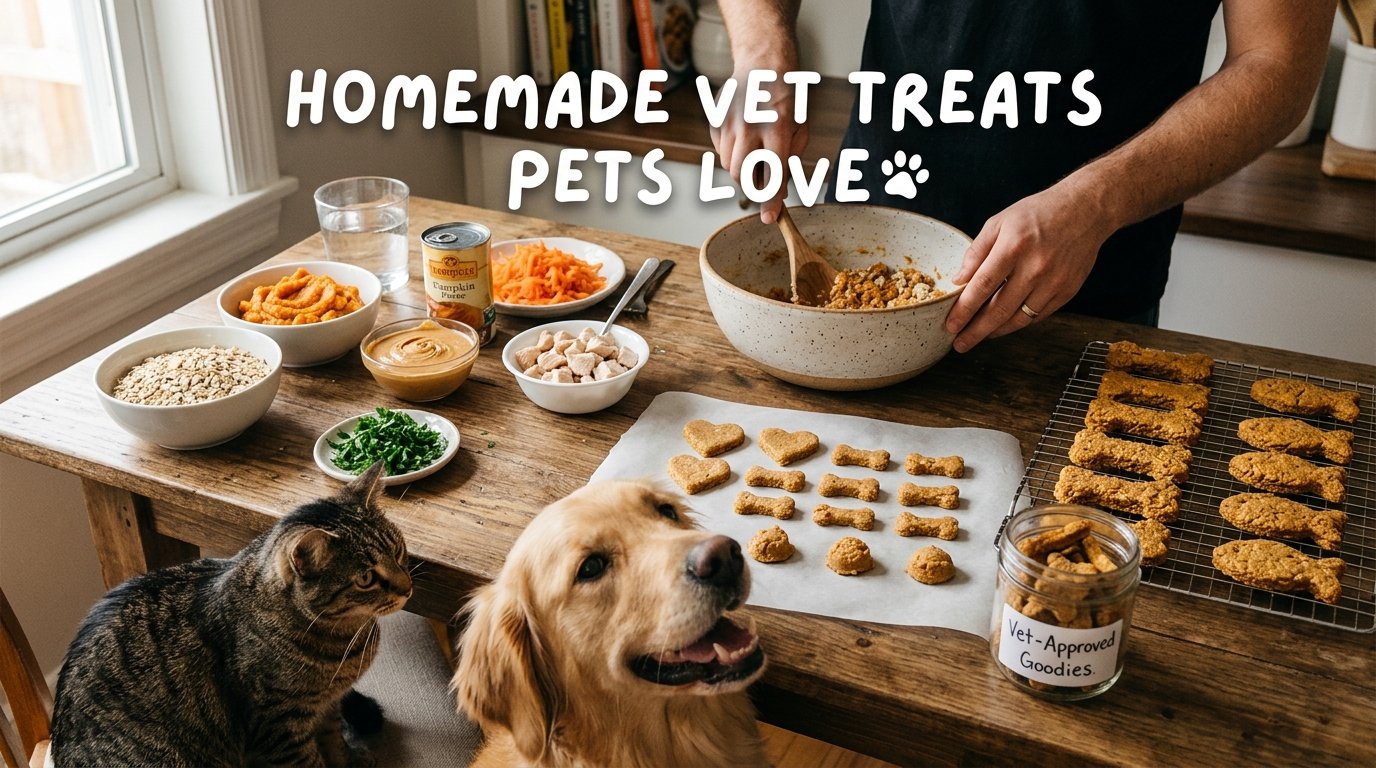
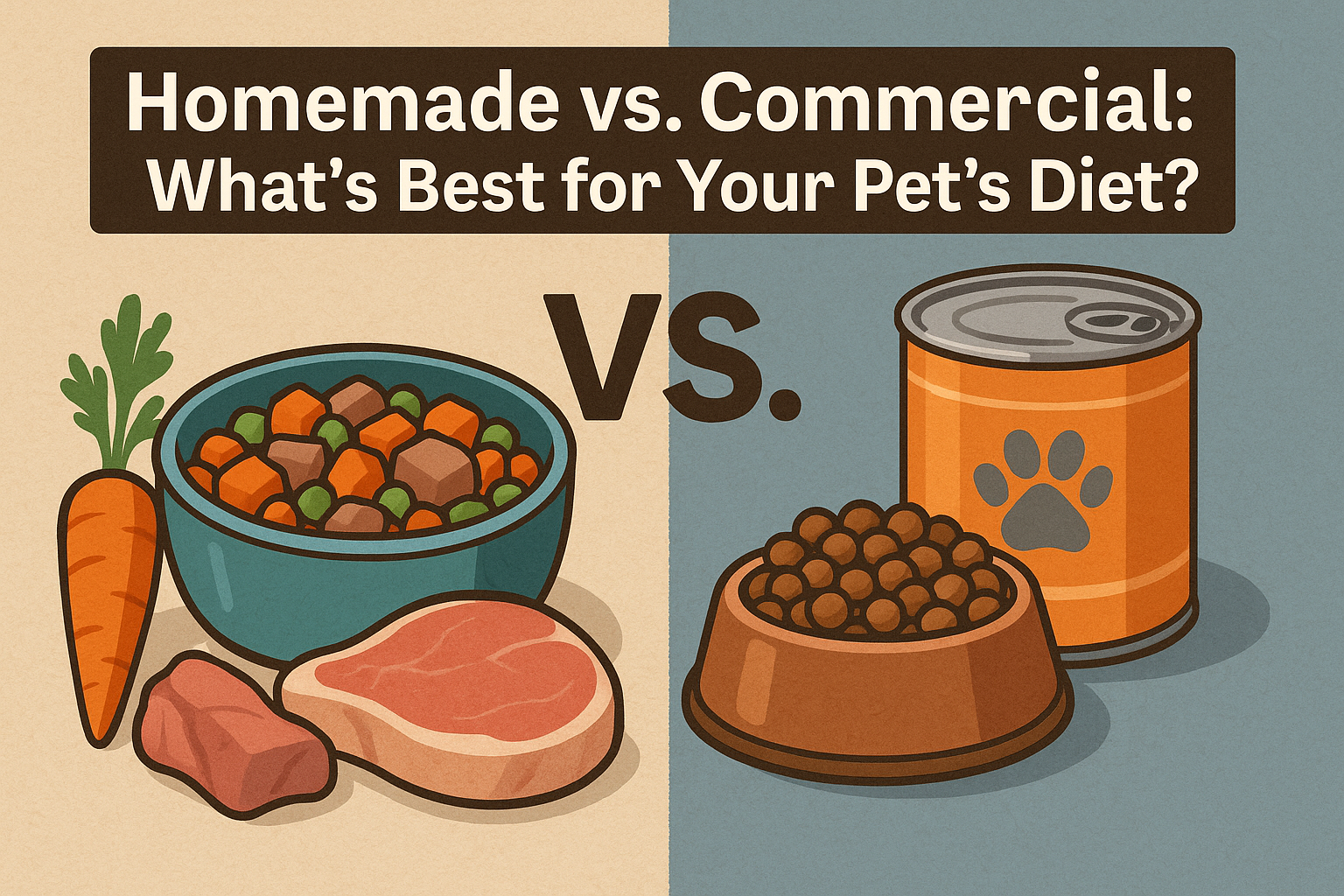
While knowing exactly what goes into your pet’s meals can be comforting, home-cooked diets can sometimes lack essential nutrients. It’s easily possible to miss out on important vitamins and minerals if the meals aren’t properly balanced. Pet food manufacturers undergo rigorous testing to ensure their products are nutritionally complete, so home-cooked meals should only be considered with guidance from a veterinarian or a pet nutritionist.
Myth 4: All Human Food is Bad for Pets
This is a nuanced statement. While some human foods can be toxic to pets (like chocolate, grapes, and onions), many others can be perfectly safe and even beneficial. For instance, carrots, blueberries, and certain lean meats can be great treats. However, portion control and moderation are vital, and it’s essential to research what is safe and what isn’t before sharing your food with your pet.
Myth 5: Raw Diets Are Best for Pets
Raw diets often attract fervent advocates, but they also come with significant risks. Raw meat can carry harmful bacteria like Salmonella or Escherichia coli, which can be harmful to both pets and humans. Furthermore, it can be challenging to balance a raw diet properly, potentially leading to nutritional deficiencies. Consult with your veterinarian before switching to a raw feeding regimen.
Myth 6: Cheap Food Is Just as Good as Premium Brands
The price of pet food can often reflect its quality. Premium pet foods generally contain higher-quality ingredients and more stringent manufacturing processes. While you don’t always have to buy the most expensive brand, it’s crucial to consider the quality of the ingredients listed on the label. Less expensive brands may use fillers and low-quality ingredients, which don’t provide adequate nutrition for your pet.
Myth 7: All Pets Need to Eat the Same Food
Every pet is unique, and their dietary needs can differ based on age, breed, health conditions, and activity levels. A one-size-fits-all approach to pet food can lead to obesity or nutritional deficiencies. It’s vital to tailor your pet’s diet to their specific needs and consult with a veterinarian if you’re unsure about what’s best.
Myth 8: Pets Eat Grass to Induce Vomiting
Many pet owners witness their dogs and cats munching on grass and assume they’re trying to throw up. While some pets do vomit after eating grass, the majority of them eat it out of boredom or because they enjoy the taste. Grass can also aid in digestion and provide trace nutrients, but if your pet is regularly eating large amounts of grass and frequently vomiting, a veterinarian visit is recommended.
Myth 9: Pet Food Labels are Fully Regulated and Accurate
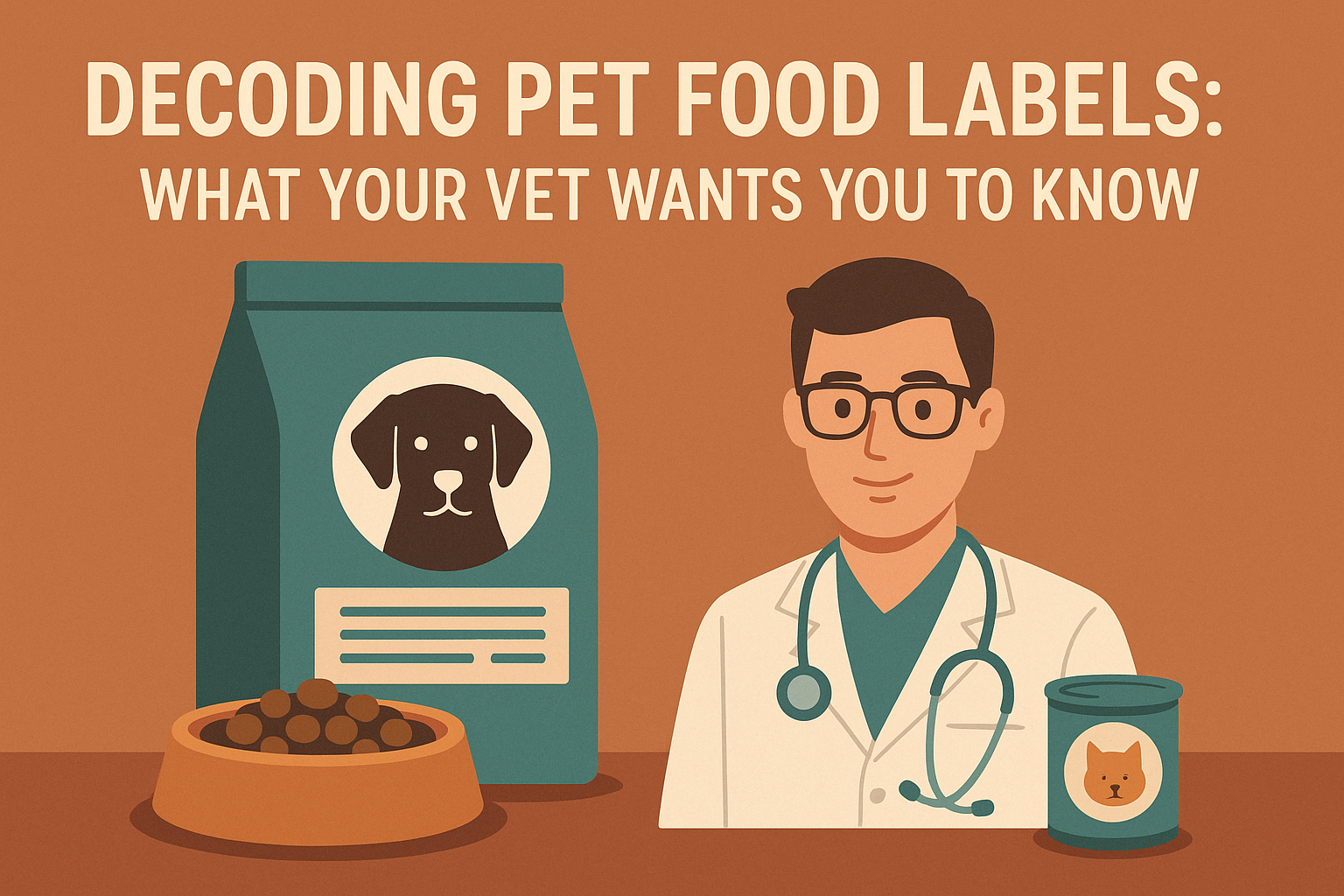
While there are regulations in place regarding pet food labeling, not all claims are strictly enforced. Terms like “natural,” “holistic,” or “premium” can be subjective and may not always indicate a high-quality product. Pet owners should scrutinize ingredient lists for specific nutrient sources instead of relying on marketing jargon.
Myth 10: Pets Know What They Should and Shouldn’t Eat
Pets often lack the natural intuition to choose the right foods for their health. For instance, dogs may happily consume sweets or rich foods that can lead to serious health problems. It’s the responsibility of pet owners to provide balanced and nutritious diets and to monitor treats and table scraps to ensure they’re safe.
Conclusion
Understanding the truth behind these myths is vital for proper pet care. By providing a well-rounded diet tailored to each individual pet’s needs and avoiding widely-held misconceptions, you can enhance your pet’s health and well-being. Educating yourself and consulting your veterinarian will better equip you to make informed dietary decisions for your beloved companion.
FAQs
1. What ingredients should I look for in pet food?
Look for high-quality protein sources listed as the first ingredient, whole grains, and vegetables without artificial preservatives or fillers.
2. How can I tell if my pet is overweight?
Check your pet’s waistline. You should be able to see a slight tuck just behind their ribs. If you can’t feel their ribs easily or they don’t have a defined waist, consult your vet.
3. How often should I feed my pet?
Feeding schedules can vary. Adult dogs typically do well with two meals a day, while puppies may require more frequent feeding. Cats generally prefer smaller, more frequent meals throughout the day.
4. Can I mix wet and dry food for my pet?
Yes! Mixing wet and dry food can provide the benefits of both textures. Just ensure the overall nutritional balance is maintained and adjust serving sizes accordingly.
5. Should I switch my pet’s diet frequently?
It’s typically better to maintain a consistent diet unless advised by a veterinarian. Sudden changes can lead to digestive upset. If you need to switch, do so gradually over a week or more.