Healthy Pets, Happy Lives: Nutrition and Wellness Tips for Pet Parents
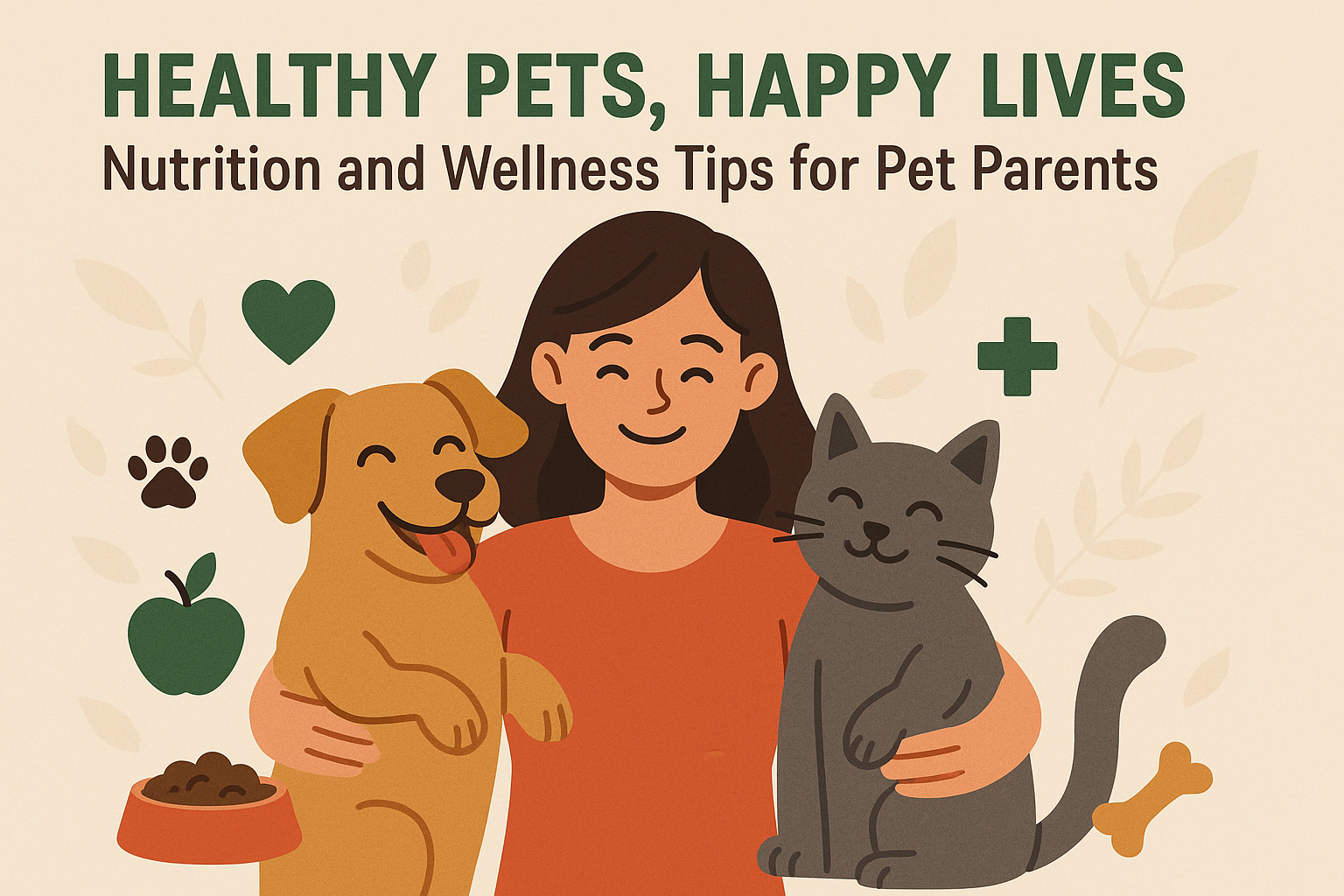
As pet parents, we strive to provide the best care we can for our furry companions. A crucial part of this care revolves around understanding their nutritional needs and overall wellness. Just like us, pets thrive on a balanced diet and a healthy lifestyle. This article delves into nutrition, exercise, veterinary care, and mental well-being to ensure our pets lead happy and healthy lives.
Understanding Your Pet’s Nutritional Needs
Nutrition is the cornerstone of your pet’s health. The right diet can prevent many health issues, keep their energy levels high, and ensure their overall happiness.
The Importance of Balanced Diets
A balanced diet for pets typically includes:
- Proteins: Essential for growth, maintenance, and energy; sources include meat, fish, and legumes.
- Fats: Provide energy and promote healthy skin and fur; important sources include fish oil and chicken fat.
- Carbohydrates: Offer energy and help digestive health; include grains and vegetables.
- Vitamins and Minerals: Required for various bodily functions; can be found in fruits, vegetables, and fortified pet foods.
Age-appropriate Nutrition
Your pet’s nutritional needs will change over its lifespan. Here’s a general guideline:
- Puppies and Kittens: Require high-protein, high-calorie diets for rapid growth.
- Adult Pets: Benefit from maintenance diets that support steady health.
- Senior Pets: Need low-calorie, easily digestible food with added joint support and vitamins.
Choosing the Right Pet Food
The plethora of pet food options can be overwhelming. Here are guidelines for selecting the best food for your pet:
Read Ingredients Labels
Look for high-quality protein sources at the top of the ingredient list. Avoid foods with fillers such as corn and soy, and those that include artificial preservatives.
Consult Your Veterinarian
Your vet can provide personalized advice based on your pet’s age, breed, activity level, and any existing health issues.
Portion Control and Feeding Schedule
Overfeeding can lead to obesity, which can expose your pet to various health risks including diabetes and joint issues. Here’s how to manage feeding:
Determine Caloric Needs
Every pet requires a specific amount of calories based on its weight and age. Use your veterinarian’s guidelines or available pet nutrition calculators to determine this.
Establish a Feeding Routine
Regular feeding schedules help regulate your pet’s metabolism. Typically, two meals per day is ideal for adult dogs, while cats can thrive on several smaller meals a day.
Hydration: The Unsung Hero of Pet Health
Water is crucial for your pet’s overall health as it regulates body temperature, aids in digestion, and facilitates nutrient absorption.
Encouraging Water Intake
Ensure fresh water is available at all times. Some pets may prefer running water, so consider investing in a pet water fountain to encourage hydration.
Physical Activity and Exercise
Alongside a balanced diet, regular physical activity is vital for maintaining your pet’s health.
Daily Exercise Guidelines
Different pets require varying levels of activity:
- Dogs: Generally need at least 30 minutes to 2 hours of exercise daily, depending on their size and breed.
- Cats: Engage them through interactive play for 20-30 minutes each day, utilizing toys and chasing exercises.
Types of Activities
Consider incorporating a mix of activities to keep them engaged:
- Walks: Great for dogs and encourage bonding time.
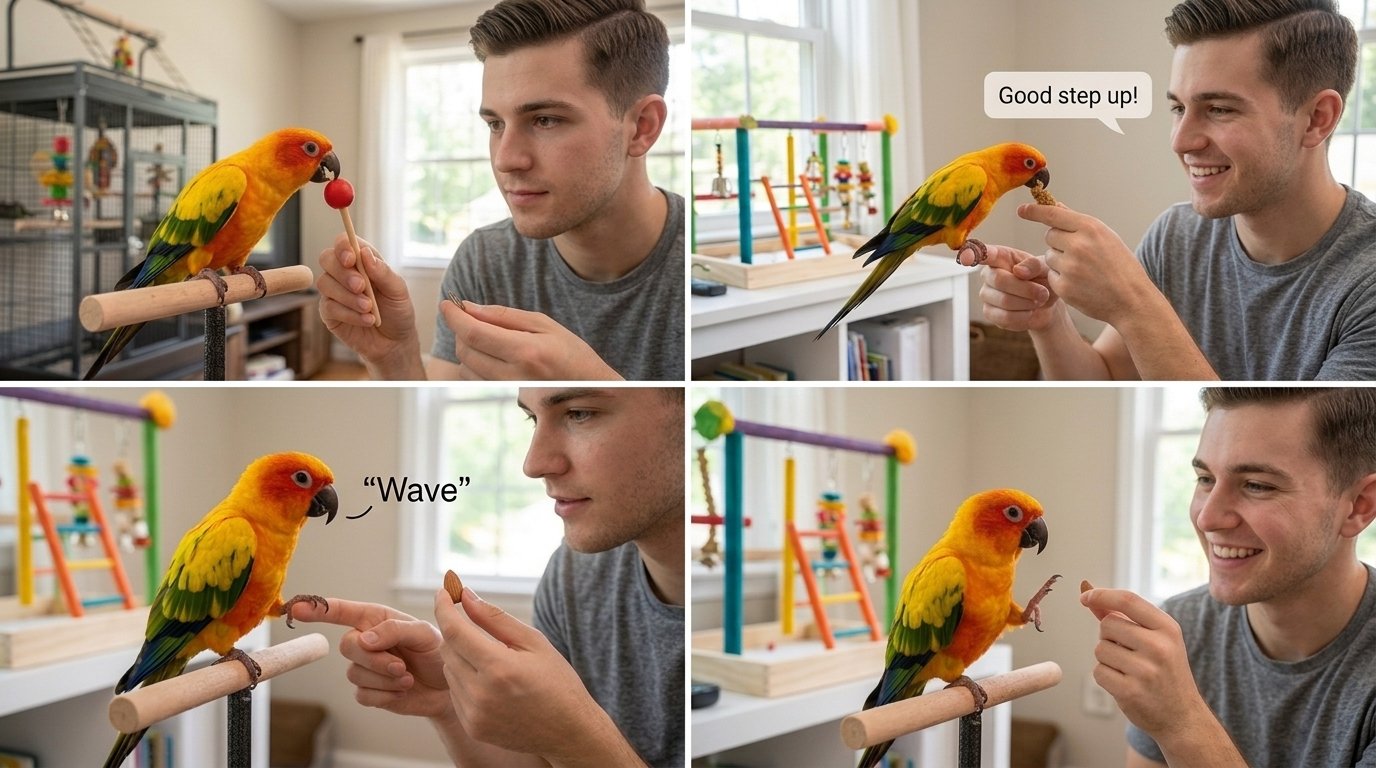
- Training Sessions: Sessions not only stimulate their brains but can also strengthen your bond.
- Playdates: Socialization with other pets can provide both mental and physical stimulation.
Regular Veterinary Care
Routine check-ups are essential to prevent disease and maintain overall health. Regular visits can help detect issues before they become serious.
Vaccinations and Preventive Care
Ensure that your pets keep up with vaccinations and preventative treatments such as flea, tick, and heartworm medications.
Dental Health
Oral health is often overlooked, yet it’s integral to your pet’s wellness. Regular teeth brushing, dental treats, and routine vet checks can prevent periodontal disease.
Mental Well-being: More Than Just a Healthy Diet
Mental stimulation is as important as physical activity. Engaging and enriching your pet’s environment can reduce anxiety and prevent destructive behaviors.
Enrichment Activities
- Interactive Toys: Puzzle feeders and toys can stimulate your pet’s mind during solo play.
- Training Exercises: Continue to teach new commands and tricks, which keeps their minds sharp.
- New Experiences: Introduce your pet to new scents, sights, and sounds to keep them curious and engaged.
Grooming and Aesthetics
Regular grooming is not only about aesthetics – it’s also about health. Keeping your pet clean can help prevent skin conditions and similar health issues.
Grooming Essentials
Consider these grooming practices:
- Brushing: Regular brushing helps remove dirt, debris, and excess fur while preventing matting.
- Bathing: Bathing frequency depends on the pet’s coat type and lifestyle; most pets can benefit from a bath every few months.
- Nail Clipping: Regularly check and trim your pet’s nails to prevent discomfort and movement issues.
Conclusion
Providing a happy and healthy life for your pets requires commitment, knowledge, and love. From understanding their dietary needs to ensuring they have ample opportunities for exercise, mental stimulation, and proper veterinary care, every aspect contributes to their well-being. Remember, the happiness of your pet aligns closely with their health. As responsible pet parents, we hold the power to give our pets fulfilling and enriching lives.
Frequently Asked Questions (FAQs)
1. How do I know if my pet is overweight?
Check if you can feel your pet’s ribs without excess fat covering. If your pet has a noticeable belly and a lack of waistline, consult your veterinarian for a tailored diet and exercise plan.
2. Are all human foods safe for pets?
No, some foods like chocolate, onions, garlic, and grapes are toxic to pets. Always research or consult your vet before sharing human food with your pets.
3. How often should I take my pet to the vet?
Ideally, pets should have annual check-ups, but senior pets or those with health issues may require more frequent visits. Always follow your veterinarian’s recommendations.
4. What are signs of a healthy pet?
A healthy pet typically has a shiny coat, bright eyes, a healthy appetite, normal weight, and is active. Behavioral signs include being sociable and playful.
5. How can I tell if my pet is dehydrated?
Signs of dehydration include lethargy, dry gums, sunken eyes, and loss of skin elasticity. Ensure your pet always has access to fresh water and consult a veterinarian if you suspect dehydration.