From Sunbeams to Lap Warmers: The Science Behind Cat Sitting Habits
Cats are fascinating creatures, known for their quirky behaviors and unique personalities. One of the most endearing behaviors exhibited by our feline friends is their sitting habits. From curling up in a sunbeam to sprawling across your lap, a cat’s choice of sitting is often intentional and informed by a range of factors including comfort, warmth, and territorial instincts. In this article, we will explore the science and reasoning behind why cats sit where they do.
The Importance of Location
When observing cats, one might notice their choice of places to sit seems quite deliberate. Cats often select locations based on safety, warmth, and visibility.
Safety
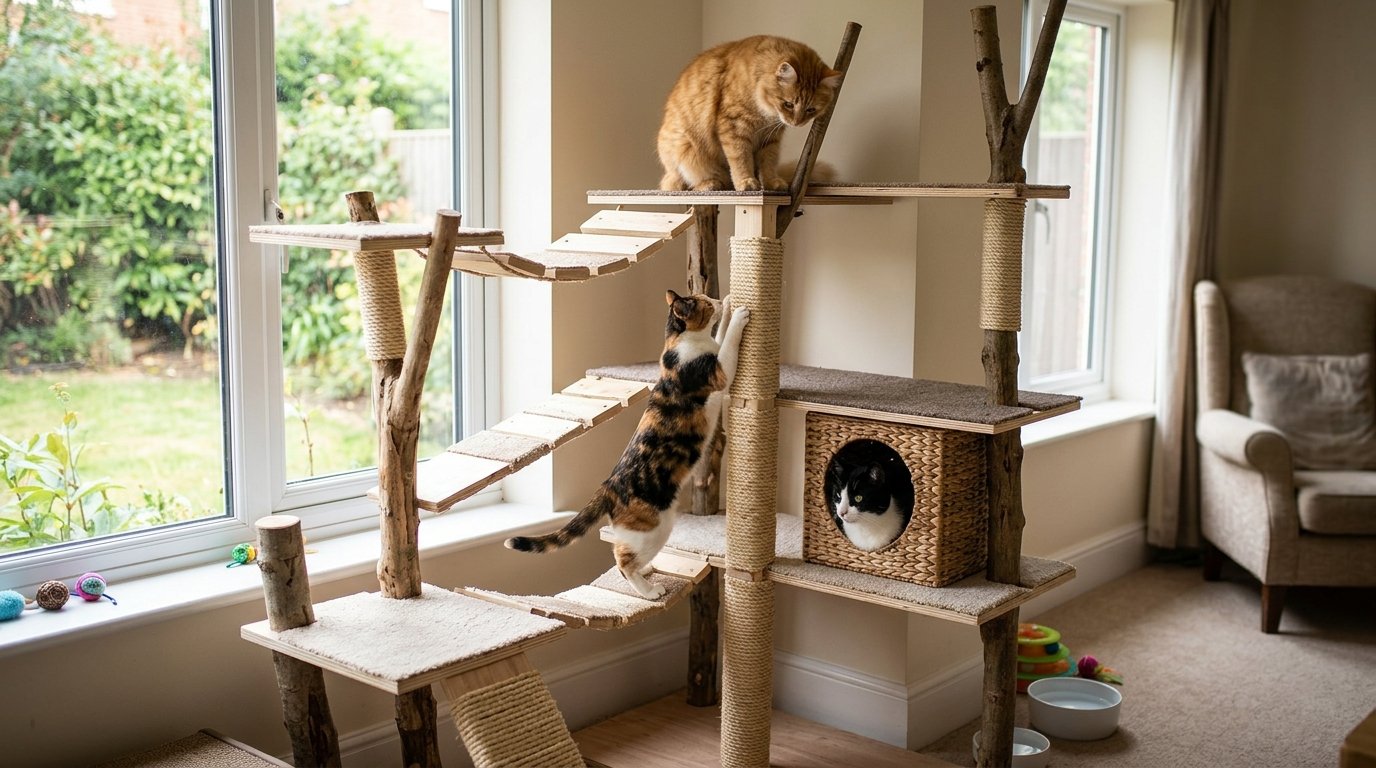
In the wild, a cat’s natural predator is any larger animal, meaning safety is a key concern for them. Cats tend to choose locations that allow them to survey their surroundings while remaining hidden from potential threats. This instinct shapes their behavior even when they are domestic pets. A cat may prefer to sit in a high spot like a shelf or a cat tree, allowing them to keep an eye on their domain while feeling safe.
Temperature Regulation
Another primary factor influencing a cat’s sitting behavior is temperature regulation. Cats are known for seeking out warm locations. Sunbeams, for instance, serve as a perfect spot for basking. Research shows that cats have a higher body temperature than humans, averaging around 102°F (39°C). Therefore, they are naturally drawn to warm places to help them maintain an optimal body temperature, especially as they age or during colder months.
Visibility and Territory
Cats are territorial animals. They often prefer to sit in spots where they can observe their surroundings. A spot on the back of a couch, for example, allows them to watch over their territory while also having quick access to escape if necessary. This behavior is deeply rooted in their instincts as predators and prey and can often dictate where they feel most comfortable.
The Appeal of Sunlight
Sunlight has long been associated with comfort and relaxation for cats. Beyond simple warmth, the sun has several positive benefits for felines.
Vitamin D Absorption
Much like humans, cats benefit from sunlight exposure, which promotes Vitamin D synthesis. Though cats can also obtain Vitamin D from their diet, sunlight provides an additional source that supports overall health. Sitting in sunbeams helps cats obtain this vital nutrient naturally, improving their mood and wellbeing.
Behavioral Responses to Sun Exposure
The warmth of the sun can relax a cat, leading to a mental state that encourages playfulness and tranquility. This natural behavior is not just about comfort but also about ensuring their physical and mental health. Like humans drawn to sunny spots, cats exhibit an instinctive response to sunlight that enhances their quality of life.
Lap Sitting: Affection or Ownership?
For cat owners, nothing is more heartwarming than having a cat choose to sit on their lap. But what drives this behavior? Is it affection, territoriality, or a mixture of both?
Comfort and Affection
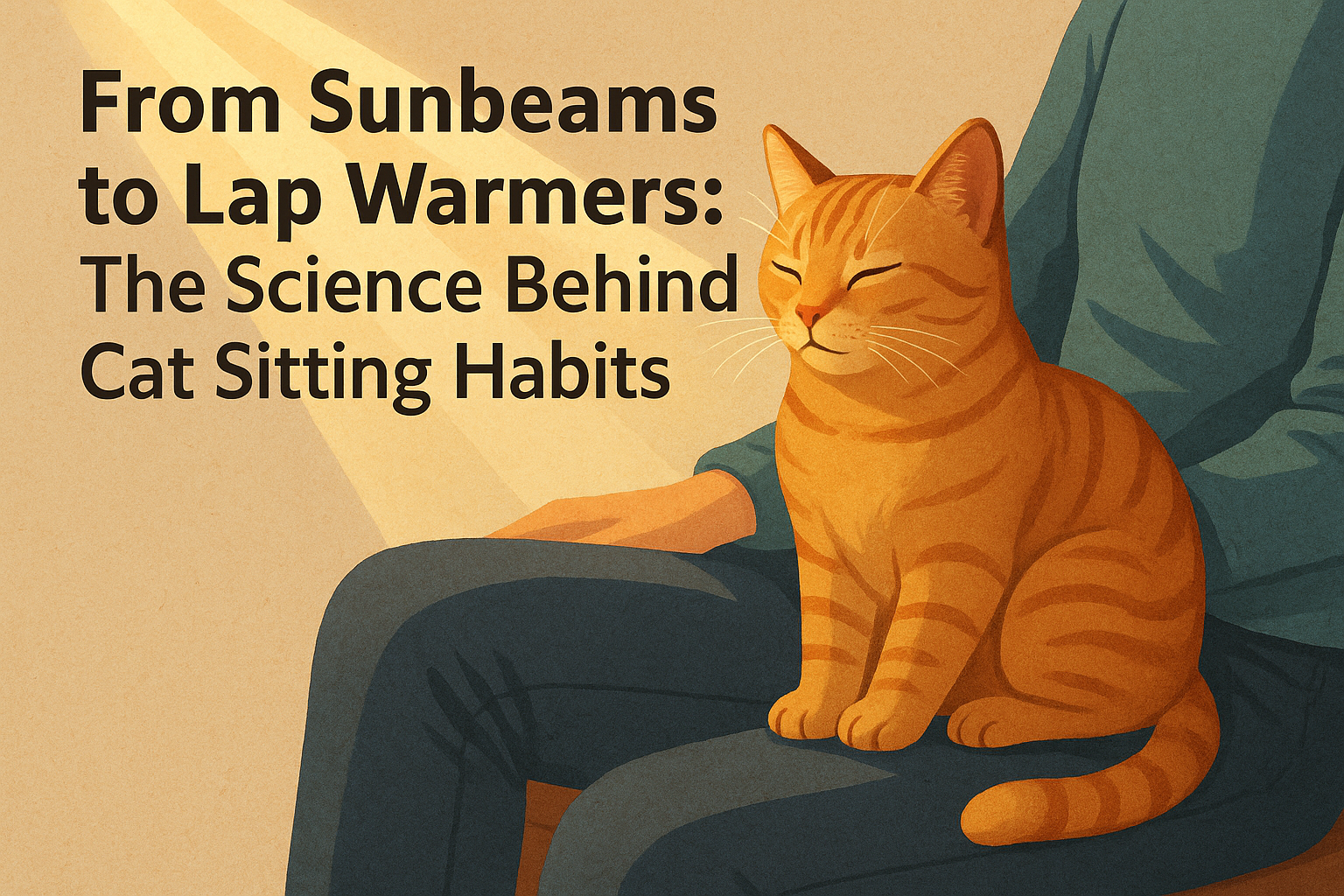
When a cat sits on your lap, they often seek comfort and warmth. The temperature of a human’s lap can be ideal for a cat. Additionally, many cat owners establish close bonds with their pets. When a cat chooses to sit on a lap, it’s often a sign of affection and trust towards their owner, who has become a safe space in their territory.
Claiming Territory
Contrary to the purely affectionate explanation, some experts argue that when a cat sits on your lap, it is indicating ownership. Cats possess a strong desire to mark their territory, and by sitting on their human, they may be effectively communicating their bond and marking you as part of their domain. It serves both functional and emotional purposes: they get comfort and assert their status in their territory.
Social Factors Influencing Sitting Habits
Cats are influenced not just by their innate behaviors but also by their environments and the human factors within them. Socialization and interaction with other pets can affect a cat’s choice of sitting spots.
Companionship with Other Pets
In homes with multiple pets, a cat may choose sitting locations based on the presence of other animals. Cats often seek comfort in proximity to their housemates but may avoid areas where they feel threatened or crowded. For instance, if a dog is lying on the couch, a cat might opt for a sunny windowsill instead.
Owner Presence and Behavior
Cats are highly attuned to human behavior and emotions. If a human is relaxed and calm, a cat is more likely to sit close. Conversely, if a human is arguing or stressed, a cat may retreat to a secluded area for comfort. Owners set the social tone of the house, and a cat’s sitting habits might reflect their response to the household dynamics.
Cultural Influences on Cat Sitting Habits
Beyond physical and emotional comfort, cultural factors also impact feline behavior. This includes perceptions of cats, how they are cared for, and how they behave around humans.
Human Interaction
Cats that receive a lot of affection and play are often more social around humans. This socialization can be essential to their comfort. Indoor cats, accustomed to human companionship, may prefer sitting near their owners as a form of engagement. Therefore, early experiences with humans can crucially shape a cat’s preference for lap sitting or staying at a distance.
Habitat and Environment
The domestic environment significantly influences where cats sit. Homes with multiple furniture structures, such as shelves and cat trees, provide more opportunities for exploration and choice. In contrast, cramped spaces may limit a cat’s options and compel them to stick to certain preferred spots.
Conclusion
Understanding the factors behind a cat’s sitting habits can enhance the bond between a cat and its owner. From safety and warmth to demonstrating affection and territorial behavior, these animals exhibit a unique blend of instincts and social influences that guide their choices. Whether curled up in a sunbeam or accessing their favorite perch for a better view of their surroundings, cats are consistently engaging with their environment in ways that fulfill their needs. By observing and nurturing their preferences, we can appreciate the complexity of their behaviors and improve their quality of life.
FAQs
1. Why does my cat follow me around and then sit away from me?
Your cat may enjoy your company but prefer a location where they feel safe. Their independent nature means they might want to be near you physically but choose their comfort over constant closeness.
2. Is it normal for cats to prefer sitting in certain spots?
Absolutely! Cats are creatures of habit and often develop preferences based on comfort, security, and familiarity with specific places.
3. Why do some cats like to sit on the highest furniture?
High vantage points provide cats a sense of safety and control. It allows them to observe their surroundings while feeling secure and hidden from potential threats.
4. Should I encourage my cat to sit on my lap?
If your cat shows interest in sitting on your lap, it is generally a sign of affection and trust. Encouraging this behavior can strengthen your bond, but always respect their preferences and allow them the space they need.
5. What should I do if my cat won’t sit near me?
Patience is key. Create a calm and welcoming environment. Sometimes, just spending time in proximity can help them feel more comfortable approaching you. Providing cozy sitting spots nearby can also encourage them.