
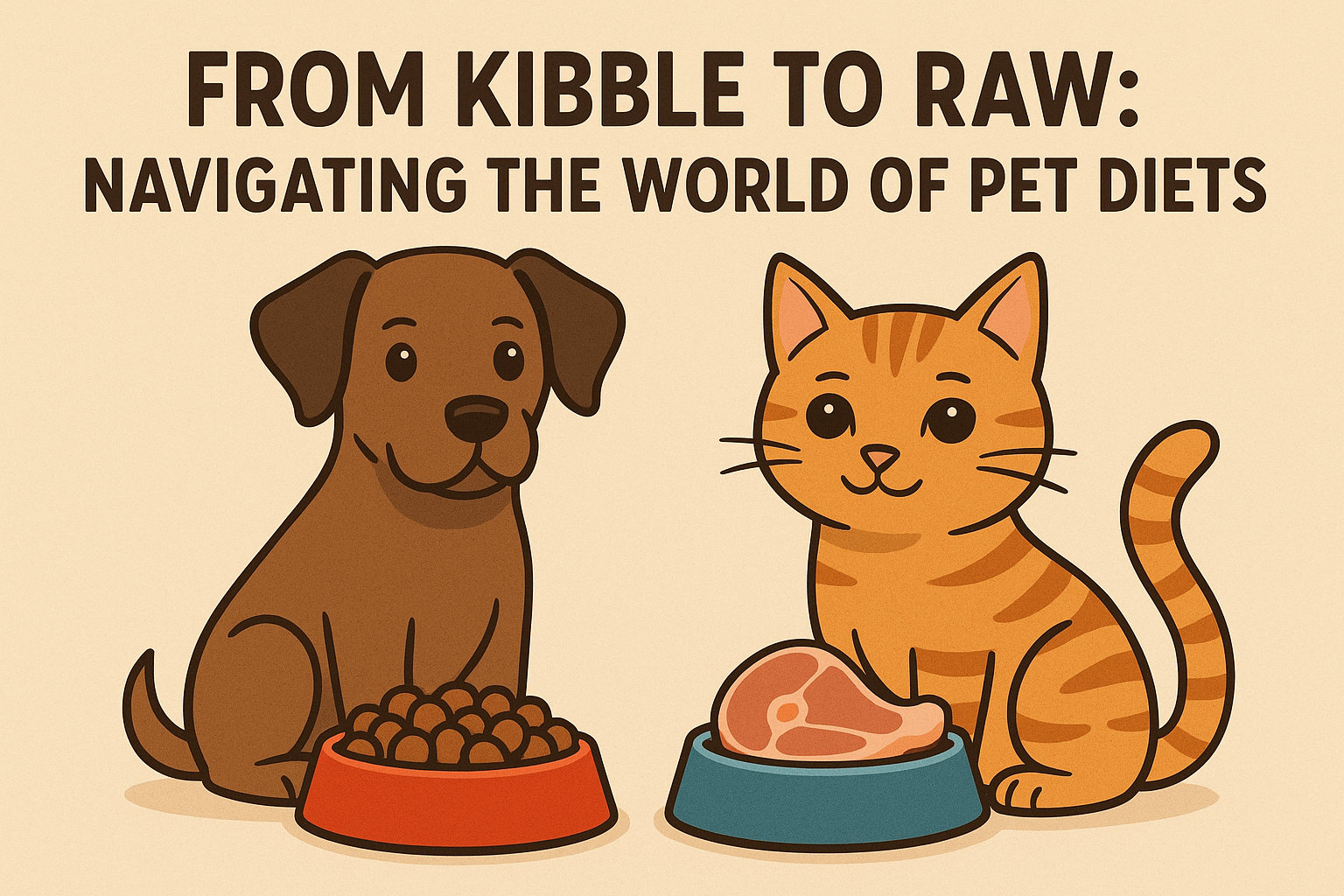
As pet owners become increasingly aware of the nutritional needs of their furry companions, they are exploring various diets available for dogs and cats. Among these, the shift from traditional kibble-based diets to raw food diets has gained considerable popularity. But why is this transition taking place, and what do pet owners need to know?
Understanding Kibble
Kibble is a type of dry pet food that has been a staple diet for dogs and cats for decades. Industrially produced, kibble is convenient and can be stored easily. However, many pet owners question whether kibble truly meets the nutritional needs of their pets.
Ingredients in Kibble
Kibble is typically made from a combination of meat, grains, vegetables, and added vitamins and minerals. Most kibble manufacturers use a variety of ingredients to create a balanced diet, but the quality and sources of these ingredients can vary significantly. Here are some common components:
- Meat Meal: This is rendered meat that could include muscle meat, organs, and bones. The quality can differ widely between brands.
- Grains: Corn, wheat, and soy are common fillers that can be problematic for some pets, particularly those with food allergies.
- Vitamins & Minerals: Synthetic nutrients are often added to meet dietary requirements, but some argue that whole food sources are better.
Potential Drawbacks of Kibble
Despite its convenience, kibble has its critics. Some of the drawbacks include:
- Quality of Ingredients: Many commercial kibble brands use low-quality ingredients, which can lead to health issues over time.
- Processing: Kibble undergoes extensive processing to create a shelf-stable product, which may destroy some nutrients.
- Additives: Some kibbles contain artificial flavors, colors, and preservatives that may be unhealthy for pets.
The Raw Food Movement
The raw food diet, or “BARF” (Biologically Appropriate Raw Food), encourages feeding pets unprocessed, raw ingredients. Proponents of raw diets argue that they are more aligned with the natural dietary habits of dogs and cats.
What Constitutes a Raw Diet?
A raw diet can include:
- Raw Meat: Typically includes muscle meat, whole prey, or meat cuts like chicken, beef, lamb, or fish.
- Organs: Liver, kidneys, and heart provide essential vitamins and nutrients.
- Raw Bones: These are included for calcium and phosphorus but must be given cautiously to avoid choking or injury.
- Fruits and Vegetables: While not necessary for dogs, some raw feeders include fruits and veggies for added nutrients and fiber.
Benefits of a Raw Diet
Supporters of raw feeding tout various benefits, including:
- Improved Coat Condition: Many pet owners report shinier, healthier coats.
- Better Digestion: Raw diets can promote healthier stools and less odor due to higher protein content and fewer fillers.
- Increased Energy: Dogs may have higher energy levels and improved vitality.
- Healthier Teeth: Chewing on raw bones can help clean teeth and gums.
Navigating the Transition
For pet owners considering a switch from kibble to raw, the transition must be approached thoughtfully. Below are key steps to navigate this change:
1. Consult with a Veterinarian
Before making any significant dietary changes, consulting your veterinarian is crucial. They can provide tailored advice based on your pet’s specific health needs.
2. Gradual Introduction
A sudden switch can upset your pet’s digestive system. Introduce raw foods gradually, mix with kibble, and slowly decrease the amount of kibble while increasing raw food portions over a week or two.
3. Monitor Health Changes
Keep a close eye on your pet’s health, behavior, and stool during the transition. Make adjustments as necessary based on their reactions.
4. Educate Yourself
Understand the balance of nutrients your pet needs. Raw feeding requires careful planning to ensure your pet is receiving a balanced diet, including protein, fats, vitamins, and minerals.
Common Concerns About Raw Diets
Despite the benefits, many pet owners have concerns about raw feeding, including:
1. Food Safety
One of the biggest concerns is the risk of bacterial contamination from raw meat. Proper handling and hygiene practices are essential to minimize this risk.
2. Nutritional Balance
There is a significant risk of nutritional imbalances if a raw diet is not appropriately balanced. Consulting with a veterinary nutritionist can help ensure a complete diet.
3. Raw Diet Myths
Some myths surrounding raw feeding lead to apprehension. For example, it’s a common misconception that raw diets handle dietary needs without deficiencies; this is only accurate if properly managed.
Comparing Cost and Convenience
Another factor pet owners consider is the cost and convenience of raw versus kibble. Generally, raw feeding can be more expensive and require more time for meal prep. However, many argue that the health benefits can lead to long-term savings in veterinary costs.
Conclusion
The journey from kibble to raw diets is not without challenges, but it can also be a rewarding experience for both pets and their owners. As awareness grows about pet nutrition, many are exploring how raw diets may offer benefits that traditional kibble does not. By approaching this transition with care, consulting professionals, and educating oneself, pet owners can make informed decisions that benefit their furry friends’ health and happiness.
FAQs
1. Can I mix raw food with kibble?
While some pet owners do mix raw food with kibble, it’s generally recommended to avoid combining them in one meal. This is because the digestion rates differ and can lead to gastrointestinal upset.
2. How often should I feed my pet raw food?
The frequency of raw feeding may vary based on your pet’s age, size, and lifestyle. Puppies may need to eat more frequently than adult dogs, while adult dogs typically can be fed once or twice a day.
3. What are the risks of feeding a raw diet?
The primary risks of a raw diet include bacterial contamination, imbalanced nutrition, and the potential for choking or injury from bones. It’s crucial to follow safe handling practices and consult with a nutrition expert.
4. Are there specific raw foods I should avoid?
Certain foods are toxic to pets, including onions, garlic, chocolate, avocado, and grapes. Always research and consult with your veterinarian before introducing new foods.
5. How do I ensure a balanced raw diet?
To ensure a balanced raw diet, include a variety of protein sources, organs, bones, and, if desired, fruits and vegetables. Working with a vet or a pet nutritionist can help develop a complete diet plan.