
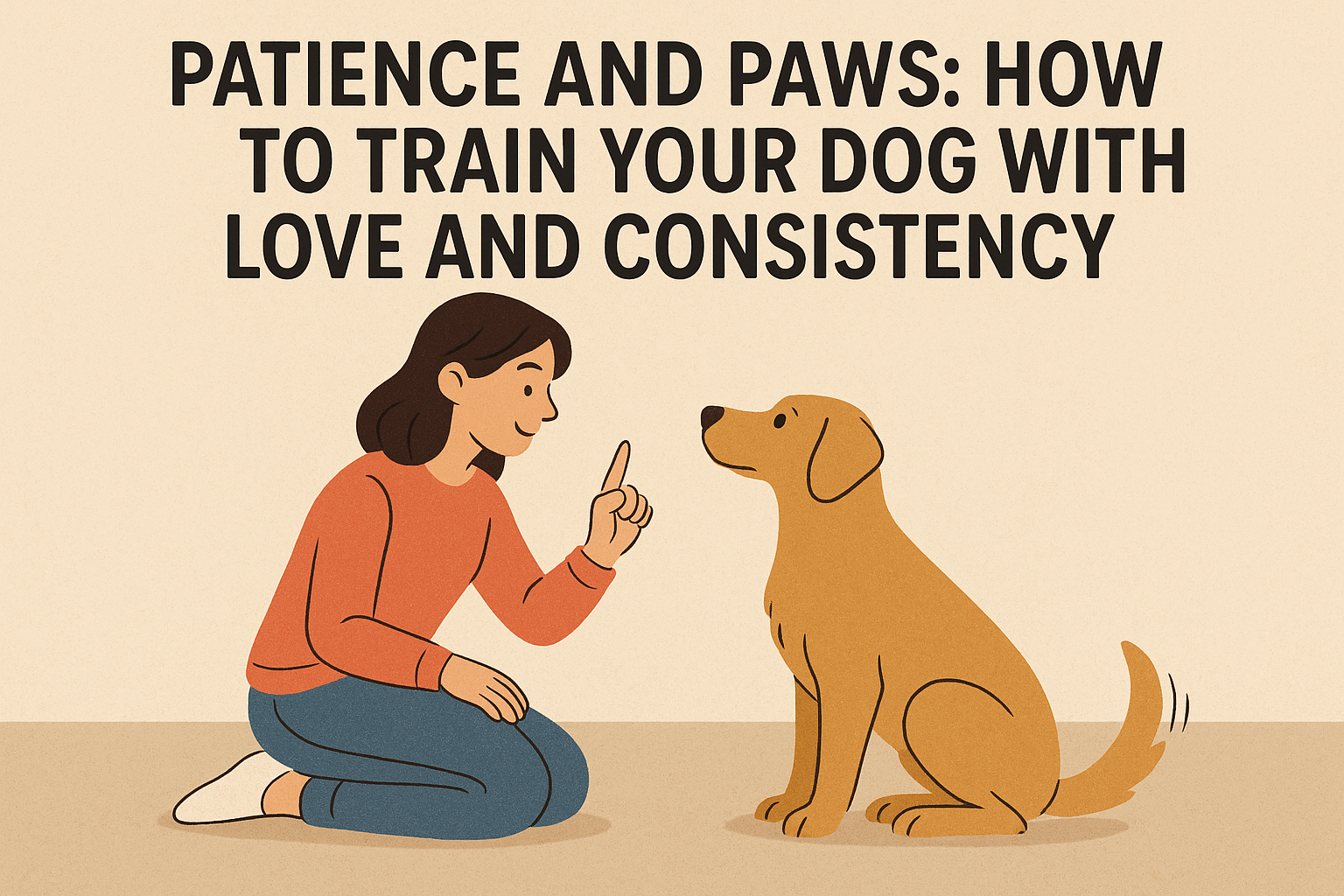
Training a dog is one of the most rewarding experiences for any dog owner. It not only strengthens the bond between you and your pup but also creates a well-mannered member of your family. However, achieving success in dog training requires patience, love, and consistency. This article will delve into effective methods for training your furry friend and what it means to train with kindness.
Understanding Your Dog
Before diving into training, it’s essential to understand your dog’s behavior and instincts. Every dog has a unique personality, background, and learning style. Recognizing these differences can make or break your training experience.
-
- Breeds and Traits: Different breeds have varied temperaments and energy levels. For example, a Border Collie may need more mental stimulation than a Bulldog.
-
- Socialization: Dogs are social animals. Introducing your dog to different environments, people, and other animals can help them become well-adjusted.
-
- Age and Attention Span: Puppies generally have shorter attention spans than adult dogs. Training sessions should be shorter but frequent for younger dogs.
The Importance of Patience
Patience is crucial in dog training. Dogs learn at their own pace, and some may take longer than others to understand commands. If you rush the process, it can lead to frustration for both you and your dog. Here are some tips on how to maintain patience during the training process:
-
- Set Realistic Goals: Focus on small, achievable milestones rather than trying to master complicated tricks right away.
-
- Celebrate Progress: Every small step forward is a victory, so don’t forget to acknowledge and celebrate the progress your dog makes.
-
- Stay Calm: If your dog isn’t grasping a command, take a deep breath and give them time. Your frustration can transfer to your dog, making them anxious and less likely to learn.
Training with Love
Training should not be a chore; it should be a bonding experience. Love-infused training methods foster trust and respect between you and your dog. Here are some strategies to train with love:
-
- Positive Reinforcement: Reward your dog for good behavior with treats, affection, or verbal praise. This encourages them to repeat the behavior.
-
- Build Trust: Always use kind words and gentle hands. Trust is key in a successful training bond; harsh corrections can lead to fear and anxiety.
-
- Engage Playfully: Incorporate games into training. This makes the experience enjoyable and reinforces learning through fun.
Consistency is Key
Consistency in training ensures that your dog understands what is expected of them. Here are some tips on how to maintain consistency in your training efforts:
-
- Use the Same Commands: Always use the same words for commands and cues. Switching commands can confuse your dog.
-
- Establish a Routine: Set a regular time and place for training sessions, allowing your dog to anticipate and prepare for learning.
-
- Involve Everyone: Ensure that all family members use the same commands and rewards, creating a unified front in training.
Effective Training Techniques
Now that you understand the fundamental principles of patience, love, and consistency, let’s explore some specific training techniques you can implement:
1. Basic Commands
Starting with basic commands like “sit,” “stay,” and “come” can set a foundation for more advanced training. Here’s how to teach these commands:
Teaching “Sit”:
1. Stand in front of your dog with a treat in your hand.
2. Move the treat above their nose and slowly back over their head. As they look up, their bottom will naturally lower to the ground.
3. As soon as they sit, say “sit” and give them the treat.
Teaching “Stay”:
1. Ask your dog to sit.
2. Open your palm towards them and say “stay” as you take a step back.
3. If they stay, reward them with a treat. Gradually increase your distance.
Teaching “Come”:
1. Put your dog on a leash and call them to you using a joyful tone.
2. When they come to you, reward them with treats and affection.
3. Practice in various environments to reinforce the command.
2. Leash Training
Many dogs pull on the leash when out for a walk. Here’s how to train them to walk calmly next to you:
1. Use a well-fitted harness or collar.
2. Start walking, and if your dog pulls, stop walking. Wait until they return to you, then reward them for walking beside you.
3. Repeat this process consistently, gradually increasing the duration of walks without pulling.
3. Advanced Tricks and Socialization
Once your dog has mastered the basics, you can teach them advanced tricks like “roll over,” “play dead,” or “shake hands.”
Additionally, socializing your dog is crucial. Arrange playdates with other dogs or visit dog parks. This helps reduce anxiety and builds confidence in social environments.
Common Challenges in Dog Training
Training a dog isn’t always smooth sailing. You may face several challenges along the way. Here’s how to overcome them:
Distractions
Your dog may become easily distracted by sounds, sights, or other animals. Practice in a quiet environment before gradually introducing distractions. Maintain a firm but gentle tone to keep their focus.
Inconsistent Behavior
If your dog demonstrates inconsistent behavior, it may be due to confusion or a lack of reinforcement. Review your training methods and ensure that you’re consistent with commands and rewards.
Fear or Aggression
If your dog shows signs of fear or aggression, seek the help of a professional trainer or behaviorist. It’s vital to address these issues carefully to prevent them from escalating.
Conclusion
Training your dog is a journey that requires patience, love, and consistency. By understanding your dog, using positive reinforcement, and establishing a reliable routine, you can create a strong bond and a well-behaved companion. Remember that every step forward, no matter how small, is progress. Always strive for patience and kindness, and you will reap the rewards of a happy, well-trained dog.
FAQs
1. How long should a training session last?
A training session should generally last between 5 to 15 minutes for puppies and can be longer for adult dogs, ensuring that the sessions remain engaging and not overwhelming.
2. What if my dog doesn’t respond to commands?
Ensure you’re using clear commands and providing proper rewards. It may take time, and each dog learns at a different pace. Be patient and continue practicing.
3. Can I train an older dog?
Yes, older dogs can certainly learn new tricks. It may require more time and adjustment, so consistency and positive reinforcement are essential.
4. Should I attend a professional training class?
Professional training classes can be beneficial, particularly for new dog owners. They provide structured learning and often help in socialization with other dogs.
5. How do I handle unwanted behaviors?
Redirect unwanted behaviors with positive reinforcement for desired behaviors, provide appropriate distractions, and reinforce commands that can steer them away from the unwanted actions.