
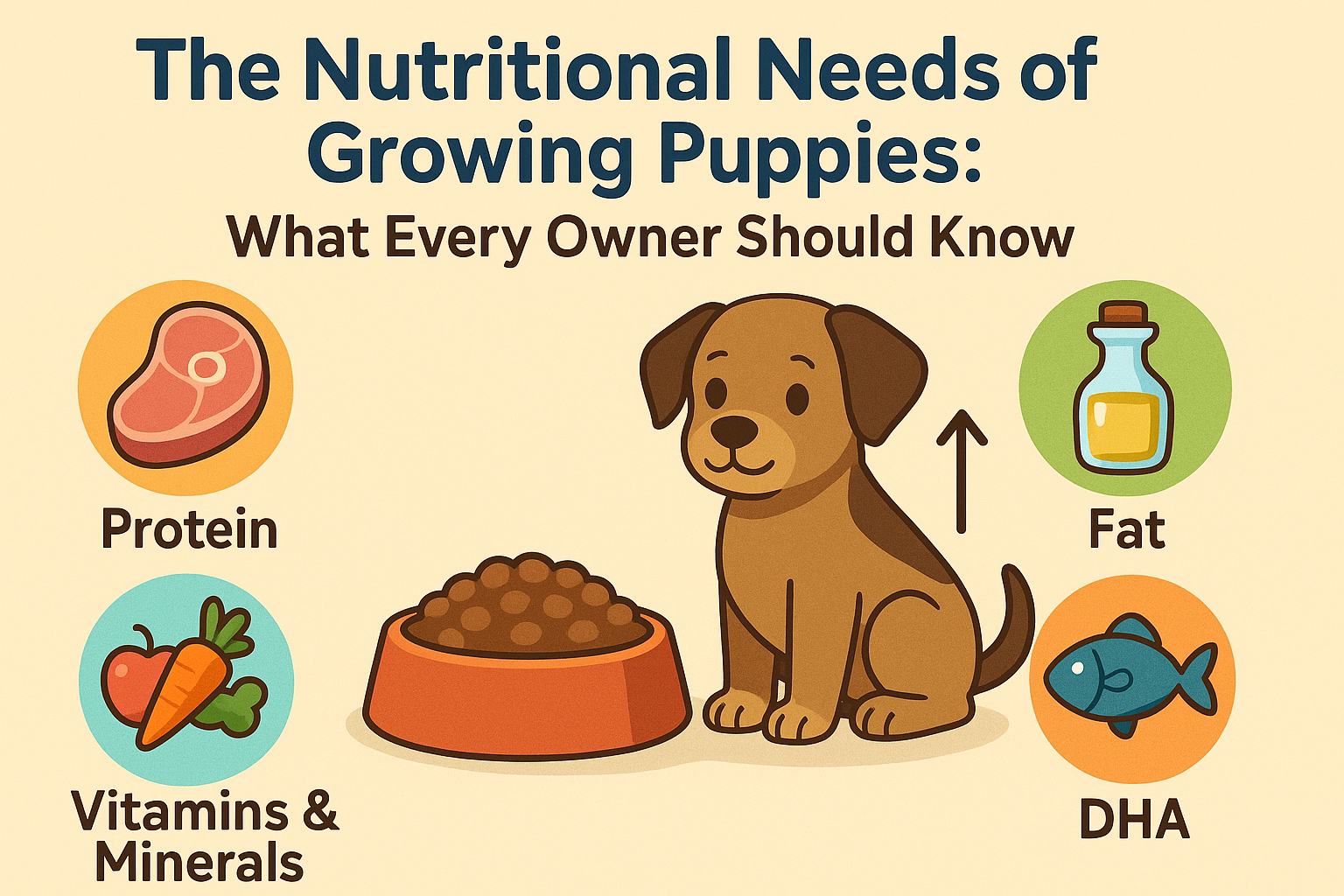
If you’re a new puppy owner, one of the most crucial aspects of ensuring your furry friend develops into a healthy adult dog is providing them with the right nutrition. Puppies have unique dietary needs that differ significantly from adult dogs, primarily because they are in a rapid phase of growth and development. This article outlines essential nutritional components, feeding guidelines, and tips for nurturing your puppy through its formative months.
Understanding Puppy Nutritional Needs
The nutritional needs of puppies are markedly different from those of adult dogs. Unlike adults, who have a more stable energy requirement, puppies require a diet rich in specific nutrients to support their rapid growth, heightened energy levels, and developing immune systems. These nutrients include proteins, fats, carbohydrates, vitamins, and minerals.
1. Protein
Protein is one of the most critical nutrients for puppies. It provides the necessary building blocks for their growing muscles, tissues, and organs. Puppies require more protein than adult dogs, typically around 22% to 32% of their diet, depending on their breed and growth stage.
- Sources of Protein: Look for high-quality protein sources such as chicken, beef, fish, eggs, and plant-based sources like soy and peas in puppy food.
- Importance of Amino Acids: Essential amino acids, which the body cannot produce on its own, must be included in their diet.
2. Fats
Fats are a significant energy source for puppies and play a vital role in brain development and overall growth. Healthy fats should constitute about 8% to 20% of their diet, depending on their age and energy needs.
- Types of Fats: Look for a balance of omega-3 and omega-6 fatty acids. Omega-3s (found in fish oils) are essential for cognitive development, while omega-6s promote skin and coat health.
- Caloric Content: Fats contain 9 calories per gram, making them calorie-dense. It’s essential to ensure your puppy doesn’t overeat, leading to obesity.
3. Carbohydrates
While puppies need proteins and fats prominently, carbohydrates can also serve as a source of energy and contribute to digestive health. They should make up about 30% to 50% of a puppy’s diet.
- Complex Carbohydrates: Opt for whole grains like brown rice and oats, as they provide sustained energy and fiber.
- Fiber: Fiber aids digestion, and it’s crucial to select puppy food that includes digestible carbs.
4. Vitamins and Minerals
Micronutrients, including vitamins and minerals, are crucial for numerous bodily functions, including bone growth, immune response, and overall health.
- Calcium and Phosphorus: Both are essential for proper bone development. The right ratio is vital; too much calcium can lead to skeletal issues.
- Vitamins A, D, and E: These vitamins are essential for vision, skin health, and immune function. Ensure your pup’s food is fortified with these nutrients.
Choosing the Right Puppy Food
Selecting the best puppy food can be overwhelming with so many options available. Here are some criteria every responsible puppy owner should consider.
1. Look for AAFCO Statement
Check for a statement from the Association of American Feed Control Officials (AAFCO) on the puppy food packaging. It indicates that the food meets the nutritional needs of growing puppies.
2. Choose High-Quality Brands
High-quality food brands may be more expensive but often contain better ingredients and fewer fillers. Engage in proper research and choose brands that have a good reputation.
3. Specific Life Stage Formulation
Ensure the food is formulated specifically for puppies. Adult dog food does not contain the adequate amounts of necessary nutrients for a growing pup.
4. Grain-Free vs. Grain-Inclusive
There’s ongoing debate about the safety of grain-free diets. Generally, puppies can benefit from a diet that includes grains, but ensure it’s balanced and suitable for their breed and health profile.
Feeding Guidelines for Puppies
Proper feeding practices are essential to ensure your puppy receives the right amount of nutrition at the right stages of growth. Here are some feeding guidelines:
1. Frequency of Feeding
Puppies should eat smaller, more frequent meals than adult dogs. The ideal feeding schedule is:
- 2-3 months old: 4 meals a day
- 3-6 months old: 3 meals a day
- 6-12 months old: 2 meals a day
Once your puppy reaches adulthood, you can switch to one or two meals per day.
2. Portion Control
Portion size depends on a puppy’s age, size, breed, and energy level. Follow the feeding guidelines on the puppy food packaging as a general rule but adjust as necessary based on your puppy’s growth and health status.
3. Monitor Weight and Condition
Regularly monitor your puppy’s weight and body condition. If you notice significant weight gain or loss, consult your veterinarian for advice on adjusting their diet.
4. Treats and Snacks
Use treats judiciously. They should not make up more than 10% of your puppy’s diet. Treats should be healthy and suitable for their age.
Hydration Is Key
Access to fresh, clean water is just as critical as nutritious food. Puppies are often very active and can dehydrate quickly. Always ensure your puppy has access to water, especially after meals, play, and walks.
Common Nutritional Myths
There are various myths surrounding puppy nutrition; educating yourself can avoid potential pitfalls.
1. All Commercial Puppy Food is Good
Not all commercial food is created equal; reading labels and understanding the ingredients is vital. Choose quality brands that meet your puppy’s specific requirements.
2. Puppies Can Eat Adult Dog Food
Feeding puppies adult dog food can lead to nutritional deficiencies. Puppies need formulations designed specifically for their growth and energy needs.
3. Grain-Free Diets are Superior
While many dogs can thrive on grain-free diets, certain studies link them to health issues in puppies. Consultation with a veterinarian is essential before making dietary changes.
Consulting Your Veterinarian
Maintaining a close relationship with your veterinarian is vital in ensuring your puppy receives appropriate nutrition. Regular check-ups allow for tailored dietary guidance based on your puppy’s unique needs.
Conclusion
Ensuring that your growing puppy receives the proper nutrition is essential for their development, health, and well-being. By understanding their unique needs, selecting appropriate food, and following a proper feeding regimen, you can help ensure your pup grows into a healthy, happy adult dog. Always consult your veterinarian for personalized advice and make adjustments based on your puppy’s individual health and lifestyle.
FAQs
1. What is the best food for puppies?
The best food for puppies is one that is formulated specifically for growth and development, meets AAFCO standards, and contains high-quality ingredients suited to your puppy’s breed and size. Consult your veterinarian for personalized recommendations.
2. How do I know if my puppy is overweight?
To determine if your puppy is overweight, assess their body condition by checking for ribs, waist, and abdominal tuck. You should be able to feel the ribs with slight pressure, but they shouldn’t be protruding.
3. Can I make homemade puppy food?
Homemade puppy food can be a viable option but should be done with caution. It’s crucial to ensure that homemade meals are nutritionally balanced, including all necessary proteins, carbohydrates, fats, vitamins, and minerals. Consulting a veterinarian or pet nutritionist is advisable.
4. Should I feed my puppy supplements?
If your puppy is on a complete and balanced puppy diet, they typically do not need additional supplements. However, consult your veterinarian to determine if supplementation is necessary based on your puppy’s specific health needs.