Pawsitively Healthy: Top Nutritional Tips for Your Feline Friend
As a cat owner, you want to ensure your furry friend thrives, and proper nutrition is a key component of keeping your feline healthy and happy. Like humans, cats require a balanced diet rich in the right nutrients to maintain their health, vitality, and longevity. With that in mind, here are some essential nutritional tips to help you keep your cat in excellent shape!
1. Understand Your Cat’s Nutritional Needs
Before diving into specific diets, it’s important to understand that cats are obligate carnivores. This means that their diet needs to be primarily composed of meat. Unlike dogs, cats cannot survive on a vegetarian or vegan diet, and they require certain amino acids (like taurine) found only in animal products. When formulating your cat’s diet, consider the following:
- High Protein: Aim for a diet that is at least 30-35% protein.
- Moderate Fats: Healthy fats are important; look for sources like fish oil and chicken fat.
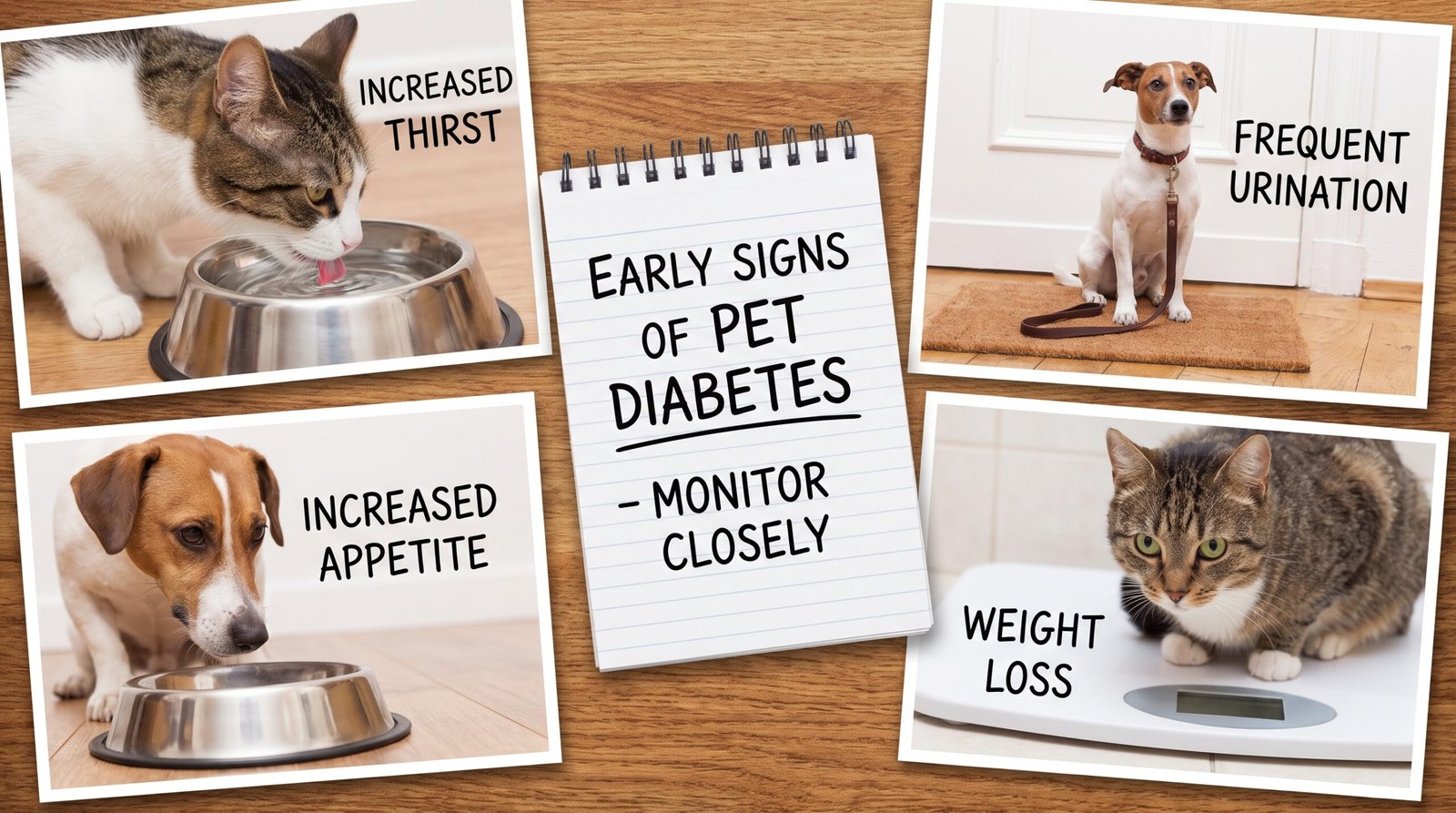
- Low Carbohydrates: Cats do not require carbohydrates, and a high-carb diet can lead to obesity and diabetes.
2. Choose High-Quality Cat Food
Not all cat foods are created equal. When choosing cat food, look for the following:
- Named Animal Proteins: The primary ingredient should be a named meat, such as chicken, turkey, or beef.
- Avoid Fillers: Stay away from foods that list corn, wheat, or soy as the main ingredients, as these are often fillers.
- Check for AAFCO Approval: The Association of American Feed Control Officials (AAFCO) ensures that the food meets the minimum nutritional requirements for cats.
3. Incorporate Wet Food into the Diet
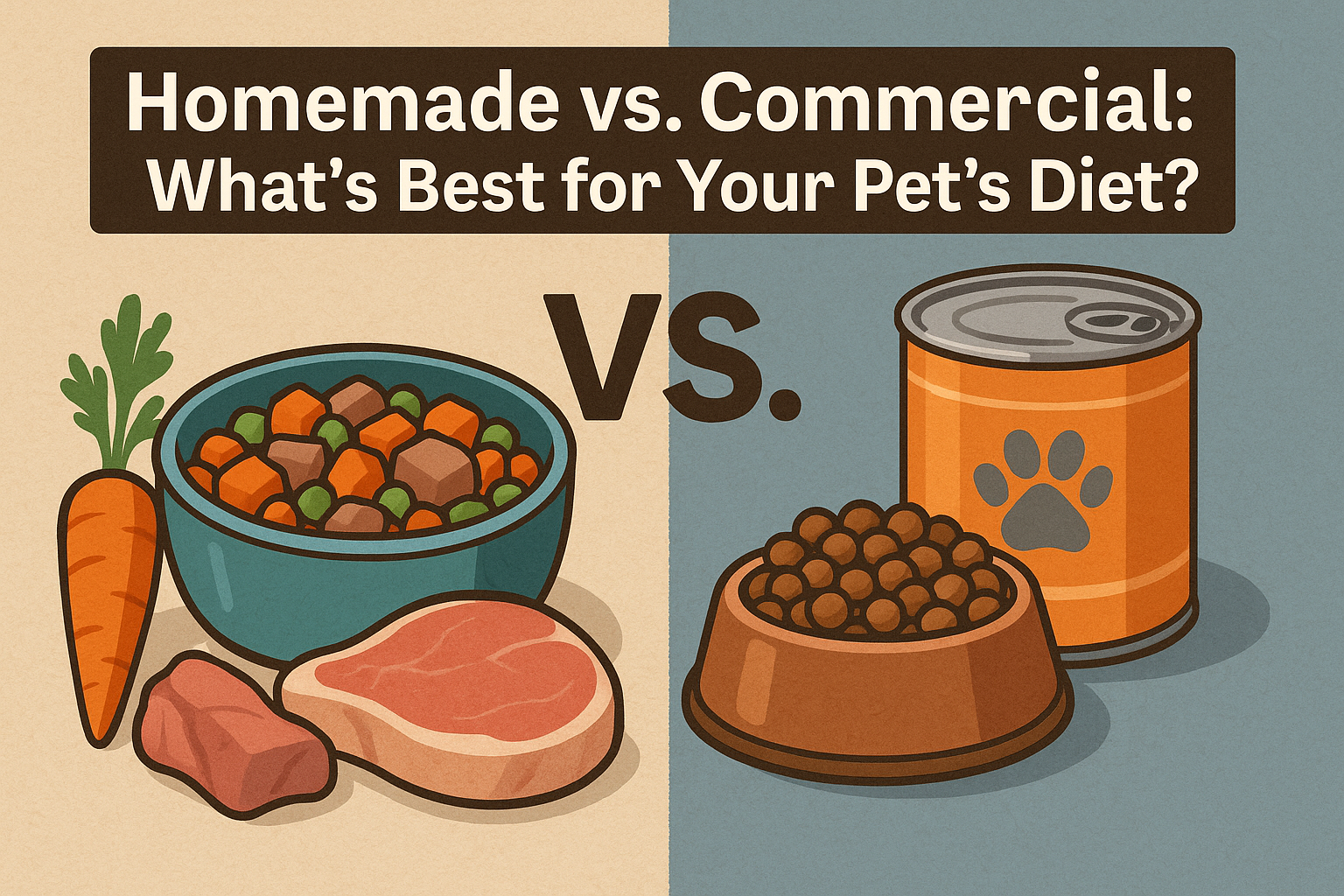
Wet food can play a significant role in your cat’s hydration and overall health. Consider including wet cat food in addition to dry kibble. Here’s why:
- Hydration: Cats often do not drink enough water, and wet food can help keep them hydrated.
- Palatability: Wet food is often more flavorful and appealing to cats.
- Weight Management: Wet food tends to be lower in calories compared to dry food, helping prevent obesity.
4. Introduce a Variety of Proteins
Diversity in your cat’s protein sources can help ensure a well-rounded diet. Different proteins offer varying benefits and nutrients. You could rotate between:
- Chicken
- Fish (like salmon or tuna—be cautious about mercury levels)
- Beef
- Turkey
- Lamb
5. Monitor Portion Sizes
Overfeeding can lead to obesity, which is a prevalent issue in domestic cats. Keeping an eye on portion sizes is crucial. Here are some tips:
- Follow Feeding Guidelines: Check the feeding recommendations on the cat food packaging.
- Use Measuring Cups: For accuracy, measure your cat’s food rather than eyeballing it.
- Consult Your Vet: If unsure how much to feed your cat, consult your veterinarian for guidance.
6. Be Wary of Human Foods
While it might be tempting to share your food with your cat, be cautious. Some human foods can be toxic or harmful to cats, such as:
- Onions and Garlic: These can damage cats’ red blood cells.
- Chocolate: Highly toxic to cats, chocolate can cause serious illness or death.
- Grapes and Raisins: These can lead to kidney failure in some cats.
7. Understand Food Labels and Ingredients
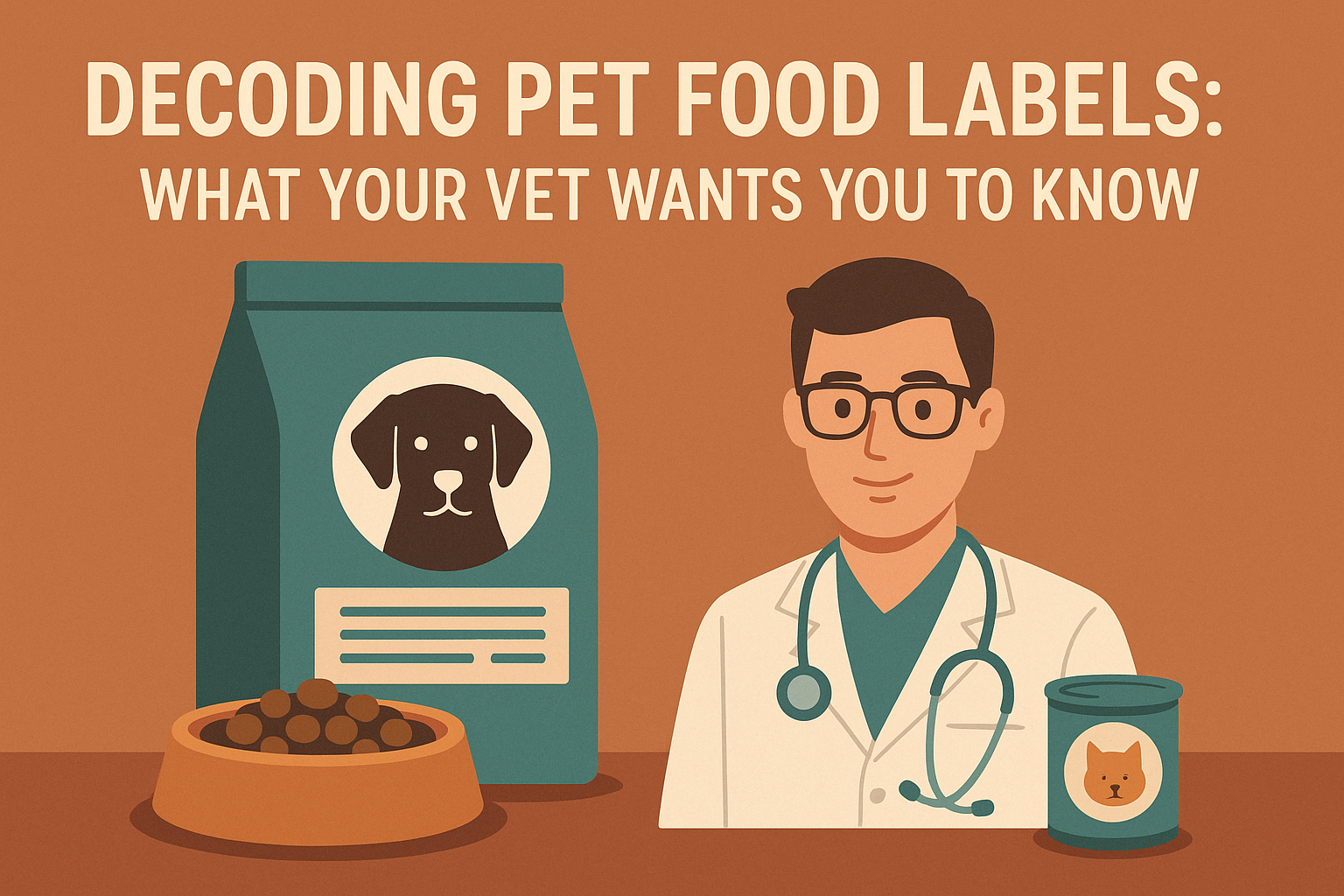
Learning to read and understand food labels is essential for making informed decisions about your cat’s diet. Here are some tips:
- Look at the Ingredient List: The first ingredient should ideally be a named meat source.
- Beware of By-products: While by-products are not necessarily bad, whole meats are generally preferable.
- Nutrition Analysis: Check the guaranteed analysis for protein, fat, and moisture levels.
8. Transition to New Foods Slowly
If you decide to change your cat’s food, do so gradually. A sudden switch can upset their digestive system. Follow these steps:
- Mix Old with New: Start by mixing a small amount of the new food with the old food.
- Increase New Over Time: Gradually increase the portion of new food while decreasing the old food over a week.
- Monitor Their Reaction: Observe for any signs of digestive distress.
9. Ensure Access to Fresh Water
Always provide fresh, clean water for your cat. Cats often don’t drink enough water, which can lead to urinary tract issues. To encourage drinking:
- Use a Water Fountain: Many cats are intrigued by running water.
- Change Water Daily: Ensure the water is fresh and appealing.
- Offer Different Types of Bowls: Some cats prefer ceramic or stainless steel over plastic.
10. Consider Age and Activity Level
Your cat’s age and activity level significantly impact its dietary needs. Kittens, adults, and senior cats have different requirements:
- Kittens: Require more calories and nutrients for growth—choose a kitten-specific food.
- Adult Cats: Need a balanced diet to maintain health and energy levels.
- Senior Cats: May require lower calories but higher fiber to aid digestion.
Conclusion
Providing balanced and nutritious food is fundamental to your cat’s health. By understanding their specific needs and carefully selecting the right foods, you can help your feline friend lead a long, healthy, and vibrant life. From understanding the importance of protein and hydration to carefully monitoring portion sizes, you now have a comprehensive guide to ensure your kitty thrives. Remember, when in doubt, consult with your veterinarian for tailored dietary advice!
FAQs
Q1: How often should I feed my cat?
A1: Most adult cats do well with two meals per day, while kittens may need three to four meals daily.
Q2: Is it safe to feed my cat raw food?
A2: Raw diets can be safe but come with risks of bacterial contamination. Consult your vet before making changes.
Q3: Can I treat my cat with human food?
A3: Some human foods are safe in moderation; however, be cautious of toxic foods like chocolate, onions, and garlic.
Q4: What signs indicate my cat is overweight?
A4: Signs include difficulty feeling their ribs, a noticeable waist, and reduced energy levels.
Q5: Should I change my cat’s food as they age?
A5: Yes, dietary needs can change with age, so it’s essential to adapt their diet to their life stage.