Feeding Fido Right: The Ultimate Guide to Canine Nutrition
For dog owners, providing proper nutrition for their furry friends is a top priority. Just like humans, dogs require a balanced diet to stay healthy, energetic, and happy. With the overwhelming amount of information available today, it’s crucial to understand the basic principles of canine nutrition. This guide will cover various aspects of dog nutrition, including essential nutrients, types of dog food, feeding guidelines, and more.
Why Canine Nutrition Matters
Good canine nutrition is vital for several reasons:
- Health and Longevity: A balanced diet ensures that dogs receive the essential nutrients needed for their overall health, reducing the risk of chronic diseases.
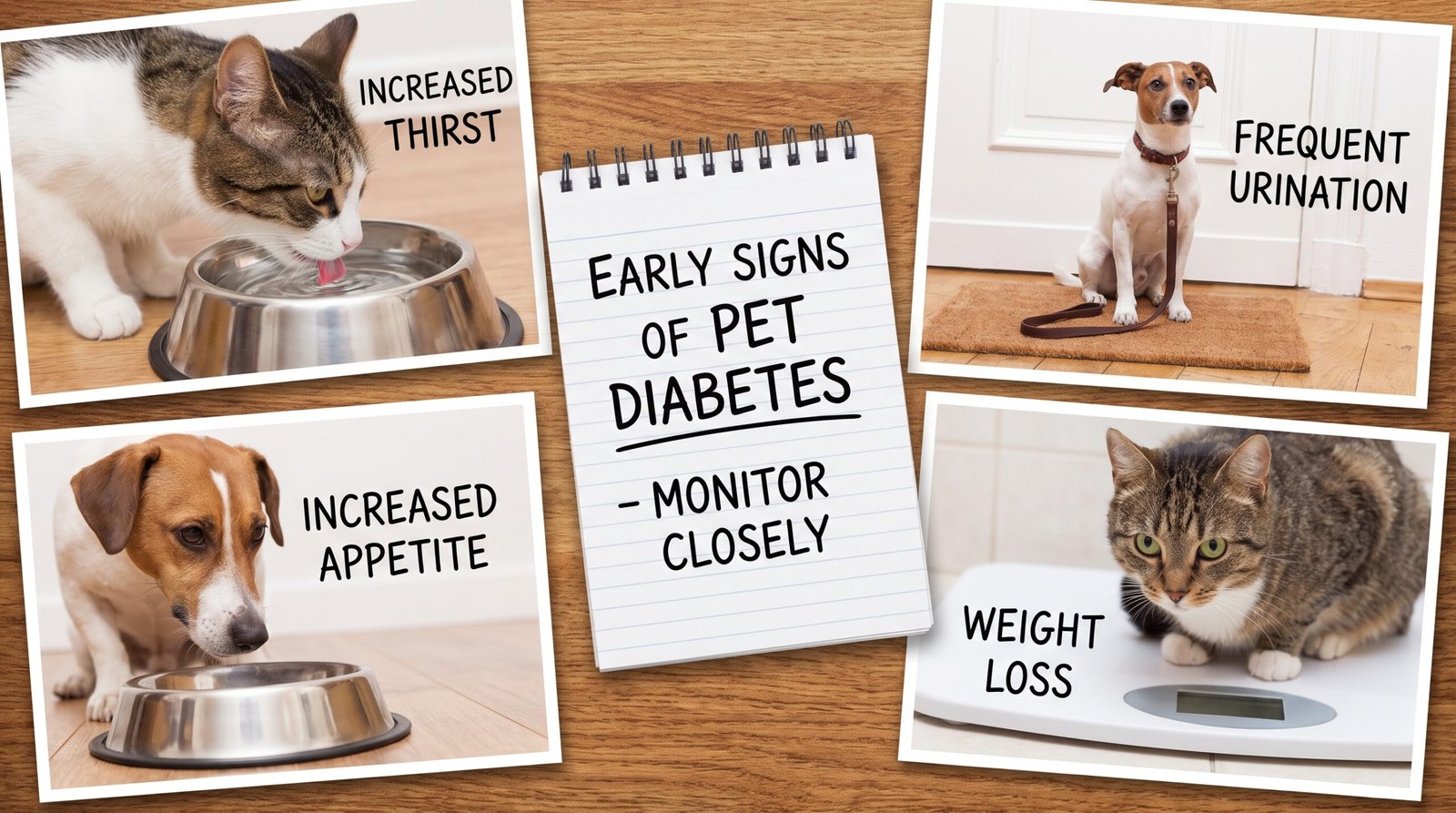
- Weight Management: Proper feeding helps maintain a healthy weight, preventing obesity-related problems such as joint issues, diabetes, and heart diseases.
- Energy and Vitality: Adequate nutrition fuels a dog’s activities, whether it’s playing, walking, or simply enjoying life.
Essential Nutrients for Dogs
Understanding the key nutrients required in a dog’s diet is crucial. Here are the six essential nutrients every dog needs:
- Proteins: Protein sources such as meat, fish, and eggs provide amino acids required for growth and tissue repair.
- Fats: Fats are an essential energy source and help absorb certain vitamins. Omega-3 and omega-6 fatty acids also promote healthy skin and coat.
- Carbohydrates: While not strictly necessary, carbohydrates can provide energy and aid digestion. Sources include grains, fruits, and vegetables.
- Vitamins: Vitamins support various bodily functions. Vitamin A, D, E, and several B vitamins are crucial for health.
- Minerals: Minerals like calcium, phosphorus, and potassium are essential for bone health and other bodily functions.
- Water: Vital for nearly every body function, fresh water should always be available to your dog.
Types of Dog Food
When it comes to dog food, there are several types available, each with its own set of advantages and disadvantages:
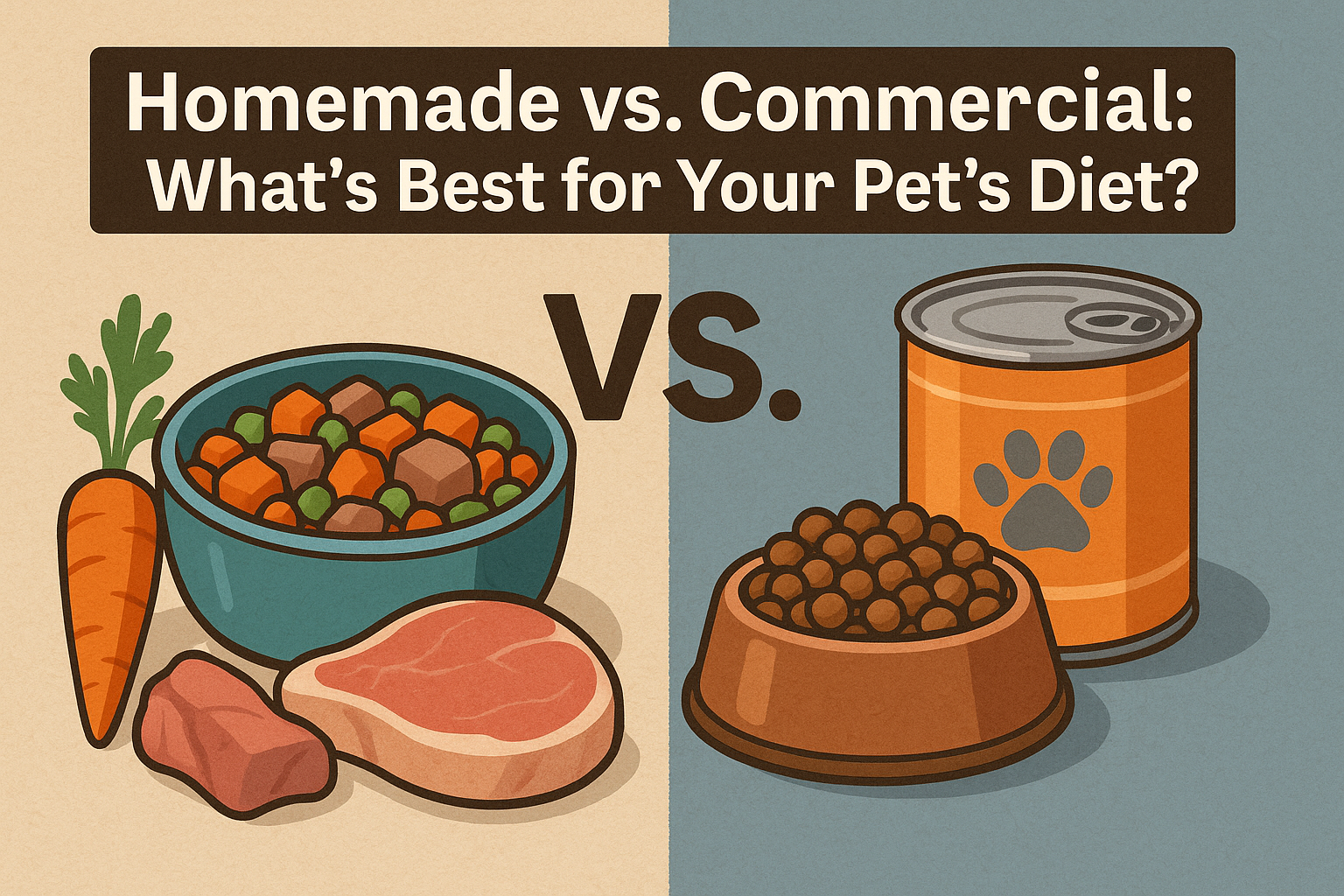
- Dry Food (Kibble): Convenient and cost-effective, kibble tends to have a long shelf life. Choose a high-quality brand with meat as the first ingredient.
- Wet Food: Canned dog food often contains higher moisture content, which can be beneficial for dogs who struggle to stay hydrated. It may be more palatable for picky eaters.
- Raw Diet: Some pet owners opt for a raw food diet, which includes uncooked meat, bones, and vegetables. While proponents argue it mimics a dog’s natural diet, it requires careful preparation to avoid nutritional deficiencies and health risks.
- Homemade Diet: Preparing food at home allows owners to have full control over ingredients. However, it requires careful planning to ensure the diet is balanced.
- Prescription Diets: For dogs with specific medical issues, veterinarians may recommend specialized diets formulated to address their health needs.
Feeding Guidelines
Feeding guidelines may vary based on the dog’s age, size, activity level, and health conditions. Here are some general recommendations:
- Puppies: Puppies have higher energy needs. Feed them several small meals throughout the day—generally three to four times until they are about six months old.
- Adult Dogs: Most adult dogs require two meals a day. Portion sizes will depend on their size, weight, and energy levels.
- Senior Dogs: Senior dogs may need lower calorie foods to help prevent weight gain as their metabolism slows. Consult your vet for specific recommendations.
Always follow the feeding guidelines provided on the dog food packaging, adjusting as necessary based on your dog’s specific needs.
Understanding Dog Food Labels
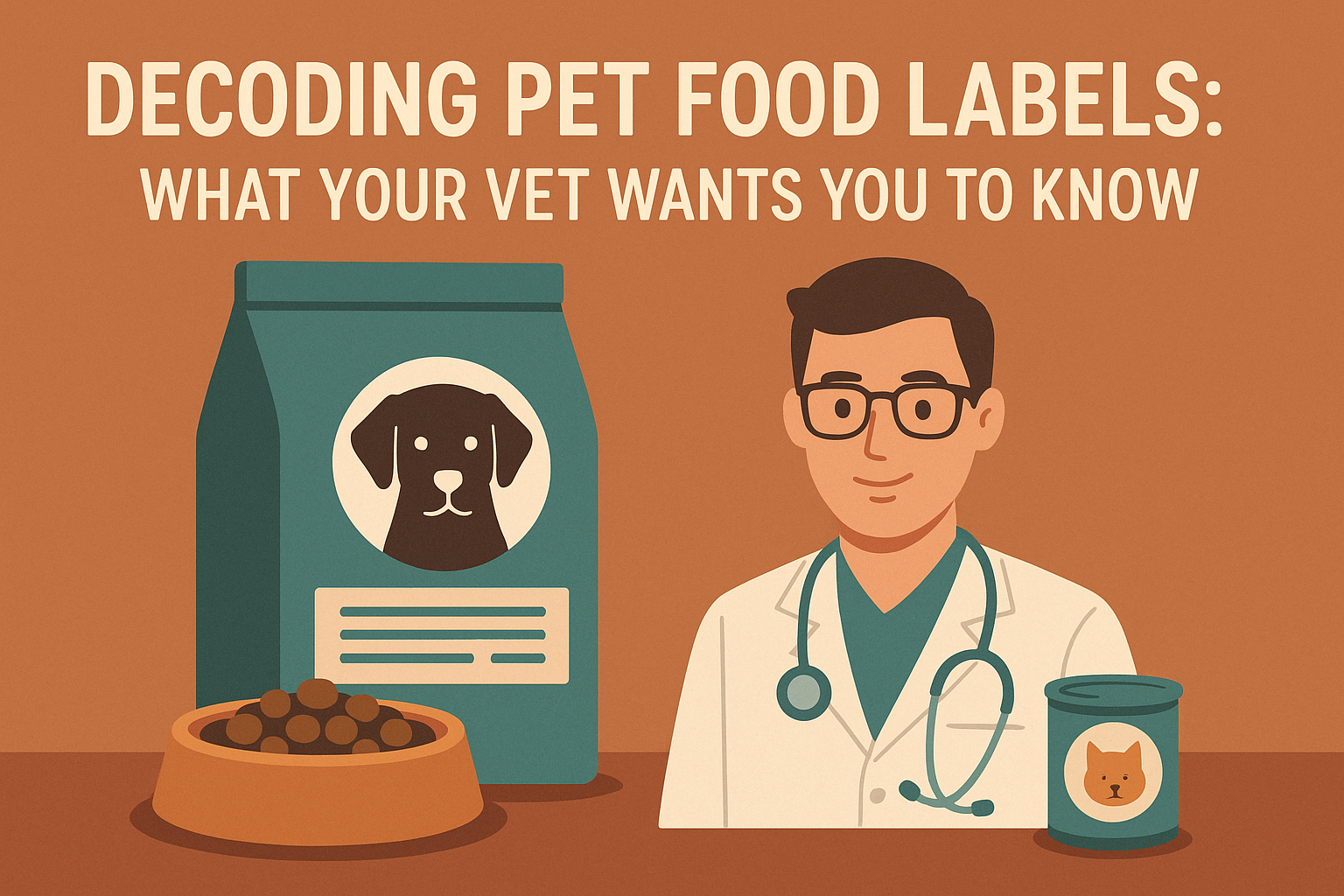
Reading and understanding dog food labels can be daunting, but it’s essential. Here are key components to look for:
- Ingredients List: Ingredients are listed in descending order by weight. Look for high-quality protein sources at the top of the list.
- Nutritional Adequacy Statement: This indicates whether the food meets AAFCO (Association of American Feed Control Officials) standards for complete and balanced nutrition.
- Guaranteed Analysis: This section shows the percentages of protein, fat, fiber, and moisture in the food, helping you gauge its nutritional value.
- Feeding Guidelines: Most packages include suggested feeding amounts based on the dog’s weight. Always tailor the portions according to your dog’s individual needs.
Common Myths About Dog Nutrition
Several myths surrounding dog nutrition can mislead dog owners. Here are a few common ones debunked:
- Myth: Dogs are carnivores. While dogs are primarily meat-eaters, they are omnivorous and can digest various food sources, including grains and vegetables.
- Myth: Dogs should eat bones. While raw bones can be safe, cooked bones can splinter and pose a serious health risk. Always supervise your dog when giving bones.
- Myth: Table scraps are fine for dogs. Human food can upset a dog’s stomach and lead to obesity. Many foods are toxic to dogs, including chocolate, grapes, and onions.
Consulting with a Veterinarian
Nutrition is complex and varies between individual dogs. For tailored advice, always consult with your veterinarian. They can help you determine:
- Your dog’s specific nutritional needs
- Appropriate portion sizes and feeding frequency
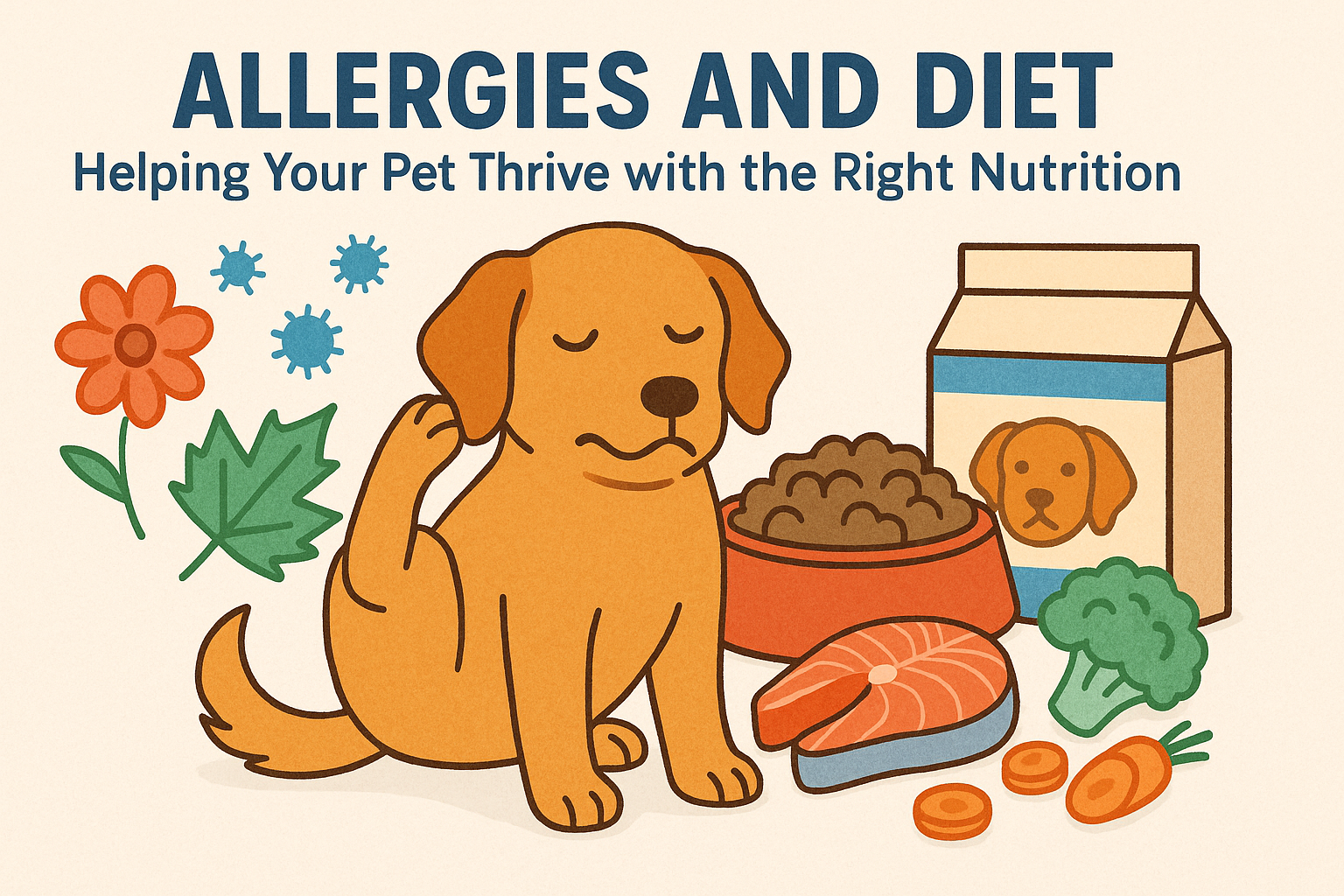
- Identifying and dietary restrictions due to health conditions such as allergies or obesity
Conclusion
Feeding your dog the right food is one of the most important aspects of responsible pet ownership. With a solid understanding of canine nutrition, you can choose the best diet to meet your dog’s individual needs. Remember to always consult with your veterinarian when making significant changes to your dog’s diet or if you have any concerns regarding their health or nutrition.
FAQs About Canine Nutrition
1. How much food should I feed my dog?
The amount of food depends on your dog’s age, size, and activity level. Always refer to the feeding guidelines on the dog food package and adjust based on your dog’s individual needs.
2. Can I feed my dog human food?
Some human foods are safe for dogs in moderation, such as certain fruits and vegetables. However, many common foods are toxic to dogs, so always consult your vet before introducing any human food into your dog’s diet.
3. What should I do if my dog is overweight?
Consult your veterinarian for guidance on adjusting your dog’s diet and establishing an appropriate exercise routine. Weight loss should be gradual and monitored carefully.
4. Is grain-free food healthy for my dog?
While some dogs may have specific dietary needs that require grain-free food, research has linked certain grain-free diets to heart issues in some dogs. Consult your vet for the best dietary options for your pup.
5. How can I tell if my dog is allergic to their food?
Food allergies can manifest in various ways, including itchy skin, digestive issues, or ear infections. If you suspect a food allergy, consult your veterinarian for advice on elimination diets or allergy testing.