The Secret to a Long Life for Your Pet Starts with Healthy Teeth 2026
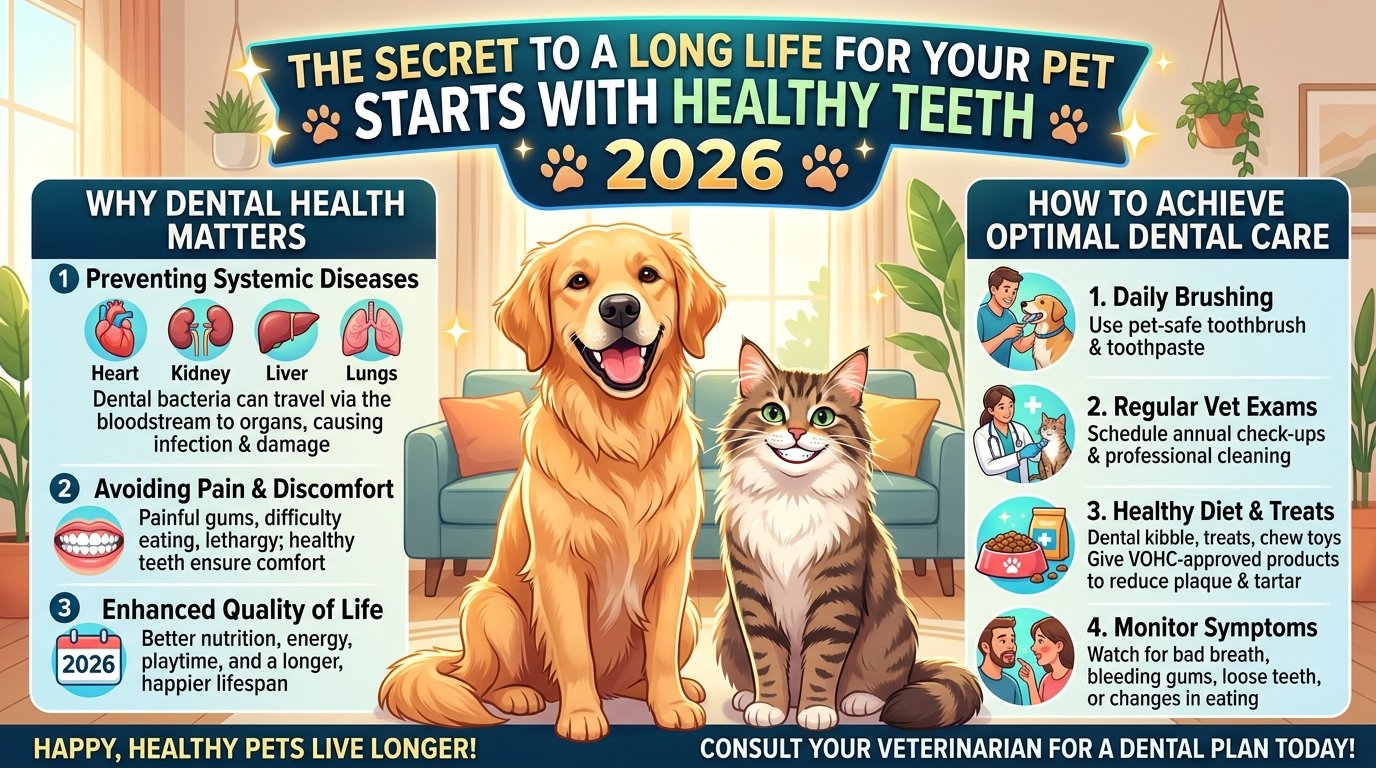
Unlock the secret to a longer, healthier life for your pet. Discover essential pet dental health strategies, from home care to professional cleanings, and ensure their pearly whites shine for years to come.
The Silent Threat: Understanding Pet Dental Disease
It’s a common oversight, yet one of the most critical aspects of your furry friend’s well-being often goes unnoticed until problems arise: their oral hygiene. Just like humans, pets are susceptible to a range of dental issues that can significantly impact their comfort, health, and ultimately, their lifespan. Focusing on proactive pet dental health is not just about fresh breath; it’s about preventing systemic diseases.
The leading culprit in pet oral health decline is periodontal disease. This condition starts with plaque, a sticky film of bacteria, food particles, and saliva that constantly forms on teeth. If not removed, plaque hardens into tartar, a calcified substance that adheres firmly to the tooth surface and below the gum line.
Tartar provides a rough surface where more plaque can accumulate, leading to a vicious cycle. The bacteria within the plaque and tartar irritate the gums, causing inflammation known as gingivitis. This is the first stage of periodontal disease, characterized by red, swollen, and sometimes bleeding gums. At this point, the disease is still reversible with proper dental care.
However, if left untreated, gingivitis progresses to more severe stages. The inflammation spreads deeper, affecting the ligaments and bone supporting the teeth. This can lead to gum recession, bone loss, and eventually, tooth mobility and loss. The pain associated with advanced periodontal disease can be excruciating, though pets often mask their discomfort, making it difficult for owners to detect. Recognizing the importance of pet dental health is the first step towards prevention.
Why Pet Dental Health Matters for Overall Well-being
The notion that what happens in the mouth stays in the mouth simply doesn’t apply to pets. Poor pet dental health can have far-reaching implications, impacting virtually every major organ system in your companion’s body. The mouth is a gateway, and bacteria from infected gums and teeth can easily enter the bloodstream, traveling to distant organs and causing significant health problems.
Research consistently shows a strong correlation between periodontal disease and serious health conditions in pets. For instance, bacteria originating from chronic dental infections have been found in the hearts, kidneys, and livers of affected animals. This can exacerbate existing conditions or initiate new ones, shortening a pet’s life and diminishing their quality of life. Maintaining excellent pet dental health is a cornerstone of preventative medicine.
Consider the cardiovascular system. Bacteria from dental disease can adhere to the heart valves, leading to infections such as endocarditis. This serious condition impairs the heart’s ability to pump blood effectively, potentially leading to heart failure. Similarly, kidneys, which filter waste products from the blood, can become overwhelmed or damaged by a constant influx of bacteria and inflammatory compounds from oral infections.
Beyond organ damage, chronic pain from dental disease can lead to behavioral changes. A pet suffering from a painful mouth might become withdrawn, irritable, or lose interest in eating, playing, or being petted. This discomfort is often subtle, manifesting as a reluctance to chew hard food or toys, bad breath, drooling, or pawing at the mouth. Addressing pet dental health proactively can prevent unnecessary suffering and preserve your pet’s joyful disposition. It is an investment in their long-term happiness and health.
Daily Habits for Optimal Pet Dental Health at Home
Establishing a consistent at-home dental care routine is paramount for maintaining good pet dental health between professional cleanings. Regular care can significantly reduce plaque and tartar buildup, preventing the progression of periodontal disease and its associated health risks. Starting early in a pet’s life makes it easier to incorporate these habits.
The gold standard for at-home care is daily tooth brushing. While it might seem daunting, many pets can be trained to accept and even enjoy brushing. Use a pet-specific toothbrush and toothpaste; human toothpaste contains ingredients like xylitol that are toxic to pets. Start slowly, introducing a small amount of toothpaste on your finger, then gradually progressing to a brush. Focus on the outside surfaces of the teeth, where plaque tends to accumulate most.
Beyond brushing, several other tools and products can support your pet’s oral hygiene. Dental diets are specifically formulated with unique kibble shapes and textures that help scrape plaque from tooth surfaces as your pet chews. Look for diets approved by the Veterinary Oral Health Council (VOHC) for proven efficacy. Dental chews and treats also serve a similar purpose, designed to mechanically reduce plaque and tartar. Always supervise your pet with chews to prevent choking and ensure they are appropriate for their size and chewing style.
Water additives provide another layer of defense. These solutions are added to your pet’s drinking water and contain ingredients that help reduce bacteria in the mouth and prevent plaque formation. They are generally tasteless and odorless, making them easy to incorporate into your pet’s daily routine. While not a substitute for brushing, they can be a helpful adjunct, especially for pets resistant to manual brushing. Regular use of these products contributes significantly to overall pet dental health.
Comparison of At-Home Pet Dental Care Products
| Product | Price | Pros | Cons | Best For |
|---|---|---|---|---|
| Pet Electric Toothbrush Pro | $65-90 | Highly effective at removing plaque; gentle vibrations. | Requires training for pet acceptance; higher initial cost. | Owners committed to daily brushing; pets tolerant of oral manipulation. |
| VOHC-Approved Dental Chews (e.g., Greenies) | $20-40 (pack) | Palatable and easy to administer; helps scrape off plaque. | Can be high in calories; not a substitute for brushing for severe cases. | Pets who resist brushing; as a daily supplement to dental care. |
| Pet Water Additive (e.g., OraVet Dental Chews) | $15-30 (bottle) | Extremely easy to use; continuous plaque control. | Less effective than direct brushing for existing buildup; some pets may detect taste. | Owners seeking hassle-free daily support; pets who are difficult to brush. |
| Finger Toothbrush Kit (silicone) | $8-15 | Inexpensive and easy to introduce; good for puppies/kittens. | Less effective than bristle brushes for thorough cleaning; shorter reach. | Beginner brushers; pets with small mouths or sensitive gums. |
When to Seek Professional Dental Care for Your Pet
While at-home care is crucial, it’s not a complete solution. Professional veterinary dental cleanings are an essential component of a comprehensive pet dental health program. These procedures allow for a thorough examination, cleaning, and treatment that cannot be replicated at home. Think of it like your own dental check-ups, but with your pet requiring anesthesia for their safety and comfort.
Your veterinarian can assess your pet’s oral health during routine wellness exams. They will look for signs of periodontal disease, fractured teeth, oral masses, and other abnormalities. However, a full assessment of pet dental health, especially beneath the gum line, requires anesthesia. This allows the vet to perform dental X-rays, which reveal issues hidden from plain sight, such as bone loss, abscesses, or unerupted teeth.
During a professional dental cleaning under anesthesia, your veterinarian will scale the teeth to remove plaque and tartar both above and below the gum line, using specialized ultrasonic and hand instruments. Each tooth surface is then polished to smooth out microscopic scratches where plaque could easily adhere again. A fluoride treatment may also be applied to strengthen enamel and reduce sensitivity. This meticulous process is vital for deep cleaning.
The frequency of professional cleanings varies depending on your pet’s breed, age, genetics, and the effectiveness of their at-home care. Some pets may only need a cleaning every few years, while others, particularly smaller breeds prone to dental issues, might require annual or even semi-annual procedures. Your veterinarian will recommend a personalized schedule based on their assessment of your pet’s pet dental health. Don’t hesitate to discuss any concerns with your vet.
Investing in Your Pet’s Dental Future
Prioritizing pet dental health is not just a recommendation; it’s a fundamental aspect of responsible pet ownership that directly correlates with your pet’s longevity and quality of life. Ignoring dental issues can lead to chronic pain, systemic infections, and significantly higher veterinary bills down the line. By being proactive, you are making a wise investment in your companion’s future.
Start today by scheduling a dental check-up with your veterinarian. This initial assessment will provide a clear picture of your pet’s current oral health status and help you develop a personalized dental care plan. Early detection and intervention are key to managing dental disease effectively and preventing its progression. A strong pet dental health routine extends beyond just fresh breath.
Remember that good pet dental health is a lifelong commitment. It requires a combination of consistent at-home care and regular professional veterinary attention. Just as you prioritize their nutrition, exercise, and preventative medical care, their oral hygiene deserves equal consideration. Your efforts will be rewarded with a happier, healthier pet, free from the pain and complications of dental disease.
For more insights or collaboration opportunities, visit www.agentcircle.ai.
Frequently Asked Questions About Pet Dental Health
How often should I brush my pet’s teeth?
Ideally, you should brush your pet’s teeth daily. Consistent daily brushing is the most effective way to remove plaque before it hardens into tartar and significantly improves pet dental health. If daily is not possible, aim for at least three times a week.
What are the signs of dental problems in pets?
Common signs include bad breath (halitosis), red or swollen gums, yellow or brown tartar on teeth, drooling, difficulty eating, pawing at the mouth, decreased appetite, or changes in behavior such as irritability or withdrawal. Many pets hide pain, so regular veterinary checks are important.
Is anesthesia safe for pet dental procedures?
Modern veterinary anesthesia protocols are very safe. Before any procedure, your pet will undergo a thorough pre-anesthetic exam and blood tests to ensure they are healthy enough. During the procedure, vital signs are closely monitored by trained staff. The benefits of a thorough dental cleaning under anesthesia far outweigh the minimal risks for most pets.
Can I use human toothpaste on my pet?
No, never use human toothpaste on your pet. Human toothpaste often contains fluoride, which can be harmful if swallowed, and sometimes xylitol, which is highly toxic to dogs. Always use toothpaste specifically formulated for pets, as these are safe to swallow and often come in flavors appealing to animals.
Are dental treats and chews enough for pet dental health?
While dental treats and chews can be a helpful part of your pet’s oral hygiene routine, they are generally not enough on their own. They work best as an adjunct to regular brushing and professional cleanings. Look for products approved by the Veterinary Oral Health Council (VOHC) for proven efficacy.