Creating a Safe Haven: Essential Home Tips for Pet Owners
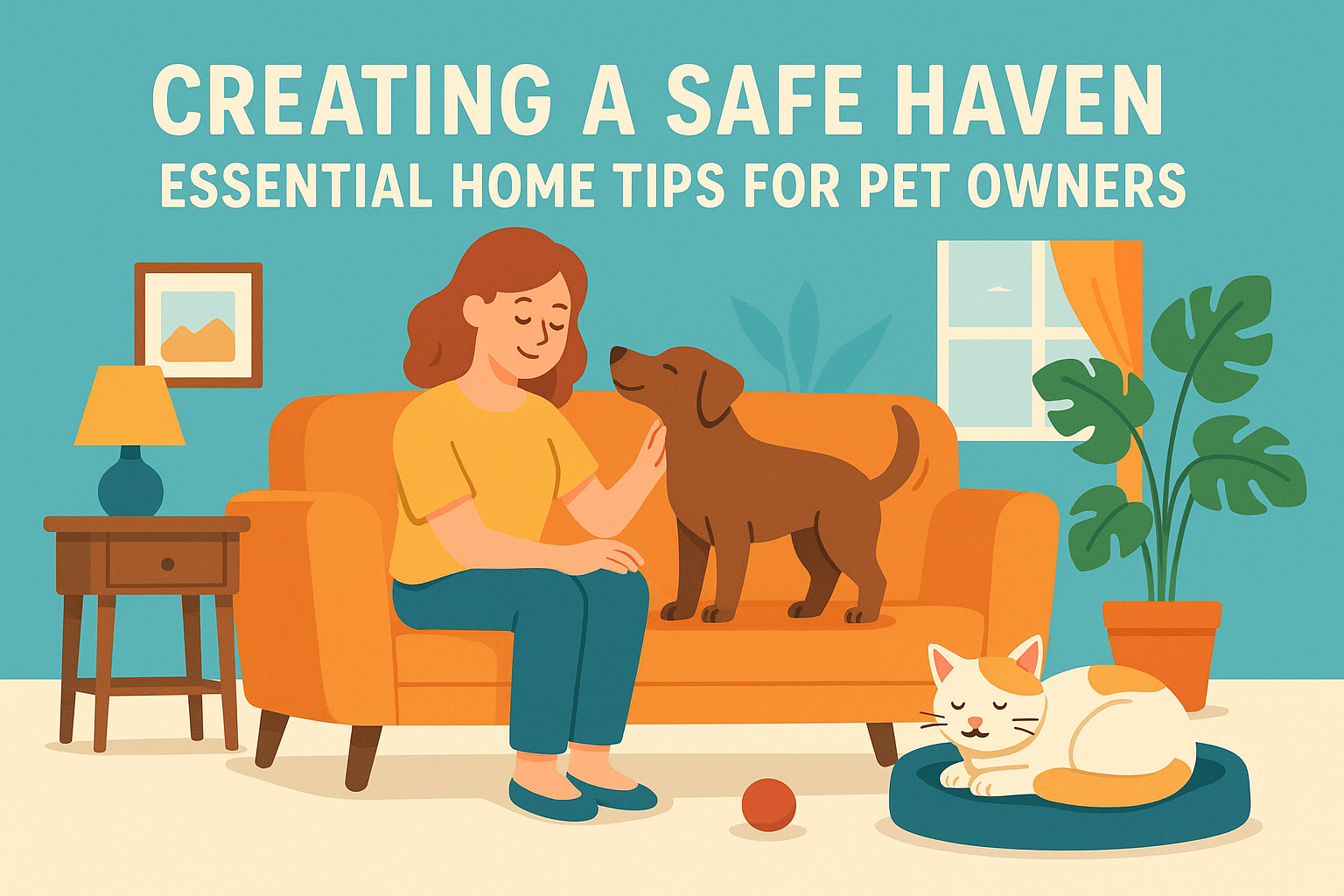
Welcoming a pet into your home is a joyous occasion. Pets are not only companions but also part of the family. As responsible pet owners, it’s crucial to create a safe and nurturing environment for our furry friends. This article will explore essential tips to ensure your home is a well-designed haven for your pets.
1. Understanding Your Pet’s Needs
Different pets come with varied needs. Before setting up your home, it’s important to understand what your pet requires for comfort and safety.
1.1 Types of Pets
Your home will look different depending on whether you have a dog, cat, bird, or small animal like a hamster. Each type has its unique behaviors and preferences.
1.2 Activity Level
Some pets are more active and require spaces to run and play, while others may need cozy, quiet areas for relaxation. Knowing your pet’s activity level can help tailor your home for their specific needs.
2. Pet-Proofing Your Home
Similar to childproofing, pet-proofing is essential for preventing accidents and ensuring your pets’ safety.
2.1 Identify Hazardous Areas
Look out for areas in your home that could pose hazards to your pets:
- Electrical cords: Hide or secure them to prevent chewing.
- Houseplants: Some common plants are toxic to pets. Identify and remove these.
- Medications: Store all medications in high, secure cabinets.
- Cleaning Supplies: Keep all chemicals and cleaning products locked away.
2.2 Secure Heavy Items
Ensure that heavy items like bookshelves, vases, or furniture are secured to the wall or placed in stable positions to prevent tipping over, especially if you have an inquisitive pet.
3. Designing Pet-Friendly Spaces
A pet-friendly home is designed with both safety and comfort in mind. Here are some ideas for creating such spaces:
3.1 Designated Pet Areas
Create specific areas for your pets. For example:
- Pet Zones: Designate a corner of your living room with cushions or a dog bed for your dog to lounge.
- Feeding Station: Have a clean area for food and water bowls, preferably away from foot traffic.
- Outdoor Space: If you have a yard, ensure it’s securely fenced with access provided through pet doors.
3.2 Safe Locations for Toys
Ensure your pet’s toys are easily accessible but also encourage clean play areas. Regularly check toys for wear and tear, and dispose of any that are no longer safe.
3.3 Relaxation Areas
Your pet should have a cozy place to rest. This can be a soft bed or a blanket in a quiet spot free from disturbances.
4. Proper Nutrition and Medical Care
A safe home environment goes hand-in-hand with proper nutrition and care.
4.1 Balanced Diet
Invest in high-quality food suitable for your pet’s species and breed. Consult your vet for dietary recommendations.
4.2 Regular Vet Visits
Routine check-ups are crucial for preventive healthcare. Keeping vaccinations and health checkups up to date ensures your pet remains healthy.
5. Training and Socialization
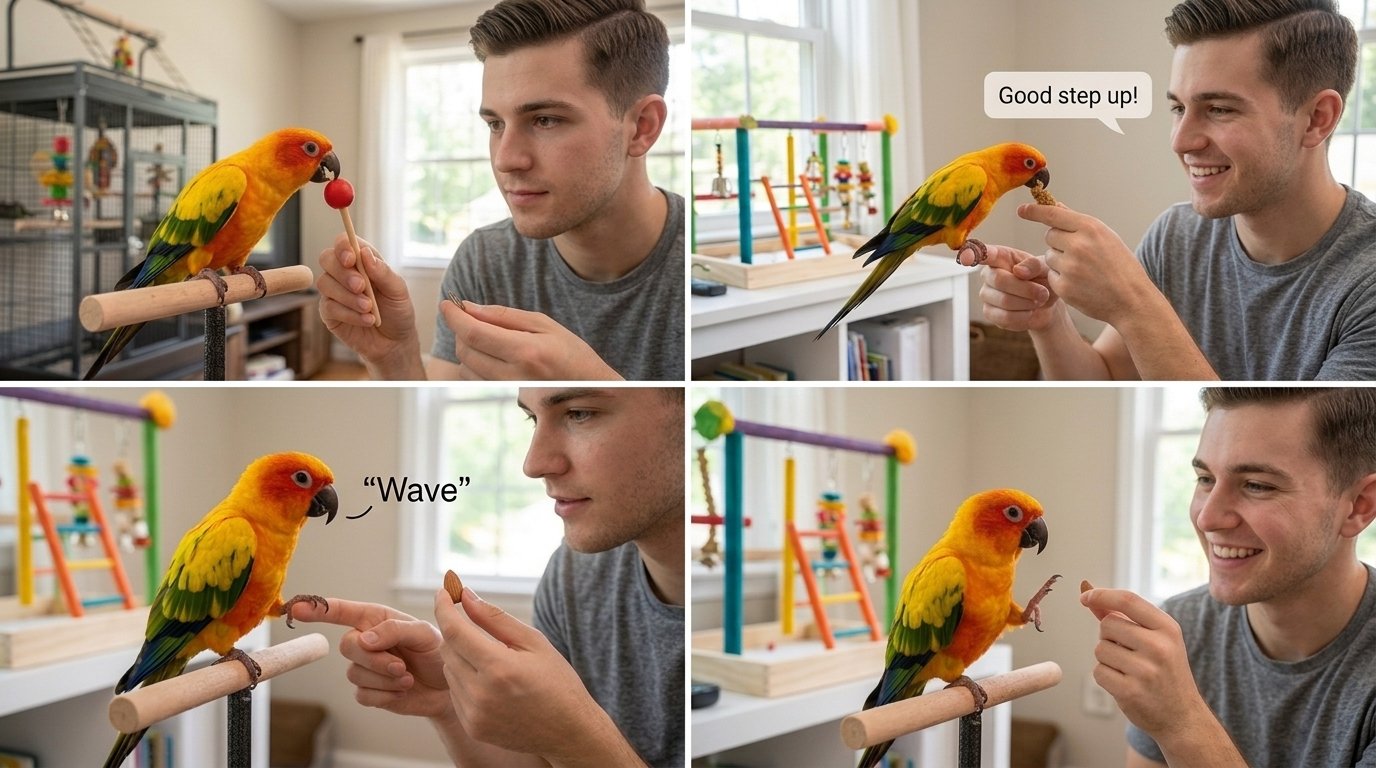
Training your pet can greatly contribute to a safe environment. Proper training minimizes behaviors that could lead to accidents or injuries.
5.1 Obedience Training
Basic commands like “sit,” “stay,” and “come” can provide essential control over your pet and ensure their safety both indoors and outdoors.
5.2 Socialization
Expose your pet to different environments, people, and other pets. This reduces anxiety and fear-based behaviors while improving their social skills.
6. Keeping Your Pet Entertained
Keeping your pet busy helps reduce destructive behaviors that may put them at risk.
6.1 Interactive Toys
Invest in interactive toys that stimulate your pet’s brain and encourage them to play independently.
6.2 Regular Exercise
Daily walks, playtime, and exercise are critical for your pet’s physical and mental well-being.
6.3 Enrichment Activities
Participate in activities like training classes, agility training, or fetch games to engage your pet’s mind.
7. Effective Communication with Your Vet
Your veterinarian is a crucial ally in keeping your pet safe and healthy. Understanding how to communicate effectively can lead to better care.
7.1 Prepare Questions
Before visiting, prepare a list of questions you have about your pet’s health or behavior to make the most out of your appointment.
7.2 Discuss Behavioral Issues
If you notice any unusual behavior in your pet, don’t hesitate to discuss it with your vet. They can help identify underlying health concerns or suggest training resources.
8. Emergency Preparedness
Being prepared for emergencies can make all the difference in keeping your pets safe.
8.1 First Aid Kit
Maintain a well-stocked pet first aid kit, including items like antiseptic wipes, bandages, muzzle, and tweezers. Learn basic first aid for pets; you never know when it may come in handy.
8.2 Emergency Plan
Have a communication plan and ensure everyone in your household knows what to do in case of an emergency, whether it’s a natural disaster or a sudden illness.
Concluding Thoughts
Creating a safe haven for pets requires a thoughtful approach, combining understanding their needs, pet-proofing your home, providing nutrition, and planning for emergencies. Your commitment to crafting a safe, engaging, and loving environment will enrich the lives of your beloved pets and enhance the joy they bring to your family.
FAQs
1. What common household items are toxic to pets?
Common toxic items include certain plants (like lilies and poinsettias), chocolate, grapes, onions, and household cleaners. Always double-check if an item is safe for pets before bringing it into your home.
2. How can I keep my pet from chewing on furniture?
Provide plenty of chew toys to distract them. Training and positive reinforcement when they choose their toys over furniture can also help curb this habit.
3. What should I do if my pet is injured?
Remain calm and assess the situation. For minor injuries, use your first aid kit. If it’s serious, contact your vet immediately or take them to an emergency clinic.
4. How often should I take my pet to the vet?
It’s generally recommended to schedule annual check-ups. Senior pets or those with health issues may require more frequent visits. Always follow your vet’s advice.
5. Are there any online resources for pet training?
Yes! Many platforms offer online training courses for pets. Websites like the ASPCA, PetSmart, and various dog training YouTube channels can be great resources.