Grooming Patterns in Cats: What They Reveal About Their Emotional State
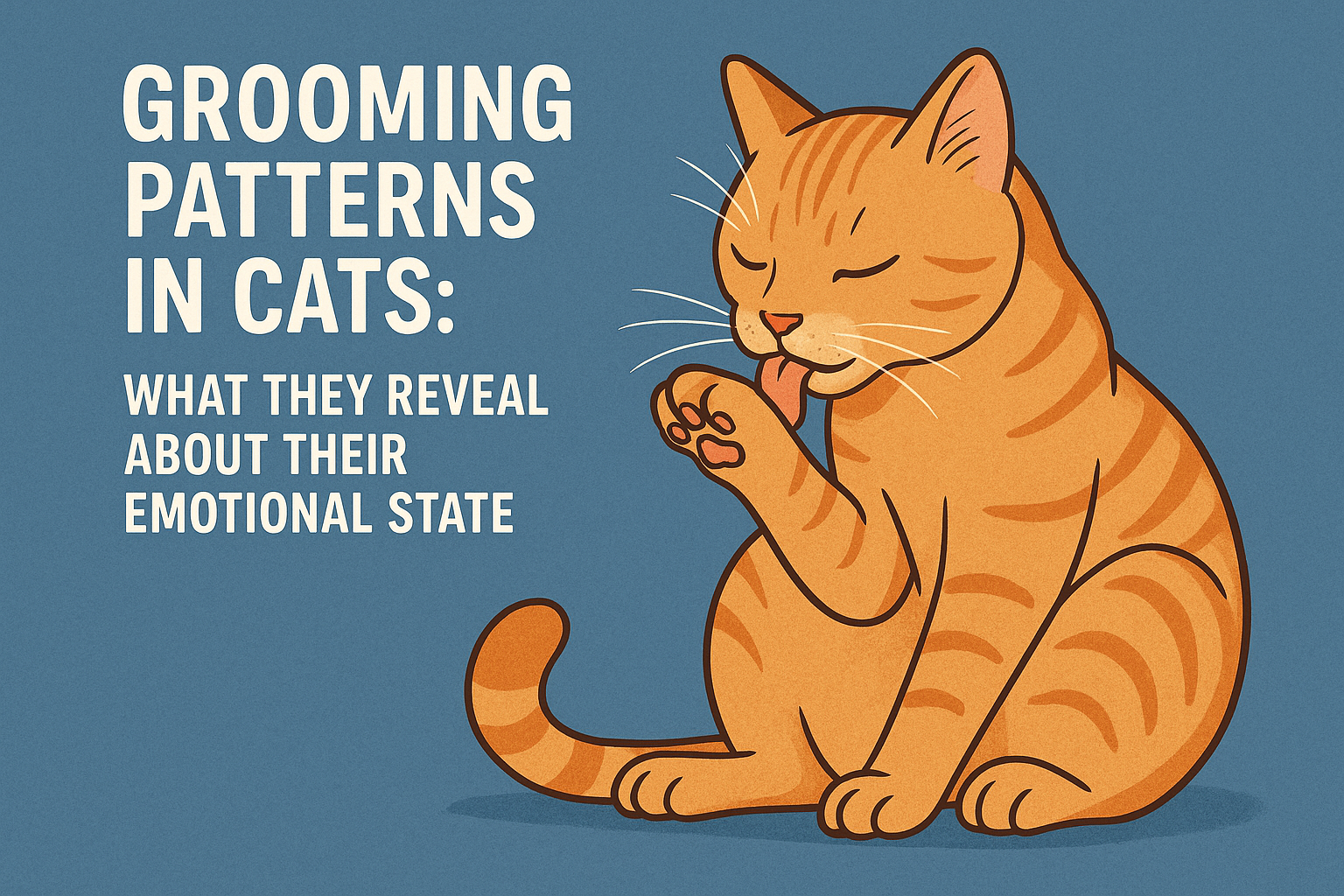
Cats are fascinating creatures, often described as independent and enigmatic. One of the most significant behaviors they exhibit is grooming. While it may seem trivial or merely a habit of cleanliness, grooming patterns in cats can reveal a great deal about their emotional state, health, and social habits. Understanding these patterns can provide valuable insights into your feline friend’s feelings and overall well-being.
The Importance of Grooming in Cats
Grooming serves multiple purposes for cats. Primarily, it helps keep their fur clean and free from parasites. It also plays a crucial role in regulating body temperature, stimulating blood circulation, and reinforcing the cat’s scent. Grooming is not just a hygiene practice; it also serves as a social bonding activity, especially among littermates or cats that live together.
Grooming can be categorized into several types:
- Self-grooming: This is when a cat cleans itself, focusing on areas that collect dirt or smell.
- Allogrooming: This type occurs between cats, where one cat grooms another, which strengthens social bonds.
- Grooming of an object: Sometimes, cats may groom objects with the same frequency as they would groom themselves, which can indicate stress or anxiety.
Self-Grooming: A Window into Emotional State
Understanding a cat’s self-grooming patterns can be enlightening. Regular and thorough grooming is typically a sign of a content, healthy cat. However, changes in grooming behavior can indicate varying emotional states:
1. Excessive Grooming
If your cat suddenly begins to groom excessively—often referred to as “over-grooming”—it may be a sign of stress, anxiety, or discomfort. This behavior can lead to skin irritations and hair loss due to the constant pulling of the fur. Factors contributing to over-grooming can include:
- Changes in environment (new pets, moving house, etc.)
- Health issues (allergies, skin conditions, etc.)
- Emotional distress (boredom, loneliness, etc.)
2. Reduced Grooming
On the opposite end of the spectrum, if a cat suddenly stops grooming as frequently as it used to, it may be a cause for concern. This could indicate:
- Physical health issues (pain, injury, or illness)
- Depression or lethargy
- Age-related decline in grooming behavior
3. Social Grooming
Social grooming, or allogrooming, is a sign of affection and trust between cats. If you find two cats grooming each other regularly, it indicates a strong bond and mutual respect. Social grooming also serves as a stress reliever, demonstrating that both cats feel safe in their environment.
Grooming Rituals and Their Meanings
Cats often have their own unique grooming rituals. Observing these can help you better understand your cat’s emotional state.
1. Consistency vs. Irregular Patterns
A cat that maintains a consistent grooming pattern—grooming at the same times, in the same places, and with the same intensity—is often secure and comfortable in its environment. Conversely, an irregular grooming pattern might signify that a cat is uncertain or unsure about something in its surroundings.
2. Areas of Focus
Moreover, the areas that a cat focuses on while grooming can also indicate their emotional state. For instance:
- Grooming around the face and paws can signal contentment.
- Excessive grooming of the belly or tail may reflect stress or an underlying health issue.
- Grooming of certain areas, like spotting one that is usually ignored, may suggest anxiety or agitation.
3. Vocalizations During Grooming
Pay attention to whether your cat vocalizes while grooming. Some cats might purr softly, indicating relaxation and pleasure. If a cat meows or growls while grooming, it may be experiencing discomfort or distress.
Grooming and Bonding
Grooming is not just an individual choreography of cleanliness. It is a form of communication, especially between cats. For instance:
1. Mother-Kitten Bonding
A mother cat will groom her kittens to clean them and stimulate their bodily functions. This grooming also fosters a sense of security and care, instilling emotional connection in the developing kittens.
2. Grooming Between Adult Cats
Grooming can also be a behavior of reconciliation among adult cats. After a quarrel, one cat might groom the other to restore harmony and signify forgiveness.
3. Human Interaction
Interestingly, some felines also attempt to groom their human companions. This can occur when a cat licks your skin or hair. This behavior displays trust and affection and can be interpreted as the cat viewing its owner as part of its social group.
Grooming and Stress Relief
Grooming can serve as a self-soothing mechanism for cats. Just like humans may bite their nails or fidget when anxious, cats may engage in repetitive grooming behaviors to alleviate stress. In environments with unfamiliar sounds, smells, or other animals, you may notice your cat grooming to calm itself.
Factors Influencing Grooming Patterns
Certain factors can greatly influence a cat’s grooming behavior, including:
1. Environment
Changes in the home, like new furniture, a different layout, or the introduction of new pets or people, can unsettle a cat and lead to changes in grooming patterns. Familiarity brings comfort, and a sudden modification in the environment can evoke anxiety.
2. Health
Physical health issues can drastically alter grooming behaviors. Regular veterinary check-ups are essential, especially if you notice sudden changes in grooming habits. Conditions like skin irritations, allergies, or even dental problems can result in an increased level of discomfort, prompting changes in grooming frequency.
3. Seasonal Changes
A significant variation in grooming patterns can occur during shedding seasons, where cats may groom more often to remove loose fur. Observing such patterns can aid in distinguishing between normal and emotionally-induced grooming behaviors.
Recognizing Stress and Taking Action
If your cat exhibits excessive or irregular grooming, it’s essential to address the underlying issues causing this behavior:
- Examine your home for potential stressors, such as loud noises, changes in household balance, or new animals.
- Provide a safe space for your cat to retreat when feeling uneasy. This could be a cozy bed in a quiet room or an elevated perch where they can observe their surroundings.
- Maintain a consistent routine to offer a sense of security.
- Consult your veterinarian if you suspect physical health issues contributing to grooming behaviors.
Conclusion
The grooming behaviors of cats speak volumes about their emotional states, health, and well-being. Whether it’s the comfort of a proper grooming routine or behavioral changes indicating stress or discomfort, these enigmatic creatures signal their needs through various patterns of grooming. By observing your cat’s grooming as a window into their emotional world, you can take meaningful steps to ensure their happiness and health. Providing a comfortable environment, regular veterinary care, and attention to their grooming habits can foster a strong bond between you and your feline friend, ensuring they thrive emotionally and physically.
Frequently Asked Questions (FAQs)
1. What does it mean if my cat is over-grooming?
Over-grooming can be a sign of stress, anxiety, or health issues. It is essential to observe any other behavioral changes and consult a veterinarian if the behavior persists.
2. Is it normal for cats to groom each other?
Yes, allogrooming is a normal behavior among cats that signifies social bonding and affection between them.
3. How often should I expect my cat to groom itself?
Most cats groom themselves multiple times a day. Each cat is different, and grooming frequency can vary based on age, health, and environmental factors.
4. What should I do if my cat is not grooming itself?
If your cat suddenly stops grooming, it could indicate health issues or emotional distress. Consult with your veterinarian to determine if there are underlying health concerns.
5. Can I encourage my cat to groom itself more?
While you can’t force a cat to groom itself, providing a healthy and stress-free environment, along with regular brushing, can encourage natural grooming behaviors.