Cats and Grooming: Exploring Unique Rituals Across Different Breeds
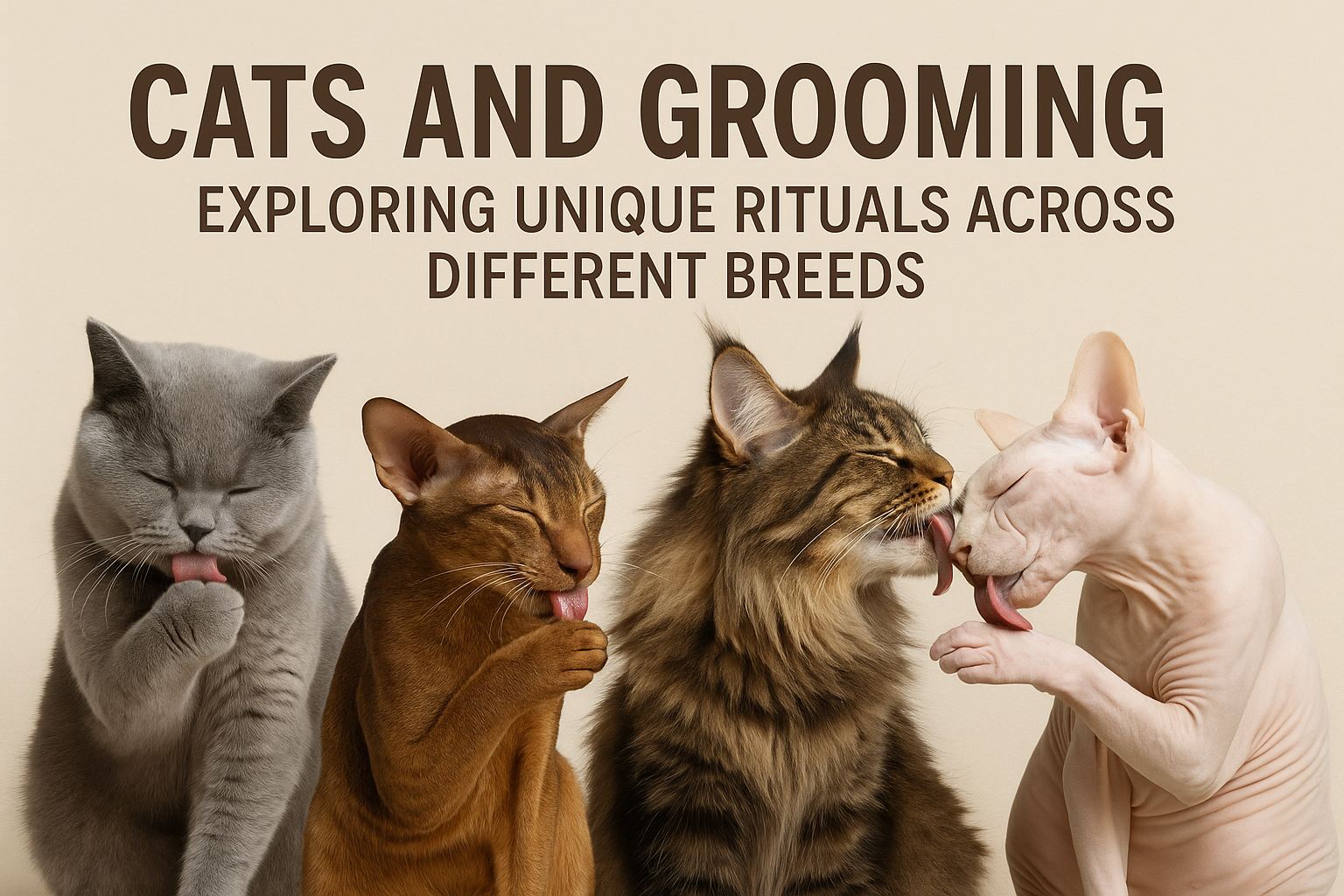
Cats are known for their independence, but grooming is one aspect where they show both self-care and instinctual behavior. In this article, we will explore how grooming varies among different cat breeds, the unique rituals they engage in, and how caretakers can assist their feline friends in maintaining optimal hygiene and health.
The Importance of Grooming
Grooming is not just about keeping a cat’s coat clean; it has several benefits:
- Health Monitoring: Regular grooming helps cat owners identify potential health issues like lumps, skin problems, or parasites.
- Bonding: Grooming can strengthen the bond between a cat and its owner, making it a soothing experience for both parties.
- Reducing Shedding: Grooming reduces the amount of loose hair in your home and helps prevent hairballs.
- Skin Health: Regular brushing distributes natural oils in the cat’s coat, promoting a healthy shine.
Cat Breeds and Their Unique Grooming Needs
Cats have varying grooming needs based on their breed characteristics. Let’s delve into a few of the popular breeds and their grooming rituals:
1. Persian Cats
Persians are known for their long, luxurious fur that requires daily grooming. Because their fur is prone to mats, owners are encouraged to develop a grooming routine early on.
- Daily Brushing: To prevent tangles and mats, a high-quality brush is essential. Look for a wide-toothed comb or a slicker brush.
- Bathing: While not frequently necessary, occasional baths can help maintain coat cleanliness. Use a cat-safe shampoo.
- Tear Staining: Persians are prone to tear stains, which require gentle cleaning around the eyes after brushing.
2. Siamese Cats
Siamese cats have short, fine coats that require minimal grooming. However, they have unique grooming rituals:
- Self-Grooming: Siamese cats are diligent self-groomers, often licking their coats to keep them clean.
- Regular Petting: Although they require less brushing, they enjoy regular petting to help reduce shedding and strengthen their bond with their owners.
3. Maine Coon Cats
Maine Coons, one of the largest domestic cat breeds, have water-repellent fur that requires careful maintenance:
- Weekly Grooming: A combination of a pin brush and a comb is best to untangle their coat. Since Maine Coons have a double layer of fur, owners are encouraged to groom them more frequently during shedding seasons.
- Ear Cleaning: Due to their tufted ears, owners should also check and clean the ears regularly to prevent wax buildup.
4. Ragdoll Cats
Ragdolls possess semi-longhair coats that require a moderate amount of grooming:
- Twice-Weekly Brushing: Use a brush designed for long-haired cats to prevent mats and tangles. Their gentle nature can make grooming a relaxing experience for both cat and owner.
- Bathing: Occasional baths may help, especially if they get into something dirty.
Grooming Tools for Cat Owners
To effectively groom your cat, several tools can be beneficial:
- Brushes: Different brushes are tailored for various coat types, so consider investing in a few that cater to your cat’s specific needs.
- Flea Combs: This tool is useful for detecting fleas and removing them, especially in cats that spend time outdoors.
- Nail Clippers: Regular nail trimming is essential to prevent discomfort or injury both for the cat and their owner.
- Ear Cleaners: When necessary, an ear cleaning solution designed for cats can help maintain ear hygiene.
Grooming Rituals and Behavioral Insights
Understanding your cat’s grooming habits can provide valuable insight into their health and behavior:
- Self-Grooming: Most cats engage in self-grooming as a means of comfort, sanitation, and stress relief. However, excessive grooming can signal anxiety or other health issues.
- Social Grooming: Cats often groom each other as a method of bonding. This behavior can also serve as a way to establish social hierarchies within multi-cat households.
- Grooming Posture: The position your cat assumes while grooming can indicate levels of comfort and relaxation. Cats that sprawl out while grooming are typically at ease.
Integrating Grooming into Your Routine
To ensure that grooming becomes a positive experience for your cat, consider the following tips:
- Start Young: Begin introducing grooming sessions when your cat is young. This helps them get accustomed to the process.
- Short Sessions: Keep grooming sessions brief initially to prevent overwhelming your cat. Gradually increase the duration as they become more comfortable.
- Positive Reinforcement: Use treats and praise to make grooming a rewarding experience for your cat.
- Choose the Right Time: Schedule grooming sessions when your cat is naturally relaxed, often after meals or playtime.
Conclusion
Grooming is an essential aspect of cat ownership that extends beyond aesthetic appeal. Understanding the unique grooming rituals of different breeds not only enhances your cat’s health and well-being but also fosters a stronger bond between you and your feline friend. Whether you own a self-grooming Siamese or a long-haired Persian, recognizing their grooming needs and respecting their individual rituals are key to ensuring their happiness and health.
FAQs
1. How often should I groom my cat?
The frequency of grooming depends on the breed. Long-haired cats typically require daily grooming, while short-haired cats may only need grooming once a week.
2. Can I bathe my cat?
While cats generally groom themselves, occasional baths may be beneficial for certain breeds. Always use cat-specific shampoos and ensure the water is warm.
3. What should I do if my cat does not like being groomed?
Start slowly, gradually introducing grooming sessions for short periods. Use treats, toys, and positive reinforcement to create a positive experience.
4. Is it normal for cats to groom excessively?
While grooming is natural, excessive grooming can indicate stress, anxiety, or health concerns. If you observe changes in your cat’s grooming habits, consult your veterinarian.
5. What grooming tools are essential for my cat?
Essential grooming tools include brushes suited to your cat’s coat type, nail clippers, and ear cleaners. Flea combs can also help monitor and remove parasites.