Why Cats Groom: The Surprising Science Behind Feline Self-Care
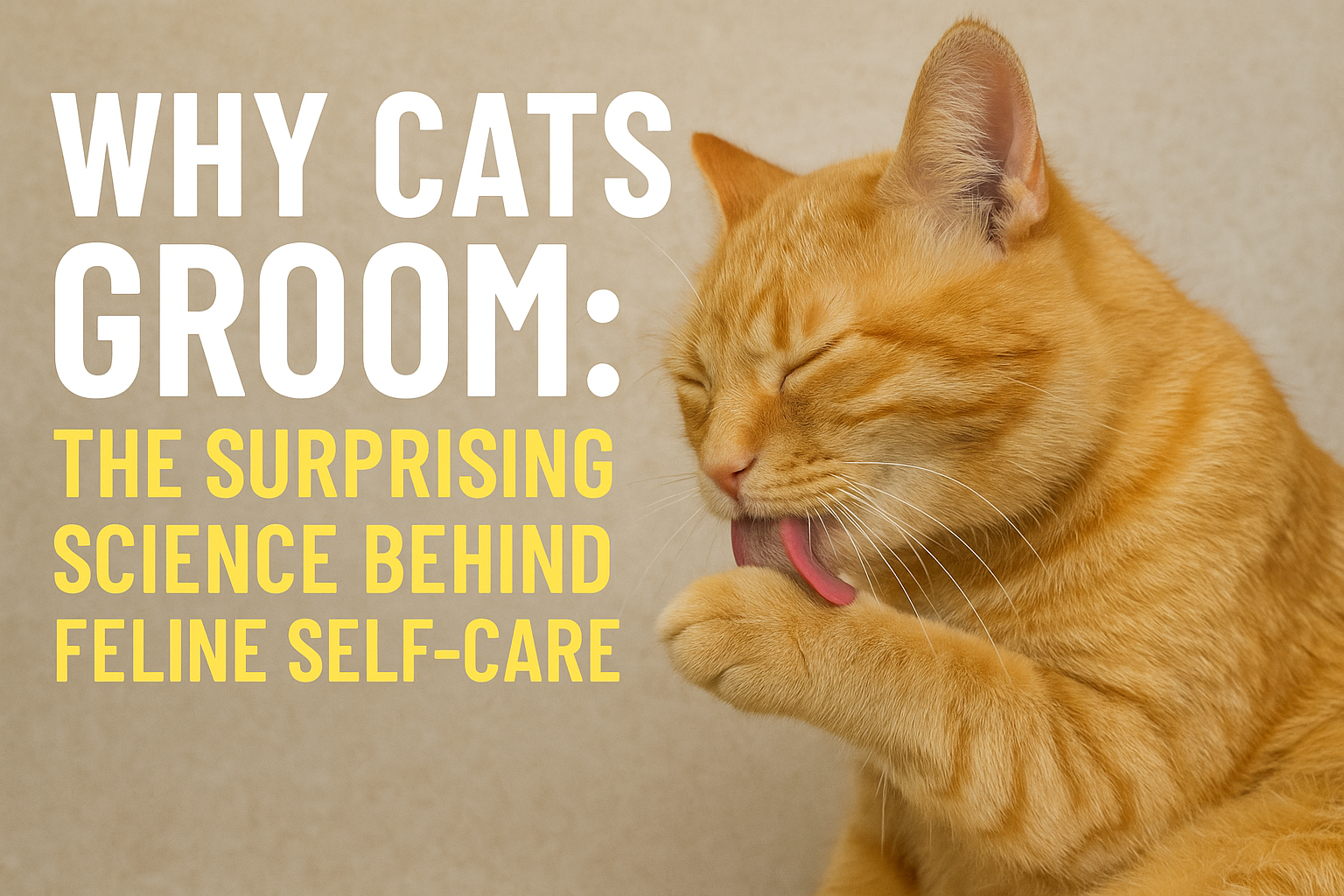
Cats are known for their meticulous grooming habits. If you’ve ever observed a cat, you know that they can spend a significant portion of their day licking their fur. While this activity might seem simple or even trivial, there is a substantial amount of science that explains why these creatures groom themselves so often. This article will explore the various reasons behind feline grooming, the psychological and physical benefits it provides, and what it means for their overall well-being.
1. The Anatomy of a Cat’s Tongue
To better understand why cats groom, we first need to take a look at their grooming tool: their tongue. A cat’s tongue is covered with tiny, hook-like structures called papillae. These structures serve several important functions:
- Cleaning: The papillae help to remove dirt and loose fur, keeping their coat clean.
- Regulating Body Temperature: By licking their fur, cats can also spread saliva across their bodies, which helps to cool them down.
- Stimulating Sebaceous Glands: Licking stimulates the production of oils from the skin, helping to keep their coat healthy and shiny.
2. Grooming for Hygiene and Health
Grooming plays a vital role in a cat’s hygiene and health. The act of grooming helps to:
- Prevent Matting: Long-haired cats, in particular, need regular grooming to prevent tangles and mats that can lead to skin infections.
- Minimize Parasites: Regular grooming allows cats to detect and remove parasites such as fleas and ticks from their fur.
- Maintain Skin Health: Grooming spreads natural oils throughout their fur, which is essential for skin hydration and health.
3. Grooming as a Stress Reliever
Beyond the physical benefits, grooming has psychological advantages as well. Cats often groom themselves as a way to cope with stress and anxiety. Here are some ways that grooming can serve as a form of self-care:
- Calming Effect: The repetitive action of grooming can have a calming effect on cats, similar to how humans might engage in habits like nail-biting or fidgeting when anxious.
- Creating a Safe Environment: By grooming, cats can reassure themselves that they are clean and free of parasites, which may contribute to their overall sense of security.
- Social Bonding: In multi-cat households, cats often groom each other. This mutual grooming behavior, known as allogrooming, strengthens social bonds among cats, increases feelings of safety, and reduces stress.
4. The Importance of Grooming in Different Life Stages
Grooming habits can vary significantly depending on a cat’s age and life stage. Here’s how different life stages impact grooming behaviors:
4.1 Kittens
From an early age, kittens learn the importance of grooming by observing their mothers. Kittens will begin to groom themselves around the age of 4 weeks. This behavior helps them to:
- Develop healthy hygiene habits.
- Bond with their mothers and littermates.
4.2 Adult Cats
For adult cats, grooming becomes a critical part of their daily routine. It can reflect their health status:
- Changes in grooming frequency can indicate health issues—over-grooming might suggest stress or medical problems, while under-grooming can indicate pain or discomfort.
4.3 Senior Cats
As cats age, they may groom less frequently due to various reasons:
- Arthritis and physical limitations can diminish their grooming abilities.
- Some senior cats may experience cognitive decline, leading to altered grooming behaviors.
5. Common Grooming Issues in Cats
While grooming is generally beneficial, there can be issues associated with it. Pet owners should be aware of the following:
- Over-Grooming: This can be a sign of stress, anxiety, or underlying health issues. If a cat is over-grooming to the point of creating bald patches, veterinary advice is recommended.
- Under-Grooming: This can be due to physical limitations, pain, or even depressive states. Cats that don’t groom themselves may require assistance from their owners.
- Skin Irritations: If grooming leads to excessive redness or irritation, it could indicate allergies, infections, or other skin conditions.
6. How Can Owners Support Their Cats’ Grooming Needs?
As a cat owner, you can help support your feline friend’s grooming needs. Here are some suggestions:
- Regular Brushings: Establish a brushing routine to help reduce shedding and matting, especially for long-haired breeds.
- Maintain a Clean Environment: Keeping your cat’s living environment free from parasites and dirt can promote better grooming.
- Monitor Changes in Grooming: Pay attention to any changes in your cat’s grooming habits; it could be a sign of health problems.
- Provide Stress Relief: Create a calming environment with safe spaces, playtime, and mental stimulation.
Conclusion
Cat grooming is more than just a means of maintaining hygiene; it is an essential part of a cat’s overall health and well-being. Understanding the reasons behind this behavior—from physiological functions to psychological benefits—can help pet owners appreciate their cats on a deeper level. By recognizing the importance of grooming and supporting your cat through regular maintenance and attention, you’ll ensure that your furry family members are healthy and happy.
Frequently Asked Questions (FAQs)
1. How often should I groom my cat?
The frequency of grooming depends on the cat’s breed and coat type. Long-haired cats often require daily grooming, while short-haired breeds may only need grooming once a week.
2. Why does my cat groom excessively?
Excessive grooming can be a sign of stress, anxiety, or a medical issue. If you notice your cat over-grooming, consult a veterinarian.
3. Can I use human shampoo to wash my cat?
No, human shampoo can be too harsh for a cat’s skin. Use specially formulated cat shampoo for bathing if needed.
4. Is it normal for cats to eat their fur?
Occasionally swallowing fur during grooming is normal; however, if you notice excessive fur consumption leading to vomiting or hairballs, it’s best to consult your vet.
5. How can I reduce shedding in my cat?
Regular grooming, maintaining a clean environment, and ensuring a balanced diet can help reduce shedding in cats.