Unlock Your Dog’s Super Powers The Ultimate Training Secrets for 2026
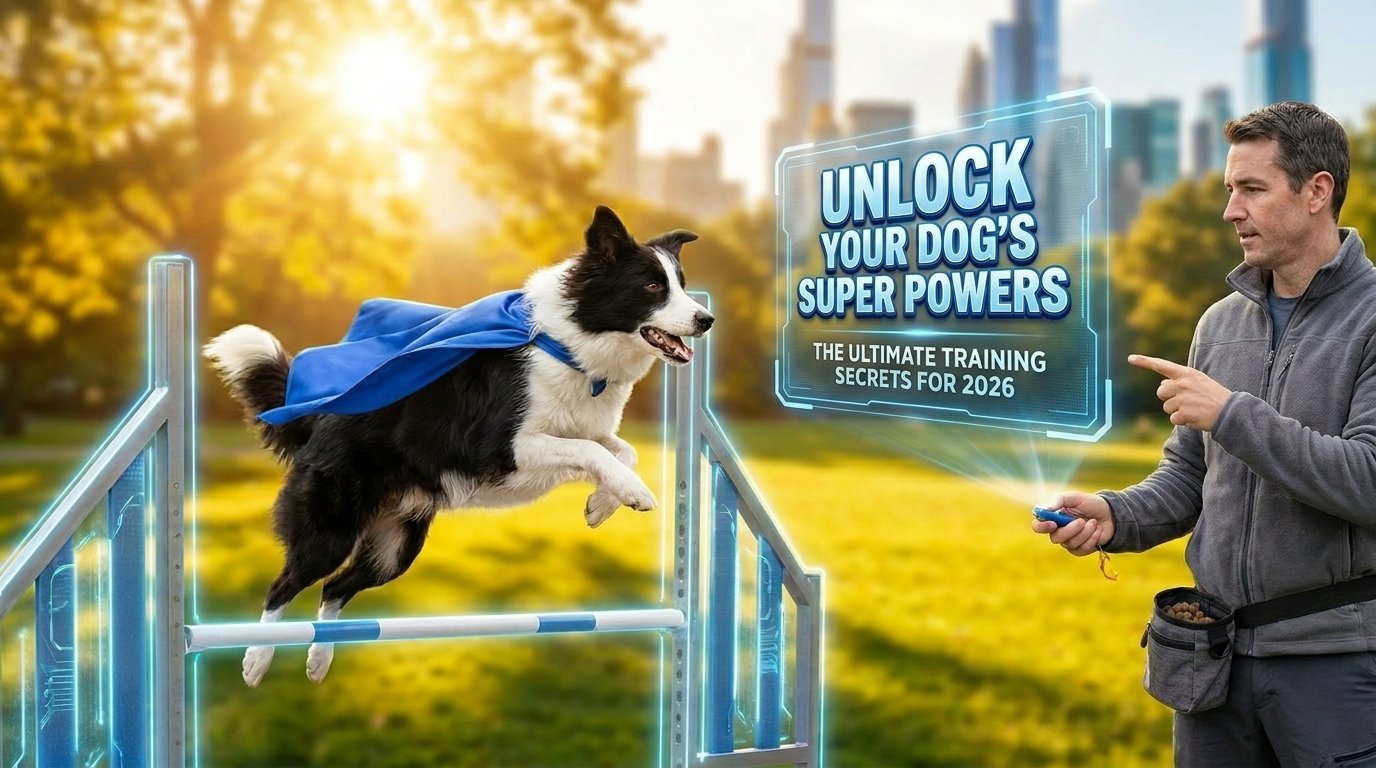
Discover 2026’s ultimate dog training secrets to unlock your dog’s full potential. Master positive reinforcement, advanced techniques, and smart tech for an extraordinary bond.
The Foundation of Canine Brilliance: Positive Reinforcement 2.0
Every dog possesses a unique blend of intelligence, loyalty, and boundless energy, just waiting to be channeled. The true magic of dog training lies in understanding how to tap into these innate qualities, transforming a well-loved pet into an extraordinary companion. This journey begins not with dominance or force, but with the profound power of positive reinforcement, a method that’s constantly evolving and proving its unparalleled effectiveness in modern dog training. It’s about building a language of mutual respect and understanding, making every interaction a learning opportunity.
Understanding the Science Behind Rewards
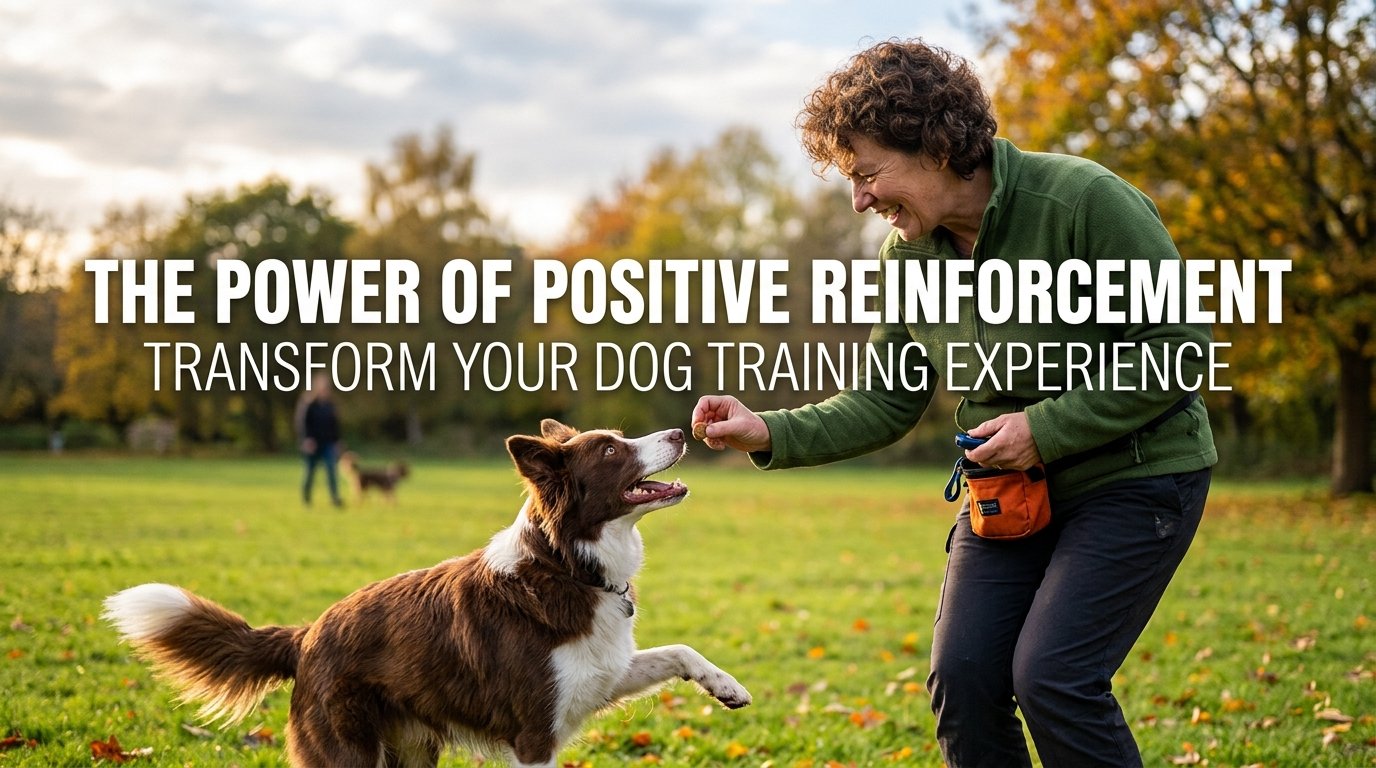
At its core, positive reinforcement leverages the natural desire of animals to seek out pleasant experiences. When your dog performs a desired action and immediately receives something rewarding – be it a tasty treat, an enthusiastic “good boy!”, or a favorite toy – their brain releases dopamine. This neurochemical process creates a strong association between the action and the positive outcome, making your dog more likely to repeat that behavior in the future. It’s a powerful cycle that fosters willing cooperation rather than reluctant obedience.
Effective positive reinforcement isn’t just about giving a treat; it’s about impeccable timing and consistency. The reward must occur within 1-3 seconds of the desired behavior for your dog to clearly understand what they’re being rewarded for. Inconsistency, on the other hand, can confuse your dog and slow down the learning process, making it harder for them to grasp new commands or habits. Consistency across all family members is key to success in any dog training regimen.
Beyond Treats: Diversifying Your Reinforcement Toolbox
While high-value treats are incredibly effective, especially in the initial stages of dog training, they are just one tool in your extensive reinforcement arsenal. Relying solely on food can sometimes lead to a dog who only performs when food is present, or who becomes less motivated by it over time. Diversifying your rewards ensures your dog remains engaged and responsive in various situations, truly internalizing the desired behaviors.
Consider incorporating a range of rewards that cater to your dog’s individual preferences. For some, a quick game of tug or fetch is the ultimate prize after a successful recall. Others might cherish a vigorous belly rub or a burst of enthusiastic verbal praise. Environmental rewards, such as permission to go outside, sniff a particular spot, or even greet another dog, can also be powerful motivators. Observe your dog closely to discover what truly excites and motivates them; this knowledge is invaluable for effective dog training.
Mastering Communication: Speaking Your Dog’s Language
True connection with your dog goes beyond spoken commands; it involves understanding their subtle cues and responding in a way that builds trust and clarity. Effective communication is a two-way street, where you not only teach your dog to understand you but also learn to interpret their body language, vocalizations, and behaviors. This deeper understanding forms the bedrock of successful dog training and a harmonious relationship.
Decoding Canine Cues: From Tail Wags to Ear Twitches
Dogs communicate constantly, even when they’re silent. Their bodies are rich with signals that can tell you everything from their emotional state to their intentions. A loose, wagging tail can indicate happiness, but a stiff, high tail wag often signals tension or arousal. Yawning, lip-licking, or averting gaze can be signs of stress or discomfort, not just tiredness.
Learning to read these signals allows you to adjust your approach, prevent potential problems, and respond to your dog’s needs more effectively. For instance, if your dog shows signs of stress during a training session, you can take a break, simplify the task, or change the environment. This empathetic approach fosters a sense of security and cooperation, making your dog more receptive to your guidance and enhancing the dog training experience.
Clear Commands and Consistent Expectations
Just as you learn to understand your dog, they need clear, unambiguous signals from you. When introducing new commands, choose short, distinct words or phrases, and stick to them. “Sit,” “Stay,” “Come,” and “Down” are classic examples of clear verbal cues. Pair these with consistent hand signals, which can be particularly helpful for dogs who are visually oriented or have hearing impairments.
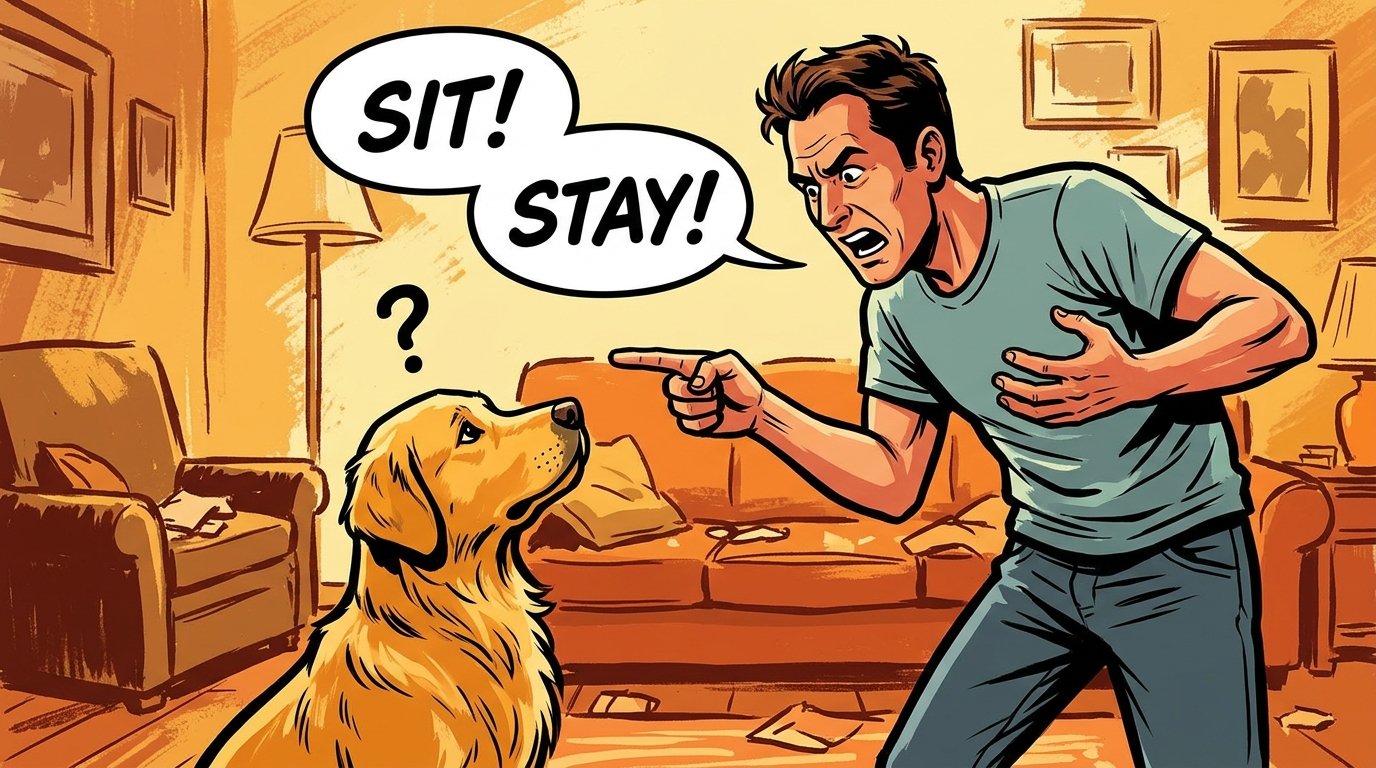
Consistency in expectations is paramount across all interactions. If “sit” means your dog’s rear touches the ground, it should always mean that, regardless of who is giving the command or where you are. Inconsistency from different family members can lead to confusion and frustration for your dog, hindering progress in dog training. Ensure everyone in the household uses the same commands and reinforces behaviors in the same way, creating a unified front that makes learning easier and faster for your canine companion.
Advanced Dog Training Techniques for 2026
As we look towards 2026, dog training is evolving beyond basic obedience to embrace a holistic approach that challenges our dogs mentally and physically. These advanced techniques not only build a more well-behaved dog but also a more confident, adaptable, and joyful one. They tap into your dog’s natural instincts and intelligence, turning everyday interactions into opportunities for growth and excitement.
Impulse Control and Self-Regulation
Many common behavioral issues stem from a lack of impulse control. Teaching your dog to manage their impulses is a crucial step towards unlocking their “superpowers” of calm and responsiveness. Commands like “Leave It” and “Wait” are foundational for preventing snatching food, chasing squirrels, or barging through doors. These aren’t just about obedience; they’re about teaching your dog to think before acting.
Games like “It’s Your Choice” where your dog learns to ignore a treat until released, or practicing polite greetings with visitors, build self-regulation skills. This type of dog training fosters a dog who can make better decisions, showing restraint even in exciting or tempting situations. It empowers them to be a polite member of society, both inside and outside the home.
Problem-Solving and Cognitive Engagement
A dog’s mind is a powerful tool, and providing outlets for cognitive engagement is just as important as physical exercise. Puzzle toys that dispense treats, scent work games where your dog sniffs out hidden items, or teaching complex trick sequences (like “weave” or “play dead”) all stimulate their brains. These activities can reduce boredom, decrease destructive behaviors, and build incredible confidence.
Introducing new tasks and challenges that require your dog to think critically strengthens their problem-solving abilities. This not only makes them smarter but also more resilient and adaptable in unfamiliar situations. Engaging in this kind of advanced dog training is a fantastic way to deepen your bond and witness your dog’s incredible mental capabilities unfold.
Canine Fitness and Agility Basics
Physical fitness is integral to a dog’s overall well-being and is a fantastic avenue for advanced dog training. Beyond daily walks, incorporating canine fitness exercises can improve strength, balance, and coordination, reducing the risk of injury and extending a dog’s healthy lifespan. Activities like controlled cavaletti poles (low obstacles for stepping over), balance discs, or even structured leash walking with changes in pace and direction, build body awareness and muscle tone.
For dogs with high energy or those who love to jump and run, introducing basic agility can be incredibly rewarding. You don’t need a full agility course; simple setups using household items like brooms for jumps, hula hoops for tunnels, or even a picnic table for a “pause table” can provide immense mental and physical stimulation. Agility is a fantastic way to work on focus, speed, and responsiveness, transforming your dog into a truly athletic and intelligent partner.
Leveraging Smart Technology in Dog Training
The world of dog training is continuously enhanced by technological advancements, offering innovative tools to support both pet parents and their canine companions. From monitoring devices to interactive training aids, smart gadgets can streamline processes, provide valuable insights, and even make dog training more engaging. While technology should always complement, never replace, direct human-dog interaction, strategic use can significantly boost your training efforts.
Revolutionizing Training with Gadgets and Apps
Modern technology offers an array of devices designed to support various aspects of dog care and training. GPS trackers integrated into collars provide peace of mind, allowing you to monitor your dog’s location if they ever wander. Smart feeders can manage meal times and portion control, crucial for dogs on a diet or those who need regular, timed meals. Remote cameras with two-way audio allow you to check in on your dog, communicate with them, and even dispense treats from afar, making separation anxiety management or solo training sessions more effective.
Beyond hardware, a plethora of dog training apps now exist. These can offer clicker training functionalities, log training progress, provide access to guided courses, or even connect you with virtual trainers. Many apps feature interactive games and puzzles designed to mentally stimulate your dog, turning screen time into productive learning time. The careful selection and integration of these tools can create a more structured and informed approach to dog training, enhancing your dog’s capabilities.
Comparison of Top Smart Dog Training Gadgets
Ethical Considerations for Tech Integration
While smart technology offers exciting possibilities for dog training, it’s vital to approach its use with ethical considerations. Gadgets should always serve as aids, never as substitutes for genuine human-dog interaction, affection, and hands-on guidance. Over-reliance on technology can diminish the personal bond that is so crucial for effective training and a happy pet.
Ensure any device you use is safe, comfortable for your dog, and used responsibly. For example, remote treat dispensers are great for positive reinforcement, but continuous, unsolicited treat delivery can lead to weight gain or a dog expecting rewards without performing behaviors. Always prioritize your dog’s well-being and the quality of your relationship over the convenience of a gadget. Technology should empower, not overshadow, the art of dog training.
Overcoming Common Dog Training Challenges
No dog training journey is without its bumps in the road. From frustrating plateaus to unexpected behavioral regressions, challenges are a natural part of the process. However, approaching these obstacles with patience, understanding, and the right strategies can turn setbacks into opportunities for deeper learning and stronger bonds. Recognizing and addressing common hurdles is a key aspect of successful dog training.
Managing Reactivity and Fear
One of the most significant challenges many dog owners face is reactivity, often expressed as barking, lunging, or growling at other dogs, people, or environmental triggers. Reactivity often stems from fear, anxiety, or overstimulation, rather than aggression. Addressing reactivity requires a nuanced approach, typically involving desensitization and counter-conditioning.
Desensitization gradually exposes your dog to their trigger at a distance or intensity where they remain calm, slowly reducing their sensitivity. Counter-conditioning changes your dog’s emotional response to the trigger by pairing it with something positive, like high-value treats. This process takes time, consistency, and often professional guidance, but it’s incredibly rewarding to see a reactive dog transform into a calmer, more confident companion through dedicated dog training.
Consistency is King: Building Sustainable Habits
The most common reason for dog training plateaus or regressions is a lack of consistency. Dogs thrive on routine and clear expectations. If a behavior is rewarded sometimes but ignored others, or if different family members use different commands or rules, your dog will become confused, and progress will stall. Building sustainable habits requires unwavering consistency from everyone involved in your dog’s life.
Establish a clear training schedule and stick to it, even if it’s just 5-10 minutes of focused training per day. Practice commands in various environments and with different distractions once your dog has mastered them in a quiet setting. Celebrate every small win, reinforce desired behaviors frequently, and be patient. Remember, dog training is a marathon, not a sprint, and your dedication to consistency will ultimately unlock your dog’s full potential and create lasting, positive habits.
The journey to unlocking your dog’s superpowers through effective dog training is a rewarding adventure that deepens your bond and enriches both your lives. By embracing modern positive reinforcement, mastering communication, exploring advanced techniques, and thoughtfully integrating smart technology, you’re not just teaching commands; you’re fostering a confident, well-adjusted, and extraordinary companion. Overcoming challenges with patience and consistency will solidify the foundations of a relationship built on trust and mutual respect. Begin implementing these strategies today and witness the incredible transformation in your best friend.
For more insights or collaboration opportunities, visit www.agentcircle.ai.
Frequently Asked Questions (FAQ)
How long does it take to train a dog effectively?
The timeframe for effective dog training varies greatly depending on the dog’s age, breed, individual personality, and the consistency of the training. Basic obedience can often be achieved in a few weeks or months with daily, short sessions, while advanced behaviors and addressing complex issues can take much longer, sometimes a year or more. It’s a continuous process of learning and refinement throughout your dog’s life.
Can old dogs learn new tricks?
Absolutely! The old adage “you can’t teach an old dog new tricks” is a myth. Older dogs can learn just as well as puppies, though they might learn at a slower pace due to established habits or reduced energy levels. Positive reinforcement methods work wonderfully with senior dogs, keeping their minds sharp and engaged.
What’s the most common mistake in dog training?
One of the most common mistakes is a lack of consistency. When rules, commands, or expectations change frequently, or if different family members apply them inconsistently, dogs become confused and training progress slows. Another common error is failing to adequately reward desired behaviors, leading to a lack of motivation.
When should I seek professional dog training help?
It’s always beneficial to seek professional help if you’re struggling with specific behavioral issues (like aggression, severe separation anxiety, or excessive reactivity), if you’re feeling overwhelmed, or if you simply want to learn best practices from an expert. A certified professional dog trainer can provide personalized guidance, identify underlying causes of behavior, and teach you effective strategies.