Harnessing Big Data: Optimizing Animal Health Through Nutrition Innovation
The Importance of Animal Health
Animal health is a critical component of global food security, environmental sustainability, and economic viability in the agricultural sector. Healthy animals are not only more productive but also contribute to healthier ecosystems. Diseases and poor nutritional practices can significantly hinder animal productivity, resulting in economic losses and food shortages. Thus, optimizing animal health through innovative nutrition strategies is more vital than ever.
Understanding Big Data in Animal Health
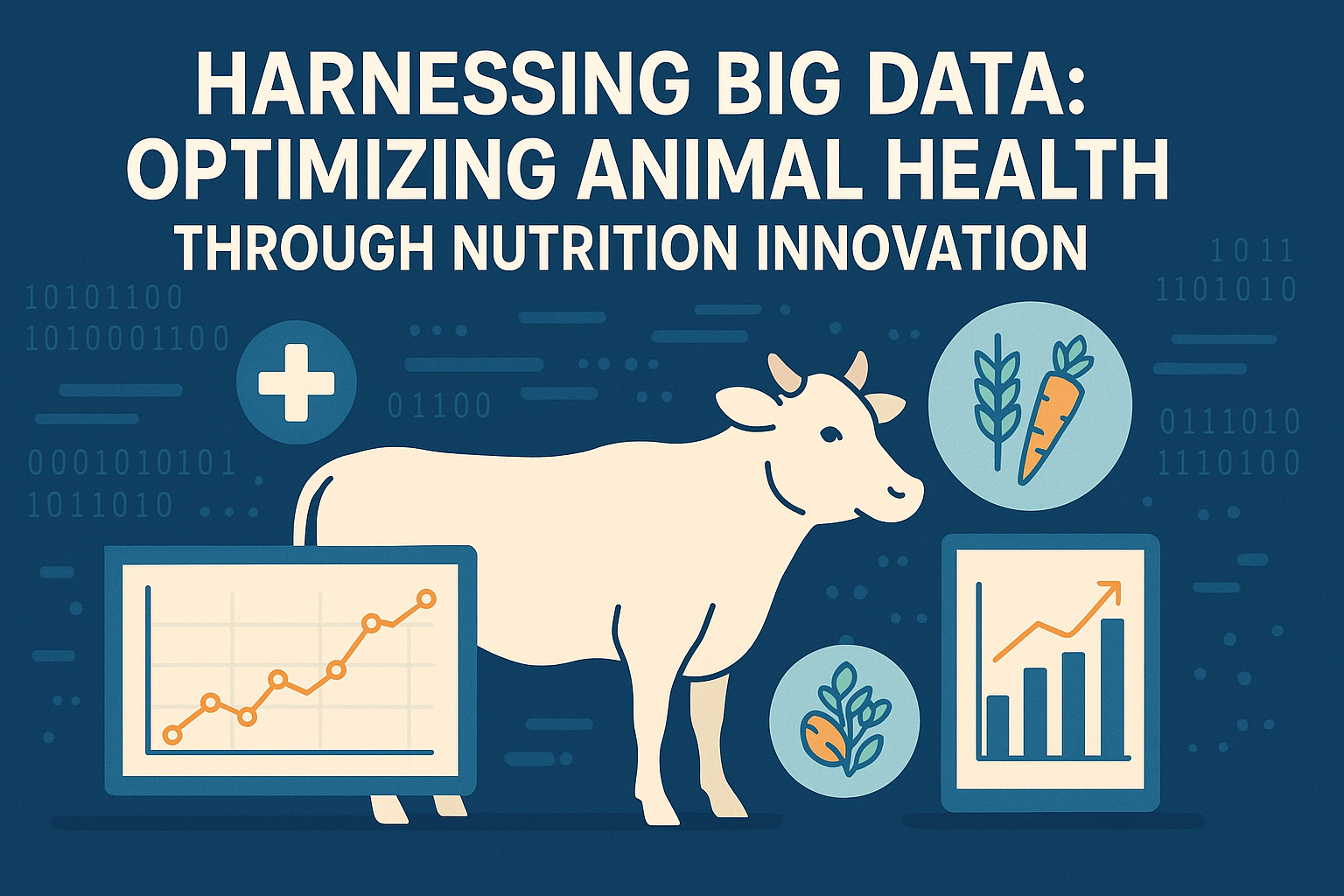
Big data refers to the vast volumes of structured and unstructured data generated from various sources, including electronic health records, farm management systems, and genomic studies. In the context of animal health, big data allows researchers, veterinarians, and farmers to analyze trends, identify correlations, and improve decision-making processes regarding animal nutrition and overall wellbeing.
The Role of Nutrition in Animal Health
Nutrition plays a foundational role in the health of animals, impacting growth rates, immune function, reproduction, and resilience to diseases. A well-formulated diet tailored to the specific needs of different animal species, ages, and production stages is crucial. Big data allows for a more precise understanding of the nutritional requirements needed to prevent deficiencies and optimize health.
Innovative Nutritional Strategies Enhanced by Big Data
1. Precision Nutrition
Precision nutrition refers to tailoring dietary regimens based on an individual’s specific needs rather than a one-size-fits-all approach. By employing big data analytics, nutritionists can analyze historical data on animal performance, health outcomes, and nutrient requirements to create personalized dietary plans that align with the unique metabolic profiles of each animal.
2. Feed Formulation and Optimization
Modern feed formulation techniques use algorithms and data analytics to optimize ingredient combinations for cost and nutritional value. This optimization is key to ensuring that animals receive balanced diets that promote health while minimizing waste and reducing feed costs. With big data, feed formulations can be continuously monitored and adjusted based on real-time performance data from animals.
3. Probiotics and Microbiome Analysis
The gut microbiome plays an essential role in animal health and nutrition. By harnessing big data, researchers can study the intricate relationships between probiotics, diet, and animal health outcomes. This understanding allows for the development of targeted probiotic supplements that enhance gut health, improve nutrient absorption, and boost overall immunity.
4. Monitoring and Real-Time Data Collection
The advent of Internet of Things (IoT) devices has revolutionized how farmers monitor animal health and nutrition. Wearable technologies that track vital signs and behavioral patterns can provide real-time data on an animal’s health status. The integration of this data with big data analytics helps in early detection of health issues and provides insights for nutritional adjustments.
Case Studies: Successful Implementation
1. Dairy Cattle Nutrition
A leading dairy farm implemented big data analytics to assess the nutritional needs of their herd. By utilizing a data management software, they tracked milk production, health records, and dietary intake. The farm discovered that optimizing the protein content in their feed improved lactation rates and overall health, resulting in a 20% increase in milk yield.
2. Poultry Nutrition and Health
A poultry producer adopted precision feeding strategies by analyzing data from various flocks using big data tools. The analysis revealed insights into feed conversion ratios and mortality rates. By adjusting feed formulations and including specific supplements based on data insights, the producer saw a 15% reduction in feed costs and improved bird health.
Challenges and Future Directions
While the integration of big data into animal health and nutrition is promising, there are challenges to overcome. Data privacy concerns, the need for standardization of data collection methods, and investment in technology infrastructure are significant hurdles.
Looking ahead, the focus should be on creating collaborative ecosystems where farmers, veterinarians, nutritionists, and data scientists work together. Advances in machine learning and artificial intelligence will further enhance predictive analytics and help in developing innovative nutrition solutions tailored to the needs of livestock and companion animals alike.
Conclusion
Harnessing big data for optimizing animal health through nutrition innovation is essential for the agricultural sector’s future. With the increased precision in animal nutrition strategies, better management practices become possible, ultimately leading to healthier animals, increased productivity, and sustainable agricultural systems. As technology continues to evolve, embracing big data analytics will be crucial in shaping the future of animal health and nutrition.
FAQs
1. What is big data in animal health?
Big data in animal health refers to the extensive collection, analysis, and application of data from various sources that can inform better nutrition and health management practices for animals.
2. How can big data improve animal nutrition?
Big data improves animal nutrition by enabling precision feeding practices, optimizing feed formulations, analyzing gut microbiomes, and facilitating real-time health monitoring for tailored nutritional strategies.
3. What are some challenges in implementing big data solutions?
Challenges include data privacy concerns, standardization of data collection methods, and the significant investment required in technology infrastructure and training.
4. How does precision nutrition benefit livestock?
Precision nutrition benefits livestock by ensuring that each animal receives a tailored diet based on its specific health and production needs, which can enhance overall productivity and health outcomes.
5. What role does technology play in animal health and nutrition?
Technology plays a crucial role by enabling data collection, analysis, real-time monitoring, and the development of innovative nutritional strategies that can significantly improve animal health and productivity.