
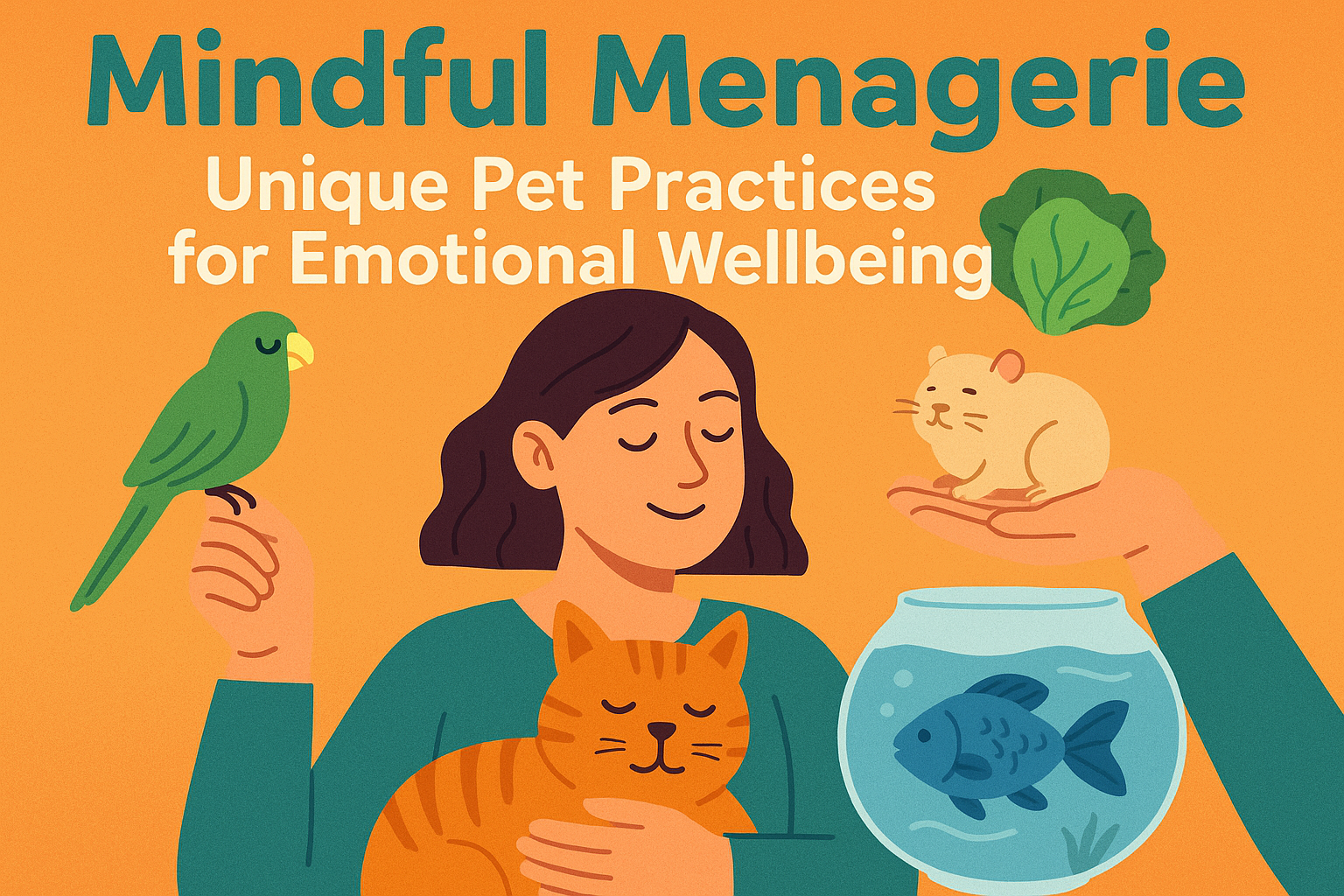
Pets hold a special place in our hearts. The bond between humans and their pets can provide emotional support, companionship, and joy. In recent years, there has been an increasing recognition of how animals contribute to our emotional wellbeing. Through mindful pet practices, we not only enhance our connection with our furry friends but also promote our own mental health.
The Emotional Connection
The presence of a pet can significantly reduce feelings of loneliness and anxiety. Studies have shown that interacting with pets can elevate levels of serotonin and dopamine, which are hormones associated with happiness and wellbeing. Pets also help ease stress, lower blood pressure, and have a calming effect, making them excellent companions for individuals dealing with emotional challenges.
Mindfulness and Pets
Mindfulness involves being fully present in the moment, acknowledging our thoughts and feelings without judgment. By incorporating mindfulness into our interactions with pets, we can deepen our emotional connections and improve our overall mental health.
Unique Mindful Pet Practices
1. Mindful Walks
Instead of rushing through a walk with your dog or other pets, dedicate time to truly experience the environment. Engage your senses: feel the ground beneath your feet, listen to the sounds of nature, observe the colors and movements around you, and notice how your pet responds to their surroundings. This not only enhances your bond but also brings peace to your mind.
2. Meditation with Pets
Try incorporating your pet into your meditation practice. Sit quietly with your pet, focusing on your breath and your pet’s breathing. This can foster a unique bond and create a calming environment. If your pet enjoys being close to you, such as a cat on your lap or a dog by your side, it can amplify your feelings of comfort and tranquility.
3. Play Therapy
Engage in interactive play with your pet using toys or games that stimulate their mind and body. This practice can provide joy for both you and your pet and serves as an excellent way to relieve stress. Whether it’s tossing a ball or using puzzle toys, make sure to be fully engaged, observing your pet’s reactions and their excitement.
4. Pet Journaling
Keeping a pet journal can help you reflect on your experiences with your pet. Write about the moments that bring you joy, challenges you face, or insights gained through your relationship. This practice enhances emotional awareness and strengthens your bond with your animal companion.
5. Create A Sanctuary Space
Designate a quiet area in your home as a “sanctuary” for you and your pet. This can be a cozy corner with cushions and toys where you can spend time together peacefully. Engaging in relaxation exercises or simply enjoying each other’s presence in this space encourages mindfulness and tranquility.
6. Gratitude Rituals
Establish a daily or weekly gratitude ritual where you express appreciation for your pet. This could be verbally expressing gratitude, writing it down, or even speaking it aloud during your moments together. Recognizing and appreciating the joy your pet brings can elevate your mood and enhance emotional wellbeing.
7. Creative Outlets
Explore creative practices that include your pet, such as painting with pet-safe nontoxic paints, taking photographs, or crafting DIY toys together. Not only can these activities be fun and engaging, but they also allow you to focus on the present and express your feelings. Capture the essence of your bond through art or photography as a form of creative therapy.
8. Mindful Feeding
Transform mealtime into a mindful activity. Take the time to prepare your pet’s meals attentively, considering the nutritional benefits and enjoying the process. While your pet is eating, observe their behavior, and appreciate the joy in their simple act of nourishment. This practice promotes a stronger connection and enhances mindfulness.
9. Training Sessions
Training your pet can be a rewarding experience that deepens your bond. Approach training sessions with patience and mindfulness. Focused attention during these sessions can strengthen communication and trust between you and your pet, creating a positive environment for both of you.
10. Volunteer Together
Consider volunteering with your pet at local shelters or participating in therapy pet programs. Helping others can be incredibly fulfilling, and allowing your pet to interact with others in a social setting can enhance both your emotional health and that of others. This also provides a great opportunity for your pet to socialize and learn.
Conclusion
Incorporating mindful practices into your interactions with pets can significantly improve emotional wellbeing for both you and your animal companions. The unique practices outlined above encourage a deeper connection and foster a supportive, enriching environment. By being present and fully engaged with our pets, we not only create joyful experiences but also help enhance our mental health and emotional resilience. Embrace the mindful menagerie in your life and discover the invaluable impact your pets can have on your journey towards emotional wellbeing.
FAQs
Q1: How do pets help with mental health issues?
A1: Pets can provide companionship, reduce feelings of loneliness, and promote physical activity, which are all beneficial for mental health. Their unconditional love and presence can also help lower stress levels and increase feelings of happiness.
Q2: Can any pet contribute to emotional wellbeing?
A2: Yes, while dogs and cats are the most common pets associated with emotional support, other pets like rabbits, birds, and even reptiles can provide companionship and joy. The key is the bond and connection you establish with your pet.
Q3: What if I don’t have a pet? Can I still engage in these practices?
A3: Absolutely! You can volunteer at animal shelters, participate in pet therapy programs, or even spend time with friends’ pets. These interactions can still offer emotional benefits and opportunities for mindfulness.
Q4: How can I start a mindfulness practice with my pet?
A4: Start small by dedicating specific moments to truly engage with your pet. Whether it’s during walks, playtime, or even while feeding them, focus on the experience and be present. Gradually explore other practices listed in the article.
Q5: What pets are best for emotional support?
A5: Dogs and cats are commonly recognized as great emotional support animals due to their affectionate nature. However, the best pet for emotional support can vary based on personal preferences and lifestyle. Consider factors such as reliability, temperament, and the bond you share.
 PRINCE2030