Is Your Pet’s Food Making Them Sick What You Need to Know in 2026
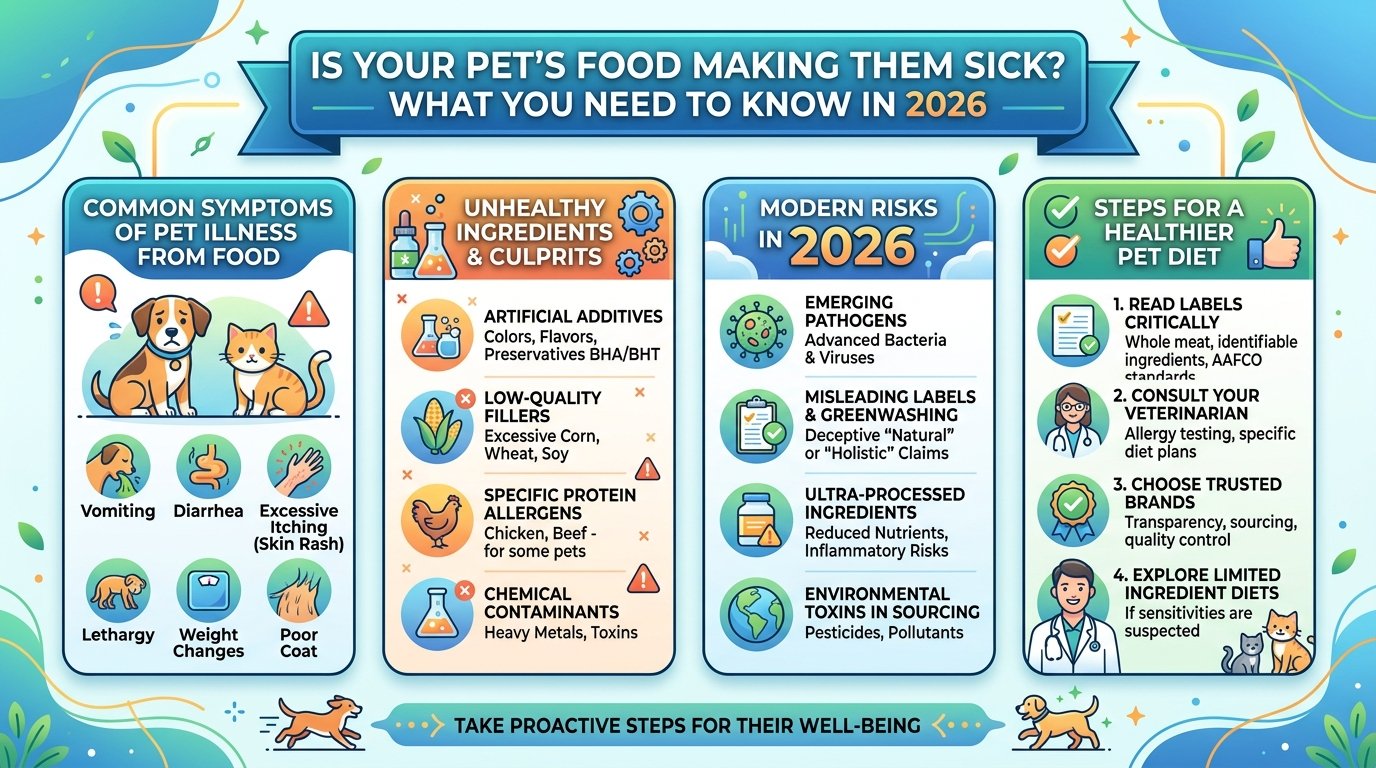
Is Your Pet’s Food Making Them Sick What You Need to Know in 2026
Understanding the Silent Signals: Is Your Pet’s Food Causing Issues?
As pet parents, we want nothing more than for our beloved companions to live long, healthy, and happy lives. A cornerstone of their well-being is the very thing they eat every day: their pet food. While many commercial pet food brands promise complete nutrition, an increasing number of pet owners are discovering that what’s in their pet’s bowl might actually be contributing to various health problems. Identifying these issues early is crucial, especially as formulations and our understanding of pet nutrition evolve into 2026.
The signs that your pet food isn’t agreeing with your furry friend can be subtle or overt, manifesting in ways you might not immediately connect to diet. It’s not always about a sudden illness; sometimes, it’s a gradual decline in vitality or the emergence of persistent, seemingly unrelated symptoms. Learning to recognize these indicators is the first step toward advocating for your pet’s health.
Common Symptoms to Watch For
Pets are incredibly resilient, often hiding discomfort until symptoms become significant. Observing your pet closely for any changes in their normal behavior or physical condition is essential. These symptoms can be direct indicators that their pet food may not be suitable.
Digestive Issues
One of the most immediate ways an unsuitable pet food can manifest itself is through digestive upset. These issues are often uncomfortable for your pet and concerning for you.
- Vomiting: Frequent or unexplained vomiting, especially after meals, can signal a sensitivity or intolerance to ingredients.
- Diarrhea: Chronic loose stools, or sudden bouts of diarrhea, are common signs of dietary distress.
- Gas and Bloating: Excessive flatulence, a distended abdomen, or visible discomfort after eating can indicate poor digestion or ingredient sensitivities.
- Constipation: Difficulty passing stools, or infrequent bowel movements, might also be linked to inadequate fiber or poor ingredient quality in their pet food.
Skin and Coat Problems
The condition of your pet’s skin and coat is a strong indicator of their internal health. A healthy diet typically results in a shiny coat and supple skin, while issues often point to dietary deficiencies or allergies related to pet food.
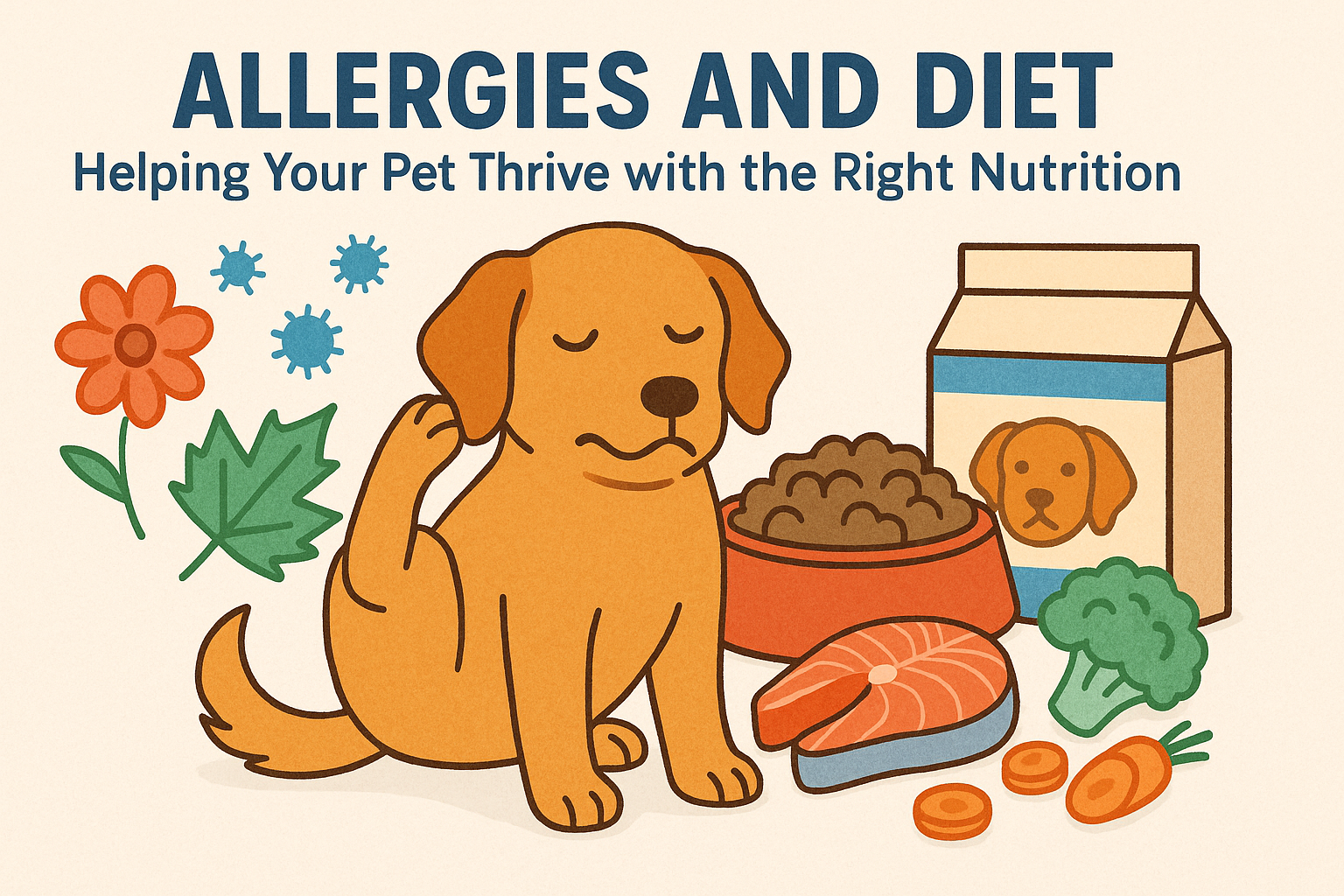
- Itching and Scratching: Persistent itching, licking, or chewing at their skin, paws, or ears can be a classic sign of food allergies or sensitivities.
- Dull Coat: A lack of shine, dryness, or excessive shedding can indicate a deficiency in essential fatty acids or other nutrients, often stemming from poor quality pet food.
- Hot Spots and Rashes: Red, inflamed patches of skin, often caused by self-trauma from licking, are frequently linked to allergic reactions.
- Ear Infections: Chronic ear infections, particularly yeast infections, are surprisingly often connected to food allergies.
Energy Levels and Behavioral Changes
Your pet’s energy and demeanor can also be affected by their diet. A diet lacking proper nutrition or causing discomfort can impact their overall mood and activity.
- Lethargy: A sudden or gradual decrease in energy levels, reluctance to play, or prolonged periods of sleep can be a sign something is amiss with their pet food.
- Hyperactivity or Irritability: Some pets may exhibit increased restlessness, anxiety, or even aggression due to food sensitivities, particularly to artificial additives or excessive carbohydrates.
Weight Fluctuations
Maintaining an ideal weight is crucial for pet health. Unexplained weight gain or loss can be a direct result of their pet food’s caloric density, nutrient balance, or their body’s ability to process it.
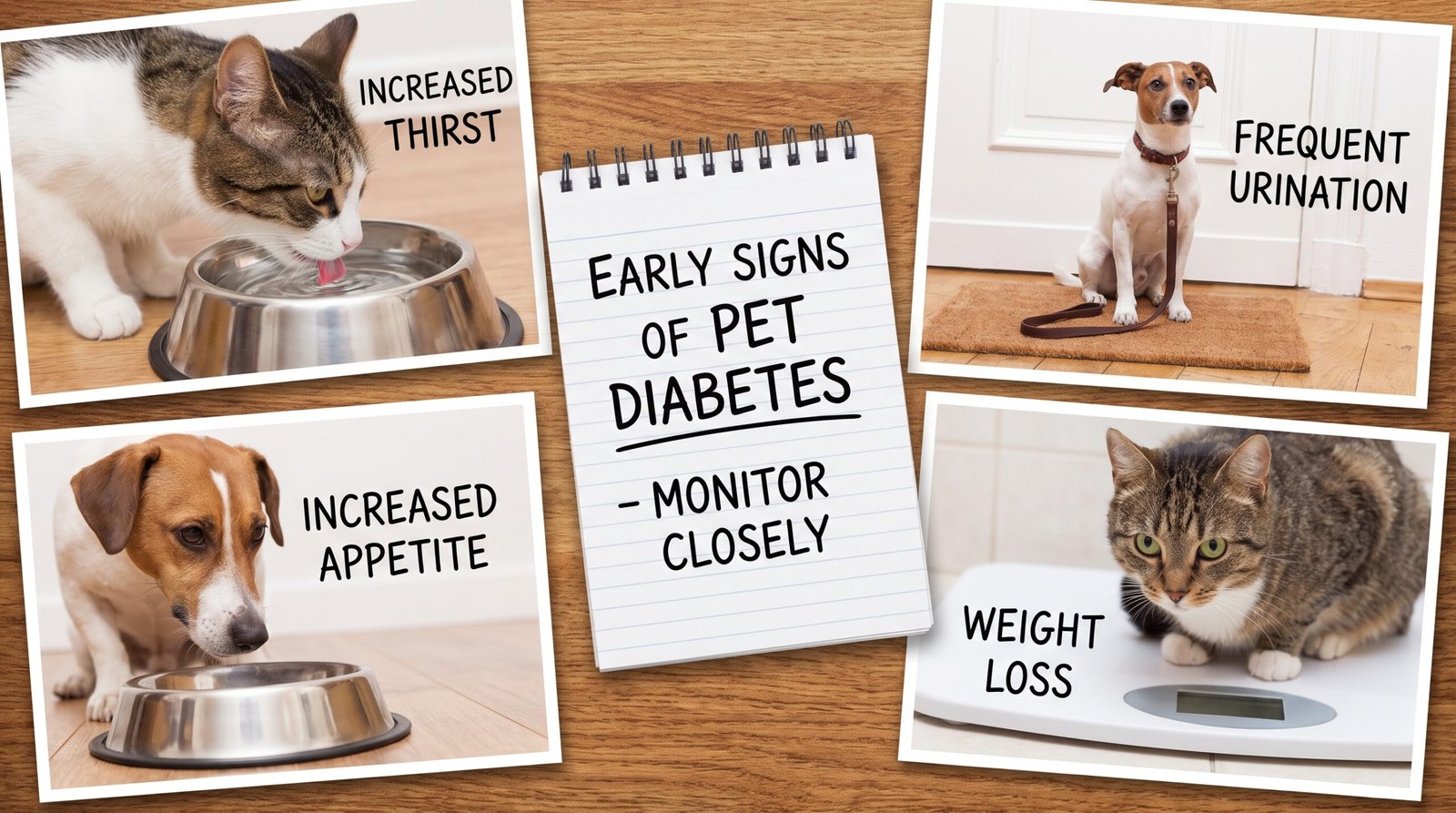
- Unexplained Weight Loss: Despite eating regularly, if your pet is losing weight, they may not be absorbing nutrients properly, or their pet food might lack sufficient calories and protein.
- Obesity: Conversely, rapid weight gain can occur from pet food that is too high in calories, unhealthy fats, or fillers, or if portion sizes are incorrect.
The Link Between Ingredients and Illness
Understanding what’s inside your pet food is paramount. Many common commercial pet food ingredients, while seemingly harmless, can be culprits behind various health issues.
Common Allergens and Sensitivities
Just like humans, pets can develop allergies or sensitivities to specific ingredients, even those found in high-quality pet food. These reactions are often immune-mediated and can worsen over time with continued exposure.
- Proteins: Chicken, beef, dairy, and eggs are among the most common protein allergens. While essential, some pets react negatively to specific sources.
- Grains: Wheat, corn, and soy are frequently cited as potential allergens, although true grain allergies are less common than protein allergies. However, they can act as inflammatory agents for some.
- Other Ingredients: Yeast, certain vegetables, and even fish can occasionally trigger reactions in sensitive pets.
Artificial Additives, Preservatives, and Dyes
Many pet food manufacturers use artificial ingredients to enhance flavor, extend shelf life, or make the product visually appealing. These can be detrimental to your pet’s health.
- Artificial Colors: Dyes like Blue 2, Red 40, and Yellow 5 & 6 have been linked to behavioral problems and allergic reactions in sensitive pets.
- Artificial Flavors: Chemical enhancers designed to make food more palatable can sometimes trigger sensitivities.
- Chemical Preservatives: BHA, BHT, and ethoxyquin are common chemical preservatives that have raised concerns due to potential links to health issues over long-term consumption.
Low-Quality Fillers
Fillers are ingredients added to pet food primarily to increase bulk. While some fillers offer nutritional value, many low-quality ones provide minimal benefits and can even be problematic.
- Corn, Wheat Gluten, and Soy: These are often used as cheap fillers. For pets with sensitivities, they can cause digestive upset and allergic reactions. They also offer limited nutritional density compared to whole ingredients.
- Meat By-products: While not inherently bad if sourced from healthy animals, generic “meat by-products” can be inconsistent in quality and origin.
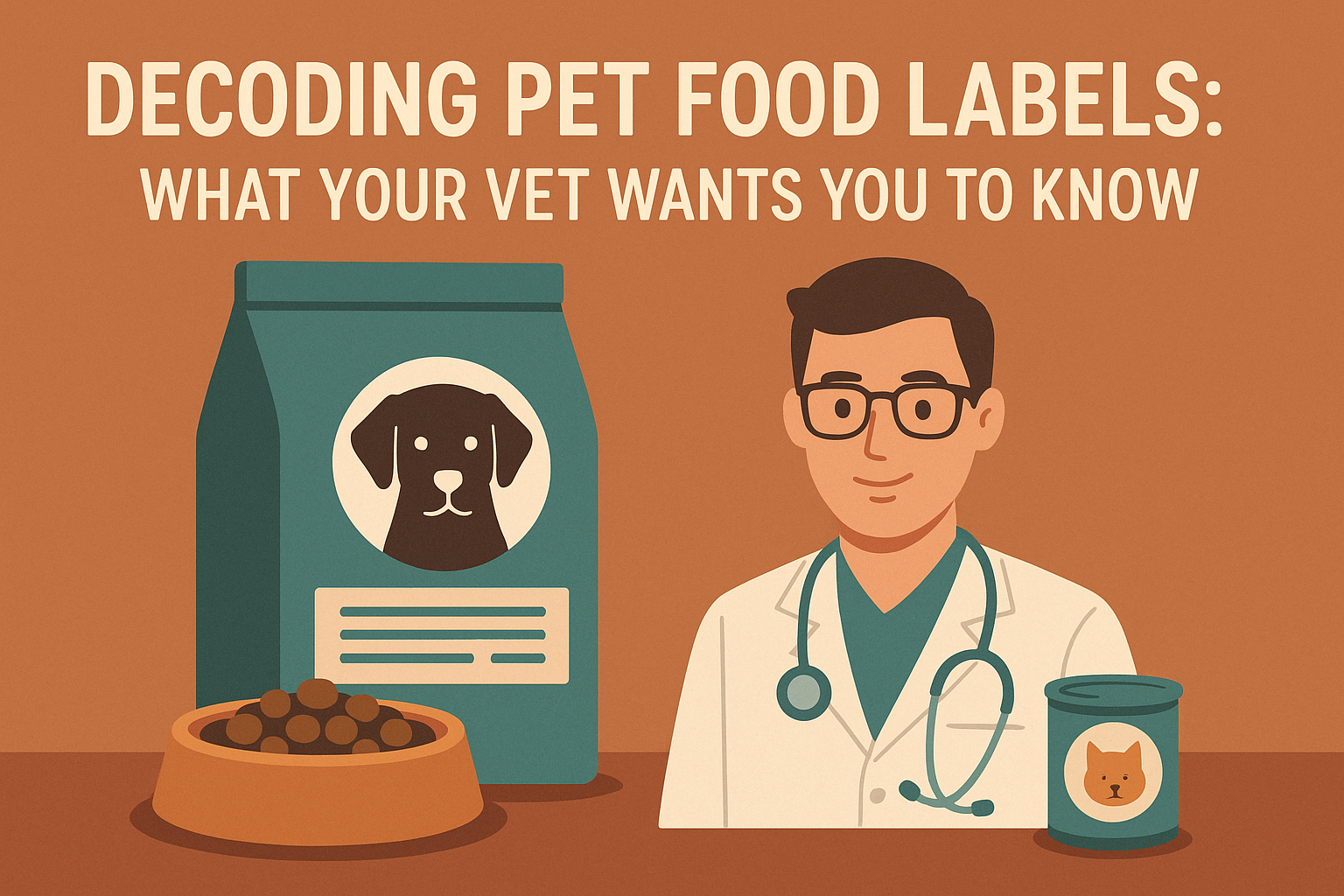
Decoding Pet Food Labels: What to Look For (and Avoid) in 2026
Navigating the complex world of pet food labels can feel like deciphering a foreign language. However, understanding what to look for—and what to actively avoid—is your most powerful tool in ensuring your pet receives optimal nutrition. As we move into 2026, transparency and quality in pet food continue to be paramount.
The label is legally required to provide critical information, yet it’s often presented in a way that requires careful reading. Don’t be swayed by marketing claims on the front of the bag; the ingredient list and nutritional analysis tell the true story of the pet food.
Prioritizing Whole, Recognizable Ingredients
The first few ingredients on a pet food label are the most important, as they constitute the largest proportion of the food. Look for ingredients that you recognize and that sound like actual food.
- Meat as the First Ingredient: Always seek out a named meat source (e.g., “chicken,” “beef,” “salmon”) as the first ingredient. Better yet, look for “deboned chicken” or “chicken meal” (a concentrated form of chicken protein). Avoid generic terms like “meat by-products” or “animal digest.”
- Whole Grains vs. Refined: If grains are present, opt for whole grains like brown rice, oats, or barley, which provide fiber and complex carbohydrates. Limit pet food with high amounts of refined grains like corn gluten meal or brewer’s rice, which offer less nutritional value.
- Fruits and Vegetables: Quality pet food often includes identifiable fruits and vegetables like sweet potatoes, peas, carrots, blueberries, and cranberries. These provide essential vitamins, minerals, and antioxidants.
- Healthy Fats: Look for named fat sources such as chicken fat, salmon oil, or flaxseed. These provide essential fatty acids crucial for skin, coat, and overall health.
Navigating the World of Additives and Preservatives
While some additives are necessary for nutrient balance and preservation, many are simply cosmetic or cheap fillers. Be an informed consumer when scrutinizing the pet food label.
- Artificial Colors, Flavors, and Sweeteners: Avoid pet food containing artificial dyes (e.g., Blue 2, Red 40), artificial flavors, or sweeteners, as these offer no nutritional benefit and can be linked to health issues.
- Chemical Preservatives: Steer clear of BHA, BHT, and ethoxyquin. Instead, look for natural preservatives like mixed tocopherols (Vitamin E), ascorbic acid (Vitamin C), and rosemary extract.
- Excessive Salt and Sugar: While pets need trace amounts of sodium, excessively high salt can be problematic. Sugar is rarely needed and can contribute to weight gain and dental issues.
Understanding Nutritional Adequacy Statements
The AAFCO (Association of American Feed Control Officials) statement is a crucial part of the pet food label. It indicates whether the food provides complete and balanced nutrition for a specific life stage.
- “Complete and Balanced”: This phrase means the pet food meets the nutrient profiles established by AAFCO for a particular life stage.
- Life Stage Specific Diets: Ensure the pet food matches your pet’s current life stage: “growth” (puppies/kittens), “adult maintenance,” “senior,” or “all life stages.” Feeding a puppy food to an adult pet, for instance, can lead to obesity.
- Therapeutic Diets: If your vet has recommended a specific diet for a medical condition, ensure the label clearly states its intended therapeutic purpose and is backed by veterinary formulation.
Emerging Trends and Technologies in Pet Food Monitoring
The landscape of pet care is rapidly evolving, and 2026 brings exciting advancements in how we monitor our pets’ health and administer their pet food. Technology is playing an increasingly vital role, offering tools that help owners ensure their pets are receiving optimal nutrition and manage their feeding routines with precision.
These innovations range from smart feeding systems that control portion sizes and schedules to wearables that track activity and calorie burn, providing a holistic view of a pet’s dietary needs and overall health. Embracing these technologies can offer peace of mind and significantly improve a pet’s quality of life.
Smart Pet Feeding Systems and Health Trackers
Automated feeders and health monitors are becoming more sophisticated, offering features that go beyond simple timed dispensing. They help manage precise pet food portions, integrate with health tracking, and even offer remote control for busy pet owners.
| Product | Price | Pros | Cons | Best For |
|---|---|---|---|---|
| PetSafe Smart Feed | $199 | Programmable meal times and sizes, smartphone app control, slow-feed option. | Requires Wi-Fi, occasional app glitches reported. | Owners needing remote control and precise portioning. |
| Wagz Serve Smart Feeder | $249 | Camera for remote viewing, facial recognition for multi-pet homes, diet recommendations. | Higher price point, setup can be complex for some users. | Multi-pet households and tech-savvy owners wanting advanced features. |
| SureFeed Microchip Pet Feeder | $189 | Reads pet’s microchip/RFID tag to ensure only designated pet eats specific food. | Not Wi-Fi enabled, battery operated (requires regular changes). | Households with multiple pets on different diets or pets prone to ‘food theft’. |
| FitBark GPS & Health Tracker | $99 + subscription | Tracks activity, sleep, calories burned, GPS location, integrates with some feeding apps. | Requires monthly subscription for GPS, battery life varies with usage. | Active pets, tracking exercise, and correlating activity with pet food intake. |
Personalized Nutrition and Custom Diets
The future of pet food is increasingly personalized. Companies are leveraging genetic science and advanced analytics to create bespoke diets tailored to an individual pet’s needs, moving far beyond generic “all life stages” formulations.
- DNA Testing for Diet Recommendations: Services are emerging that analyze a pet’s genetic predispositions to certain health conditions, allergies, or nutrient requirements. This information can then guide the selection or formulation of specific pet food.
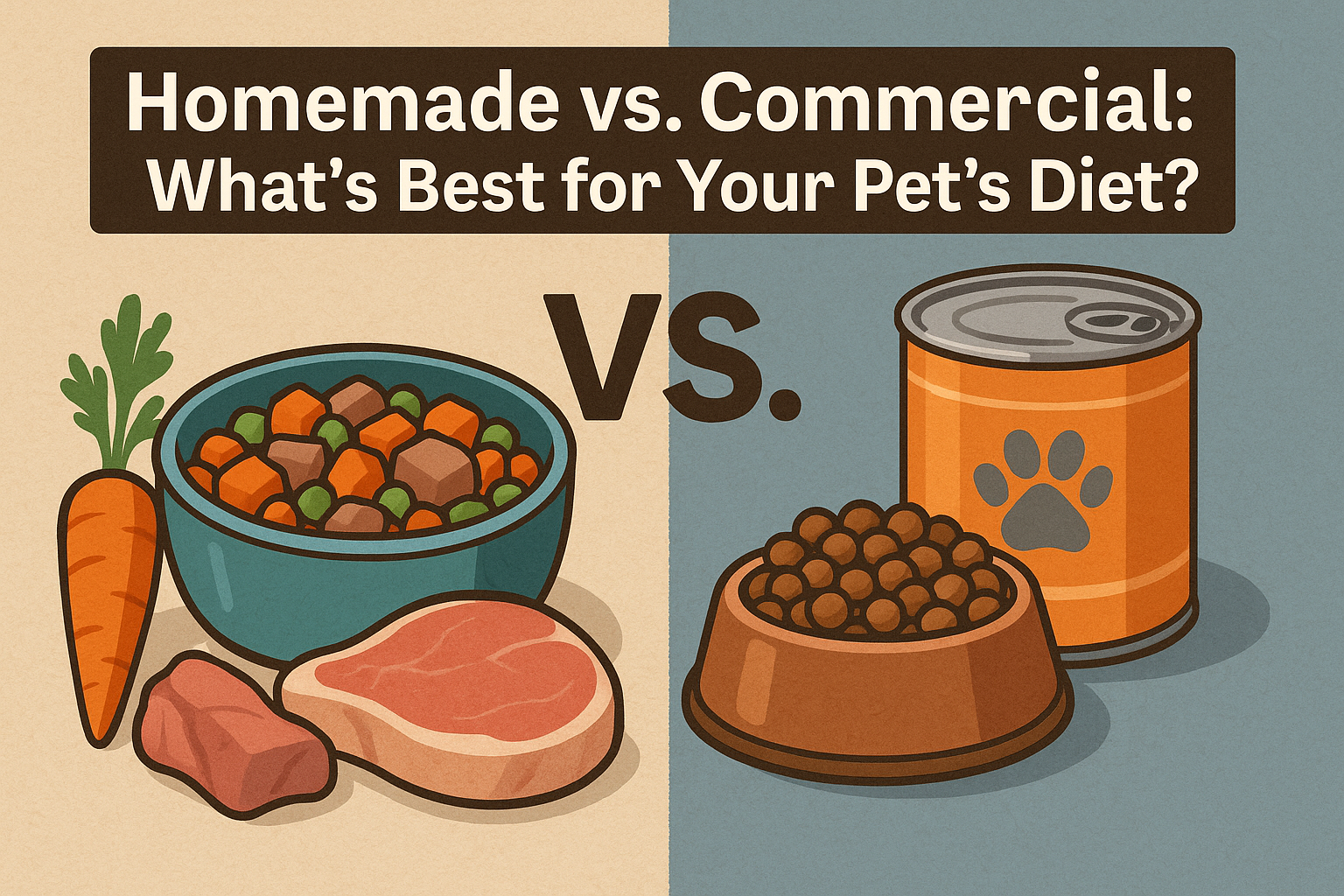
- Subscription-Based Fresh/Raw Food Services: A growing number of companies deliver pre-portioned, human-grade fresh or raw pet food directly to consumers. These diets are often customized based on a pet’s age, weight, activity level, and any known sensitivities.
- Veterinary Nutritionist Formulated Diets: For pets with complex health issues, consultations with board-certified veterinary nutritionists are becoming more accessible. They can formulate highly specific, custom diets, sometimes even prepared at home, to address unique medical needs.
The Role of Veterinary Consultation and Specialized Diets
While understanding pet food labels and monitoring symptoms is crucial, there are times when professional guidance is indispensable. A veterinarian’s expertise can pinpoint underlying issues and recommend appropriate dietary interventions, moving beyond general pet food advice to specific, tailored solutions.
Never hesitate to involve your vet when you suspect dietary problems or if your pet exhibits persistent symptoms. Their diagnostic tools and medical knowledge are vital in ensuring your pet’s long-term health and well-being, especially when common pet food choices aren’t sufficient.
When to Consult Your Vet About Pet Food
Knowing when to seek professional advice can save your pet from prolonged discomfort and prevent minor issues from escalating. Your vet is your best resource for navigating complex pet food decisions.
- Persistent Symptoms: If your pet’s digestive issues, skin problems, or changes in energy levels persist despite trying different over-the-counter pet food options, it’s time for a vet visit. These symptoms might indicate underlying medical conditions or severe allergies requiring veterinary intervention.
- Dietary Transitions: When considering a significant change in your pet food, especially if moving from dry kibble to a raw or fresh diet, consulting your vet can help ensure the transition is smooth and nutritionally complete. They can guide you on proper introduction to avoid digestive upset.
- Breed-Specific Needs: Certain breeds have unique nutritional requirements or predispositions to specific health issues. Your vet can advise on pet food that caters to these breed-specific needs, such as diets for large breeds prone to joint problems or small breeds with dental concerns.
- Age-Related Changes: As pets age, their nutritional needs change. Senior pets may require lower-calorie, joint-supportive, or easier-to-digest pet food. Your vet can help you adjust their diet to support their changing metabolism and health.
Prescription Diets and Therapeutic Nutrition
For pets with specific medical conditions, a standard commercial pet food simply won’t suffice. This is where prescription or therapeutic diets, available only through veterinarians, play a critical role in managing and treating various illnesses.
- Conditions Requiring Specialized Diets:
– **Allergies:** Hydrolyzed protein diets or novel protein diets help manage severe food allergies by breaking down proteins or using sources pets haven’t encountered before.
– **Kidney Disease:** Low-protein, low-phosphorus diets are crucial for reducing the workload on compromised kidneys.
– **Obesity/Weight Management:** Restricted-calorie, high-fiber diets help pets lose weight safely while maintaining satiety.
– **Urinary Tract Issues:** Specific mineral-balanced diets can help prevent the formation of bladder stones or dissolve existing ones.
– **Digestive Disorders:** Highly digestible, low-fat diets are often prescribed for pets with pancreatitis or inflammatory bowel disease. - How They Differ from Over-the-Counter Options: Prescription diets are formulated with precise nutrient profiles to address specific medical conditions. They are rigorously tested and often contain ingredients not found in regular pet food, or in different concentrations, to achieve a therapeutic effect. These are not merely “premium” pet food options; they are medical interventions.
Proactive Steps for Your Pet’s Optimal Health
Ensuring your pet’s health goes beyond simply filling their bowl. It involves a holistic approach, where their pet food is a critical component, but not the only one. Proactive management of their diet, lifestyle, and environment can significantly enhance their well-being and longevity.
By taking a few deliberate steps, you can create an environment that supports optimal health, helping to prevent diet-related issues before they start and ensuring your pet thrives for years to come.
Gradual Diet Transitions
Switching your pet’s food abruptly can often lead to digestive upset, even if the new pet food is of higher quality. A slow, gradual transition is key to allowing your pet’s digestive system to adapt.
- Mixing Old and New: Over a period of 7-10 days, gradually increase the proportion of the new pet food while decreasing the old. Start with 25% new food to 75% old food for a few days, then move to 50/50, then 75/25, until you are feeding 100% new food.
- Monitor Reactions: During the transition, closely observe your pet for any signs of digestive upset, changes in stool consistency, or allergic reactions. If issues arise, slow down the transition or consult your vet.
Hydration and Dental Health
Beyond their pet food, proper hydration and dental care are fundamental aspects of pet health that are often overlooked but are deeply intertwined with overall well-being.
- Fresh Water Access: Always ensure your pet has access to fresh, clean water. Hydration aids digestion, nutrient absorption, and helps prevent urinary tract issues. Consider a pet water fountain to encourage drinking.
- Dental Care: Kibble alone rarely provides adequate dental cleaning. Regular dental chew toys, dental treats, and veterinary dental cleanings are crucial. Poor dental health can lead to systemic infections and impact overall health.
Monitoring and Adjustment
Your pet’s needs can change over time due to age, activity level, or health status. Regular monitoring and willingness to adjust their pet food are essential.
- Regular Weight Checks: Keep an eye on your pet’s weight and body condition score. Adjust pet food portion sizes as needed to maintain a healthy weight.
- Observe Behavior: Pay attention to any new or recurring symptoms. Keep a food diary if you suspect allergies or sensitivities to help pinpoint problematic ingredients in their pet food.
- Seasonal Adjustments: Pets may require slight dietary adjustments based on the season (e.g., more active in summer, less active in winter).
The Power of a Balanced Lifestyle
A healthy diet, fueled by appropriate pet food, works best in conjunction with an active and stimulating lifestyle. This holistic approach supports both physical and mental well-being.
- Regular Exercise: Ensure your pet gets adequate daily exercise appropriate for their age, breed, and health. This helps manage weight, builds muscle, and promotes mental stimulation.
- Mental Enrichment: Provide toys, puzzles, and training sessions to keep your pet’s mind active and engaged. A happy pet is often a healthier pet.
- Routine Vet Check-ups: Don’t wait for problems to arise. Annual or semi-annual veterinary check-ups are vital for preventive care and early detection of any health issues, including those potentially related to pet food.
The journey to ensuring your pet’s optimal health is an ongoing one, with their pet food playing a central and critical role. By becoming an informed advocate, diligently reading labels, observing your pet’s signals, and leveraging modern technologies and veterinary expertise, you empower yourself to make the best dietary choices. Remember, every decision you make about their nutrition directly contributes to their vitality and happiness. Prioritizing quality pet food and a balanced lifestyle means investing in a longer, healthier life for your cherished companion. For more insights or collaboration opportunities, visit www.agentcircle.ai.
Frequently Asked Questions (FAQ)
How often should I change my pet’s food?
Unless there’s a medical reason, allergy, or significant life stage change (e.g., puppy to adult, active to senior), there’s no set rule for how often to change your pet’s food. If your pet is thriving on their current diet, there’s no need to switch. However, rotating between a few high-quality brands or protein sources can sometimes help prevent sensitivities from developing.
Are grain-free pet foods always better for my pet?
Not necessarily. While popular, grain-free pet foods are not inherently superior for all pets. True grain allergies are relatively uncommon. Some grain-free diets use alternative carbohydrates like peas or potatoes, which in very high concentrations have been controversially linked to certain cardiac issues in some breeds. Always consult your vet to determine if a grain-free diet is appropriate for your specific pet.
What does “human-grade” mean on a pet food label?
“Human-grade” typically means that all the ingredients in the pet food are fit for human consumption and that the food is produced in a human-grade facility (e.g., USDA-inspected). This suggests a higher standard of ingredient quality and safety compared to standard feed-grade ingredients, which may not meet the same regulatory requirements for human consumption.
How can I tell if my pet has a food allergy versus a food sensitivity?
Food allergies involve an immune system reaction and often present with more severe, immediate symptoms like intense itching, swelling, or digestive upset (vomiting, diarrhea). Food sensitivities, on the other hand, are typically digestive issues or mild skin reactions that are not immune-mediated and can have a delayed onset. A veterinarian can help differentiate through elimination diets or specific testing.
Is raw pet food safe?
Raw pet food diets can offer benefits for some pets but also carry risks, primarily concerning bacterial contamination (Salmonella, E. coli) for both pets and humans in the household. If considering a raw diet, it’s crucial to consult with a veterinary nutritionist, ensure the food is nutritionally balanced, and practice strict hygiene when handling and preparing it. Commercially prepared, balanced raw diets are generally safer than homemade versions.
References and Further Reading
- AAFCO (Association of American Feed Control Officials) Official Website
- Tufts University Cummings School of Veterinary Medicine – Petfoodology
- American Kennel Club (AKC) – Nutrition Advice
- FDA Center for Veterinary Medicine
- World Small Animal Veterinary Association (WSAVA) Global Nutrition Guidelines