A Balanced Bowl: Understanding the Nutritional Needs of Your Pet
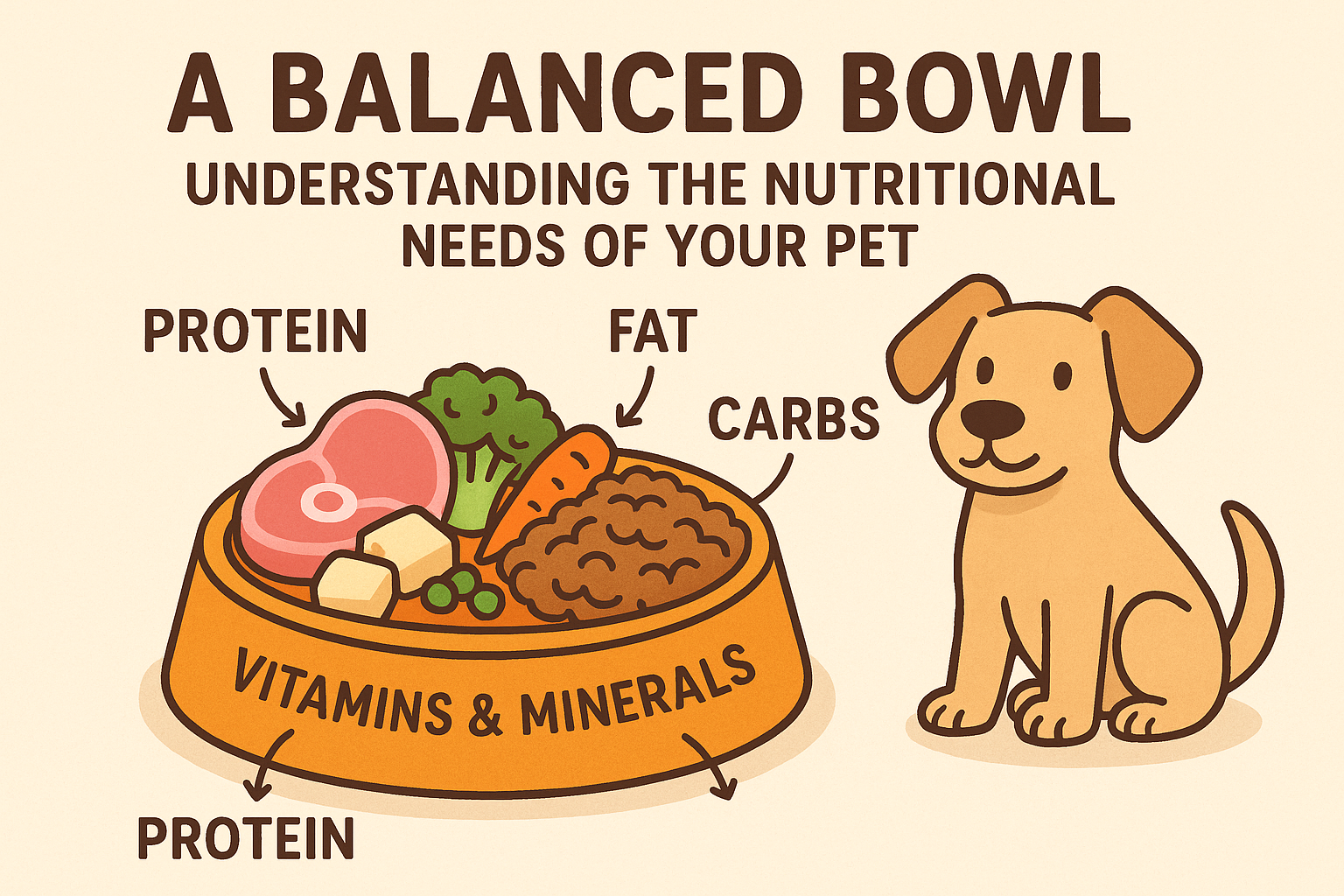
Pets are more than just companions; they are family. Ensuring their health and well-being is an obligation that every pet owner should take seriously. One of the most fundamental aspects of keeping your pet healthy is providing a well-balanced diet. This article aims to enlighten pet owners about various nutritional needs depending on the type of pet, their age, breed, and lifestyle, along with practical tips on how to ensure a balanced bowl for your furry friends.
Understanding Pet Nutrition
Nutritional needs vary widely among different species of pets. Dogs and cats, for instance, have unique dietary requirements compared to birds, reptiles, or small mammals. Understanding the basics of pet nutrition—including the roles of proteins, fats, carbohydrates, vitamins, and minerals—will help you make informed choices about your pet’s diet.
The Basic Nutritional Components
-
- Proteins: Essential for growth, tissue repair, and maintaining a healthy immune system.
-
- Fats: Provide energy, support cell growth, protect organs, and help absorb certain vitamins.
-
- Carbohydrates: Important for providing energy; especially for active pets.
-
- Vitamins: Necessary for various biochemical reactions in the body.
-
- Minerals: Crucial for bone health, muscle function, and overall cellular processes.
Nutritional Needs by Pet Type
Dogs
Dogs are omnivores, meaning they require a balanced diet that includes proteins, carbohydrates, and fats. The nutritional needs of dogs can vary significantly based on their age, breed, and level of activity.
Puppies
Puppies need a diet rich in protein and fat to support their rapid growth and high energy levels. Puppy food is formulated to meet these needs, often containing higher caloric content and specific nutrients to support growth.
Adult Dogs
Adult dogs require a balanced diet that maintains their health. It should contain about 18-25% protein and 8-15% fat. High-quality commercial dog foods are usually designed to meet these requirements.
Seniors
Older dogs have different dietary requirements, such as lower calories and more fiber to assist with digestion. Formulas designed for senior dogs often contain joint-supporting supplements like glucosamine.
Cats
Cats are obligate carnivores; they need a higher protein diet for muscles, tissues, and overall health. Fats also provide essential fatty acids that are crucial for a cat’s coat and skin health.
Kittens
Kittens need a protein-rich diet full of essential nutrients for development. Foods specifically designed for kittens should be their primary source of nutrition until they reach adulthood.
Adult Cats
Adult cats require a diet that contains about 30-50% protein, along with certain essential fats and minimal carbohydrates. They also require specific nutrients like taurine and arachidonic acid, which are found in meat.
Choosing the Right Food
When it comes to selecting pet food, you might be overwhelmed by the vast array of commercial options available, ranging from kibble to wet food, and even raw diets. Here are some tips on making an informed choice:
Reading Labels
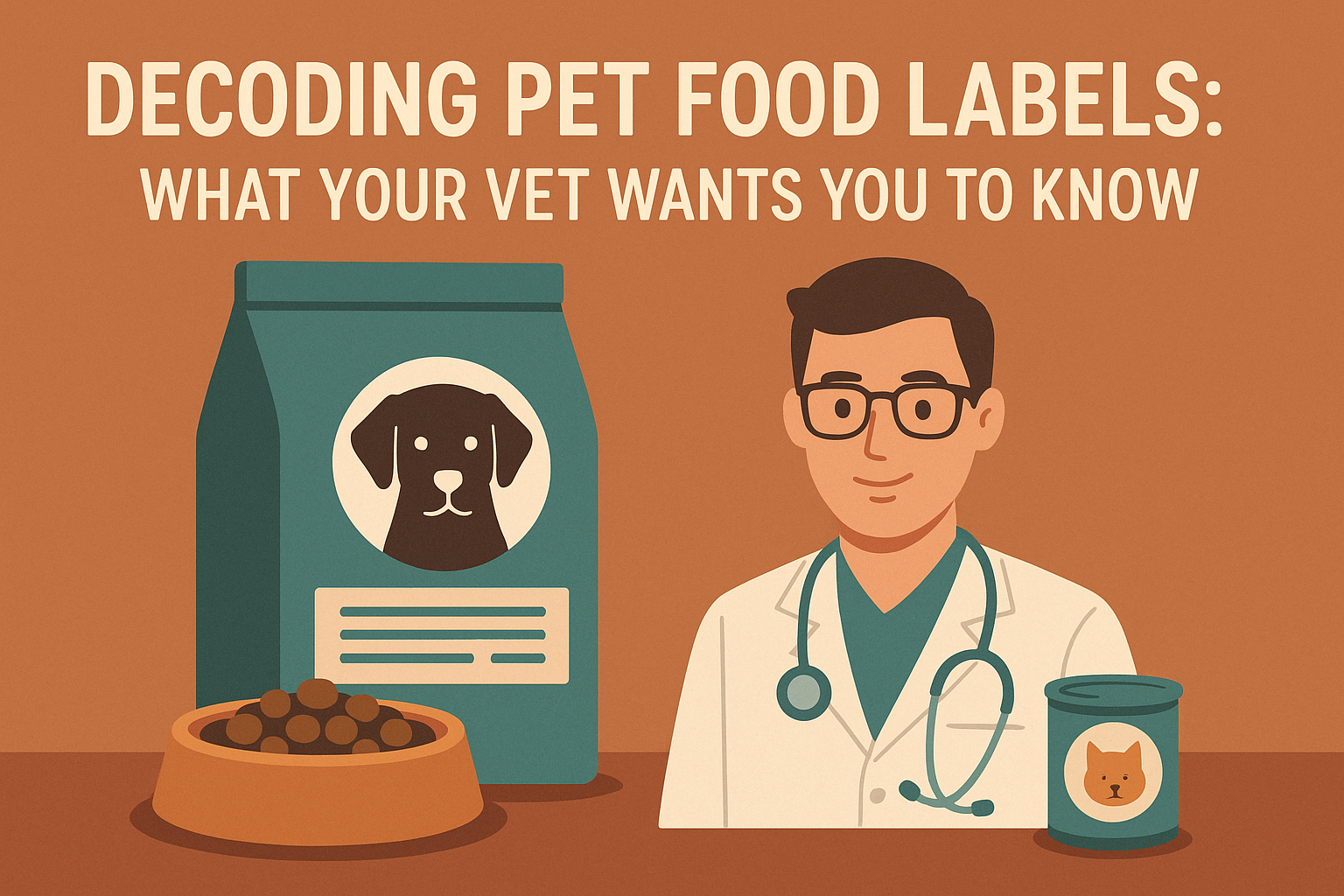
Understanding pet food labels can help you identify the right food for your pet. Here are key things to look for:
-
- Ingredient List: Ingredients are often listed by weight, so look for meat or protein sources at the top.
-
- Guaranteed Analysis: Provides the percentages of protein, fat, fiber, and moisture.
-
- AAFCO Statement: This indicates that the food meets the standards established by the Association of American Feed Control Officials.
Home-Cooked Options
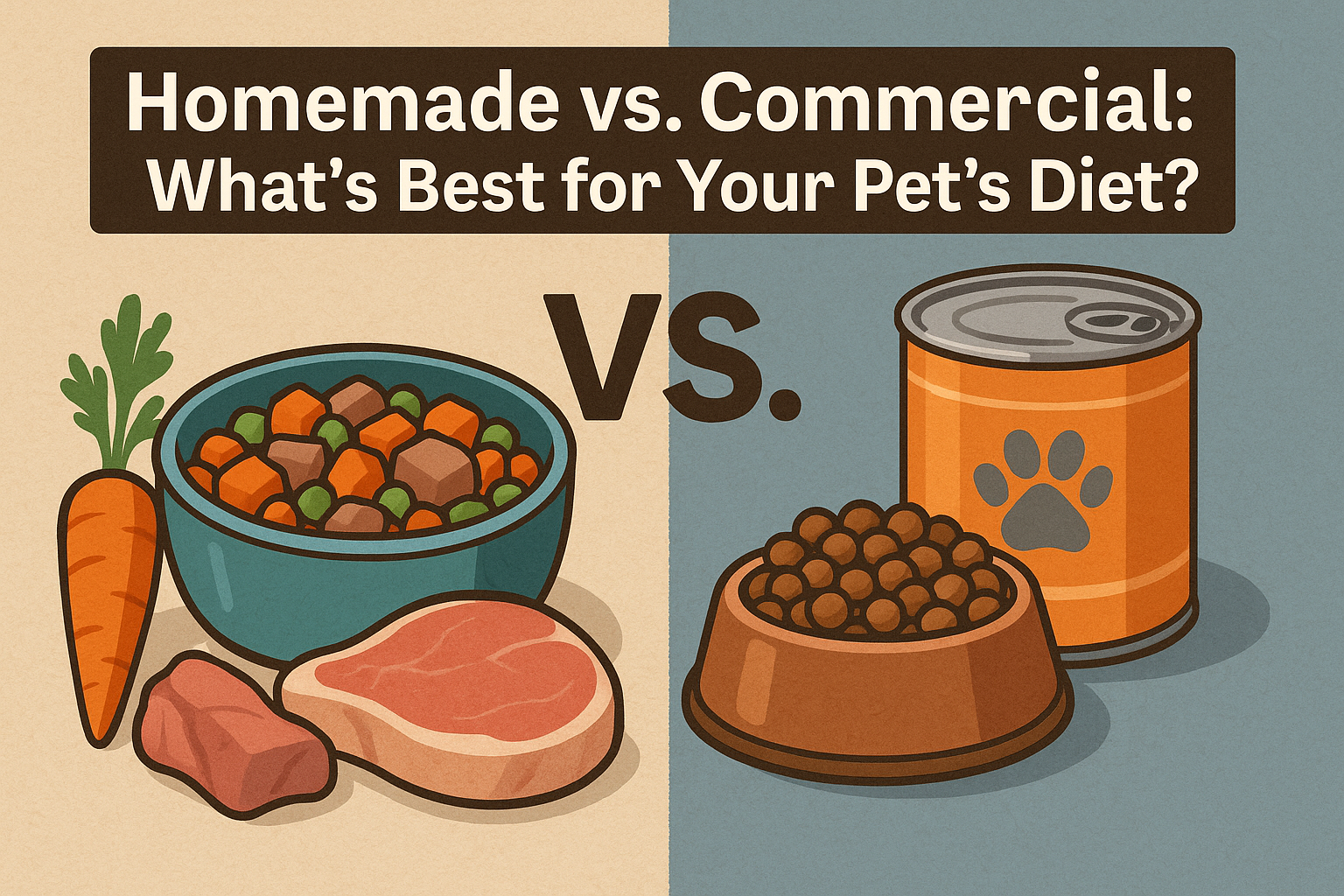
Some pet owners prefer preparing their pets’ meals at home. If you choose this route, it’s essential to consult with a veterinarian or pet nutritionist to ensure you’re including all necessary nutrients in adequate proportions.
Raw Diets
Raw diets, which include raw meat, bones, fruits, and vegetables, have gained popularity among some pet owners. While many believe in the benefits of raw feeding, it’s crucial to educate yourself on how to maintain balanced nutrition and food safety.
Special Dietary Needs & Considerations
Food Allergies and Sensitivities
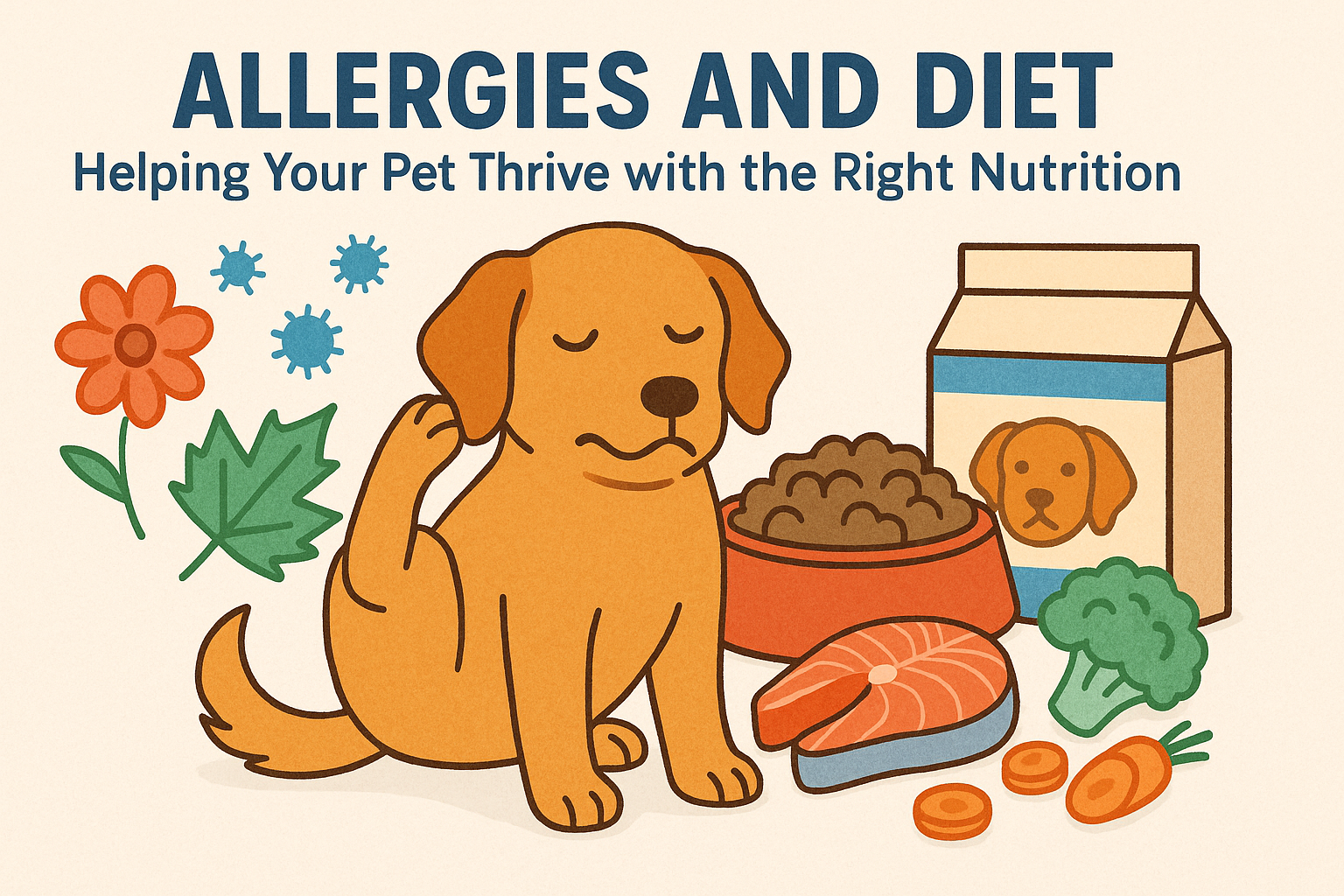
Pets, like humans, can have food allergies. Common symptoms include itching, gastrointestinal upset, or respiratory issues. If you suspect allergies, consult your vet for appropriate food options, like limited ingredient diets or hypoallergenic formulas.
Weight Management
Obesity in pets is a growing concern. Consult with your vet to determine your pet’s ideal weight and adjust their food portions and exercise accordingly. Low-calorie diets may also be a consideration for overweight pets.
Age-Specific Needs
In addition to puppy/kitten and adult formulas, specialized diets for senior pets are available. These foods often contain different levels of protein, fat, and additional supplements to help manage health concerns typically associated with aging.
Conclusion
Providing your pet with a balanced diet is crucial to ensuring their long-term health and happiness. By understanding the unique nutritional needs of your pet and the various feeding options available, you can make informed choices that support their specific needs. Regular veterinary check-ups can help guide your feeding decisions, allowing adjustments as necessary to keep your furry friend thriving. Remember, nutrition plays a foundational role in your pet’s overall well-being, so invest time and effort into providing them with the best diet possible.
FAQs
1. How do I know if my pet is getting enough nutrition?
Monitoring your pet’s body condition score, energy levels, and coat health can give you an idea of their nutritional status. Regular vet visits can also provide dietary recommendations tailored to your pet’s needs.
2. Can I feed my pet human food?
Some human foods are safe for pets, but many can be harmful. Always consult your vet before introducing human food into your pet’s diet, as some foods can cause toxicity.
3. How do I transition my pet to a new diet?
Gradually transition your pet to a new diet over 7-10 days, mixing the new food with their current food to avoid gastrointestinal upset.
4. Are supplements necessary for my pet?
Most pets on a balanced commercial diet do not require supplements. However, certain circumstances (age, health issues) may warrant additional nutrients. Consult your vet before adding supplements.
5. How often should I feed my pet?
This depends on the pet’s age, size, and dietary needs. Generally, puppies and kittens require more frequent feedings than adults. Consult your veterinarian for specific feeding schedules.