
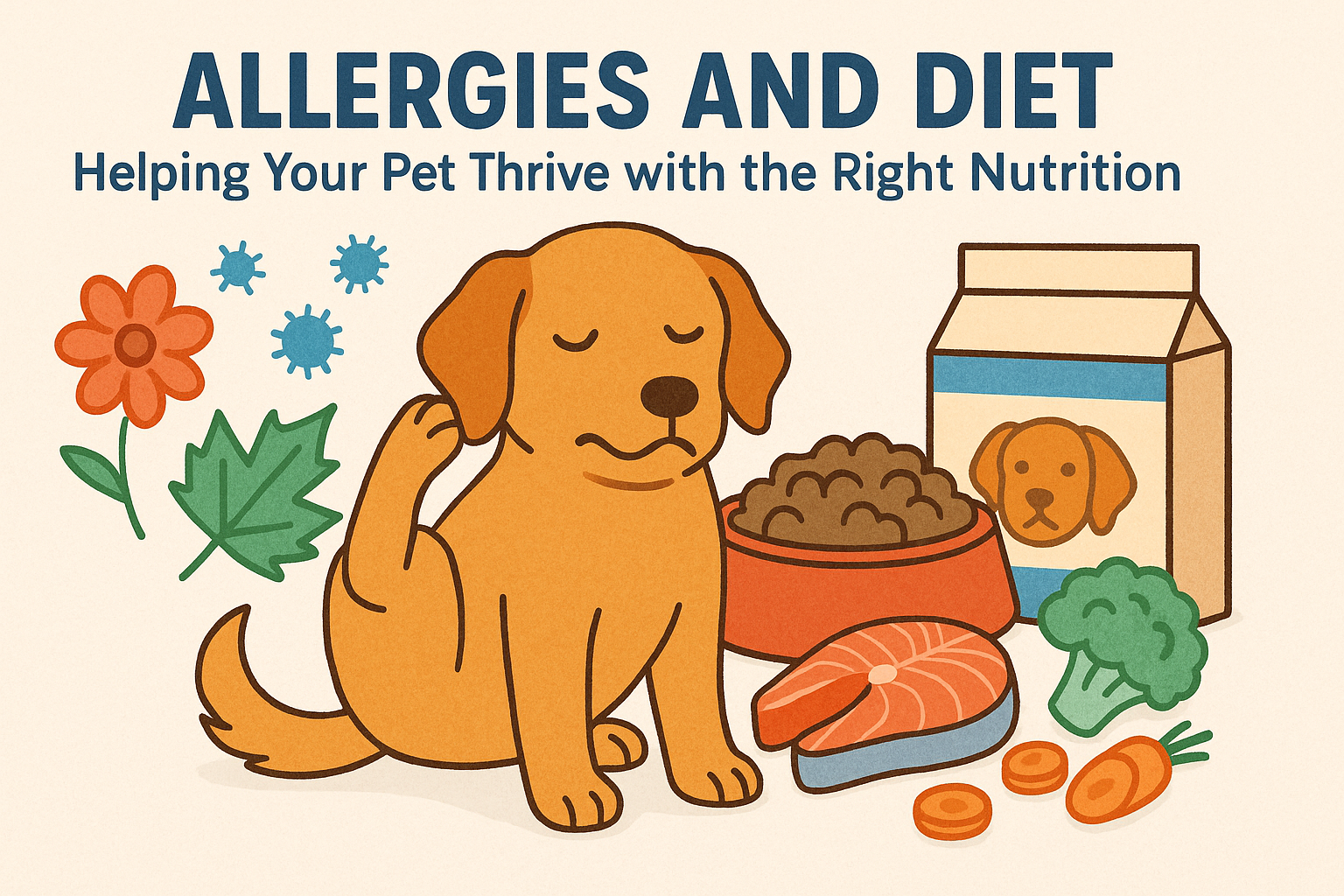
Pet allergies can be a significant factor that impacts your four-legged family member’s quality of life. With the right nutrition, you can help your pet thrive while managing their allergies effectively. In this article, we will explore different types of allergies in pets, how diet plays a crucial role in their well-being, and practical dietary strategies to keep your pet healthy.
Understanding Allergies in Pets
Just like humans, pets can suffer from various allergies. The most common types include:
-
- Environmental Allergies: Caused by pollen, dust, mold, or chemicals.
-
- Food Allergies: Result from certain ingredients in pet food.
-
- Flea Allergies: React to flea saliva, causing skin irritations.
-
- Contact Allergies: Triggered by direct contact with substances like cleaning products or certain fabrics.
Identifying the source of your pet’s allergies is paramount for effective treatment, and nutrition often plays a significant role in alleviating symptoms.
The Link Between Diet and Allergies
Food allergies occur when your pet’s immune system mistakenly identifies a protein in their diet as a threat. Common allergens include:
-
- Beef
-
- Dairy products
-
- Chicken
-
- Wheat
-
- Soy
-
- Eggs
-
- Fish
Understanding your pet’s dietary needs and eliminating allergens can lead to significant improvements in their health and comfort.
Recognizing Symptoms of Food Allergies
Common symptoms of food allergies in pets include:
-
- Itchy skin or rashes
-
- Digestive issues like vomiting or diarrhea
-
- Ear infections
-
- Excessive licking or chewing of paws
-
- Hot spots on the skin
If your pet is exhibiting any of these symptoms, consulting a veterinarian for a proper diagnosis is essential.
Choosing the Right Nutrition for Allergic Pets
1. Hypoallergenic Diets
Hypoallergenic pet diets are formulated to reduce the risk of allergic reactions. They often include:
-
- Limited ingredients
-
- Novel proteins (like duck or venison)
-
- Hydrolyzed proteins (where protein molecules are broken down to prevent an immune response)
It’s essential to consult your veterinarian before transitioning to a hypoallergenic diet, as they can help select a food that best meets your pet’s needs.
2. Grain-Free Options
Some pets may be sensitive to grains. Grain-free diets can eliminate common allergens and include alternatives like:
-
- Potatoes
-
- Legumes
-
- Peas
-
- Fruits and vegetables
Ensure that the grain-free diet is well-balanced and includes a variety of nutrients to maintain your pet’s health.
3. Homemade Diets
Preparing homemade meals can give you complete control over your pet’s diet. However, it’s vital to include:
-
- High-quality proteins
-
- Healthy fats (like fish oil)
-
- A variety of fruits and vegetables
-
- Supplements to ensure balanced nutrition
Consultation with a veterinary nutritionist can help create a balanced homemade diet tailored to your pet’s specific needs.
4. Limited Ingredient Diets
Limited ingredient diets (LIDs) are another option for pets with food sensitivities. These diets often include:
-
- A single protein source
-
- A few carefully selected carbohydrate sources
They are designed to reduce the likelihood of allergic reactions while still providing essential nutrients.
Monitoring and Adjusting Your Pet’s Diet
Once you’ve selected a diet, it’s essential to monitor your pet’s response. Keep an eye out for:
-
- Improvements in skin condition
-
- Reduced scratching or licking
-
- Improved digestive health
-
- Overall vitality and energy levels
It may take time to observe changes, so be patient and continue to consult with your veterinarian for ongoing management.
Additional Tips for Managing Allergies in Pets
In addition to dietary changes, consider incorporating these strategies into your routine:
-
- Regular grooming to remove pollen and allergens from your pet’s coat.
-
- Cleaning living spaces frequently to reduce dust and pet dander.
-
- Using air purifiers to improve indoor air quality.
-
- Avoiding outdoor activities during high pollen seasons.
Conclusion
Managing your pet’s allergies through diet is a profound way to improve their quality of life. A carefully tailored nutritional plan can minimize allergic reactions, boost overall health, and enhance your furry friend’s well-being. Always work with your veterinarian to ensure that dietary changes are appropriate for your pet’s specific needs. With the right nutrition and care, your pet can lead a happy, healthy life free from the discomfort of allergies.
FAQs
1. How can I tell if my pet has a food allergy?
Look for signs such as itching, excessive scratching, ear infections, or gastrointestinal issues. A visit to the vet can help confirm allergens.
2. Can I switch my pet’s diet suddenly?
It’s best to transition gradually over a week or two to prevent gastrointestinal upset. Mix increasing amounts of the new food with decreasing amounts of the old food.
3. What should I do if my pet shows symptoms of allergies?
Contact your veterinarian immediately for a diagnosis and treatment plan.
4. Are prescription hypoallergenic diets better than over-the-counter options?
Prescription diets are formulated specifically for managing allergies, often with unique proteins and ingredients. Your vet can recommend the best option for your pet.
5. Can supplements help with my pet’s allergies?
Yes, omega-3 fatty acids can help reduce inflammation and improve skin health. Always consult your vet before adding supplements to your pet’s diet.