Homemade vs. Commercial: What’s Best for Your Pet’s Diet?
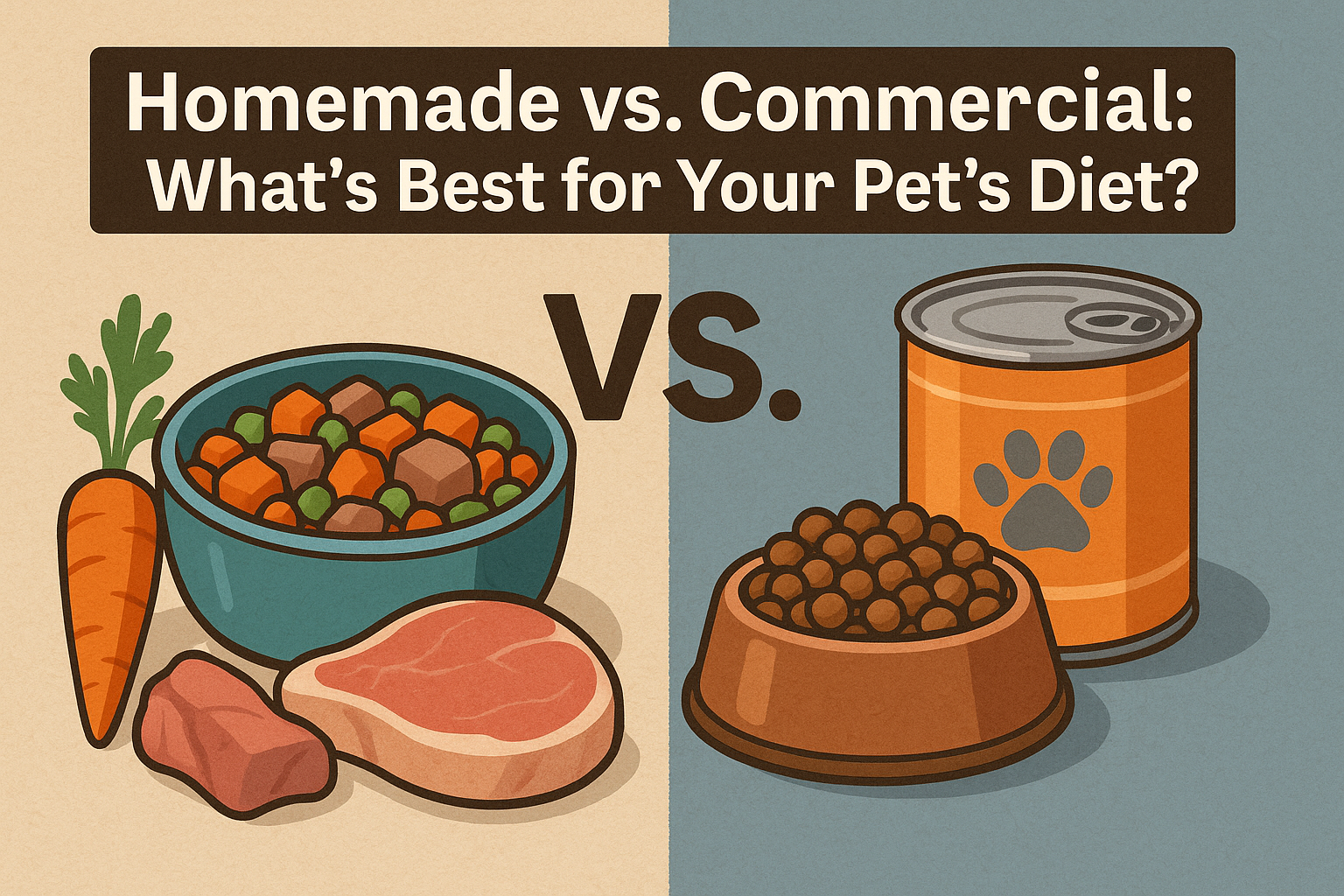
Choosing the right diet for your pet can be one of the most crucial decisions you make as a pet owner. With a plethora of options available—from commercial pet foods packed with nutrients to homemade diets prepared in your own kitchen—it’s easy to feel overwhelmed. This article explores both homemade and commercial pet food options, discussing the advantages and disadvantages of each. Ultimately, we’re here to help you make an informed decision for your beloved furry friend.
Understanding Commercial Pet Food
Commercial pet foods are available in various forms, including dry kibble, canned food, and freeze-dried or dehydrated options. They are formulated to meet the nutritional standards set by organizations such as the Association of American Feed Control Officials (AAFCO).
Advantages of Commercial Pet Food
-
- Nutritional Balance: Commercial foods are often specially formulated to be nutritionally complete, meaning they provide all the essential vitamins, minerals, and nutrients that pets need.
-
- Convenience: Opening a bag or can of food is quick and easy. There’s no preparation time involved, making it a convenient option for busy pet owners.
-
- Variety: The market is flooded with a diverse range of products, catering to various dietary needs, such as grain-free, organic, hypoallergenic, and more.
-
- Safety Standards: Commercial pet foods are subject to regulations and undergo testing for safety and quality, reducing the risk of contamination.
Disadvantages of Commercial Pet Food
-
- Ingredient Quality: Some commercial options may contain low-quality ingredients, fillers, or artificial preservatives that could be unhealthy for pets.
-
- Cost: Premium commercial foods can be expensive, especially if you are looking for high-quality brands with natural ingredients.
-
- Limited Customization: While there’s a variety of brands to choose from, you cannot customize a commercial diet to suit your pet’s specific taste preferences or health needs.
Exploring Homemade Pet Food
Many pet owners are turning to homemade foods to ensure their pets receive the best nutrition possible. Homemade diets can be crafted using fresh, whole ingredients, allowing for complete control over what your pet consumes.
Advantages of Homemade Pet Food
-
- Control Over Ingredients: Preparing your pet’s food at home allows you to choose high-quality, organic ingredients, avoiding fillers, by-products, and unnatural additives.
-
- Customization: Homemade diets can be tailored to meet the specific dietary needs, allergies, or preferences of your pet.
-
- Food Safety: By sourcing ingredients yourself, you can minimize the risk of foodborne pathogens and contamination.
-
- Bonding Experience: Cooking for your pet can enhance the bond you share, turning mealtime into a shared experience.
Disadvantages of Homemade Pet Food
-
- Time-Consuming: Preparing homemade meals requires time and effort, from shopping for ingredients to cooking and portioning the food.
-
- Nutritional Balance: Crafting a nutritionally complete diet for pets at home can be challenging. Without proper knowledge, you may inadvertently create a diet that lacks essential nutrients.
-
- Cost: Depending on the ingredients you choose, homemade diets can be expensive, particularly if you’re using high-quality meats and produce.
-
- Storage Concerns: Homemade food has a shorter shelf life than commercial foods and may not be as convenient to store.
Comparing Nutritional Content
Nutrition is critical for your pet’s overall health, and it’s essential to compare the nutritional content of both homemade and commercial diets. A balanced diet typically includes protein, fats, carbohydrates, fiber, vitamins, and minerals.
Nutritional Requirements
The nutritional requirements for pets can vary based on their species, age, size, and health conditions. Here is a simple breakdown:
-
- Dogs: They generally require a diet rich in proteins, healthy fats, and essential vitamins and minerals for overall well-being.
-
- Cats: Cats are obligate carnivores, meaning they require a diet higher in protein and certain nutrients that are only found in animal products, such as taurine.
Ingredient Categories
-
- Proteins: Quality protein sources can be found in both commercial and homemade diets. When preparing homemade meals, consider using meats, fish, and eggs.
-
- Carbohydrates: In homemade diets, you can include brown rice, oats, and sweet potatoes, while many commercial brands utilize grains and legumes.
-
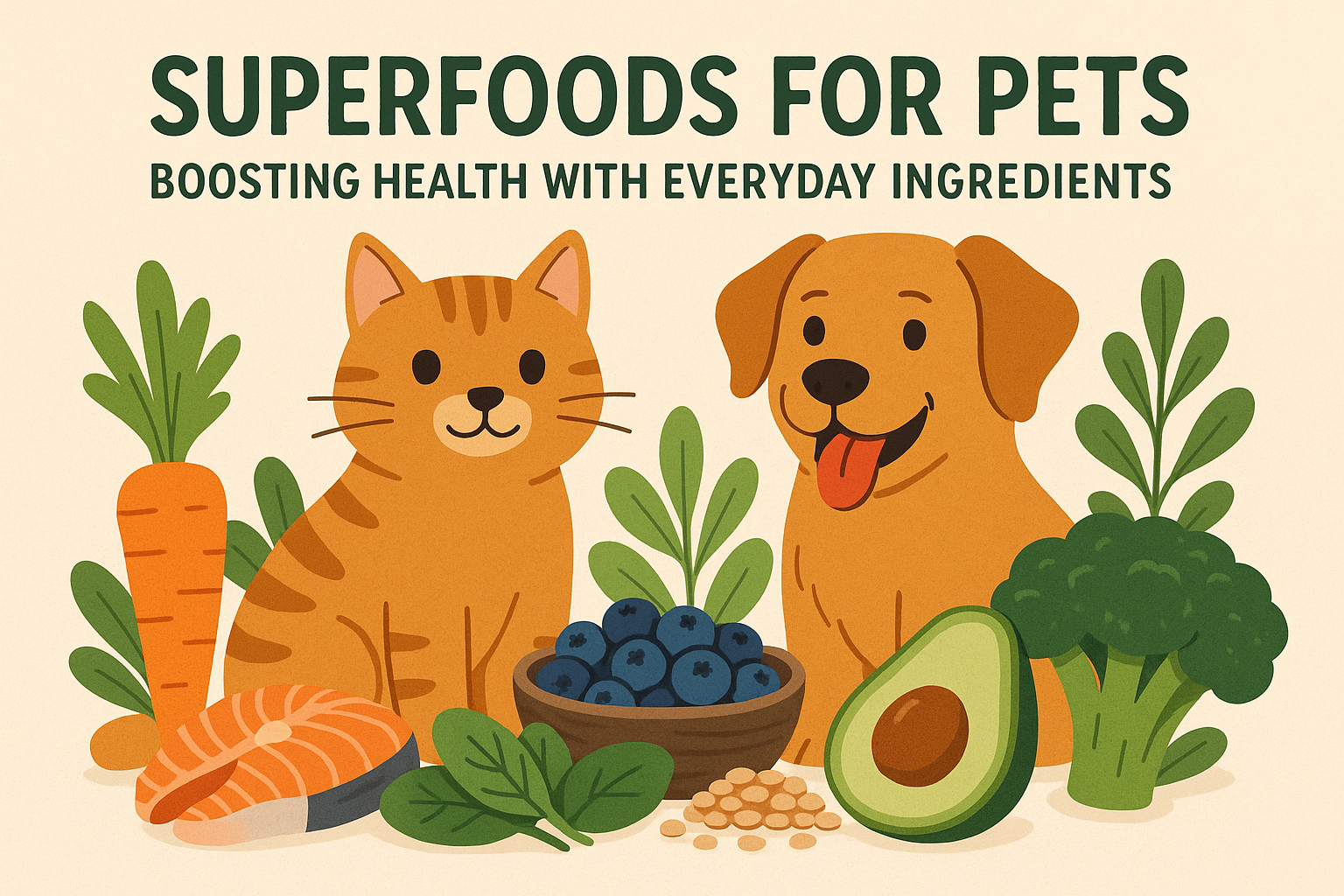
- Fruits and Vegetables: Whole food diets can include a variety of fruits and vegetables, which offer fiber and essential vitamins. Ensure that any produce you offer is safe for pets.
Budget Considerations
Cost is often a deciding factor when it comes to pet diet choices. Evaluating the costs associated with both homemade and commercial options can aid in making a financially sound decision.
Commercial Food Costs
When opting for commercial pet foods, prices vary widely based on brand, quality, and formulation. Generally, premium brands can range from $30 to $70 for a 30-pound bag of dry kibble, while canned options might be $1 to $3 per can. Additionally, specialized diets for health issues often incur higher costs.
Homemade Food Costs
While the initial investment in ingredients may seem high, many homemade diets allow for buying in bulk, ultimately leading to savings. A homemade meal may average around $1 to $3 per day, depending on the ingredients, portion sizes, and pets’ dietary needs.
Consulting Your Veterinarian
Before making dietary changes, it’s essential to consult with your veterinarian. They can provide valuable insights into the best nutritional practices for your pet based on their health status and any particular dietary needs.
Veterinary Recommendations
-
- Assess your pet’s age, weight, and health conditions to determine their specific dietary needs.
-
- Discuss recipes and ingredient lists for homemade diets to ensure they meet nutritional standards.
-
- Inquire about the best commercial products available that align with your pet’s health requirements.
When to Choose Each Option
Both homemade and commercial diets can be suitable options depending on various factors such as your pet’s health, your budget, and your personal lifestyle. Here’s a guideline to help you choose:
When to Choose Commercial Food:
-
- If your pet has specific health issues requiring specially formulated diets.
-
- If you’re short on time or prefer convenience when it comes to feeding.
-
- If you’re uncertain about formulating a balanced diet for your pet at home.
When to Choose Homemade Food:
-
- If your pet has specific food allergies or sensitivities that require specialized diets.
-
- If you’re looking for fresh, high-quality ingredients and prefer control over what goes into your pet’s food.
-
- If you enjoy cooking and want to strengthen your bond with your pet through shared mealtime experiences.
Conclusion
In conclusion, both homemade and commercial pet foods have their set of advantages and disadvantages. Ultimately, the best option will depend on various factors, including your pet’s health, lifestyle, budget, and personal preferences. Whichever route you choose, the most important thing is to prioritize your pet’s nutritional needs and ensure they receive a balanced diet. Consulting with a veterinarian before making any dietary changes can lead to healthier and happier pets, setting the foundation for a long and joyful life together.
FAQs
1. Can I mix homemade and commercial pet food?
Yes, mixing can be an option, but it’s important to ensure that the overall diet remains nutritionally balanced. Start slowly and monitor your pet’s reaction to changes.
2. How do I know if a homemade diet is balanced?
Working with a veterinary nutritionist can help you create a balanced homemade diet. They can offer guidance on the right proportions of protein, carbohydrates, fats, vitamins, and minerals needed for your pet.
3. Are there any specific ingredients I should avoid in commercial pet foods?
It’s advisable to avoid foods containing artificial additives, unspecified meat meals, by-products, and low-quality fillers. Always read ingredient labels and choose high-quality brands.
4. How often should I feed my pet homemade food?
The frequency will depend on your pet’s age, size, and specific dietary needs. Typically, adult dogs and cats can be fed twice a day, but consult with your veterinarian for personalized advice.
5. What are some safe foods to include in a homemade pet diet?
Safe foods for most pets can include lean meats, certain fruits and vegetables (like carrots and blueberries), and whole grains. Always research safe options, as some foods can be toxic to pets.