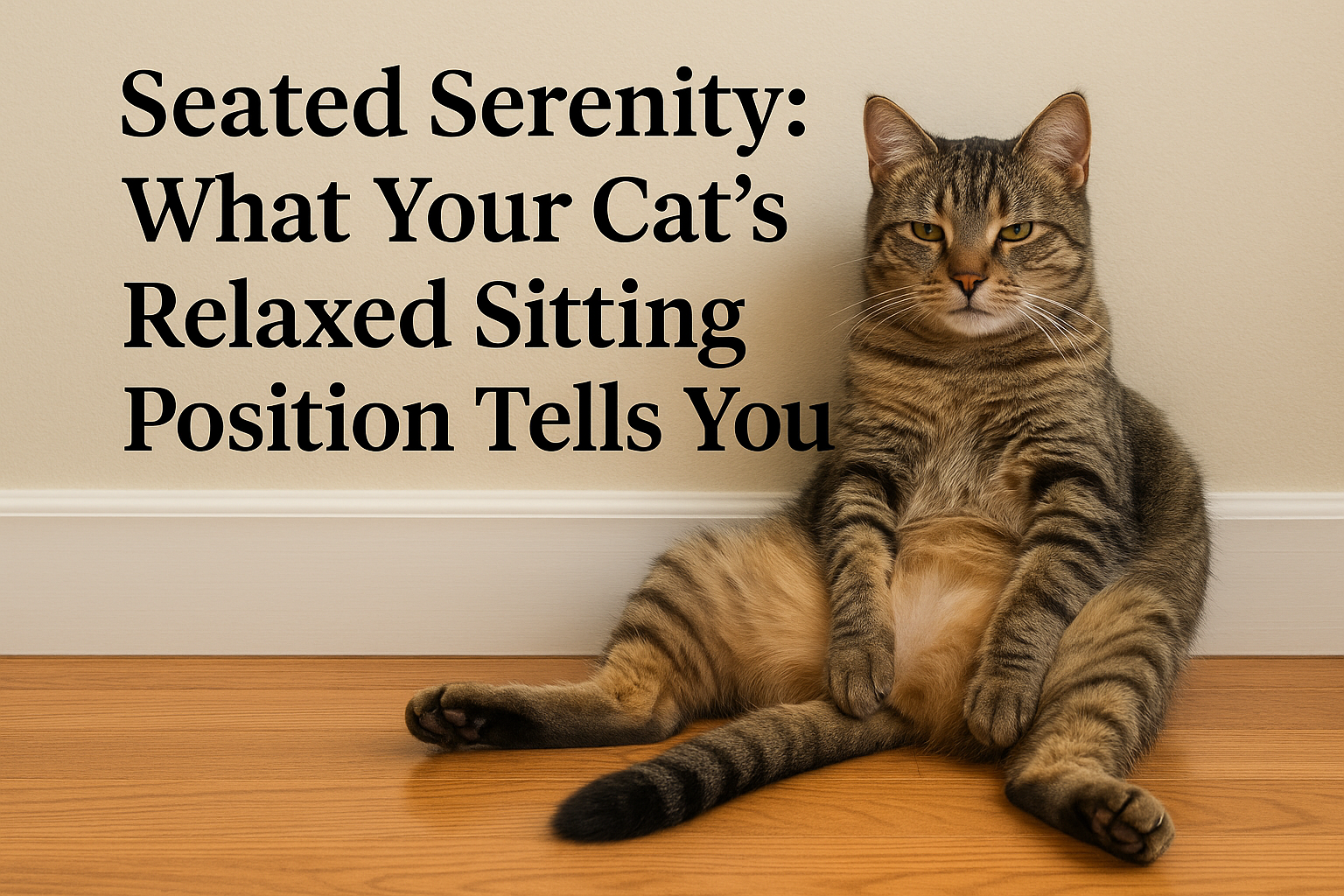
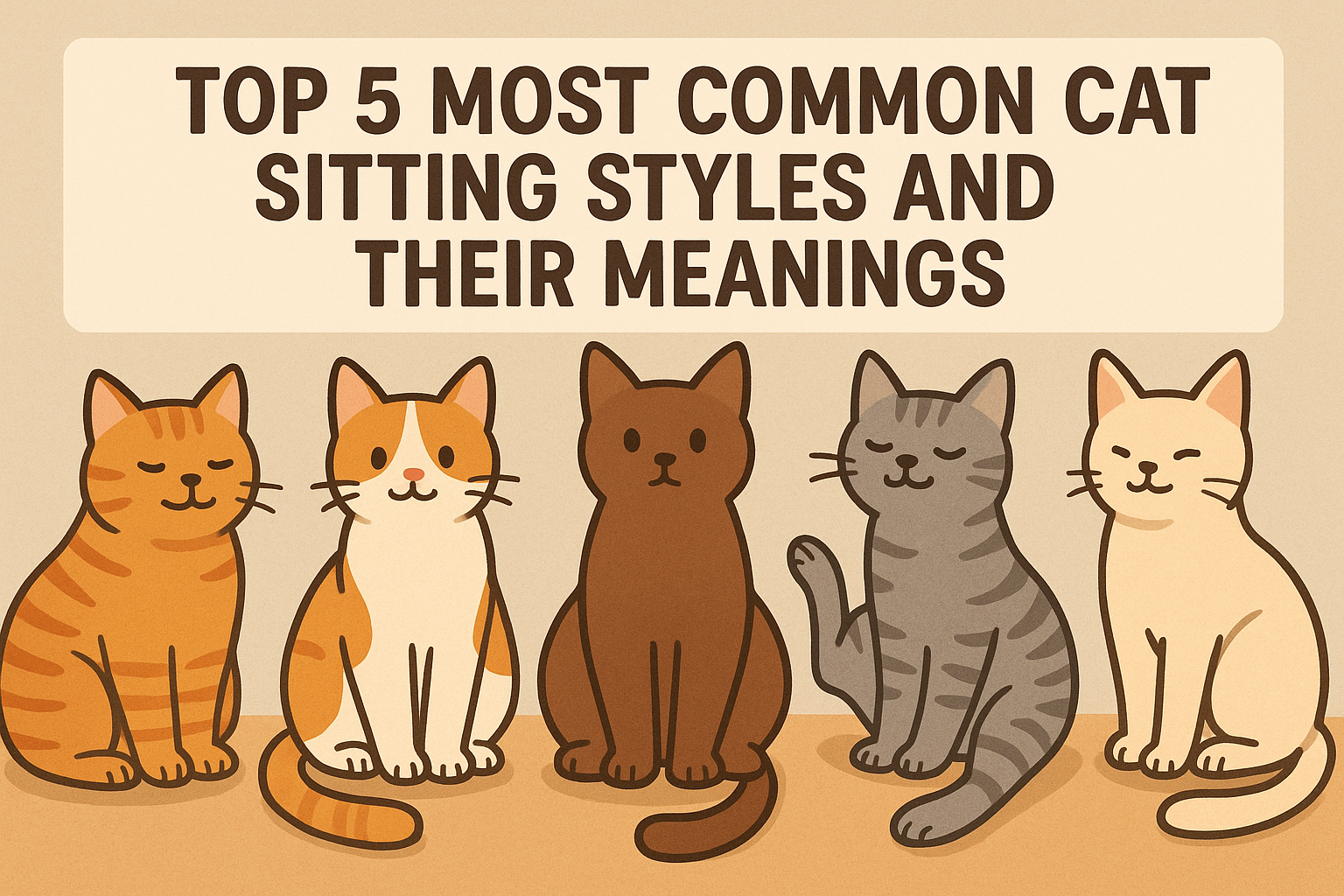
Sitting Pretty: What Your Cat’s Favorite Sitting Position Says About Their Mood
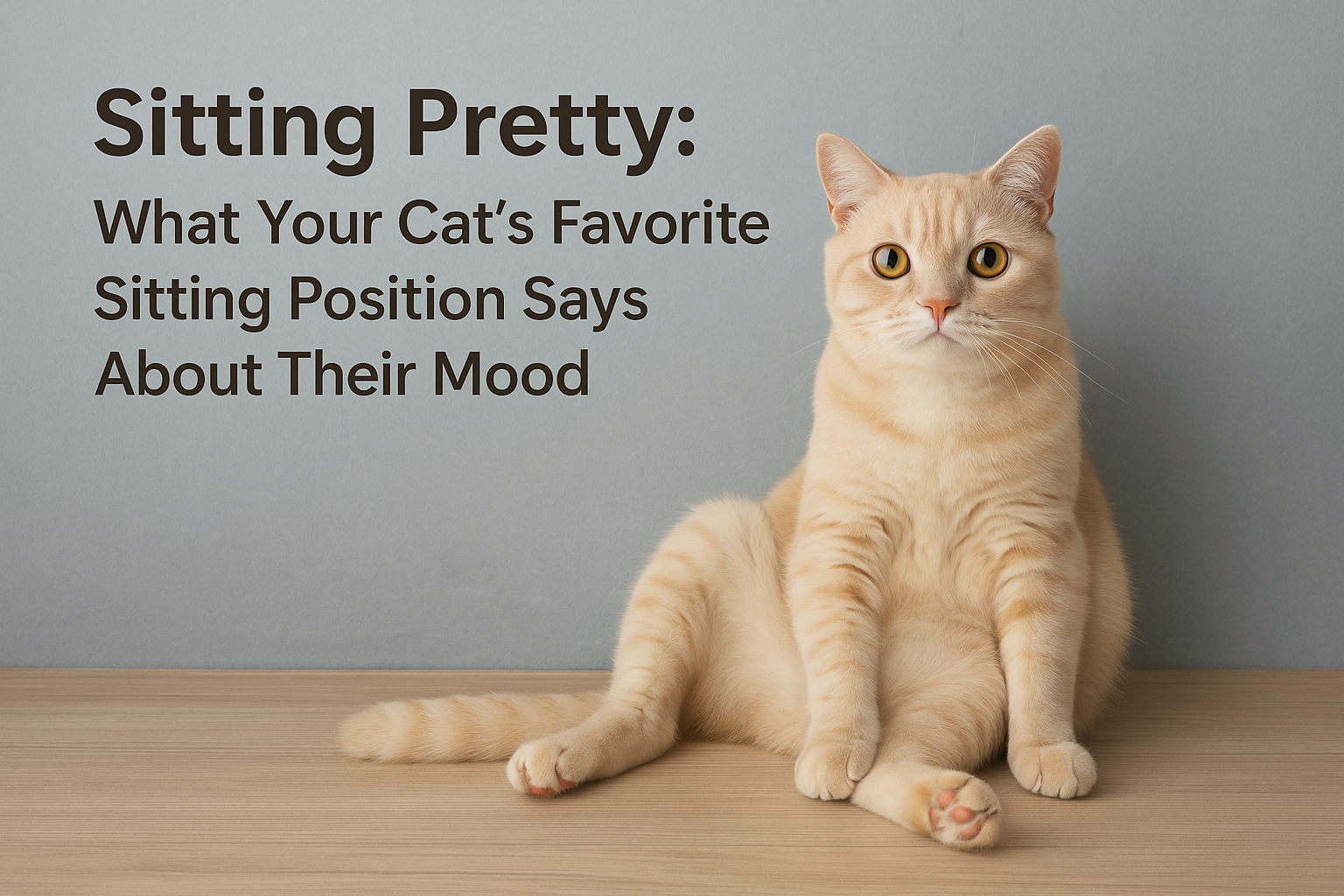
Cats are fascinating creatures, with behaviors that often leave us guessing. One of the intriguing aspects of a cat’s demeanor is their sitting position. Just as humans express their mood through posture and body language, cats do the same. Understanding what your cat’s favorite sitting position means can provide insight into their feelings, personality, and overall well-being. In this article, we’ll explore various sitting positions of cats and what each one indicates about their mood.
1. The Classic Sit
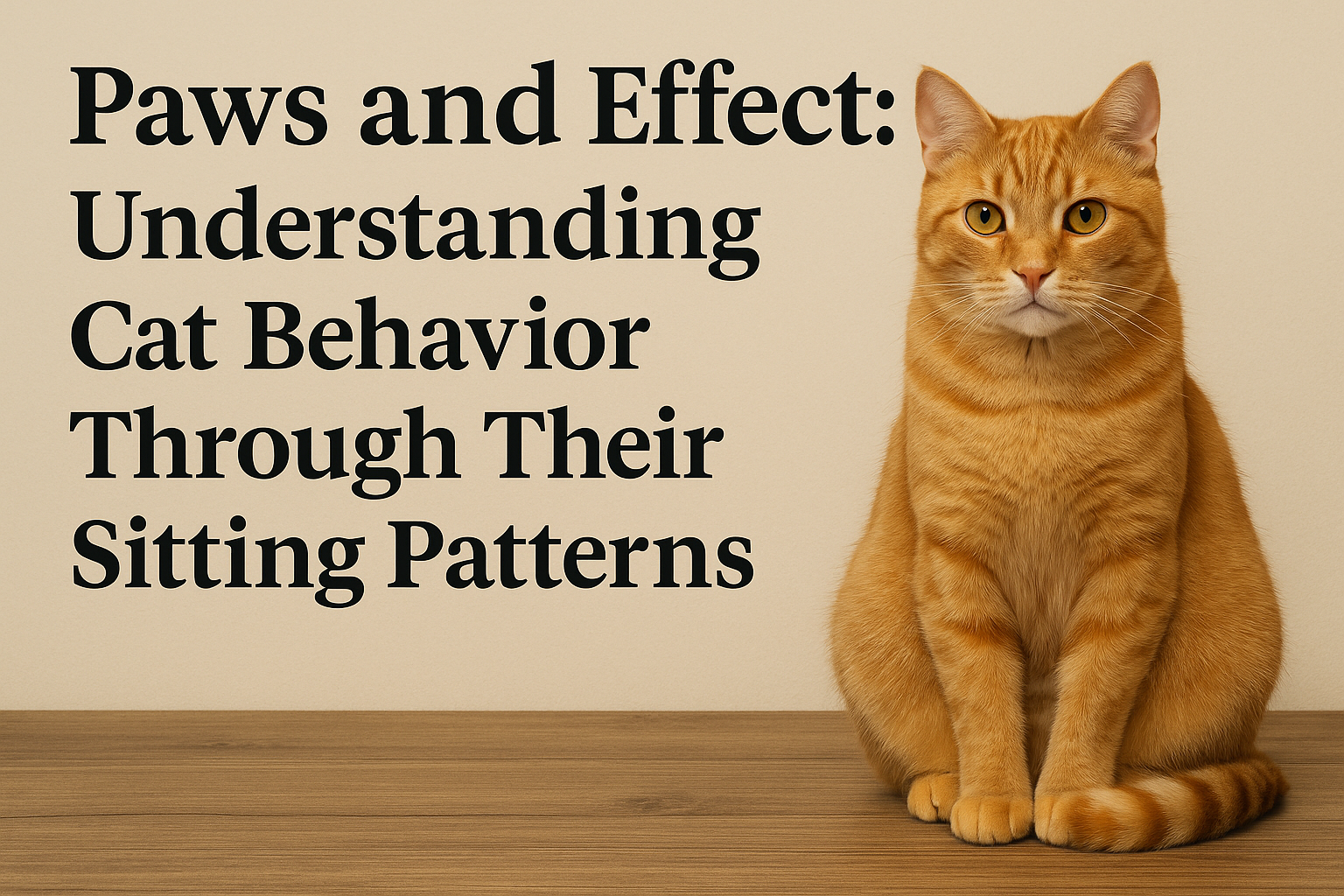
The classic sit is the most recognizable position, where a cat sits upright on its haunches with its paws tucked underneath. This position reflects a relaxed, confident cat. They might be surveying their kingdom, ready to pounce at a moment’s notice, or simply enjoying their surroundings.
- Mood Indicator: Contentment and Alertness.
- Behaviour: Cats in this position are typically calm yet aware of their environment.
2. The Loaf Position
A cat sitting in the loaf position looks like a baked loaf of bread. Their paws are tucked under their body, and they often have their head up and alert. This position is often associated with a relaxed yet alert state.
- Mood Indicator: Relaxation with a sense of security.
- Behaviour: This position often indicates that they feel safe in their environment and are comfortable.
3. The Belly Up
When a cat lies down and exposes its belly, showing its vulnerable side, it typically signifies complete trust in its surroundings. This position is not just about comfort; it’s rare for a cat to display its belly unless they feel secure.
- Mood Indicator: Trust and affection.
- Behaviour: A cat that displays its belly may be in a playful mood and open to interaction (but beware—this can sometimes be an invitation to a swift swat!).
4. The Cuddle Position
Cats often curl up and huddle close to their owners or other cats when they feel affectionate and secure. This position indicates that they are in a sociable mood, wanting to bond and demonstrate their comfort with those around them.
- Mood Indicator: Affection and warmth.
- Behaviour: A cuddling cat may seek companionship and comfort, embodying the bond they share with their humans or fellow felines.
5. The Watchful Stance
When a cat sits slightly crouched, watching intently, it suggests they are in a hunter’s mindset. This position is characterized by slightly bent legs and a forward-leaning posture, which indicates focus and intent.
- Mood Indicator: Focus and playfulness.
- Behaviour: It often means that your cat is preparing for an adventurous leap or ready to engage in play, showcasing their playful instincts.
6. The Side Sit
A cat that sits with its body perpendicular to its owner or another object is often in a relaxed mood but does not want to be fully engaged. This position may indicate that the cat is in a comfortable, semi-social mood but not ready for interaction.
- Mood Indicator: Relaxed yet indifferent.
- Behaviour: This position reveals they are in a peaceful state but may be selective about their social interactions.
7. The Upside-Down Cat
Similar to the belly-up position, an upside-down cat is often the ultimate display of trust and comfort. Such a position demonstrates that the cat is completely at ease and feels safe in its environment.
- Mood Indicator: Total relaxation and trust.
- Behaviour: Your cat is likely in a happy, secure state and may even be in a playful mood or seeking attention.
8. The Corner Sit
When a cat positions itself in a corner or against a wall, it can express a sense of both comfort and caution. Often seen in stressed or less confident cats, this position allows them to feel safe while keeping a watchful eye on their surroundings.
- Mood Indicator: Anxiety or caution.
- Behaviour: It may indicate that the cat feels the need to retreat to a safe space due to changes in its environment.
9. The Lap Cat
Cats that choose to sit on their owners’ laps are often looking for warmth and security. This position signifies trust and affection, showcasing a strong bond between the cat and its human.
- Mood Indicator: Affection and comfort.
- Behaviour: This behavior may suggest that the cat wants to establish or reinforce its bond with you.
10. The Alert Sit
Sometimes, a cat will sit with its ears perked up and tail straight, appearing vigilant and ready for anything. This position indicates a cat that is curious, focused, or even a bit anxious about its surroundings.
- Mood Indicator: Curiosity or tension.
- Behaviour: This position is common when there are new sights and sounds around, showing they are on high alert and assessing the situation.
Conclusion
Understanding your cat’s sitting positions can provide valuable insights into their mood and emotions. Each posture tells a story about how your feline friend is feeling, from trust and comfort to alertness and anxiety. While each cat is unique in behavior and personality, observing their sitting habits can enrich your relationship with them. Pay attention to your cat’s body language, as it often communicates feelings much louder than words. By nurturing their comfort levels and recognizing what their positions indicate, you can create a more peaceful and loving environment for your cat.
Frequently Asked Questions (FAQs)
1. How can I tell if my cat is happy?
A happy cat typically exhibits relaxed body language, such as purring, kneading with their paws, and sitting comfortably around you. Look for signs like a relaxed tail, slow blinking, and playfulness.
2. Can a cat’s mood change quickly?
Yes, cats can experience mood changes due to a variety of factors, including environmental changes, health issues, or stress. Monitoring their behavior consistently can help you identify these changes.
3. Why does my cat sit in odd positions?
Cats often explore various sitting and lying positions based on comfort and their surroundings. They may find unusual spots to sit as a sense of security or to conserve body heat.
4. Should I be concerned if my cat always hides?
If your cat frequently hides or displays anxious behavior, it may warrant a checkup with a veterinarian. This behavior could indicate stress, illness, or an uncomfortable environment.
5. How can I help my cat feel more comfortable?
Ensure your cat has a safe, quiet space to retreat, provide engaging toys, and spend quality time with them. Recognizing and responding to their sitting positions can also enhance their feeling of security.