Beyond the Bowl: Innovative Ideas for Enriching Your Pet’s Life
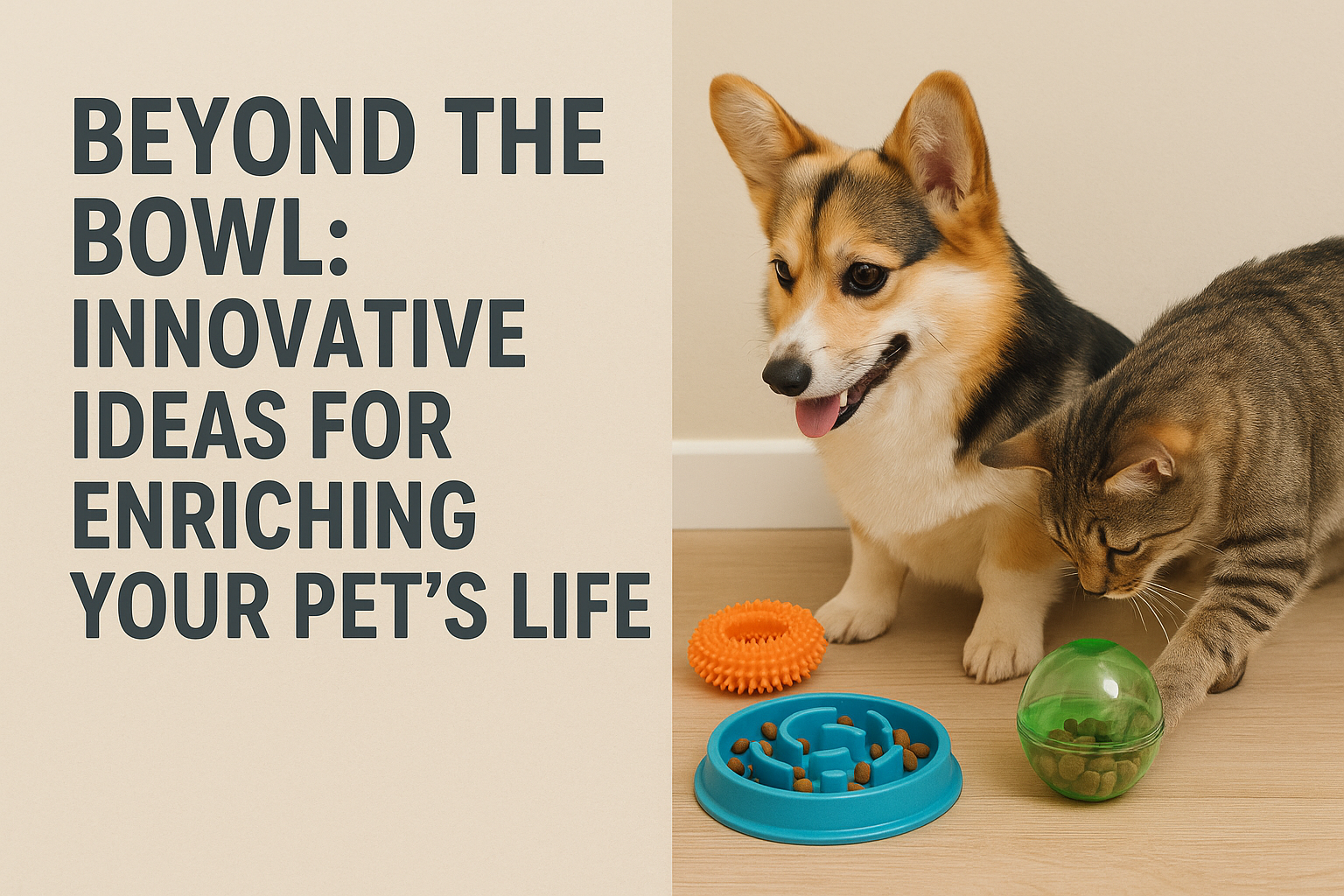
Pets are more than just companions; they are family. To ensure they lead a happy and healthy life, it’s essential to go beyond the basics of food and shelter. This article explores innovative ideas for enriching your pet’s life in various ways.
1. Enrichment through Play
Playtime is not just about exercise; it’s crucial for mental stimulation. Incorporate products that offer challenges, such as:
- Interactive Toys: Puzzle toys that require problem-solving skills can keep pets entertained.
- Laser Pointers: For cats, a simplistic laser pointer can provide exercise and engagement.
- Fetch Variations: Use automatic ball launchers to amp up traditional fetch games.
2. Sensory Experiences
Engaging your pet’s senses can be incredibly enriching. Consider the following:
- Scavenger Hunts: Hide treats around the house or yard to encourage foraging behavior.
- New Scents: Introduce your pet to new environments with different smells to stimulate their olfactory senses.
- Texture Exploration: Use various materials (like sand, grass, or snow) to provide different tactile experiences.
3. Training and Learning
Continuous learning is essential for mental stimulation. Explore these training methods:
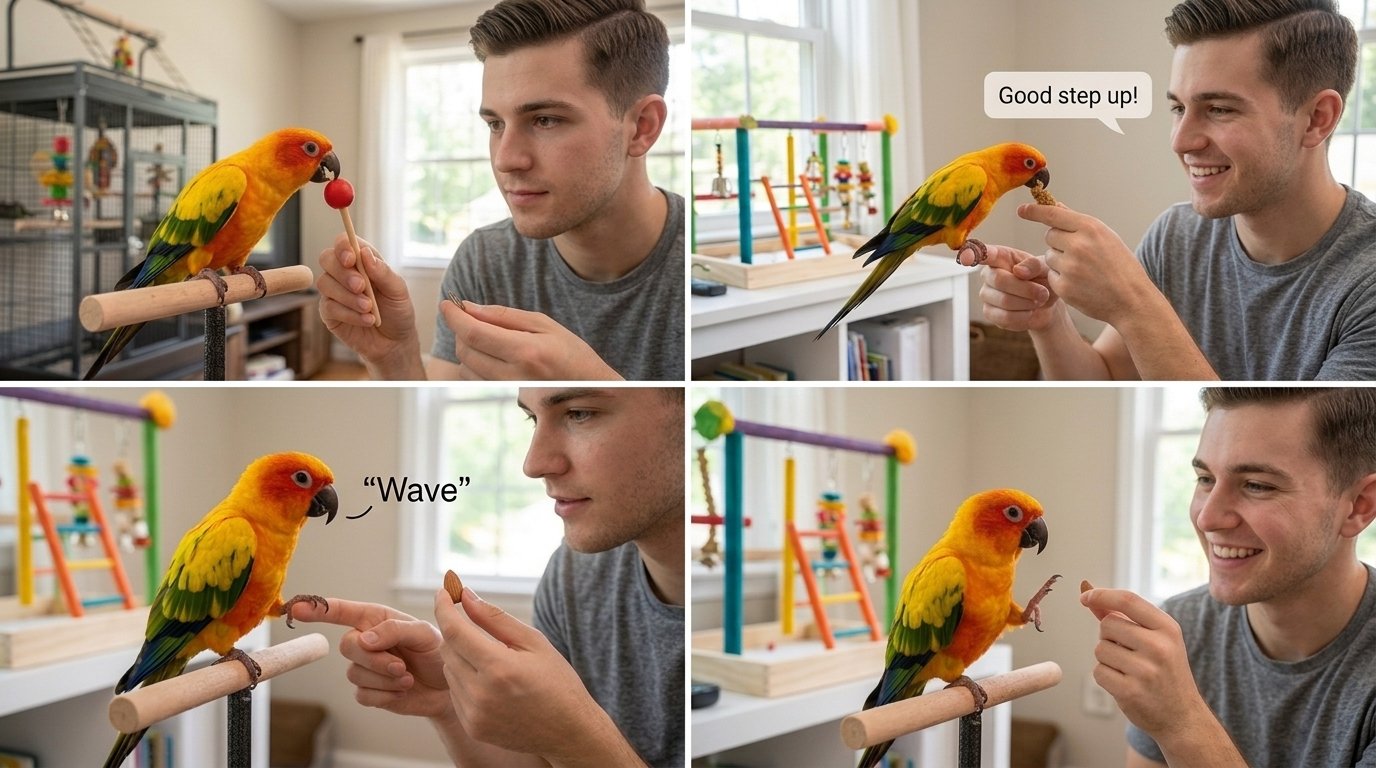
- Trick Training: Teach your pets new tricks regularly to keep their brains active.
- Agility Training: Set up an agility course in your yard to channel their energy and intelligence.
- Obedience Classes: Join dog training classes to enhance their social skills and train them alongside other pets.
4. Social Interactions
Animals are social creatures. Encourage social interactions in the following ways:
- Pet Meetups: Organize playdates with friends who have pets.
- Dog Parks: Visit your local dog park, where pets can roam freely and make new friends.
- Training Classes: Join classes where pets can interact with others while learning.
5. Creative Feeding Practices
Feeding time can be turned into an engaging activity:
- Slow Feeders: Use slow feeding bowls or toys to make mealtime a challenge.
- Food Dispensing Toys: These toys dispense food gradually, making your pet work for their meal.
- Treat Trials: Experiment with different treat types to keep them excited about mealtime.
6. Unique Experiences
Incorporate unique experiences into your pet’s life:
- Dog-Friendly Events: Attend events designed for pets and their owners.
- Camping: Bring your pet along on outdoor adventures.
- Swimming: If your pet likes water, take them swimming at a pet-friendly beach or pool.
7. Consider Technological Aids
Integrating technology can help improve your pet’s quality of life:
- Pet Cameras: Monitor your pet’s behavior and interact with them when you’re not home.
- Automated Feeders: Schedule meal times while at work or on vacation.
- Activity Trackers: Keep track of your pet’s activity levels to ensure they stay healthy.
Conclusion
Enriching your pet’s life requires a bit of creativity and commitment but ultimately leads to a happier, healthier, and more well-adjusted companion. Whether it’s playtime, sensory experiences, or innovative feeding practices, each effort you put forth can significantly enhance your pet’s mental and emotional well-being. By incorporating these ideas into your regular routine, you can help ensure your furry friend enjoys a vibrant and fulfilling life.
FAQs
1. How often should I engage my pet in enrichment activities?
It’s best to incorporate various types of enrichment daily. Aim for at least 30 minutes of both physical exercise and mental stimulation each day.
2. What are some warning signs that my pet might be bored?
Signs of boredom can include destructive behavior, excessive barking, or lethargy. If your pet seems uninterested or restless, it may be time to introduce new activities.
3. Can enrichment activities help with anxiety in pets?
Yes, mental and physical stimulation can help reduce anxiety in pets by providing distractions and promoting relaxation. However, it is essential to consult a veterinarian if anxiety persists.
4. Are there specific toys recommended for different types of pets?
Absolutely! Cats may enjoy puzzle feeders and fishing pole toys, while dogs might prefer chew toys and fetch devices. Always choose toys appropriate for your pet’s size and behavior.