Your Dog Pulls on Leash Heres How to Stop It Fast in 2026
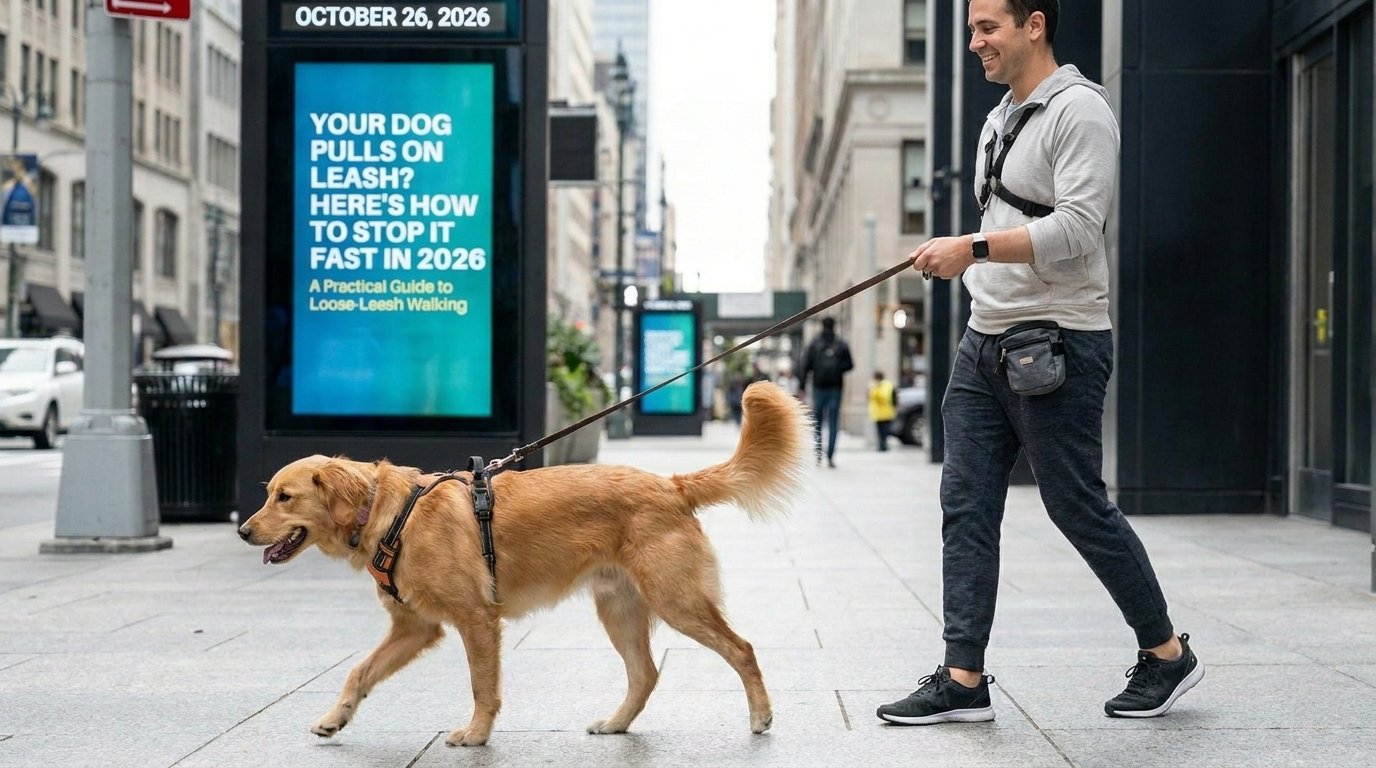
Tired of constantly being dragged down the street during your dog walks? You’re not alone. Many dog owners face the frustration of leash pulling, a common behavior that can turn an enjoyable stroll into a strenuous chore. The good news is that understanding why your dog engages in leash pulling and implementing the right strategies can transform your walks. By 2026, you can achieve serene, loose-leash walks with your beloved companion, making every outing a pleasure for both of you.
Understanding Why Your Dog Pulls on Leash
Before we can stop leash pulling, it’s crucial to understand the motivations behind it. Dogs don’t pull to annoy you; they pull because it works for them. Every time they pull and get to move forward, even a tiny bit, their behavior is reinforced.
The Instinctual Drive to Explore
Dogs are natural explorers, driven by their incredible sense of smell and curiosity about the world. When you step outside, their environment becomes a sensory overload of fascinating scents, sounds, and sights. They want to get to that interesting smell or greet that other dog, and pulling on the leash seems like the most direct path to their goal.
This natural inclination means that simply scolding them isn’t enough. We need to teach them an alternative, more rewarding way to navigate the world while attached to us. It’s about redirecting their strong drive into desirable behaviors.
Lack of Early Training and Reinforcement
Many dogs are not formally taught how to walk politely on a leash from a young age. Puppies often start by pulling because they’re eager and haven’t learned the leash’s purpose beyond connection. Without consistent, positive reinforcement for loose-leash walking, the pulling habit becomes ingrained and harder to break later on.
Every time a dog successfully pulls you to what they want, even if you eventually give in, you inadvertently strengthen the pulling behavior. This is why consistency is paramount in addressing leash pulling.
Energy Levels and Breed Predispositions
Some dogs, especially high-energy breeds or those bred for working roles (like Huskies, Retrievers, or many herding breeds), have a strong desire to move and pull. Their natural stamina and strength can make leash pulling a formidable challenge.
It’s important to recognize your dog’s breed characteristics and energy needs. A dog that isn’t adequately exercised before a walk is more likely to be overstimulated and pull. Ensuring they burn off excess energy beforehand can make training much more effective.
Essential Gear for Ending Leash Pulling
While no piece of equipment is a magic fix, the right tools can make a significant difference in your training journey, providing better control and comfort for both you and your dog. Selecting appropriate gear is a vital first step in combating leash pulling.
Choosing the Right Harness or Collar
The standard flat collar is often insufficient for dogs that pull strongly, as it can put pressure on their throat and not offer much control. Instead, specialized equipment can help redistribute pressure and provide better leverage.
– Front-clip harnesses: These harnesses have a leash attachment ring on the dog’s chest. When your dog pulls, they are gently redirected to the side, making it uncomfortable to pull forward. This changes their body mechanics.
– Head halters (gentle leaders): These resemble a bridle for a horse, fitting over your dog’s nose and behind their ears. They offer excellent control as where the nose goes, the body follows. They require a gentle introduction to ensure your dog accepts them comfortably.
– Martingale collars: These collars tighten slightly when a dog pulls, preventing them from slipping out without choking them. They are particularly useful for dogs with narrow heads (like sighthounds) but don’t prevent pulling as effectively as front-clip harnesses or head halters.
Comparison of Popular Anti-Pulling Gear
Understanding the pros and cons of different tools can help you make an informed decision based on your dog’s specific needs and your training goals.
| Product | Price | Pros | Cons | Best For |
|---|---|---|---|---|
| Front-Clip Harness (e.g., Easy Walk) | $25-$40 | Reduces pulling by redirecting momentum; comfortable for most dogs; widely available. | Can sometimes chafe under the armpits if not fitted properly; dogs may still pull if not combined with training. | General use for most dogs with moderate to strong pulling habits; good starting point. |
| Head Halter (e.g., Halti, Gentle Leader) | $20-$35 | Provides maximum control over the head, making pulling very difficult; effective for strong pullers. | Some dogs resist wearing it initially; requires careful introduction and positive association. | Strong, persistent pullers; dogs needing precise control for reactivity or excitement. |
| Martingale Collar | $15-$25 | Prevents collar slippage without choking; safer than choke chains; less intrusive than halters. | Does not actively discourage pulling, primarily prevents escape; can still put pressure on the throat. | Dogs prone to backing out of collars; moderate pullers when combined with strong training. |
Leash Selection: Length and Material
The leash itself also plays a role. A standard 4-6 foot leash is ideal for training loose-leash walking, providing enough slack for your dog to explore without excessive tangling, but keeping them close enough for control.
– Material: Opt for sturdy nylon or leather leashes that are comfortable to hold. Avoid retractable leashes during training, as they teach dogs that pulling extends their range, counteracting your efforts to stop leash pulling. Retractables also offer less control and can be dangerous.
Core Training Techniques for Loose Leash Walking
Equipment is just a tool; consistent training is where the real magic happens. These techniques focus on teaching your dog that slack in the leash is rewarding, while tension means no forward progress.
The “Stop and Go” Method
This is one of the most fundamental and effective techniques for leash pulling. It teaches your dog that pulling literally gets them nowhere.
1. Start your walk. The moment your dog puts tension on the leash, immediately stop walking.
2. Stand still and wait. Do not move forward until the leash goes slack again. This might take a few seconds, or even a minute, especially at the beginning.
3. As soon as the leash is loose, say “Yes!” or “Good!” and immediately resume walking.
4. Repeat this every single time your dog pulls. Consistency is key. Your dog will quickly learn that pulling stops the fun, and a loose leash means forward movement.
The “Change Direction” Method
Similar to “Stop and Go,” this method actively disengages your dog from the object of their pulling desire and keeps them focused on you.
1. As soon as you feel tension on the leash or your dog starts to pull in a specific direction, immediately change your direction of travel.
2. Walk sharply to the left, right, or even turn around. This unexpected change disrupts their pulling momentum.
3. When your dog reorients towards you and the leash slackens, praise them and continue walking in the new direction.
4. This technique teaches your dog that they need to pay attention to your movements, not just their own agenda, to keep moving forward.
Rewarding Loose Leash Walking
Positive reinforcement is crucial. Your dog needs to know what they are doing right.
– High-value treats: Keep small, delicious treats in a pouch.
– Frequent rewards: Every few steps your dog walks with a loose leash, mark the behavior with a verbal cue (like “Yes!” or a clicker) and immediately give a treat.
– Randomize rewards: Once they start getting it, don’t reward every single time. Keep them guessing, making the loose leash walking behavior more durable.
– Verbal praise and petting: Combine treats with enthusiastic praise and gentle pets when they are walking nicely by your side.
“Heel” or “Walk With Me” Cues
While not strictly necessary for basic loose-leash walking, teaching a specific “heel” or “walk with me” cue can be incredibly useful for focus and precision, especially in distracting environments.
1. Start in a low-distraction environment.
2. Hold a treat by your side, guiding your dog into the desired position (usually at your left or right knee).
3. As they walk nicely with you for a few steps, say your cue (“Heel!” or “Walk With Me!”) and reward them.
4. Gradually increase the number of steps before rewarding and introduce more distractions. This helps solidify the concept of walking politely next to you, actively reducing any urge for leash pulling.
Advanced Strategies and Troubleshooting Leash Pulling
Even with basic training, some dogs might present unique challenges. These advanced strategies address common hurdles and deepen your control.
Dealing with Distractions
Highly distracting environments are often where leash pulling habits re-emerge. This requires careful management and progressive training.
– Start small: Practice loose-leash walking in quiet areas first (your backyard, a quiet street) before moving to busier parks or trails.
– Increase duration and intensity: Gradually introduce more distractions—a short walk past another dog, then a longer walk near a playground.
– Proximity vs. engagement: Don’t expect perfection immediately. Focus on keeping your dog’s attention on you even when distractions are present. Use high-value treats to lure their focus back to you.
Addressing Reactivity and Excitement
Some dogs pull not just from eagerness but from excitement or anxiety when they see other dogs, people, or specific triggers. This often involves reactive behaviors in addition to leash pulling.
– Threshold training: Identify your dog’s “threshold”—the distance at which they can observe a trigger without reacting. Stay below this threshold.
– Engage and reward: When a trigger appears at a safe distance, immediately engage your dog with a treat or a game before they can react. Reward calm focus on you.
– Desensitization and counter-conditioning: Gradually decrease the distance to the trigger while maintaining your dog’s calm behavior, pairing the sight of the trigger with positive experiences (treats, praise).
Utilizing Long Lines for Freedom and Control
A long line (15-30 feet) can be an excellent tool for training recall and giving your dog more freedom in safe, open spaces, which can indirectly help with leash manners.
– Supervised practice: Use a long line in fenced areas or very safe open spaces.
– Practice recall: Call your dog back to you frequently, rewarding them generously. This builds their habit of checking in with you, even when they have more freedom.
– Boundary training: Teach your dog to stay within a certain radius, even on a long line. The more freedom they get in appropriate settings, the less desperate they may feel to pull on a standard leash.
The Role of Exercise and Mental Stimulation
A tired dog is often a well-behaved dog. Ensuring your dog’s physical and mental needs are met significantly reduces their urge to pull.
– Adequate exercise: Daily walks alone might not be enough. Incorporate vigorous play, fetch, or running.
– Mental enrichment: Puzzle toys, scent work, and training sessions engage their minds, tiring them out in a different way.
– Pre-walk activities: A quick game of fetch or a short training session before a walk can help burn off initial energy and improve focus.
Consistency and Patience: The Keys to Lasting Success
Training a dog to stop leash pulling is a journey, not a sprint. It requires unwavering dedication and a deep well of patience.
Establishing a Consistent Routine
Dogs thrive on routine and predictability. Consistency in your training methods across all family members is non-negotiable.
– Everyone on board: Ensure every person who walks your dog uses the exact same cues, techniques, and rewards. Inconsistency sends mixed signals and can confuse your dog, hindering progress.
– Regular practice: Short, frequent training sessions (5-10 minutes) are often more effective than long, infrequent ones. Practice loose-leash walking every time you take your dog out, even if it’s just to the mailbox.
– Environment changes: Expect setbacks when you change environments. What works in a quiet street might need reinforcement in a bustling park. Gradually introduce new places.
Celebrating Small Victories
It’s easy to get frustrated when progress seems slow or when your dog has a “bad” walk. It’s crucial to acknowledge and celebrate every small step forward.
– Focus on progress, not perfection: Did your dog walk nicely for 10 feet? That’s a victory! Did they stop pulling sooner than usual? Celebrate it!
– Positive reinforcement for you: Remind yourself of the progress. This journey takes time, and your patience will pay off. Your dog is learning, and every step in the right direction is significant.
– Journaling: Keep a short log of your walks. Note improvements, challenges, and what worked. This can be incredibly motivating and highlight patterns you might otherwise miss.
When to Seek Professional Help
If you’ve consistently applied these techniques and are still struggling with severe leash pulling, or if your dog exhibits additional challenging behaviors like aggression or extreme reactivity, don’t hesitate to seek professional help.
– Certified professional dog trainer (CPDT): A good trainer can observe your interactions, identify specific triggers, and tailor a plan to your dog’s individual needs. They can also offer hands-on guidance and support.
– Veterinary behaviorist: For very complex cases, especially those involving anxiety or aggression, a veterinary behaviorist (a veterinarian specializing in animal behavior) can provide medical and behavioral interventions.
Remember, building a strong, positive relationship with your dog is at the heart of all successful training. By being patient, consistent, and positive, you can overcome leash pulling and enjoy the harmonious walks you’ve always dreamed of with your canine companion.
Frequently Asked Questions About Leash Pulling
How long does it take to stop a dog from pulling on the leash?
The time it takes varies greatly depending on the dog’s age, breed, temperament, the owner’s consistency, and the severity of the pulling habit. For some, it might be a few weeks of diligent training, while for others, especially strong or reactive pullers, it could take several months or even longer. Consistency is the most crucial factor.
Should I use a prong collar or choke chain to stop leash pulling?
While these tools can physically stop a dog from pulling, they work through aversion and discomfort, which can damage your relationship with your dog and lead to other behavioral issues. Positive reinforcement methods, coupled with front-clip harnesses or head halters, are generally recommended as more humane and effective long-term solutions for teaching loose-leash walking.
My dog pulls even more when they see another dog. What should I do?
This sounds like leash reactivity in addition to general leash pulling. Begin by increasing the distance between your dog and the trigger (other dogs) so your dog remains calm. Practice “engage-disengage” games where you reward your dog for calmly looking at the other dog, then looking back at you. Gradually decrease the distance as your dog shows progress, always ensuring you stay below their reaction threshold. Professional guidance can be very beneficial here.
Is it ever okay to let my dog pull, like when hiking?
It’s generally not recommended to allow pulling in certain situations if you are actively trying to train loose-leash walking, as it can confuse your dog and reinforce the pulling behavior. However, you can teach a distinct cue for “pull” or “mush” for specific activities like canicross or skijoring, ensuring it’s a separate command from their regular loose-leash walking behavior.
Can an older dog learn not to pull on the leash?
Absolutely! You can teach an old dog new tricks, including loose-leash walking. While it might take a bit more time to undo years of ingrained habits, older dogs are fully capable of learning new behaviors. Patience, consistency, and positive reinforcement are key, just as with a younger dog.