Claws & Cleans: Understanding the Connection Between Grooming and Cat Behavior
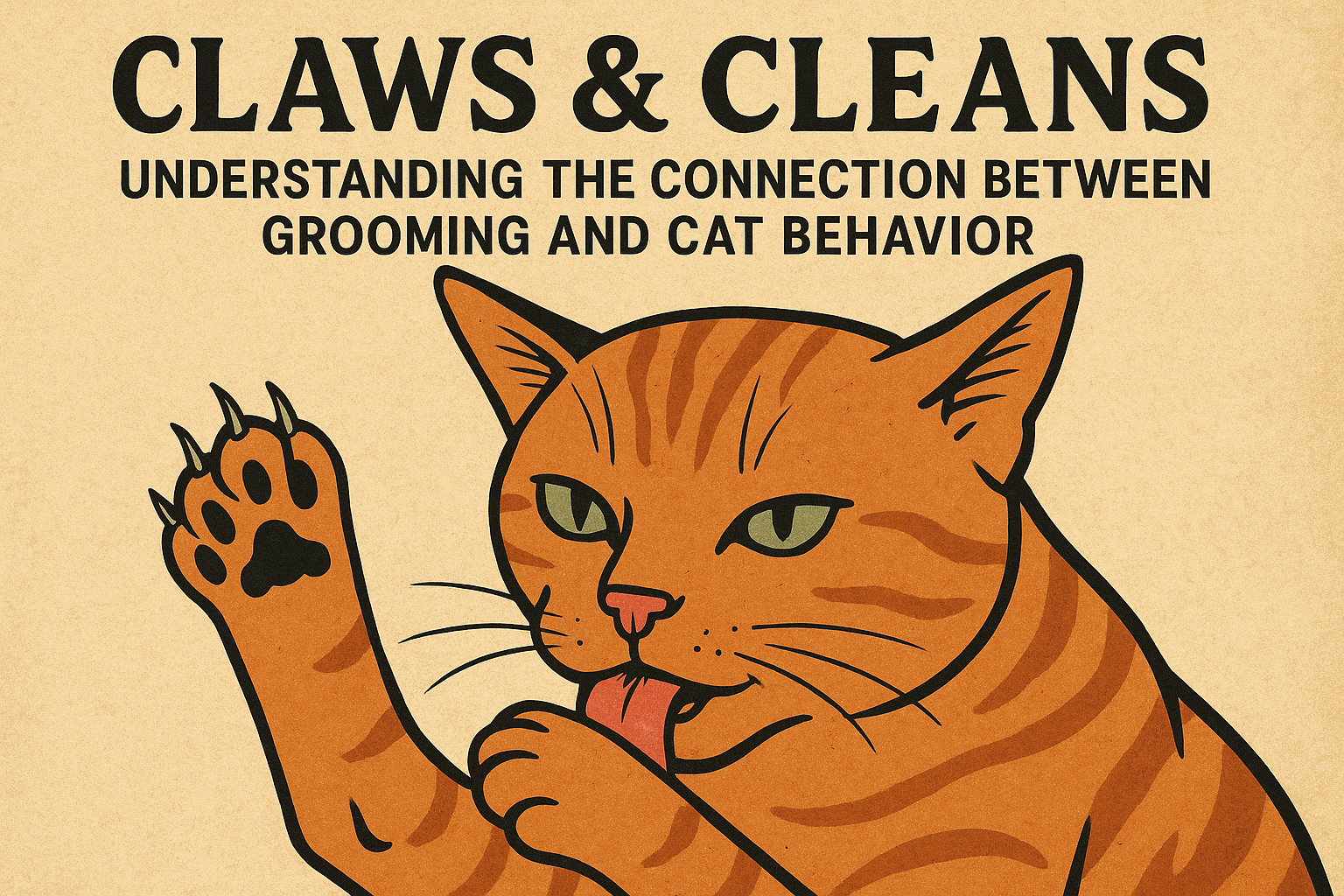
Cats are fascinating creatures, full of personality and charm. A significant aspect of feline behavior is grooming—a self-care routine that goes beyond mere hygiene. Grooming plays an essential role in a cat’s social interactions, mental health, and overall well-being. In this article, we’ll explore the various dimensions of grooming in cats and how it impacts their behavior.
1. The Importance of Grooming in Cats
Grooming is a vital part of a cat’s daily routine. Cats spend a substantial amount of time grooming themselves—often up to 50% of their waking hours. This behavior serves a variety of purposes:
-
- Hygiene: Regular grooming helps cats remove dirt, debris, and loose fur from their coats, which is crucial for maintaining skin health.
-
- Temperature Regulation: Grooming helps distribute natural oils throughout the fur, providing insulation against cold weather and protecting against heat.
-
- Stress Relief: Grooming has a calming effect on cats, reducing anxiety and fostering a sense of security.
-
- Social Signaling: Cats often groom each other—a behavior known as allogrooming—to strengthen social bonds and establish hierarchies within their social groups.
2. Types of Grooming Behaviors
Grooming behaviors can be classified into two categories: self-grooming and social grooming.
Self-Grooming
Self-grooming is the process by which a cat cleans itself using its tongue. This behavior serves multiple functions:
-
- Cleaning: The rough surface of a cat’s tongue acts like a brush, effectively removing dirt, loose fur, and parasites.
-
- Odor Management: Cats have scent glands all over their bodies. By grooming, they can manage their scent, which is crucial for hunting and territorial behaviors.
-
- Stress Relief: Self-grooming can be a soothing activity that helps cats cope with stress or anxiety.
Social Grooming (Allogrooming)
Social grooming, or allogrooming, occurs when cats groom each other. This behavior is essential for social bonding and has several benefits:
-
- Strengthening Bonds: Grooming among cats fosters social relationships and helps maintain group cohesion.
-
- Demonstrating Affection: Cats often groom those they trust and care for, using it as a form of affection.
-
- Promoting Calmness: Similar to self-grooming, allogrooming can help reduce stress and anxiety in both the groomer and the groomed.
3. The Psychological Aspects of Grooming
Grooming is not just a physical activity; it has significant psychological implications as well. Let’s delve deeper into how grooming affects a cat’s mental state.
Reducing Anxiety and Promoting Relaxation
Grooming has been shown to produce a calming effect on cats. When a cat grooms itself, it engages in a rhythmic and repetitive behavior that can help alleviate stress. This is particularly evident in anxious or nervous cats, who may use grooming as a coping mechanism. It’s essential to ensure your cat has an appropriate outlet for self-grooming, as over-grooming can indicate deeper emotional issues.
Behavioral Indicators
Monitoring a cat’s grooming habits can offer insights into its emotional state. Changes in grooming behavior may indicate underlying issues:
-
- Increased Grooming: Excessive grooming might signal stress, anxiety, or even physical discomfort from skin irritations or other medical conditions.
-
- Decreased Grooming: A sudden decline in grooming can indicate lethargy, depression, or illness. It’s essential to consult a veterinarian if you notice such changes.
4. The Role of Grooming Tools and Equipment
While cats are generally skilled at grooming themselves, pets owners can play a role in their cat’s grooming routine. Various grooming tools can aid in maintaining a cat’s coat and overall health, including:
-
- Brushes: Regular brushing can help reduce shedding, prevent matting, and promote skin health.
-
- Cat Wipes: For cats that may not tolerate a full bath, cat wipes can be a convenient alternative for cleaning.
-
- Flea Comb: This tool is useful for removing fleas and flea eggs from a cat’s coat, promoting better hygiene.
-
- Nail Clippers: Keeping a cat’s claws trimmed is an essential part of grooming that can prevent injury and damage to furniture.
5. Social Grooming and Feline Hierarchies
Social grooming is not merely about cleanliness; it plays a crucial role in establishing and maintaining social hierarchies among cats. This behavior is particularly important in multi-cat households, where establishing rank can reduce conflicts.
Establishing Rank
Through allogrooming, cats demonstrate their social status and develop relationships with other cats. Higher-ranking cats often groom lower-ranking ones. Conversely, lower-ranking cats may groom those that outrank them as a sign of submission and respect. Observing these behaviors can provide insights into the dynamics of your household’s feline relationships.
Minimizing Conflict
By engaging in social grooming, cats can mitigate tension and foster a sense of harmony in their environment. They can avoid confrontations and maintain peaceful coexistence within their social groups.
6. Grooming as a Form of Play
Interestingly, grooming can also serve a playful function for cats. Kittens, in particular, use grooming as a form of social play. They may engage in playful behaviors such as chasing, pouncing, and then grooming each other afterward. This play reinforces bonding while providing vital socialization skills.
7. The Importance of Regular Grooming by Owners
While cats have natural grooming instincts, they can benefit significantly from the grooming efforts of their owners. Regular grooming sessions can enhance the bond between you and your pet while ensuring their coat remains healthy. Additionally, grooming can help:
-
- Spot Health Issues Early: Regularly grooming your cat allows you to check for skin irritations, lumps, or other abnormalities that may require veterinary attention.
-
- Prevent Hairballs: Brushing can significantly reduce the amount of fur your cat ingests while grooming, thus minimizing hairball formation.
-
- Promote Positive Experiences: Regular grooming can be an enjoyable experience, especially if paired with treats and positive reinforcement.
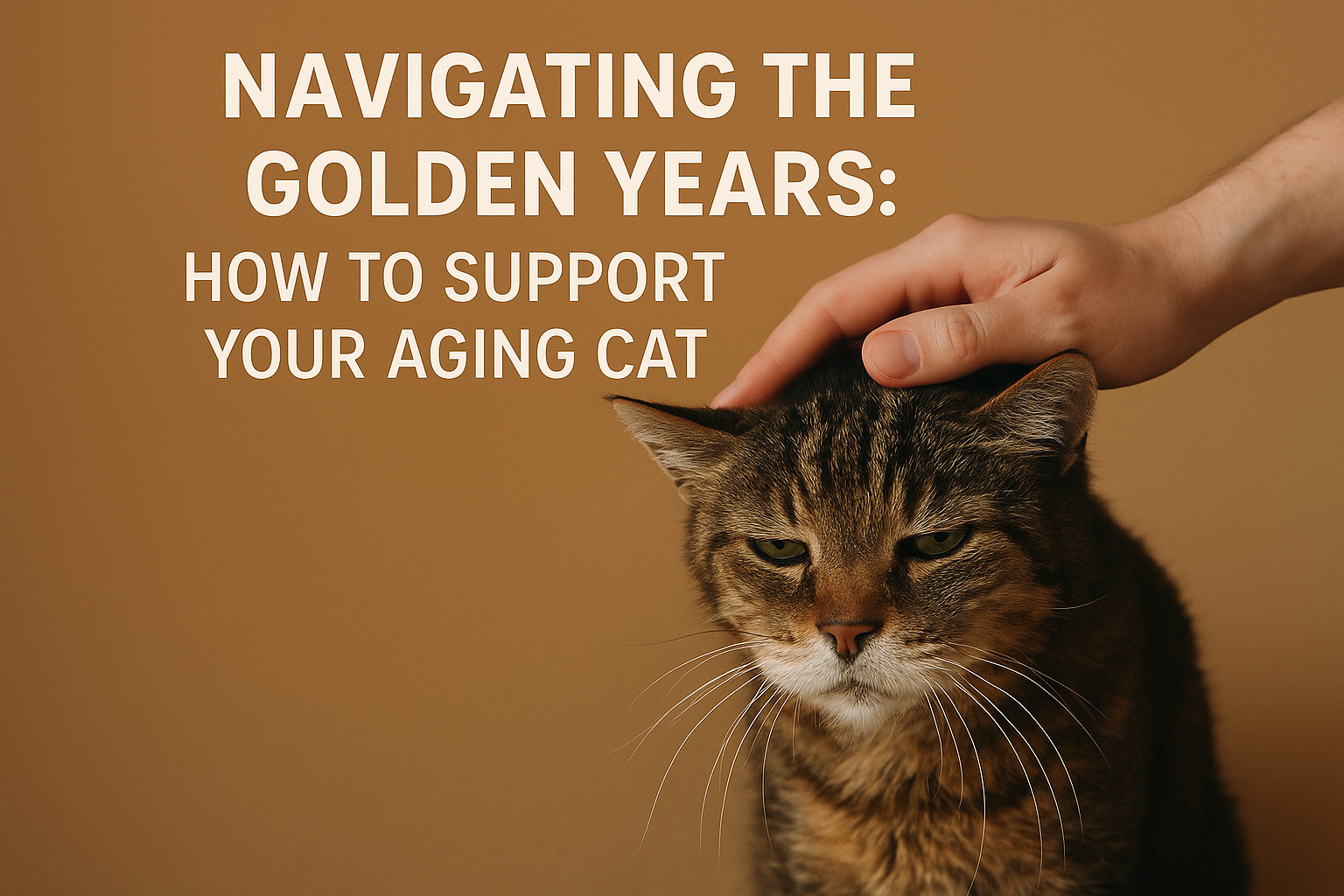
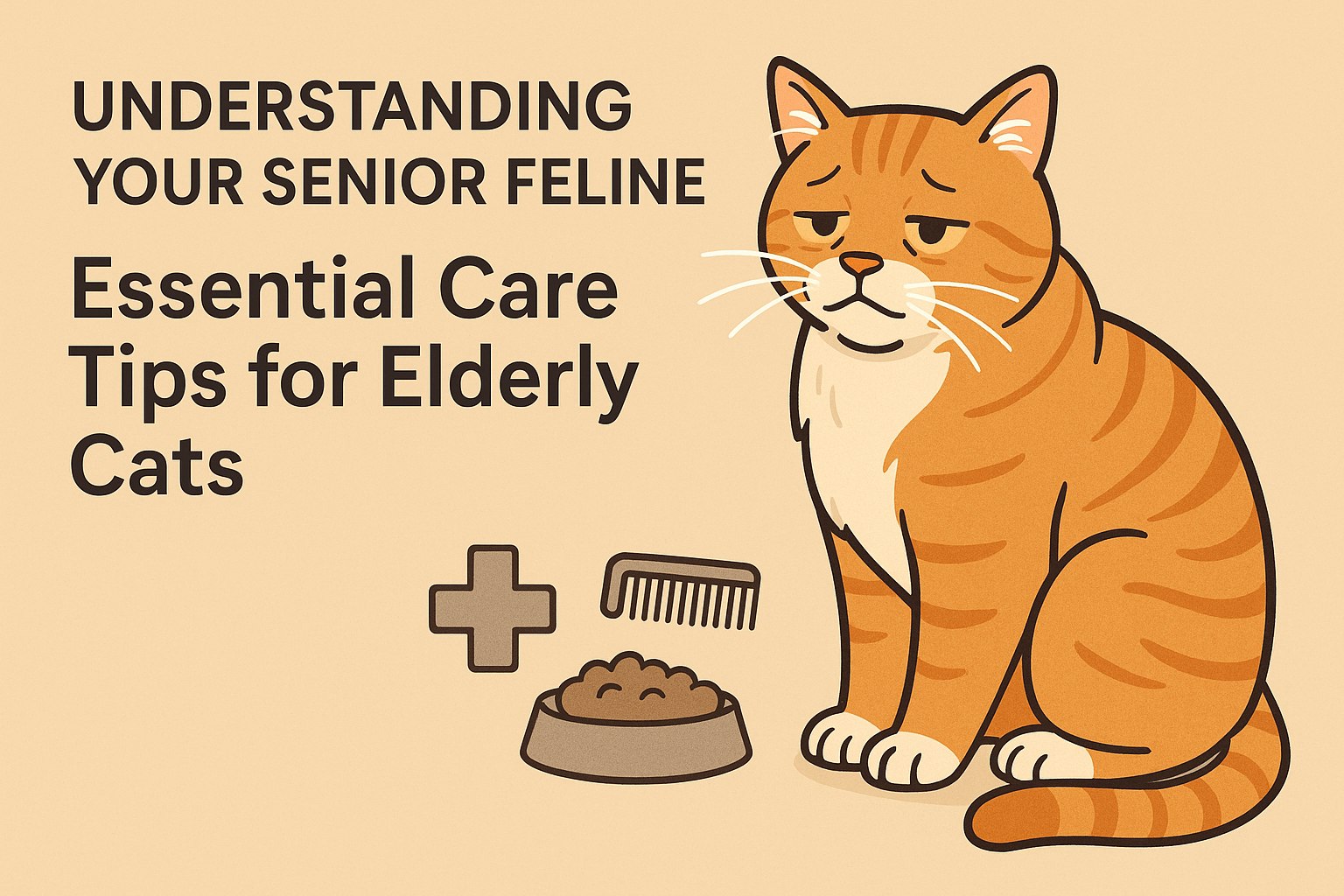
8. Grooming and Aging Cats
As cats age, their grooming habits may change. Older cats may groom less effectively due to mobility issues, arthritis, or other health concerns. It’s essential for owners of senior cats to monitor their grooming habits and assist them if needed. Providing gentle brushing can help maintain their coat while also offering comfort and companionship.
Conclusion
Understanding the connection between grooming and cat behavior is essential for nurturing a happy and healthy feline companion. Grooming serves fundamental needs, including hygiene, social bonding, and stress relief. By recognizing the different grooming behaviors in your cat, you can enhance your relationship with them, promote their well-being, and ensure a happy cat in your household. Whether through self-grooming or social interactions, grooming is a vital aspect of a cat’s life that reflects their emotional and physical health.
FAQs
1. How often should I groom my cat?
The frequency of grooming depends on the cat’s fur length and type. Short-haired cats may require grooming once a week, while long-haired breeds need daily grooming to prevent matting.
2. What signs indicate my cat is over-grooming?
If your cat is overly grooming to the point of losing fur, developing bald patches, or exhibiting irritated skin, it may be a sign of stress or medical issues. Consult a veterinarian for advice.
3. Can grooming help alleviate cat anxiety?
Yes, grooming can be a soothing activity for cats. Regular grooming sessions can provide comfort and help reduce anxiety levels, especially in nervous cats.
4. Is it okay to bathe my cat?
While cats are generally good at self-grooming, occasional baths may be necessary, especially if they get into something dirty or sticky. Use cat-specific shampoo and consult your vet if unsure.
5. What should I do if my cat doesn’t like being groomed?
Start slowly, using positive reinforcement such as treats and praise. Consider using different grooming tools and allowing your cat to acclimate to the process at their own pace.