Decoding Cat Grooming: What Your Feline Is Trying to Tell You
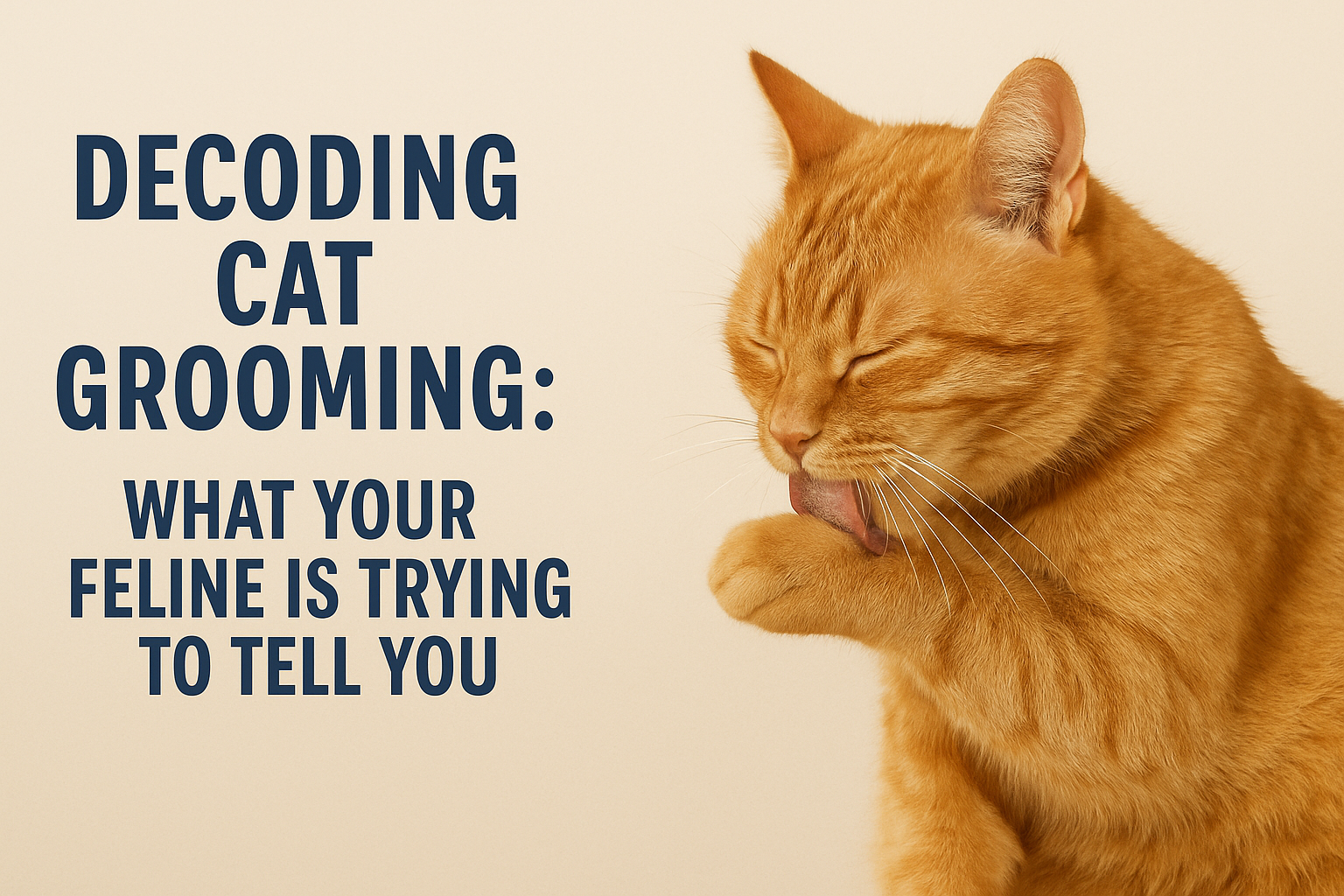
Grooming is an essential aspect of a cat’s life. Not only is it necessary for their physical health, but it can also reveal a lot about their emotional state and wellbeing. Understanding the cues your feline friend gives you through their grooming behavior can foster a deeper bond and ensure they remain healthy and happy. In this article, we will delve into the significance of cat grooming, explore the different types of grooming behaviors, and decode what your feline is trying to communicate when they groom themselves or even you.
The Importance of Grooming for Cats
Before we dive into the meanings behind grooming behaviors, it’s vital to recognize why grooming is so important for cats. Grooming serves several essential purposes:
- Hygiene: Cats groom themselves to keep their fur clean and free of dirt, parasites, and loose hair. This helps prevent skin issues and infections.
- Temperature Regulation: Grooming helps distribute natural oils produced by their skin, which in turn helps maintain their body temperature.
- Stress Relief: Grooming can be a self-soothing behavior, helping cats relax and manage stress.
- Social Bonding: In multi-cat households, cats may groom each other (allogrooming) as a way to strengthen social bonds.
Types of Grooming Behaviors
Grooming can be categorized into different behaviors, each carrying its weight in meaning. Let’s explore these types:
1. Self-Grooming
Self-grooming is the most common grooming behavior observed in cats. It typically occurs in the following scenarios:
- Routine Cleaning: Cats will frequently clean their paws, face, and body to maintain hygiene.
- Stress Response: A cat may groom excessively when they are stressed or anxious, leading to bald patches or skin irritations.
- Health Issues: If a cat grooms a specific area more than usual, it could signal discomfort or an underlying health issue, such as allergies or parasites.
2. Mutual Grooming
Mutual grooming, or allogrooming, often occurs among cats that live together. This behavior has several implications:
- Building Social Bonds: Grooming each other strengthens the bond between cats and promotes a sense of social hierarchy.
- Emotional Comfort: Mutual grooming can be a way to provide comfort during stressful situations.
3. Grooming You
If your cat starts grooming you, it’s a sign of affection and trust. Here’s what it means:
- Affection: Grooming is often a way for a cat to bond with their owner, similar to how they would groom a fellow cat.
- Marking Territory: Cats have scent glands in their mouths and may groom you to mark you as part of their territory.
4. Pacing and Grooming
Some cats exhibit a strange combination of grooming and pacing. This behavior could indicate:
- Anxiety: Pacing while grooming may be a sign of anxiety or nervousness.
- Exploration: Cats may pace during periods of heightened curiosity or excitement.
Decoding Your Cat’s Grooming Behavior
Now that we’ve outlined the types of grooming, let’s delve into how to interpret these behaviors. Each grooming behavior can be attributed to different emotional states or environmental factors.
Excessive Grooming
If your cat is grooming excessively, it could be a sign of stress, anxiety, or medical issues. Look out for:
- Hair loss or bald spots
- Skin irritations or raw patches
- Changes in general behavior like appetite or sleep
If you notice any of these signs, it’s advisable to consult your veterinarian to rule out health problems and assess their stress levels.
Infrequent Grooming
Conversely, if your cat is not grooming themselves as much as they should, this could signal a different set of issues:
- Physical health problems affecting mobility
- Depression or lethargy
- Obesity, which can hinder their ability to groom
A decline in grooming behavior can significantly impact a cat’s wellbeing, and seeking veterinary advice is crucial.
Grooming with a Purpose
Sometimes the purpose behind grooming can be multifaceted. Cats may groom after a stressful situation or in response to environmental changes. Reflecting on these actions can help you create a supportive atmosphere:
- Establish a safe space for them during loud events like thunderstorms or fireworks.
- Introduce any changes in your home gradually to minimize anxiety.
What You Can Do to Support Your Cat
Now that we’ve decoded the various grooming behaviors, it’s essential to know how to support your cat’s grooming needs:
- Regular Grooming: Brush your cat regularly to help them with their grooming and reduce shedding and hairballs.
- Maintain a Healthy Diet: Ensure they are on a balanced diet that supports skin and coat health.
- Stress Management: Identify any stressors in their environment and make adjustments to mitigate anxiety.
- Regular Vet Visits: Schedule regular check-ups to catch any potential health issues early.
Conclusion
Decoding your cat’s grooming behavior can significantly enhance your understanding of their overall health and emotional state. From recognizing signs of stress or illness through grooming habits to providing the necessary support, being attuned to your feline friend’s grooming patterns is crucial. By fostering a nurturing environment and staying vigilant about their needs, you can ensure your cat remains both healthy and happy.
Remember, your cat’s grooming habits are not just about cleanliness; they tell us stories about their feelings, comfort levels, and even their relationship with you. So next time you see your cat grooming themselves, or even you, take a moment to observe and appreciate the messages they may be trying to convey.
FAQs
1. Why does my cat groom herself so much?
Excessive grooming can indicate stress, anxiety, or health issues. If you notice your cat grooming more than usual, it’s best to consult a veterinarian.
2. Is it normal for cats to groom me?
Yes! If your cat is grooming you, it’s a sign of affection and trust. They may also be marking their territory.
3. How can I help my cat with excessive grooming?
Identify any stressors in her environment and consult a vet to rule out health issues. Regular playtime and a calming atmosphere can also help.
4. What should I do if my cat stops grooming herself?
If your cat shows a decrease in grooming behavior, it may signify health problems or mental distress. Consult your vet for an evaluation.
5. Can grooming help my cat bond with me?
Absolutely! Engaging in regular grooming sessions can strengthen your bond and create a sense of security for your cat.