Grooming Gone Awry: When Excessive Grooming Becomes a Concern
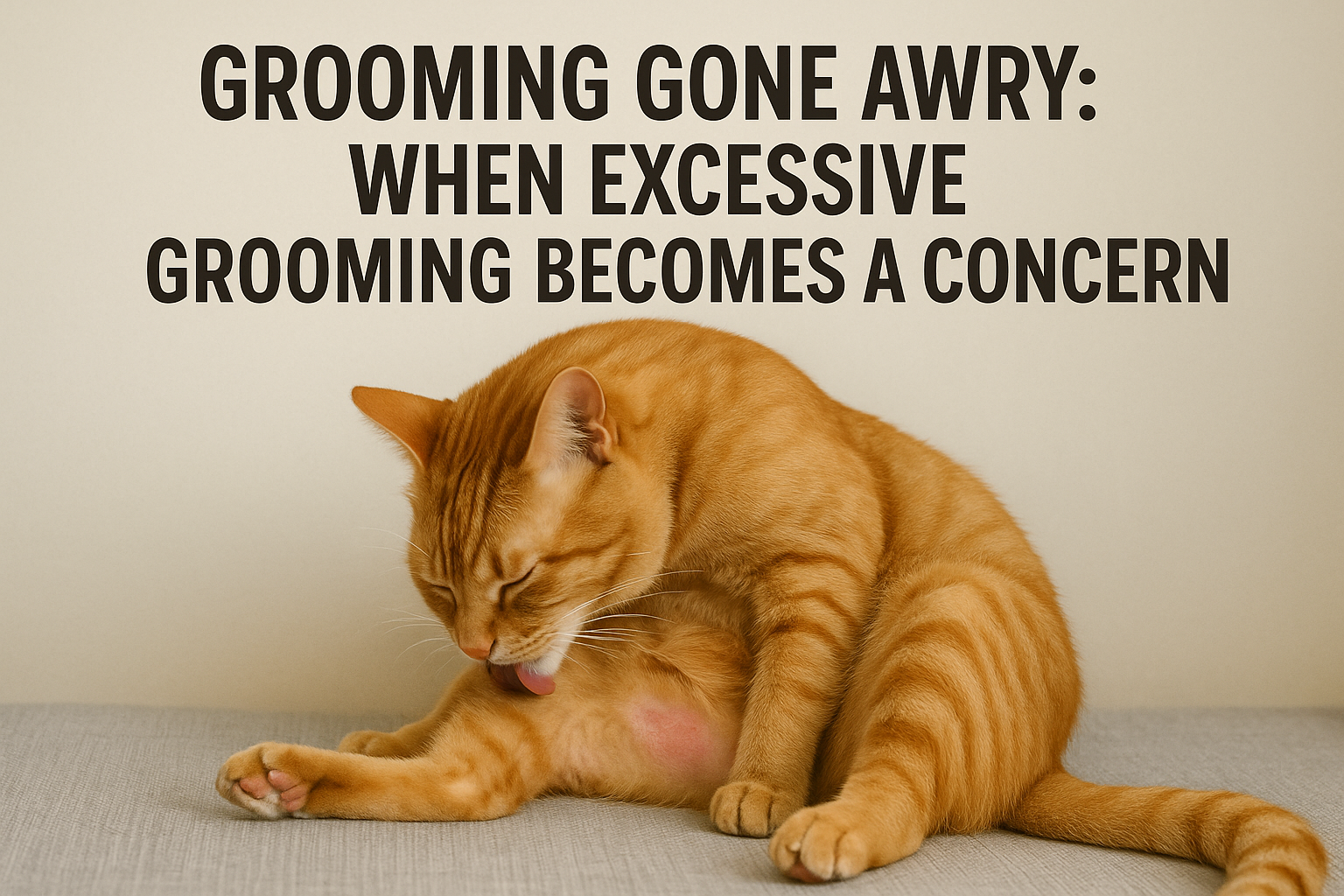
Grooming is an essential part of self-care that allows individuals to maintain their appearance, hygiene, and overall well-being. However, when grooming habits become excessive, they can lead to various psychological and physical health issues. This article delves into the reasons behind excessive grooming, the warning signs to look for, and the impacts on mental health, social interactions, and daily life. Let’s explore how grooming can go awry and when it becomes a cause for concern.
Understanding Grooming Behavior
Grooming behavior encompasses a wide range of actions including bathing, hair styling, skincare routines, and nail care. For many, these practices are integral to maintaining self-esteem and confidence. However, there is a fine line between healthy grooming habits and excessive grooming, which may indicate underlying psychological issues.
When Grooming Becomes Excessive
Excessive grooming can manifest in various forms, including:
- Compulsive Hair Pulling: Known as trichotillomania, this disorder involves pulling hair from the scalp, face, or other parts of the body.
- Skin Picking: Dermatillomania, or compulsive skin picking, involves repetitively picking at one’s skin, resulting in injuries or infections.
- Obsessive Bathing: Some individuals may feel the need to shower excessively, sometimes multiple times a day, due to anxiety or obsessive-compulsive tendencies.
- Incessant Grooming Rituals: These may include repeatedly arranging hair, applying makeup, or adjusting clothing, often driven by feelings of inadequacy.
Causes of Excessive Grooming
Understanding why some individuals engage in excessive grooming can be complex. Several factors may contribute to the development of such behaviors:
1. Psychological Factors
Many people who engage in excessive grooming may have underlying psychological issues. Conditions such as anxiety disorders, depression, and obsessive-compulsive disorder (OCD) can contribute to compulsive grooming behaviors.
2. Social Influence
Societal pressures and media portrayals of beauty standards can lead individuals to strive for an ideal appearance. This desire can morph into a fixation on grooming as a means of achieving that standard.
3. Low Self-Esteem
Individuals with low self-esteem may turn to excessive grooming as a way to cope with feelings of inadequacy. They might believe that altering their appearance will improve how they feel about themselves and how others perceive them.
4. Past Trauma
Experiences of trauma or abuse can lead some individuals to develop coping mechanisms that include excessive grooming as a means of exerting control over their appearance when they feel powerless in other areas of their lives.
Signs and Symptoms
Identifying excessive grooming is crucial for seeking help. Here are some signs to watch for:
- Physical Signs: Noticeable bald patches from hair pulling, skin sores from picking, or signs of irritation from over-washing.
- Time Consumption: Spending excessive time on grooming rituals that interfere with daily activities or responsibilities.
- Emotional Distress: Experiencing anxiety, guilt, or shame related to grooming habits.
- Social Withdrawal: Avoiding social situations due to embarrassment about appearance.
The Impact of Excessive Grooming
The repercussions of excessive grooming can affect various aspects of life:
1. Mental Health
Excessive grooming is often linked to severe anxiety and depression, which can result in a vicious cycle. The act of grooming may provide temporary relief from anxiety but can lead to long-term emotional distress.
2. Physical Health
Physical consequences include skin infections, hair loss, and other dermatological issues. Additionally, excessive bathing or product use may strip the skin of its natural oils, leading to further problems.
3. Social Interactions
Those who groom excessively may avoid social interactions, leading to isolation and loneliness. They may feel judged or become preoccupied with their appearance, distracting from meaningful interactions with others.
4. Professional Life
Excessive grooming can affect professional life as well, with individuals spending time in the office concerned about appearance rather than productivity. This preoccupation may lead to missed deadlines or decreased job performance.
Getting Help: Strategies for Change
If you or someone you know is struggling with excessive grooming, there are several strategies that can help alleviate the problem:
1. Seek Professional Help
Consulting with a mental health professional is vital. Cognitive-behavioral therapy (CBT) can be particularly effective in addressing the obsessive thoughts and compulsive behaviors associated with excessive grooming.
2. Establish a Balanced Routine
Creating a structured grooming routine that allocates appropriate time for self-care can help prevent excessive grooming behaviors from taking over.
3. Develop Coping Mechanisms
Finding healthier coping strategies such as physical activity, mindfulness, or creative expression can redirect focus away from grooming behaviors.
4. Build a Support Network
Connecting with friends, family, or support groups can provide emotional validation and encouragement on the journey toward healthier grooming habits.
Conclusion
Grooming is a necessary part of looking after oneself, yet when it becomes excessive, it can signify deeper psychological issues. Recognizing the signs and understanding the underlying causes of excessive grooming are essential steps toward seeking help and making positive changes. Remember, it is always beneficial to reach out to mental health professionals, as they can provide guidance tailored to individual needs. Acknowledging the problem is the first step; seeking help is the pathway to recovery.
FAQs
1. What is considered excessive grooming?
Excessive grooming is typically characterized by repetitive grooming behaviors that interfere with daily life and cause emotional and physical distress.
2. How can I tell if someone I know is struggling with excessive grooming?
Signs may include noticeable changes in their appearance due to grooming, increased time spent on grooming rituals, and a tendency to avoid social interactions due to embarrassment.
3. What are some coping strategies for dealing with excessive grooming?
Some effective coping strategies include seeking professional help, establishing a balanced grooming routine, developing alternative coping mechanisms, and building a supportive social network.
4. Can excessive grooming be treated?
Yes, excessive grooming can be treated with professional help, particularly through therapies such as cognitive-behavioral therapy, which can help in addressing the underlying psychological issues.
5. Are there support groups for those struggling with grooming issues?
Yes, many support groups and counseling services address issues related to body-focused repetitive behaviors, including excessive grooming. Online forums can also provide a sense of community and support.