Traveling with Pets: Essential Tips for a Stress-Free Adventure
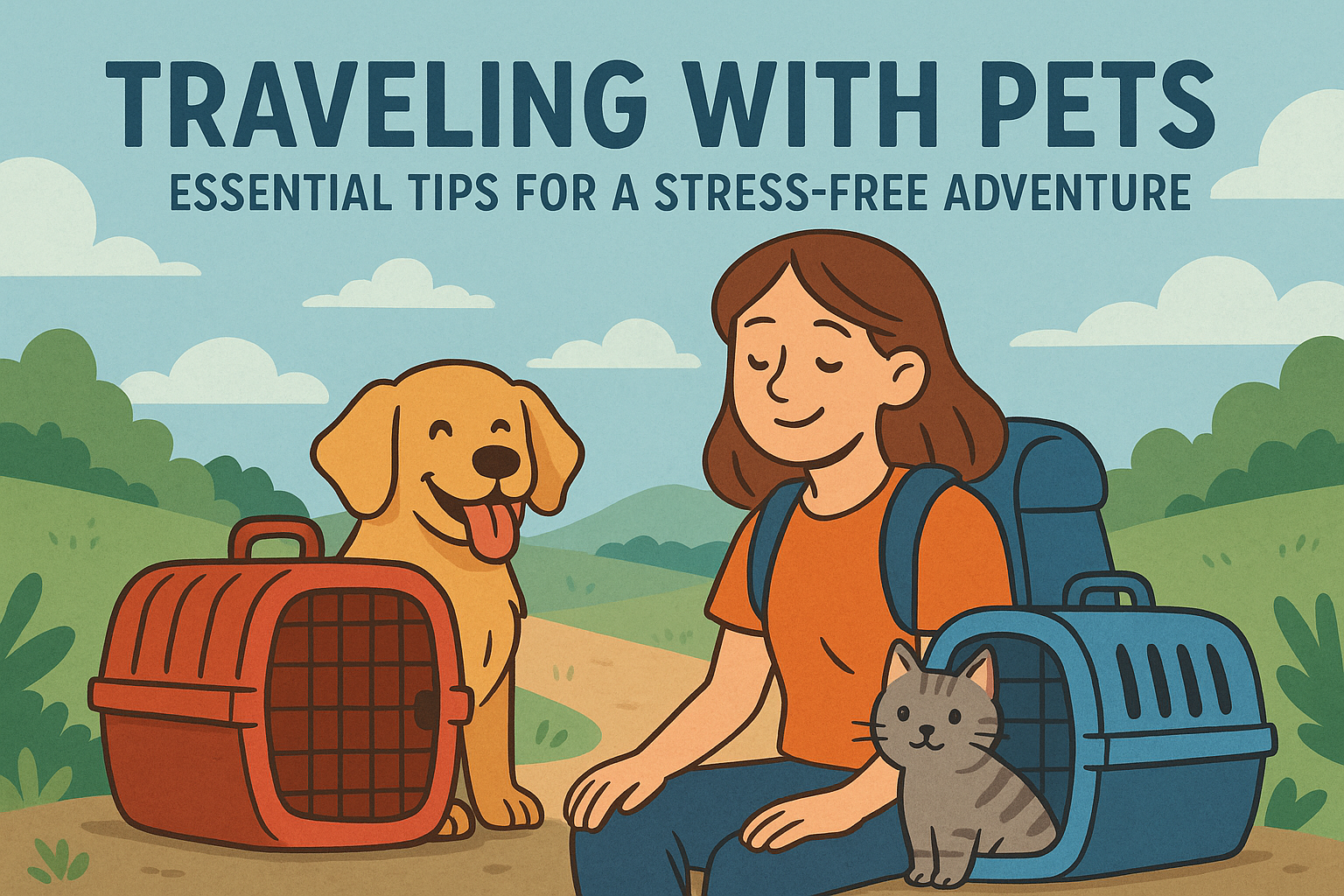
Traveling with your beloved pet can be an enriching experience, filled with memories that will last a lifetime. However, it requires careful planning and consideration to ensure that both you and your pet have a stress-free adventure. Whether you’re embarking on a road trip, flying to a distant destination, or heading to a nearby cabin in the woods, these essential tips will help you navigate the journey smoothly.
Planning Ahead: The Key to Success
Before you set off on your adventure, there are several key areas to plan and prepare for.
Choose Pet-Friendly Accommodations
Not all hotels, motels, or rental properties welcome pets. Use websites that specialize in pet-friendly accommodations or filter search results to show only pet-friendly options. Always check the hotel’s pet policy, including any applicable fees or restrictions on size and breed.
Visit the Vet
Schedule a visit to the veterinarian before your trip. Ensure that your pet is up-to-date on vaccinations, as certain hotels and destinations may require proof of vaccinations. Discuss any potential travel-related health issues, such as anxiety or motion sickness, and ask for recommendations on how to manage them.
Prepare a Packing List
Your pet will require more than just their collar and leash. Consider packing:
- Food and water bowls
- Enough food for the entire trip plus a few extra days
- Their favorite toys and blankets
- A first-aid kit
- Any necessary medications
- A leash, harness, and collar with ID tags
- Waste bags for clean-up
- Travel crate (if necessary)
- Pet insurance documents and vet contact information
Traveling by Car
Road trips can be a fantastic way to travel with pets, allowing for flexibility and freedom. However, you should still take specific precautions.
Ensure Safety in the Vehicle
Never allow your pet to roam free in a moving vehicle. Use a pet seatbelt, harness, or crate to secure your pet and keep them safe during the drive. This protects both your pet and other passengers in case of sudden stops or accidents.
Plan Frequent Breaks
Just like humans, pets need breaks to stretch their legs and relieve themselves. Plan for stops every couple of hours to allow your pet to walk around and hydrate. Be sure to have their leash handy and always supervise them during these breaks.
Keep It Comfortable
Ensure that your pet is comfortable during the ride. If it’s warm outside, keep the car well-ventilated and avoid leaving your pet in the car unattended. Consider using sun shades to block the sun’s rays if needed.
Traveling by Air
Not all airlines have the same policies regarding pet travel. Research airlines that accommodate pets and understand their rules. Some airlines may allow pets in the cabin, while others only transport them as cargo. Many airlines have a limited number of spots for pets in the cabin, so it’s essential to book your flights in advance to secure a spot for your furry friend. Select a comfortable, well-ventilated carrier that meets airline requirements. Familiarize your pet with the carrier prior to the trip so they feel more secure during the journey. Once you arrive at your destination, be prepared to help your pet adjust to the new environment. Whether you’re in a hotel room, rental home, or staying with family, set up a designated space for your pet with their bed, toys, and food. This area will help them feel more secure. Try to keep your pet’s routine as close to your normal routine as possible. Stick to regular feeding, walking, and bathroom times to reduce anxiety and ensure they feel at home in a new place. Every destination has unique hazards, from local wildlife to unfamiliar plants. Research the area to learn about potential dangers and keep a close eye on your pet to avoid any mishaps. Make a list of local veterinarians and emergency pet clinics at your destination. Also, keep your pet’s medical records handy, including vaccination documents, just in case. Having a first-aid kit tailored for pets can be a lifesaver on your travels. Include items like bandages, antiseptic wipes, tweezers for ticks, and your pet’s specific medications. Traveling with pets can enrich your experiences and deepen your bond with your furry friend. By planning ahead, ensuring safety during travel, and adapting to new environments, you can help make the adventure enjoyable and stress-free for both you and your pet. Remember that every pet is different; cater to their unique needs and preferences for the best experience possible. Most people travel with dogs and cats. Some airlines and accommodations may allow other pets like birds or rabbits, but be sure to check their specific policies. Prepare your pet for travel by taking short trips to help them acclimate. Consult your vet about medications or calming options if your pet experiences severe anxiety. A light meal a few hours before travel is advisable. It’s generally best to avoid feeding during travel to prevent motion sickness, especially during long car rides. This largely depends on the transportation provider. Always check the pet policy for buses, trains, or other modes of public transport before planning your trip. Act quickly by searching the area, asking locals for help, and posting on local community boards or social media. Keeping your pet microchipped and wearing a collar with ID can greatly assist in their safe return.
Choose the Right Airline
Book Early
Get the Right Carrier
Adapting to New Environments
Set Up a Safe Space
Maintain Routine
Be Aware of Local Hazards
In Case of Emergency
Know Emergency Contacts
Have a Pet First-Aid Kit
Conclusion
FAQs
1. What types of pets can I travel with?
2. How can I help my pet with travel anxiety?
3. Should I feed my pet before and during travel?
4. Can I take my pet on public transportation?
5. What should I do if my pet gets lost on vacation?