The Social Side of Grooming: How Cats Bond Through Mutual Grooming
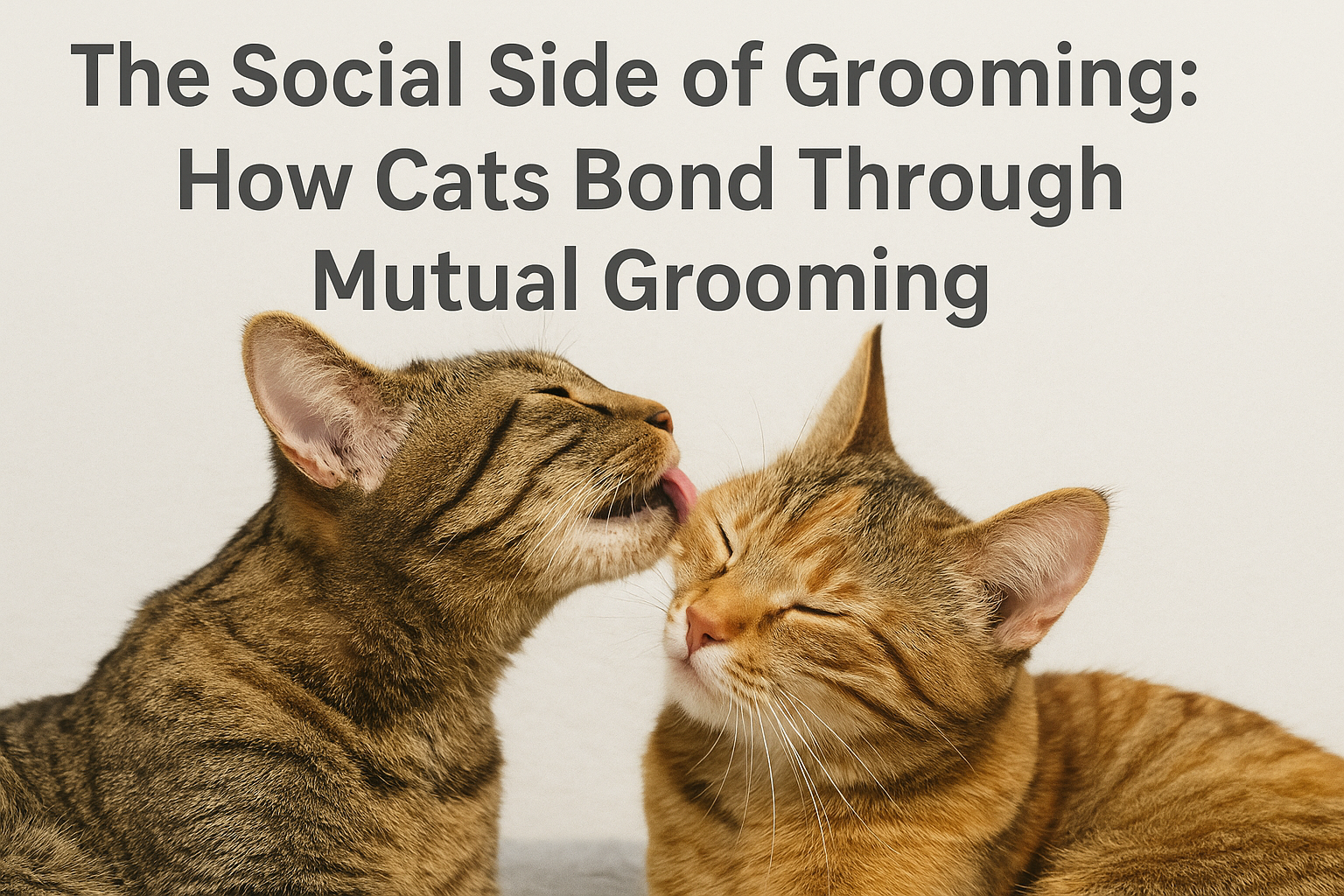
Mutual grooming, also known as allogrooming, is a fascinating behavior commonly observed in cats. Unlike many other animals that only groom themselves, cats take part in a social ritual that strengthens the bonds between them. This article delves into the various aspects of mutual grooming, its significance in cat social behavior, and why it plays a crucial role in their emotional well-being.
Understanding Grooming Behavior in Cats
Grooming behavior in cats is primarily aimed at hygiene. Through grooming, cats can remove dirt, debris, and parasites from their fur. However, grooming extends beyond mere cleanliness; it is a vital social interaction among feline companions. Cats have specialized tongue spines called papillae that help them groom effectively. These spines act like tiny brushes, allowing cats to untangle their fur and remove dead hair.
While solitary grooming is necessary for maintaining personal hygiene, mutual grooming offers a variety of social and emotional benefits. This behavior is commonly seen among cats that share a close relationship, whether that be between littermates, a mother and her kittens, or even adult cats that have formed a bond.
The Significance of Mutual Grooming
Mutual grooming serves several essential purposes in a cat’s social structure:
1. Strengthening Social Bonds
Cats are social creatures, despite their reputation for independence. Mutual grooming helps form and reinforce bonds among felines within the same social group. This bonding activity releases endorphins, leading to feelings of relaxation and happiness. By partaking in grooming rituals, cats communicate trust and affection toward each other, making it a foundational aspect of their social interactions.
2. Establishing Hierarchies
Grooming can also play a role in establishing and maintaining social hierarchies. In a group of cats, the grooming order often reflects their social ranking. Higher-ranking cats tend to receive grooming more frequently, while lower-ranking cats may groom their superiors more often as a sign of submission and respect.
3. Reducing Stress
Grooming is known to have a calming effect on cats. The act of grooming releases calming hormones, such as oxytocin, which can help reduce stress and anxiety levels. When cats groom each other, they not only promote a sense of security and comfort but also ease tension during interactions, especially during potentially stressful situations.
4. Facilitating Play and Interaction
Mutual grooming often occurs during playtime or relaxation periods in cats. The act of grooming can transition into playful behavior, serving as a bridge to more active interaction. Cats may engage in gentle biting or wrestling during these moments, further solidifying their bond and enhancing their social relationship.
5. Promoting Health
Regular grooming—whether it is self-grooming or mutual grooming—helps maintain a cat’s overall well-being. Grooming can stimulate blood circulation and distribute natural skin oils, which contribute to healthy fur and skin. Additionally, when one cat grooms another, they can help detect any skin issues or health problems, such as lumps or parasites, that may require attention.
Factors Influencing Mutual Grooming
While mutual grooming is a common behavior in social cats, several factors can influence its occurrence:
1. Socialization
Cats that are well-socialized in their early development stages tend to engage in more mutual grooming. Kittens that are exposed to their littermates and maternal figures in a nurturing environment often learn this behavior and carry it into their adult lives.
2. Environmental Context
The environment plays a significant role in cat behavior. Stressful or chaotic living situations may hinder mutual grooming interactions. Cats living in a peaceful and secure environment are more likely to engage in grooming rituals. Conversely, any signs of territorial disputes or aggression may lead to a reduction in grooming behavior.
3. Individual Personality
The individual temperament of each cat also affects their grooming behavior. Some cats are naturally more affectionate and social, seeking out opportunities for mutual grooming, while others may be more reserved and less inclined to engage in such activities.
Recognizing Mutual Grooming in Cats
Recognizing mutual grooming behavior among cats can enrich your understanding of their social dynamics. Here are some signs to look for:
1. Grooming Sessions
Observe your cats engaging in grooming sessions, usually characterized by one cat licking another in hard-to-reach areas, such as behind the ears or around the neck. These moments are often accompanied by purring or relaxed body language.
2. Pre-Grooming Behavior
Pre-grooming behavior may include one cat approaching another with a relaxed posture and a gentle swish of the tail. They may nuzzle or touch each other’s faces as a friendly gesture before beginning to groom.
3. Response to Grooming
Notice how your cats respond during grooming sessions. If they are relaxed and purring, it is a positive interaction. On the other hand, if one cat shows signs of agitation or tries to move away, it may indicate that the grooming session is unwelcome.
Common Myths About Mutual Grooming
Despite the positive aspects of mutual grooming, several myths exist regarding this behavior among cats:
1. Mutual Grooming Is Always Affectionate
While mutual grooming is often a sign of affection, it is not always the case. In some circumstances, it can also be a manifestation of dominance or territorial claim. Understanding the context and the relationships between cats is essential for accurate interpretation.
2. Only Cats From the Same Litter Groom Each Other
Many cat owners believe that mutual grooming is exclusive to cats from the same litter; however, this behavior can also develop among unrelated cats that live together or even among feline friends who visit each other.
3. All Cats Enjoy Grooming
While many cats participate in mutual grooming, not all cats enjoy being groomed by others. Some may prefer autonomy and may display signs of discomfort when approached for grooming. Understanding your cat’s individuality is key to fostering healthy relationships.
Conclusion
Mutual grooming plays an indispensable role in the social lives of cats. This behavior not only serves hygiene purposes but also fosters camaraderie, reduces stress, and contributes to the overall happiness of cats. Being aware of the significance of mutual grooming can help cat owners better understand their feline companions and manage multi-cat households more effectively. By providing a harmonious environment and recognizing the unique personalities of each cat, owners can enhance the well-being of their furry friends and encourage healthy, affectionate relationships among them.
Frequently Asked Questions (FAQs)
1. Why do cats groom each other?
Cats groom each other to strengthen social bonds, establish hierarchies, reduce stress, and maintain overall health. Mutual grooming is a way for cats to show affection and trust toward one another.
2. How can I encourage my cats to groom each other?
Ensuring your cats feel safe and secure in their environment can encourage mutual grooming. Provide plenty of positive experiences, such as playtime and interactive sessions, to foster their bond.
3. What should I do if my cats are not grooming each other?
If your cats are not grooming each other, assess their living environment and interactions. If they seem stressed or aggressive, it may help to reconfigure their space or engage in more interactive play to stimulate bonding.
4. Is it normal for one cat to groom another excessively?
While it is common for one cat to initiate grooming more than the other, excessive grooming can indicate an imbalance in their relationship or stress. Monitor their interactions and consider consulting a veterinarian if one cat appears stressed or in distress.
5. Can mutual grooming be harmful to cats?
Mutual grooming is generally not harmful, but if one cat is uncomfortable and tries to escape or shows aggression, it may be wise to separate them temporarily. Respecting their boundaries is crucial for maintaining healthy relationships.