
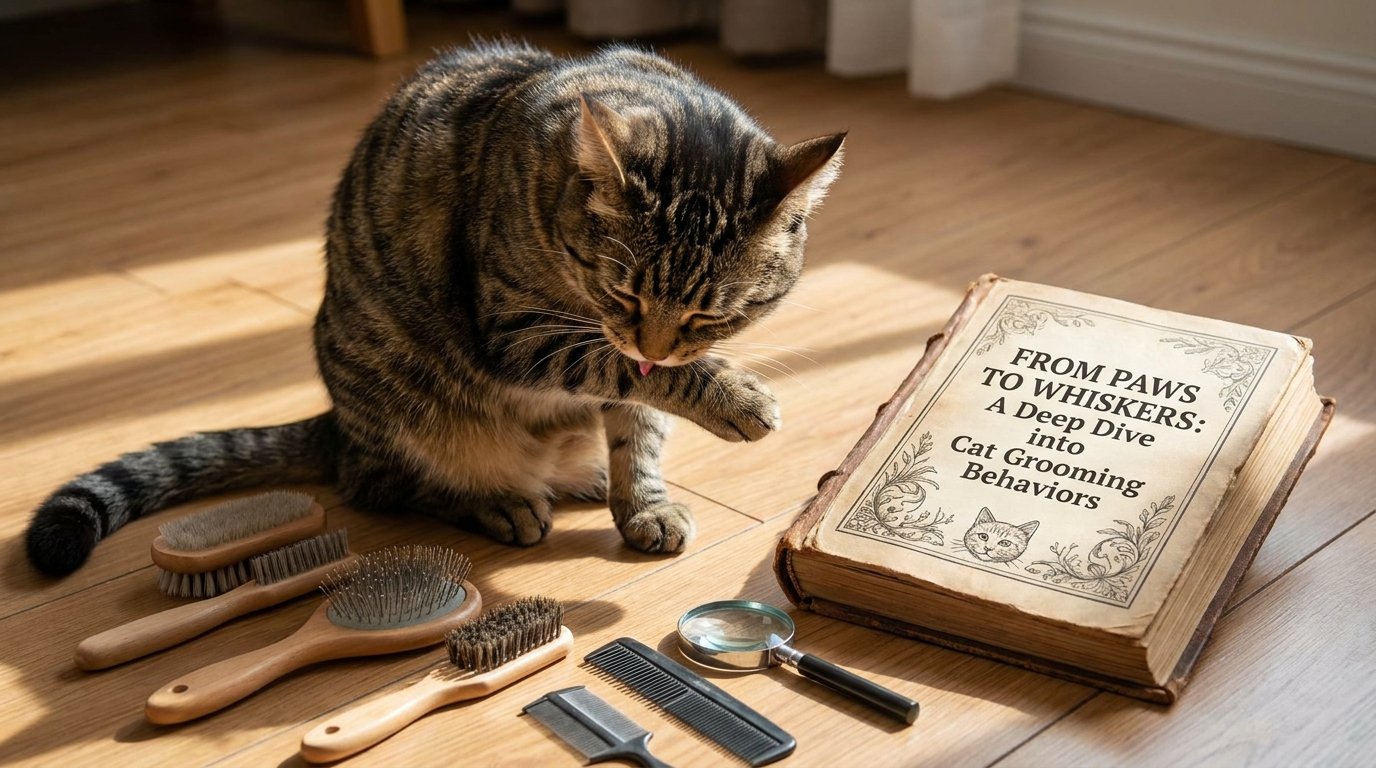
Grooming is a fundamental aspect of feline life that serves various purposes beyond mere cleanliness. From the rhythmic motion of licking to the strategic use of claws, cat grooming behaviors offer a fascinating glimpse into the complex world of our feline companions. In this article, we will explore the importance of grooming, the methods cats use, the benefits of grooming for both the cat and the owner, and practical grooming tips for cat lovers.
The Importance of Grooming
Grooming is essential for a variety of reasons, both physiological and psychological. Let’s look at some of the primary reasons why grooming is crucial for cats:
- Hygiene: Grooming helps remove dirt, debris, and loose fur from a cat’s coat, preventing matting and skin issues.
- Temperature Regulation: Through grooming, cats can manage their body temperature by spreading saliva over their fur, which cools them as it evaporates.
- Stimulating Blood Flow: The act of grooming promotes healthy blood circulation and skin health for the cat.
- Bonding: Cats often groom each other as a social behavior, which strengthens the bonds between them and their owners.
- Stress Relief: Grooming is a self-soothing mechanism. It helps reduce anxiety and promotes relaxation, especially in stressful situations.
Understanding Cat Grooming Behaviors
Grooming behaviors in cats can be categorized into various types, each serving unique purposes. Here we delve into the main grooming behaviors observed in cats:
1. Self-Grooming
Self-grooming is the most common grooming behavior, where the cat uses its tongue to clean itself. This behavior includes:
- Licking: Cats have rough tongues that act like a comb to remove tangles and dirt.
- Scratching: Scratching helps to remove dead claw sheaths and keeps their claws sharp.
2. Allogrooming
Allogrooming refers to social grooming, where one cat grooms another. This behavior is often seen among cats that have established bonds and provides comfort and social interaction.
3. Grooming with Purpose
Sometimes cats groom with specific purposes in mind. This includes:
- Grooming After Eating: Cats will groom their faces to remove food residue.
- Grooming as a Stress Response: Cats may groom excessively when they are anxious or stressed as a coping mechanism.
The Grooming Process
A typical grooming session may involve several steps, which include:
- Inspection: The cat starts by closely inspecting its body, looking for areas that need attention.
- Licking: The licking phase cleans the fur and helps distribute natural oils.
- Stretching: Cats often stretch their bodies during grooming to ensure they can reach all areas effectively.
Grooming Tools and Products
Grooming isn’t exclusive to cats; many cat owners participate in maintaining their cat’s health through grooming tools and products. Here are some essential grooming tools:
1. Brushes
Choice of brush depends on the cat’s fur type:
- Short-haired Cats: A bristle brush or grooming mitt works well.
- Long-haired Cats: A wide-toothed comb and a slicker brush are recommended for detangling.
2. Nail Clippers
Regular nail trimming is important to prevent overgrowth and injury. Invest in quality cat nail clippers for safe and effective trimming.
3. Cat Shampoo
If a bath is necessary, it’s crucial to use a specific cat shampoo. Human shampoos can irritate a cat’s skin, so always choose specialized products.
4. Grooming Wipes
For quick clean-ups or during shedding seasons, grooming wipes can be convenient to help remove loose fur and dirt.
Practical Grooming Tips for Cat Owners
Grooming your cat can be a bonding experience. Here are several tips to make grooming easier and more enjoyable for both you and your feline friend:
1. Start Young
Introduce grooming to your kitten at an early age to acclimate them to the process, helping them associate it with positive experiences.
2. Create a Routine
Establish a consistent grooming schedule that aligns with shedding cycles, usually during spring and fall, when cats require more attention.
3. Use Treats and Praise
Encourage your cat during grooming by giving treats and praise. Positive reinforcement fosters a calm environment.
4. Monitor for Signs of Stress
Pay attention to your cat’s body language. Signs of stress include tail flicking, vocalizing, and attempts to flee. If your cat appears stressed, take breaks and try again later.
Conclusion
Understanding cat grooming behaviors is not only essential for their health but also enhances the bond between cats and their owners. By being aware of the different grooming behaviors and knowing how to participate in your cat’s grooming routine, you can ensure a happier and healthier life for your feline companion. Whether through self-grooming or shared grooming sessions, this natural behavior serves as a vital part of understanding and appreciating the unique nature of cats.
FAQs
1. How often should I groom my cat?
The frequency of grooming depends on the breed and coat type. Long-haired cats may require daily grooming, while short-haired cats might only need a few times a week.
2. Is it necessary to bathe my cat?
In general, cats groom themselves effectively and do not require frequent baths. However, if they get into something dirty, a bath may be necessary. Always use cat-specific shampoo.
3. What should I do if my cat resists grooming?
If your cat resists grooming, start slowly and gradually build their comfort with it. Use treats and praise, and consider short grooming sessions to reduce stress.
4. Can grooming help with shedding?
Yes, grooming helps reduce shedding by removing loose hair and preventing mats, especially during shedding seasons.
5. What if I notice skin issues during grooming?
If you find skin irritations, lesions, or lumps during grooming, consult your veterinarian for proper diagnosis and treatment.
 PRINCE2030