
Introduction
Cats are among the most beloved companions globally, known for their independence, agility, and sometimes aloof behavior. However, one fundamental aspect that often goes unnoticed by many cat owners is the importance of grooming—not just for maintaining a tidy appearance but also for promoting positive cat behavior. This article delves into how grooming influences a cat’s physical and mental health, its social interactions, and overall behavior.
Understanding Grooming in Cats
Grooming is a natural behavior for cats that serves multiple purposes. Cats spend a significant portion of their day—up to 50%—grooming themselves. This instinctual activity is not solely about cleanliness; it’s a multi-faceted behavior that influences their overall well-being.
Grooming serves several essential functions, including:
- Hygiene: Regular grooming helps cats remove dirt, debris, and loose fur. It also aids in preventing matting, which can cause skin problems.
- Temperature Regulation: By grooming, cats can better regulate their body temperature. The saliva from grooming also contributes to keeping them cool.
- Stress Relief: Grooming can be therapeutic. It can help reduce anxiety and discomfort, providing a sense of security and calmness.
- Bonding: When cats groom each other, it fosters social bonds. The same applies to human-cat interactions.
The Behavioral Benefits of Grooming
Grooming, whether done autonomously or with the help of a human, has a significant impact on a cat’s behavior. Here are some notable benefits:
1. Enhanced Socialization
Cats are social creatures, and grooming plays a crucial role in how they interact with one another. When cats groom each other, they’re not just cleaning each other; they’re also reinforcing their social bonds. This behavior helps them establish and maintain their hierarchical structures within multi-cat households. Regular grooming sessions between cats can lead to reduced stress and rivalry, creating a more harmonious living environment.
2. Reduced Aggression
Cats that receive regular grooming tend to display less aggression. Grooming helps to ease tension and reduce anxiety, which can lead to aggressive behaviors. Regular interaction through grooming can make a cat more comfortable with touch and reduce the likelihood of them reacting defensively when they feel threatened.
3. Increased Trust
For domesticated cats, grooming can be an avenue for building trust and strengthening their bond with their human companions. A cat that enjoys being groomed is often a cat that feels safe and secure. This can lead to increased affection and a more significant willingness to seek out human interaction.
4. Behavioral Indicators of Well-Being
Cats that maintain regular grooming routines often exhibit overall better behavior. A well-groomed cat is typically more active, playful, and engaged with its surroundings. On the other hand, neglect in grooming can lead to increased irritability or withdrawal, signifying potential health issues or emotional distress.
The Grooming Process: Techniques and Products
Grooming can be a simple yet rewarding process. Understanding various grooming techniques and using the right products can enhance the experience for both you and your cat.
1. Brushing
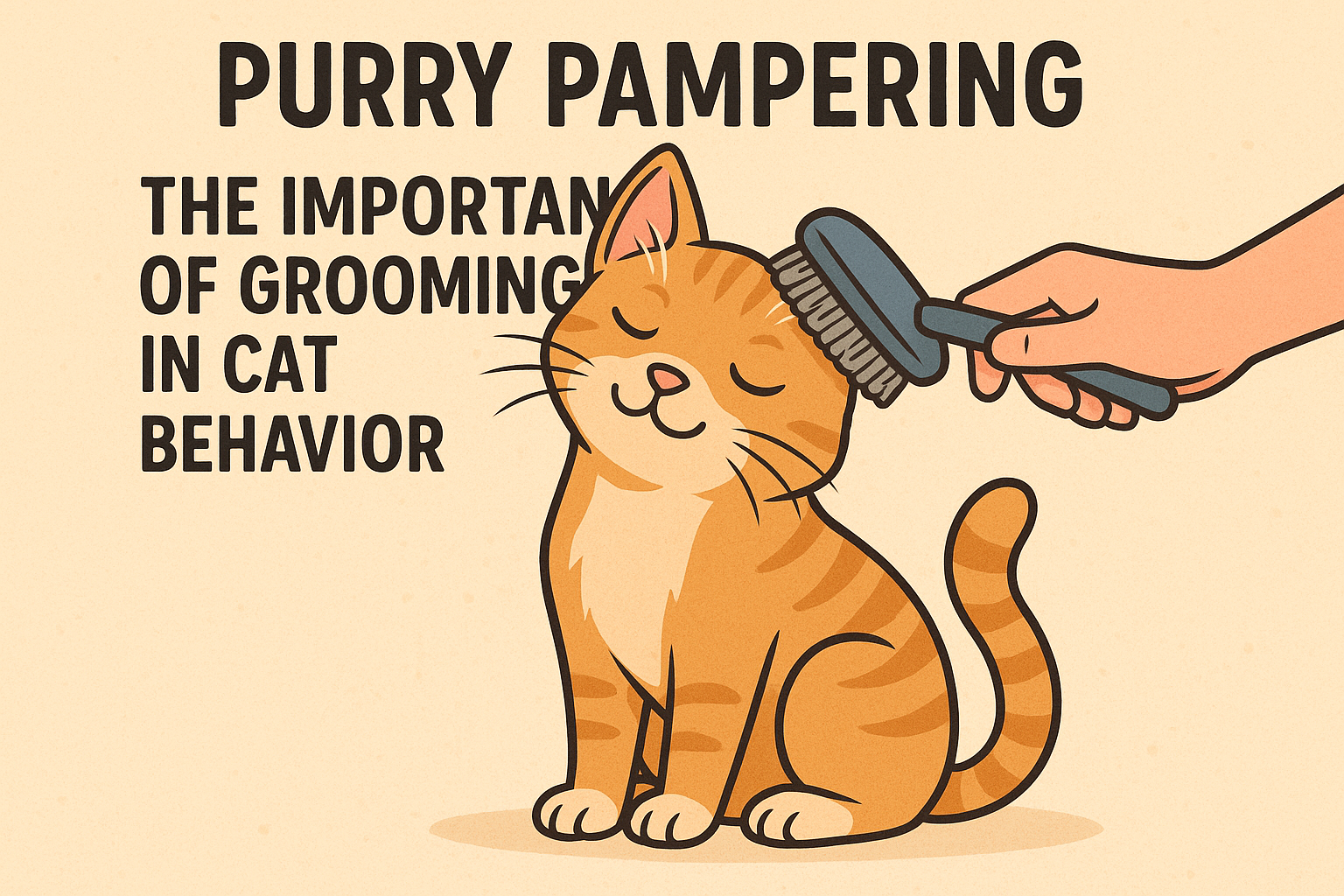
Regular brushing is vital, particularly for long-haired breeds. It helps in removing loose fur and prevents matting. Choose brushes that are appropriate for your cat’s fur type. Options include:
- Slicker Brushes: Excellent for detangling mats and removing loose hair.
- Rubber Brushes: Ideal for short-haired cats; they stimulate the skin while collecting hair.
- Comb: Helpful for addressing tangles in thick fur or long-haired breeds.
2. Bathing
Most cats do not require regular bathing due to their self-grooming habits. However, some situations may necessitate a bath, such as exposure to harmful substances or severe matting. When bathing a cat:
- Use a cat-specific shampoo.
- Ensure the water temperature is warm but not hot.
- Introduce bath time gradually to avoid stress.
3. Nail Trimming
Regular nail trimming is crucial for your cat’s health. It prevents overgrowth, which can cause discomfort and injury. Use sharp, cat-specific clippers and aim to trim the tips of the nails. Gradually desensitize your cat to this process by gently handling their paws and rewards with treats to create a positive association.
4. Dental Care
While not commonly thought of as grooming, dental hygiene is essential. Regular brushing helps prevent tooth decay and gum disease. There are various cat-friendly toothpaste options available. Starting dental care at a young age can make it easier to maintain as they grow older.
Common Behavioral Problems and Their Solutions
Grooming challenges can sometimes lead to behavioral problems. Recognizing and addressing these issues can help improve your cat’s grooming experience.
1. Fear of Grooming
If your cat displays anxiety during grooming, take it slow. Use treats and positive reinforcement to create a gradual association with grooming. Start with short sessions and slowly increase the duration as your cat becomes more accustomed.
2. Aggression During Grooming
If your cat bites or scratches while being groomed, it may be due to discomfort or prior negative experiences. Ensure you’re using appropriate tools and techniques. If aggression persists, consult a veterinarian or a pet behaviorist for tailored strategies.
3. Shedding Issues
Excessive shedding can be a sign of underlying health problems, but regular grooming can help manage it. Establish a consistent brushing routine based on your cat’s fur type, and consult a veterinarian if you notice significant shedding or skin issues.
Conclusion
Grooming indeed plays a pivotal role in a cat’s life, encompassing more than just aesthetics. It serves essential functions in hygiene, socialization, and psychological well-being that directly influence a cat’s behavior. By investing time and care into grooming, cat owners can foster healthier, more balanced behaviors in their feline companions. In creating a grooming routine that is both enjoyable and efficient, humans strengthen the bond with their cats while contributing to their overall happiness and well-being. Embrace the purry pampering today, and watch your cat thrive.
FAQs
Q1: How often should I groom my cat?
The frequency of grooming depends on your cat’s fur type. Long-haired cats typically require daily brushing, while short-haired cats can be groomed weekly.
Q2: My cat hates being groomed. What should I do?
Gradual desensitization is key. Start with short brushing sessions and pair them with treats. It’s also essential to use the right grooming tools and techniques to make the process more comfortable for your cat.
Q3: Is it necessary to bathe my cat?
Most cats do not require bathing, as they groom themselves effectively. However, if your cat becomes particularly dirty or requires a bath for health reasons, ensure you use cat-specific products and introduce bathing in a stress-free manner.
Q4: What products are best for cat grooming?
Use cat-friendly brushes, shampoos, and dental care products specifically designed for felines. Consult with your vet for recommendations suited to your cat’s specific needs.
Q5: How can I tell if my cat is healthy based on grooming behavior?
A healthy cat typically maintains a clean coat, engages in regular grooming, and displays an active and playful demeanor. Conversely, a lack of grooming may indicate stress or health issues, requiring a veterinary consultation.
 PRINCE2030