
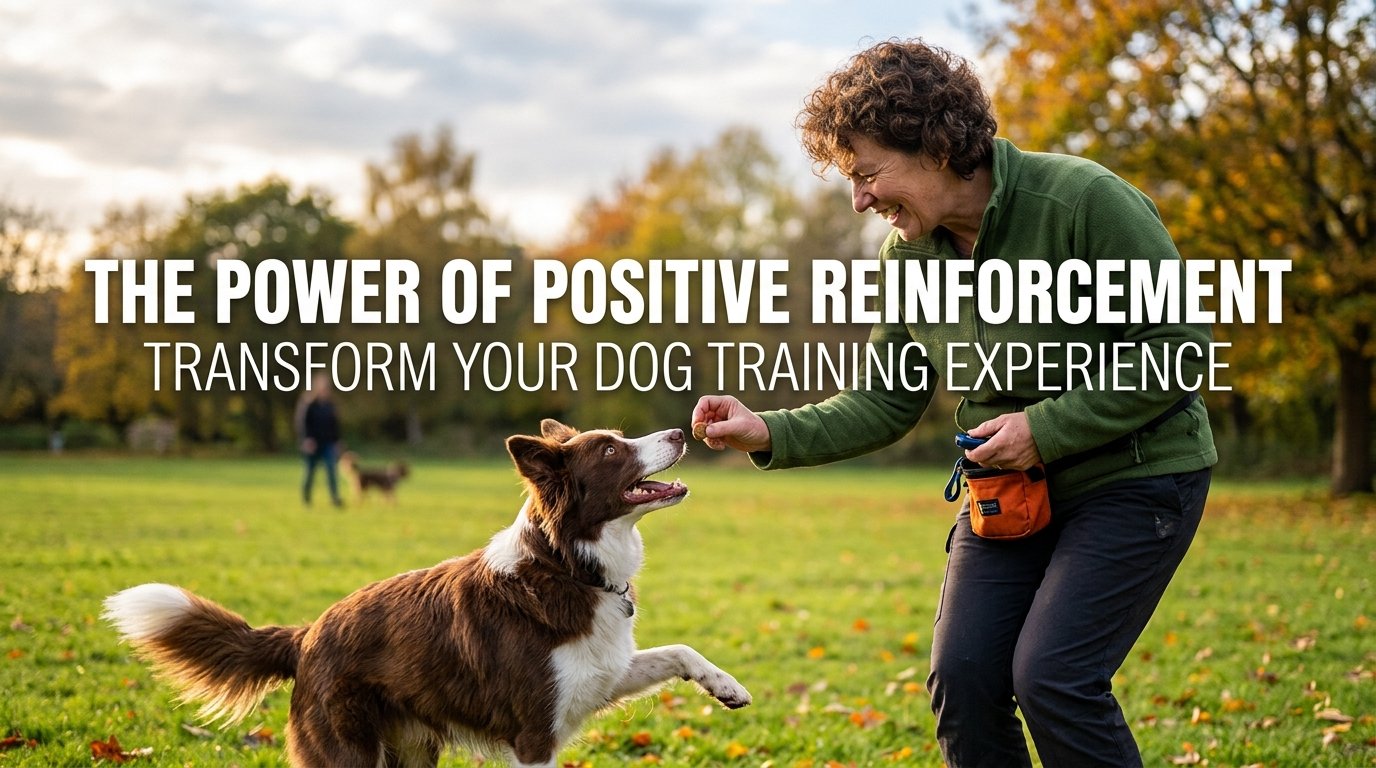
When it comes to dog training, the methods we choose can greatly impact the effectiveness of the training and the bond we build with our furry companions. One of the most effective and humane methods of training is positive reinforcement. This approach not only encourages desired behaviors but also strengthens the relationship between you and your dog. In this article, we will delve into the principles of positive reinforcement, explore its benefits, and offer practical tips to help you transform your dog training experience.
Understanding Positive Reinforcement
Positive reinforcement is a behavioral training strategy rooted in the idea of rewarding desired behaviors to increase the likelihood of their recurrence. Rather than focusing on what not to do, positive reinforcement highlights what your dog does right, making the training experience enjoyable for both the dog and the owner.
Here’s a breakdown of the key components:
-
- Behavior: This refers to the action you want your dog to perform, such as sitting, staying, or coming when called.
-
- Reward: A positive outcome provided immediately following the desired behavior. This could be treats, praise, play, or affection.
-
- Timing: To be effective, the reward should follow the desired behavior closely, allowing your dog to make the connection between the action and the outcome.
The Science Behind Positive Reinforcement
Positive reinforcement is grounded in behavioral psychology, particularly the principles elucidated by B.F. Skinner and operant conditioning. According to Skinner’s research, behaviors followed by positive consequences are more likely to be repeated in the future. This principle applies to dogs just as it does to humans.
The use of positive reinforcement taps into your dog’s natural instincts to seek reward, making training feel less like a chore and more like a game. As you consistently reward positive behaviors, your dog learns to associate these actions with pleasant experiences, thereby creating a more effective learning environment.
The Benefits of Positive Reinforcement Training
Embracing positive reinforcement in your dog training brings with it a host of benefits:
1. Strengthens the Bond
Using rewards helps build trust and a strong emotional connection between you and your dog. When your dog knows that good behavior leads to positive outcomes, they are more likely to engage eagerly with you.
2. Increases Learning Speed
Dogs trained with positive reinforcement often learn commands and tricks faster than those trained using forceful methods. The motivation of receiving a reward accelerates their learning process, allowing for a more efficient training experience.
3. Reduces Fear and Anxiety
Training methods that rely on punishment can lead to fear and anxiety in dogs, making them more likely to act out or shut down. Positive reinforcement fosters a safe and nurturing environment where dogs feel comfortable trying new behaviors without fear of reprimand.
4. Encourages Good Behavior
Rather than merely suppressing bad behavior, positive reinforcement encourages your dog to display desirable behaviors. This proactive approach helps instill learned habits that will last into adulthood.
5. Enhances Engagement
Since the training process is based on rewards, your dog is more likely to be excited and engaged during training sessions. This enthusiasm creates a fun atmosphere for both of you.
Implementing Positive Reinforcement in Training
To effectively employ positive reinforcement in your dog training sessions, consider the following steps:
1. Choose Your Rewards Wisely
Your choice of rewards can significantly influence your dog’s motivation. Dogs are individuals, and what works for one may not work for another. Some effective rewards include:
-
- Treats: Small, tasty treats are often the most effective. Use high-value treats for difficult tasks.
-
- Praise: Verbal praise and petting works well, especially for dogs that thrive on attention.
-
- Toys: Playing with a favorite toy can serve as a great reward during training.
2. Timing is Everything
For your dog to make the connection between the behavior and the reward, timing is crucial. Ensure that the reward follows the desired behavior immediately. For example, if your dog sits on command, present the treat right away while they are still in the sitting position.
3. Be Consistent
Consistency is vital in positive reinforcement training. Always reward the desired behavior and ignore or redirect unwanted behavior. Create a training routine that reinforces good habits, making it easier for your dog to understand your expectations.
4. Start with Simple Commands
Begin training with basic commands like “sit,” “down,” and “stay.” Once your dog masters these commands, gradually introduce more complex behaviors. This foundational training will help build your dog’s confidence and willingness to learn.
5. Gradually Reduce Rewards
Once your dog reliably performs a command, you can begin to fade the rewards—this doesn’t mean stopping completely. Consider using intermittent rewards, where your dog may receive a treat for some repetitions but not every time. This helps maintain their interest and engagement.
6. Avoid Negative Reinforcement
While the focus is on positive reinforcement, it’s essential to be mindful of your training approach. Avoid using negative reinforcement techniques that may induce fear or anxiety. Instead, redirect unwanted behavior and reward the appropriate behavior when it occurs.
Creating a Training Environment
The environment in which you train your dog can have a significant impact on the success of positive reinforcement methods.
1. Minimize Distractions
Choose a quiet space where your dog can focus on you during training sessions. As they become adept at following commands, you can gradually introduce more challenging environments with distractions such as other animals or people.
2. Keep Sessions Short and Fun
Dogs have varying attention spans, so keep training sessions short—around 5 to 10 minutes initially. Following a short training session, engage in play or a walk to ensure your dog enjoys the training process.
3. Use the Right Gear
Proper equipment can make a difference in your training process. Using a comfortable leash, collar, or harness can help make training easier and more enjoyable for both of you. Choosing a training clicker can also aid in communicating the exact moment a desired behavior is performed.
Common Challenges in Positive Reinforcement Training
While positive reinforcement is a beneficial approach, you may encounter some common challenges:
1. Inconsistency
Inconsistent training can confuse your dog. Make sure everyone in the household applies the same commands and rewards consistently.
2. Over-Reliance on Treats
While treats are excellent motivators, they should not become the sole focus of training. Incorporate praise and play to create a more balanced reward system.
3. Patience and Persistence
All dogs learn at different rates. Stay patient and persistent, and remember that setbacks are normal. Celebrate the small victories to keep a positive training atmosphere.
Conclusion
Positive reinforcement training is a powerful and effective method for fostering good behavior in your dog while enhancing your relationship. By engaging in this approach, you create a nurturing environment that encourages learning and growth. Remember that patience, consistency, and the element of fun are key to a successful training experience. Embracing the principles of positive reinforcement will not only transform your training sessions but will also lead to a happier, more well-adjusted canine companion.
Frequently Asked Questions (FAQs)
1. What age can I start training my puppy using positive reinforcement?
Puppies can start learning as early as 7 to 8 weeks old. The earlier you introduce training, the better, as early socialization and positive reinforcement can set the foundation for a well-behaved adult dog.
2. Can positive reinforcement be used for all dog breeds?
Yes! Positive reinforcement is effective for all dog breeds. Every dog can benefit from this humane and respectful approach to training.
3. How do I prevent my dog from associating treats with regular activities?
Limit treat distribution during non-training times and opt for lower-value rewards in regular situations. Use higher-value treats during training to maintain their effectiveness as a reward.
4. My dog doesn’t seem to respond to rewards. What should I do?
Evaluate the type of rewards you’re using; some dogs may prefer playtime or praise over treats. Experiment with different rewards to find out what motivates them the most.
5. How long does it take to see results with positive reinforcement training?
Results can vary widely depending on the individual dog and the specific commands being taught. Many owners see improvements within a few weeks with consistent practice.