The Sitting Game: How Your Cat’s Posture Reveals Their Personality
Cats are fascinating creatures, and understanding their body language can provide tremendous insight into their emotions and personalities. One of the most telling aspects of a cat’s behavior is their sitting posture. In this article, we will explore how the way your cat sits — from relaxed sprawls to upright attentiveness — can reveal unique facets of their personality and overall well-being.
The Importance of Posture
Just like humans, cats communicate a great deal through their posture. How a cat chooses to position itself can speak volumes about its emotional state, confidence level, and even their health. By observing these stances, cat owners can develop a better understanding of their furry friends, leading to improved interactions and a stronger bond.
In this article, we will delve into the various sitting positions a cat might adopt and what each says about their personality and mood. Understanding these can help you create a comfortable environment that caters to your cat’s needs, ensuring a happier and healthier life for your beloved pet.
Common Sitting Postures: What They Mean
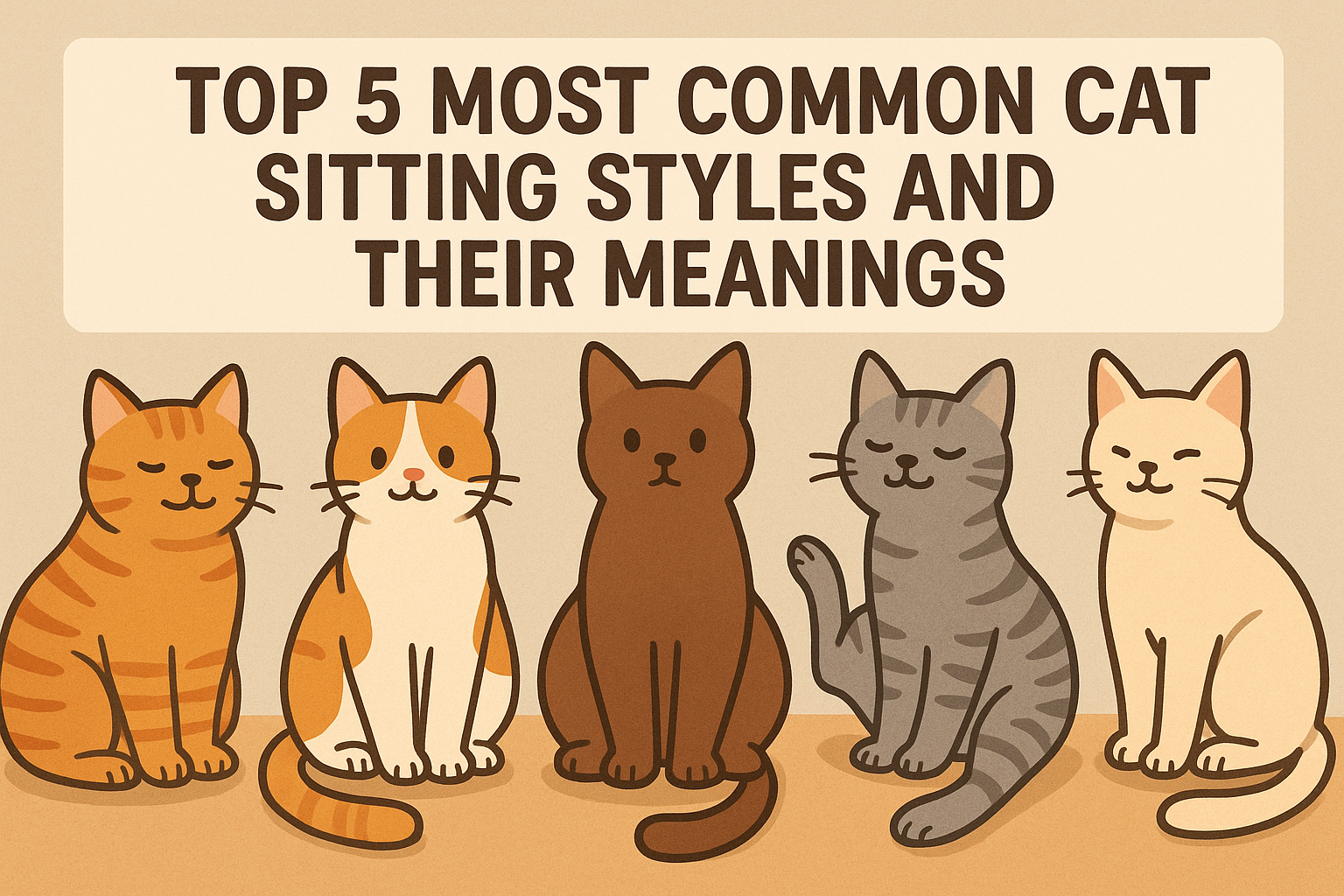
There are several common sitting positions that cats may adopt. Each position serves as an indicator of their comfort level and personality traits. Below we will discuss the most prevalent postures and what they signify.
1. The Classic Sit
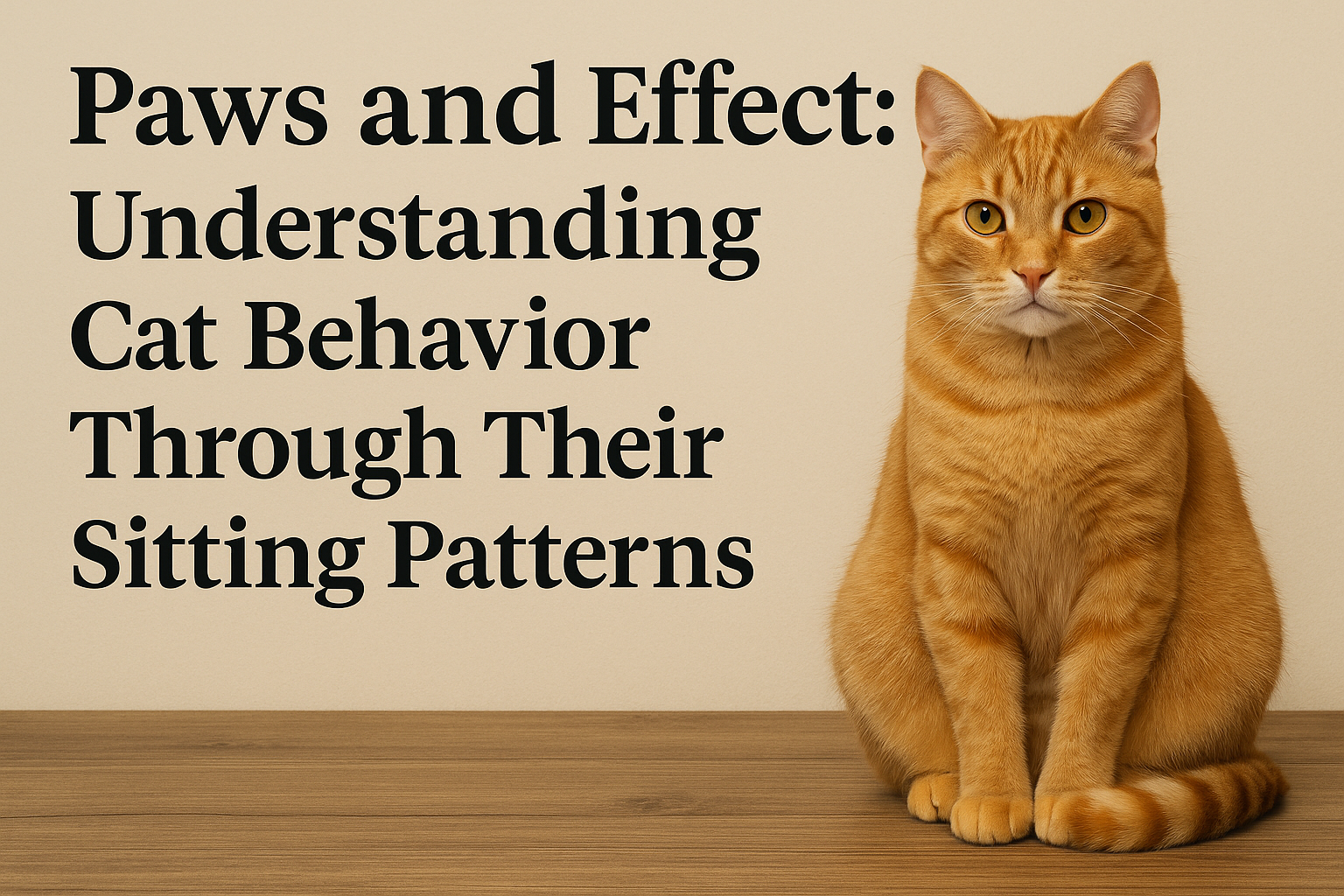
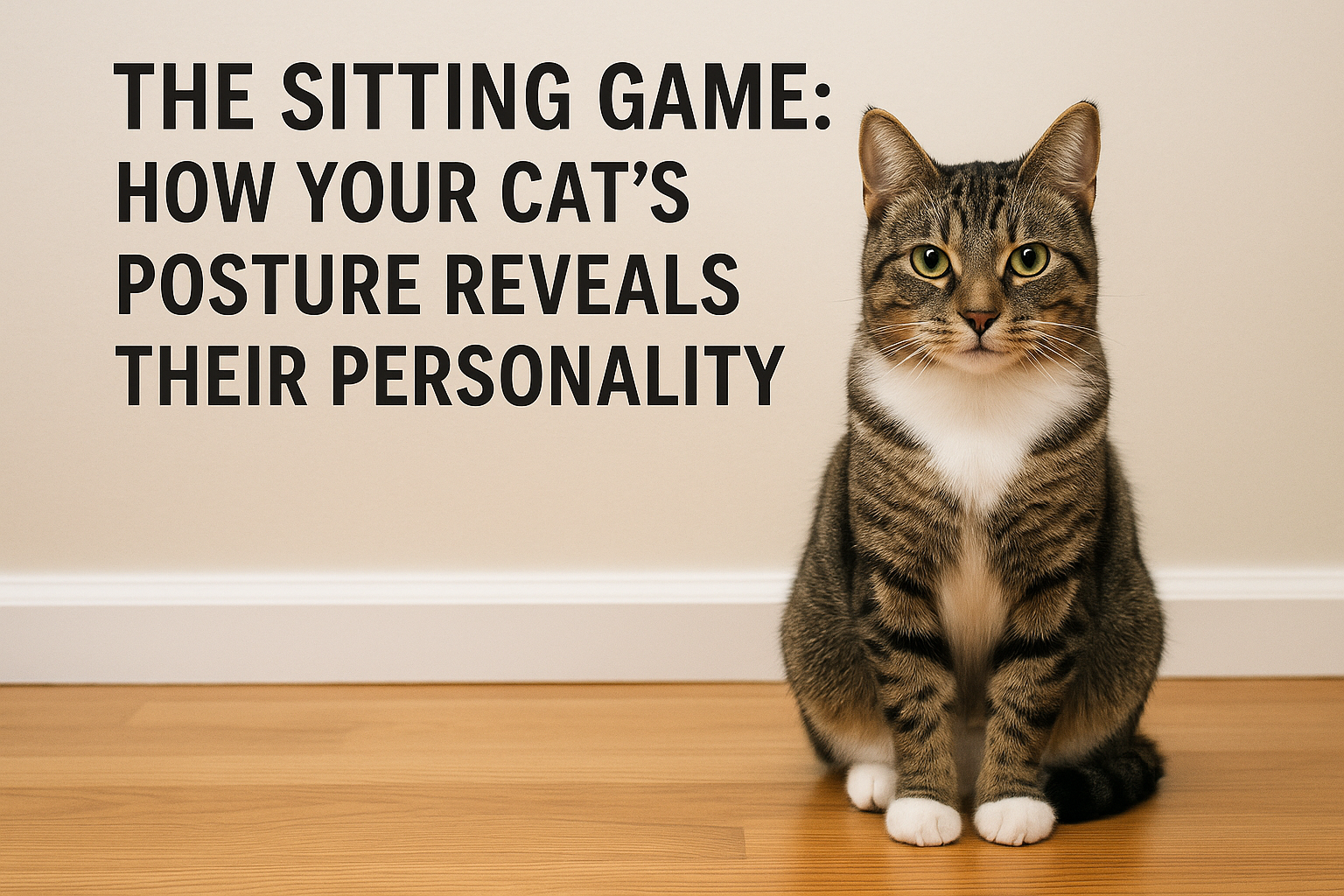
This is the most common sitting position for cats. When your cat sits upright with its legs tucked under its body and its tail wrapped around or lying flat on the ground, it often conveys a relaxed and content demeanor. This position signifies that your cat feels safe in its environment and is at ease.
2. The Sprawl
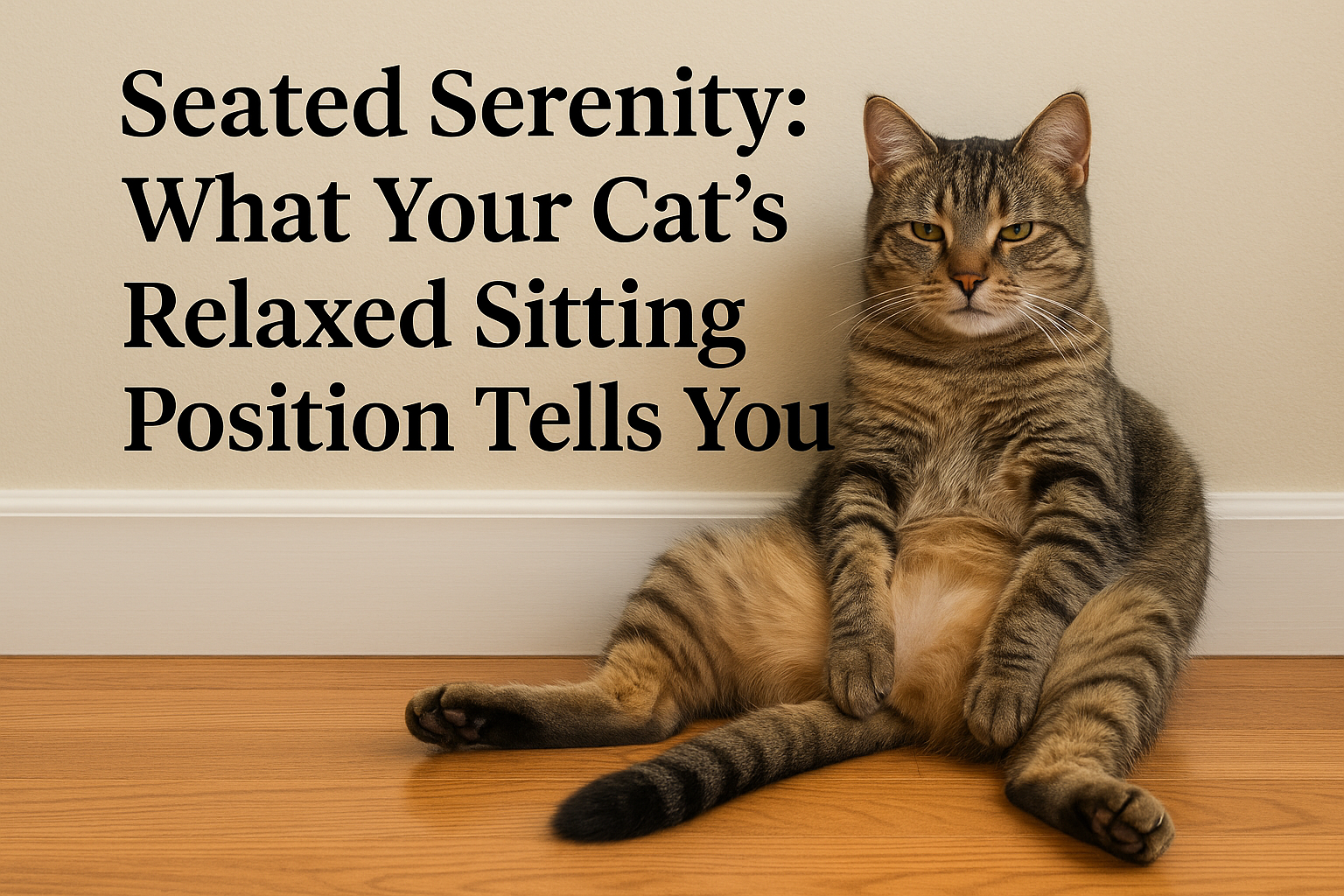
A cat that sprawls out on its back with its legs extended is displaying extreme trust and relaxation. This position is usually reserved for when they feel completely safe and secure. If your cat often takes this position around you, it signifies a deep level of comfort and affection.
3. The Crouch
When a cat sits low to the ground with its front legs extended but its back arched, it typically indicates caution or hesitance. This position might be adopted if the cat is feeling threatened or is uncertain about its surroundings. It could also indicate that the cat is ready to leap up and make a quick escape or prepare for a playful pounce.
4. The Watchful Stance
If your cat is sitting upright with its ears perked forward and its eyes wide open, it is likely in a state of alertness. This posture reflects curiosity or interest, as the cat may be watching something intriguing. It could be a sound, movement, or a potential prey. Pay attention when your cat adopts this stance; it often signifies that something exciting is happening!
5. The Side Sit
Cats that sit with one side angled or tilted generally do so when they feel relaxed but still want to remain somewhat aware of their surroundings. This posture showcases a blend of comfort and vigilance, suggesting that while they feel secure, they are still attentive to their environment.
6. The Low Sit
This position resembles the classic sit but with the cat lower to the ground. It often indicates submission or a lack of confidence. Cats that sit low might feel threatened or intimidated by other pets or environmental factors. This posture is essential to note, as it may signal that your cat needs reassurance or protection.
7. The Stretch and Sit
When cats stretch their bodies and then settle into a sitting position, it highlights their flexibility and comfort. Stretching is a sign that your cat has enough energy and confidence in its surroundings to engage in activity or play. It’s also a physical indication of their well-being and health.
How a Cat’s Posture Reflects Their Personality
Cats, like humans, have varied personalities, often expressed through their body language. Here are some generalized personality traits associated with different sitting postures:
- Confident Cats: These are the cats that exhibit the classic sit or the stretch and sit postures. They tend to be more curious, playful, and social, often initiating interactions with their owners.
- Introverted or Cautious Cats: If your cat frequently assumes a low sit or crouched position, they may be on the shy side and need extra time to adjust to new experiences or people.
- Comfort-Seekers: Cats that sprawl or assume a comfortable position are generally more affectionate, likely to seek close contact with humans and enjoy lounging in cozy spots.
- Curious Cats: Those who take on a watchful stance often possess inquisitive personalities and may actively engage with their environment. They are more likely to explore and play.
Observing Changes in Posture
It’s essential not only to recognize your cat’s typical sitting postures but also to be mindful of any changes over time. A cat that suddenly adopts a more timid or defensive posture may be experiencing stress or discomfort. Here are a few reasons why a cat’s posture may change:
- Health Issues: Pain or illness can cause a cat to alter its usual stance. Monitor for signs of distress, such as limping or avoidance of certain movements.
- Environmental Changes: New pets, renovations, or moving to a new home can impact your cat’s sense of security, leading to a change in posture.
- Emotional Well-being: Stressful experiences, such as loud noises or confrontations with other animals, can lead to altered body language. A previously confident cat may become more cautious.
Creating a Comfort Zone for Your Cat
Understanding the various postures and what they signify can help you create a more supportive and comfortable environment for your feline friend.
Here are a few suggestions for ensuring your cat feels relaxed and content in your home:
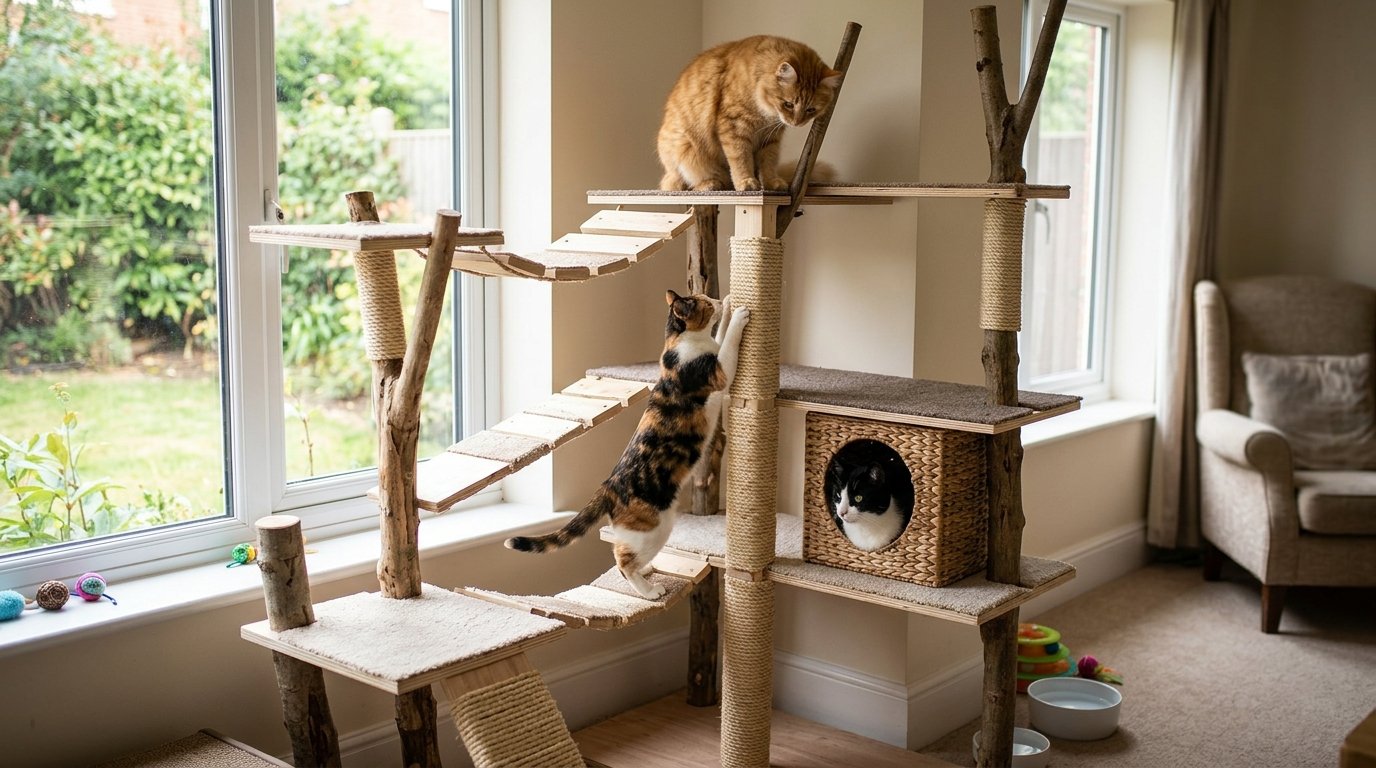
- Provide safe spaces: Cats appreciate having spots where they can retreat and feel secure. Provide cat trees, cozy beds, or hiding spots where they can escape when needed.
- Limit stressors: Pay attention to your cat’s triggers, whether loud noises or unexpected visitors, and try to minimize these stressors where possible.
- Encourage healthy interaction: Spend quality time with your cat by engaging in playtime with toys and encouraging bonding through gentle petting and reassurance.
- Maintain routine: Cats thrive on routine. Keeping feeding schedules and playtime consistent can help alleviate stress and promote comfort.
Conclusion
Observing your cat’s posture can unlock a wealth of information about their personality, comfort level, and emotional state. Each sitting position offers a unique glimpse into how your feline companion perceives their world and interacts with it. By understanding these signals, you can tailor your care and environment to meet their needs, fostering a loving and supportive relationship.
Remember that all cats are unique, so while these generalizations can provide guidance, each cat’s personality is a blend of experiences and individual traits. Building a strong bond with your cat involves being attentive, compassionate, and responsive to their behaviors and needs.
FAQs
1. Why do some cats prefer to sit low to the ground?
Low sitting can indicate submissiveness or a lack of confidence. It may also be a sign that they are feeling cautious or threatened.
2. Is it normal for my cat to change their sitting posture frequently?
Yes, cats can regularly change their sitting posture based on their environment, mood, and overall health. It’s crucial to observe their behaviors for signs of stress or discomfort.
3. How can I help my cat feel more comfortable and confident?
Establishing a safe and predictable environment is key. Provide cozy hideaways, engage in interactive play, and minimize stressors to help your cat feel secure.
4. What does it mean when my cat sits with their back facing me?
When a cat sits with its back to you, it likely means they feel secure and trust you. Cats often turn their backs on those they feel safe around.
5. Can a cat’s posture indicate pain or health issues?
Yes, significant changes in a cat’s posture can indicate pain or health concerns. If you notice a sudden change in their usual sitting position, it may be worth consulting a veterinarian.