Curious Cats: Exploring the Quirks of Feline Sitting Behaviors
Cats are remarkable creatures, possessing unique personalities and behaviors that often leave their human companions both amused and puzzled. One of the most fascinating aspects of a cat’s behavior is how they choose to sit. From elaborate poses to seemingly strange positions, feline sitting behavior can speak volumes about a cat’s mood, health, and environment. In this article, we will delve into the quirks of these behaviors, their meanings, and what we can learn about our furry friends through their sitting styles.
Understanding Feline Anatomy and Behavior
To appreciate the quirks of feline sitting behaviors, it’s essential to understand a bit about cat anatomy and instinctual behavior. Cats are highly versatile creatures, boasting a unique skeletal structure that allows for remarkable flexibility and mobility. They possess an average of:
- 230 to 250 bones (depending on the length of their tail)
- 30 vertebrae in their tail
- Flexible spinal columns that allow for twisting and turning mid-jump
These anatomical features not only make cats agile hunters but also affect how they sit and position themselves. Cats are descendants of solitary hunters, which influences their behavior in several ways. They often display various sitting positions that communicate their state of mind, intentions, or health.
The Most Common Sitting Positions
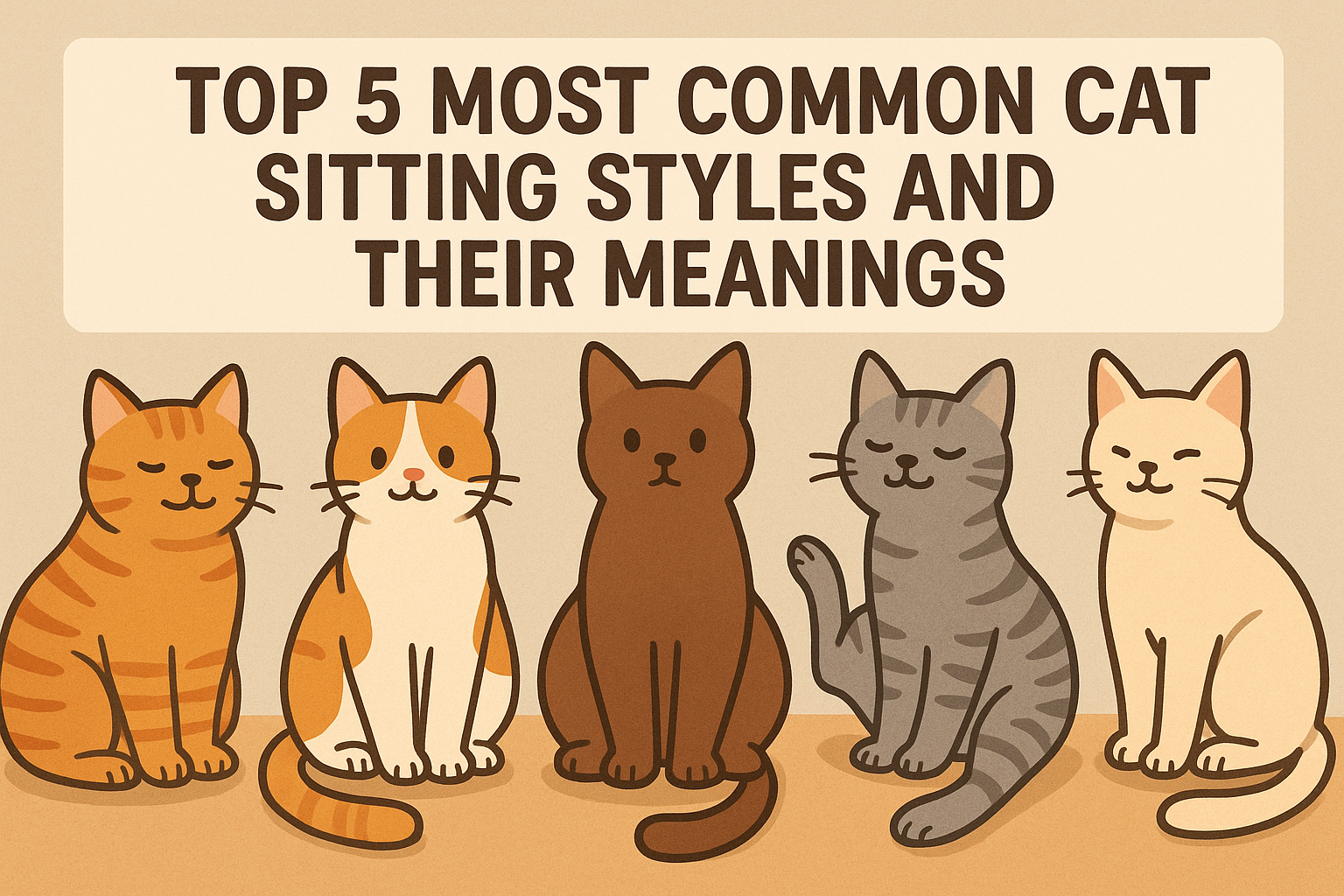
Observing how your cat sits can provide valuable insight into their mental state and comfort level. Here are some of the most common feline sitting positions, along with explanations of what they might signify:
1. The Classic Sit
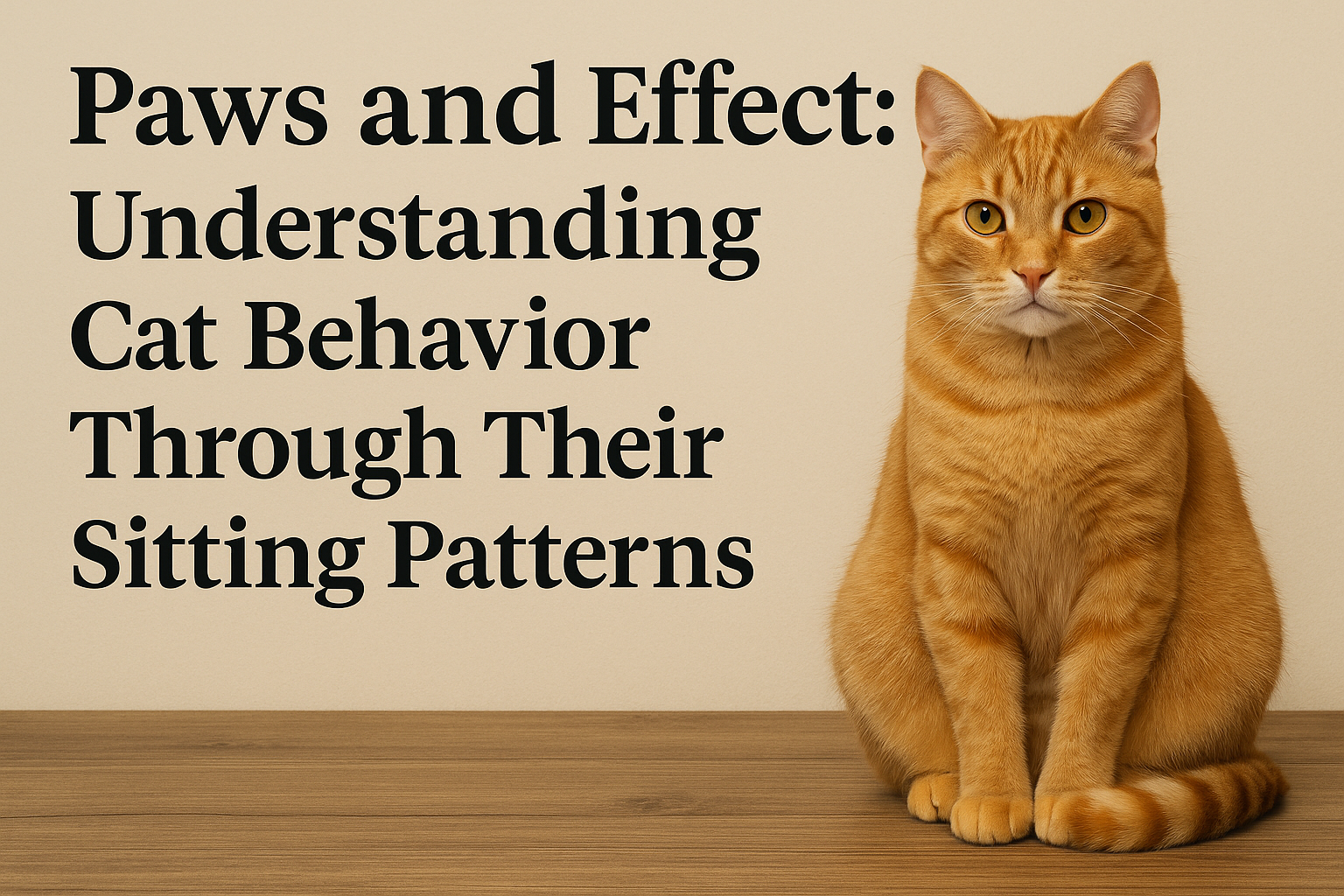
Perhaps the most recognizable position, the classic cat sit involves the cat sitting upright with its legs tucked underneath its body. This position often indicates that the cat is relaxed and aware of its surroundings but not necessarily on high alert.
2. The Loaf Sit
In this position, a cat tucks its paws beneath its chest, resembling a loaf of bread. This posture suggests that the cat is comfortable and content, often signaling a sense of security in its environment. It’s also a position where cats can spring into action quickly if needed.
3. The Side Sit
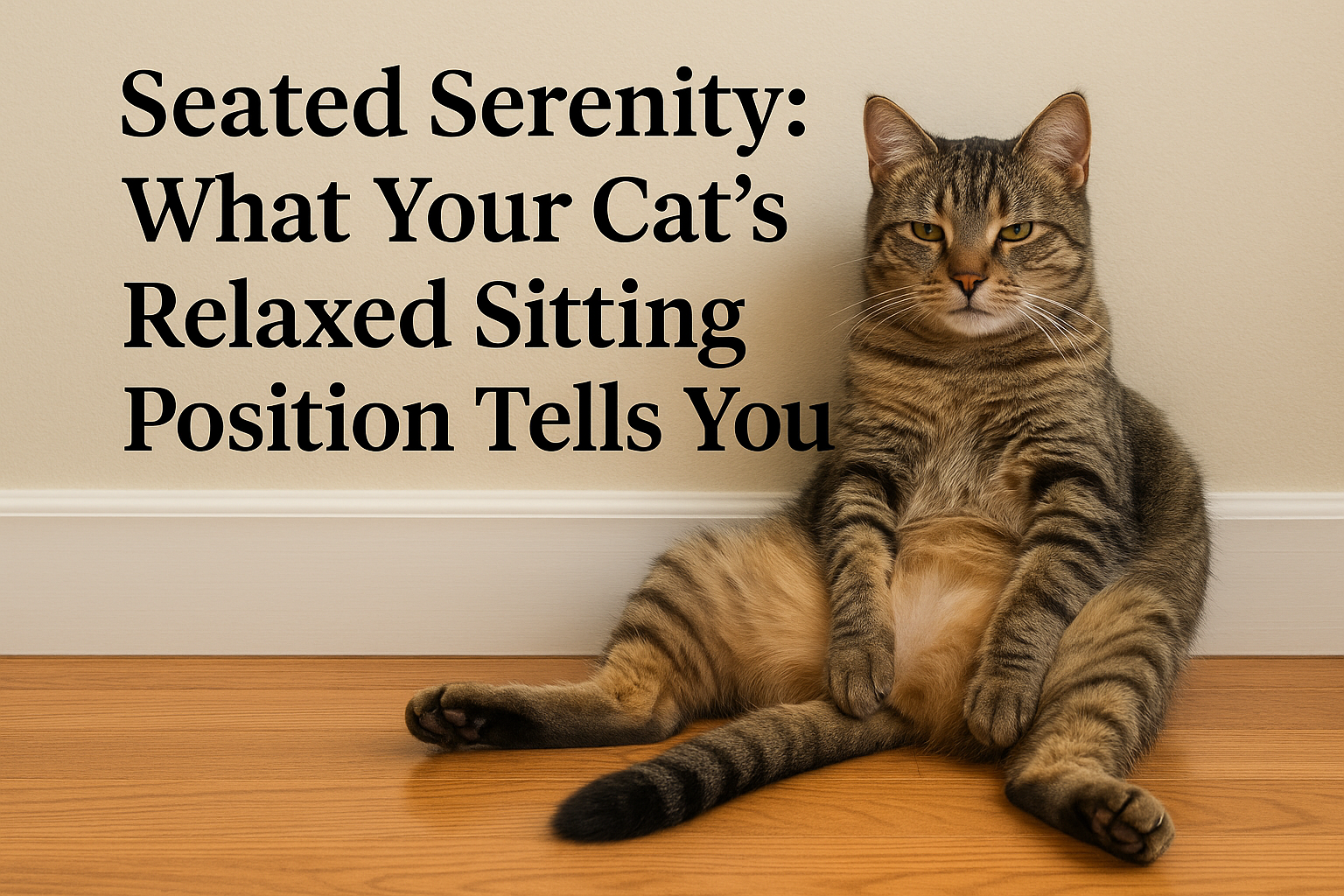
Some cats prefer to sit with their bodies turned to the side, with their legs splayed out. This position may indicate that the cat is feeling particularly relaxed, as it exposes more of their body. However, it might also be a sign of discomfort if the cat frequently shifts positions.
4. The Crouch Sit
The crouch sit involves a cat lowering its body while keeping its front legs extended. This behavior often points to a playful mood, signaling readiness to pounce and engage in some activity or interaction.
5. The Bizarre Sit
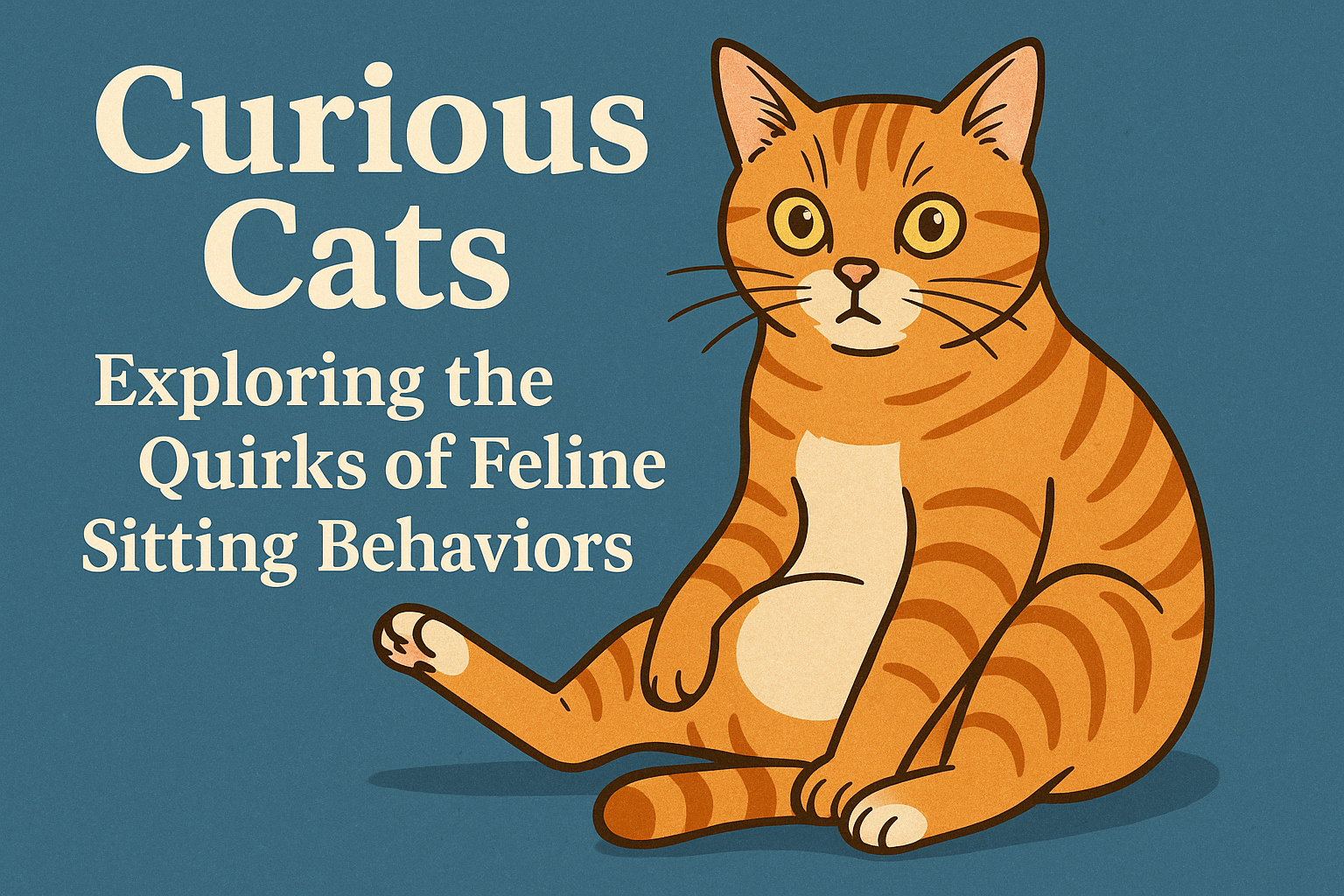
You might witness a cat sitting in unexpected or peculiar positions, such as sitting on their hind legs or even bending in unusual ways. While these behaviors can seem strange to us, they often indicate comfort and a carefree attitude about their surroundings.
Behavioral Factors Influencing Sitting Styles
Various factors influence how a cat chooses to sit. Understanding these factors can help cat owners provide a nurturing environment for their pets:
1. Age
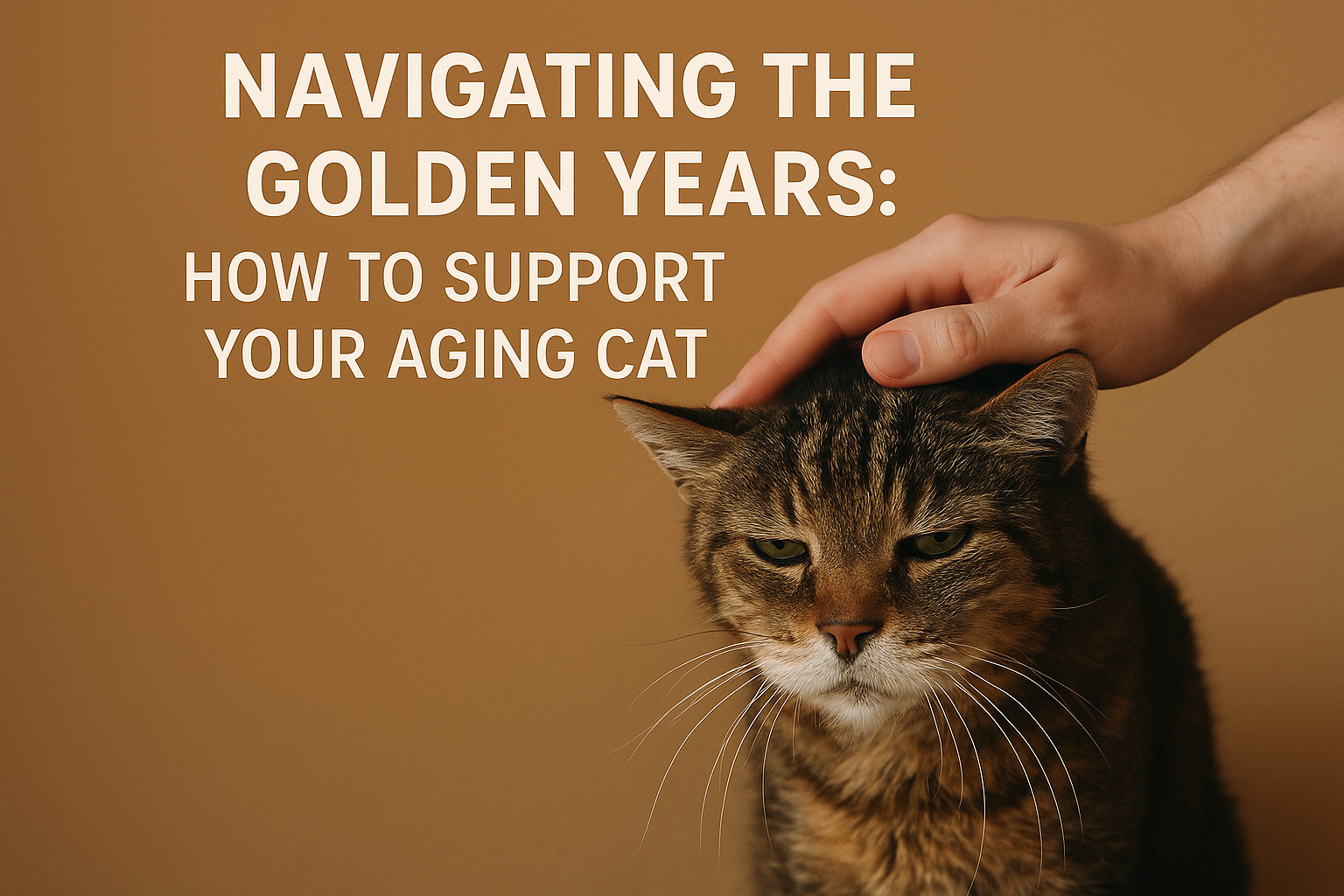
As cats age, their sitting positions and behaviors might change due to arthritis or decreased energy levels. Older cats may prefer more conservative sitting arrangements, such as loafing or classic sits, rather than active crouch positions.
2. Environmental Comfort
Cats are highly sensitive to their surroundings. A cat’s choice of sitting position can be influenced by comfort levels in its environment. A secure space with familiar scents and sounds may encourage more relaxed sitting behavior.
3. Social Factors
The presence or absence of human companions or other animals can impact a cat’s choice of sitting position. Social cats might adopt more open and relaxed poses, while shy or wary cats may prefer positions that allow for quick escape routes.
4. Interactions with Humans
How a cat interacts with its human companions can also dictate its sitting behavior. For example, a cat that enjoys being petted may adopt a more active sitting position, while a cat that prefers solitude might choose positions that minimize engagement.
Cats and Their Communication Styles
Cat sitting behaviors are just one part of a much larger communication system. Cats communicate not only with their vocalizations but also through body language, including sitting postures. By learning to interpret these signals, cat owners can better respond to their feline companions’ needs:
1. The Importance of Eye Contact
Cats often communicate comfort and confidence through eye contact. A relaxed sit combined with slow blinking toward their human indicates trust and affection. If a cat avoids eye contact while sitting, it might be feeling insecure or stressed.
2. Tail Position
The position of a cat’s tail often provides context to their sitting behaviors. A raised tail signifies a happy and confident cat, while a low or curled tail could point to anxiety or discomfort.
Common Myths About Cats and Sitting
As with many aspects of cat behavior, there are numerous myths surrounding how cats sit and what it means. Here, we dispel some common misconceptions:
1. Cats Always Land on Their Feet
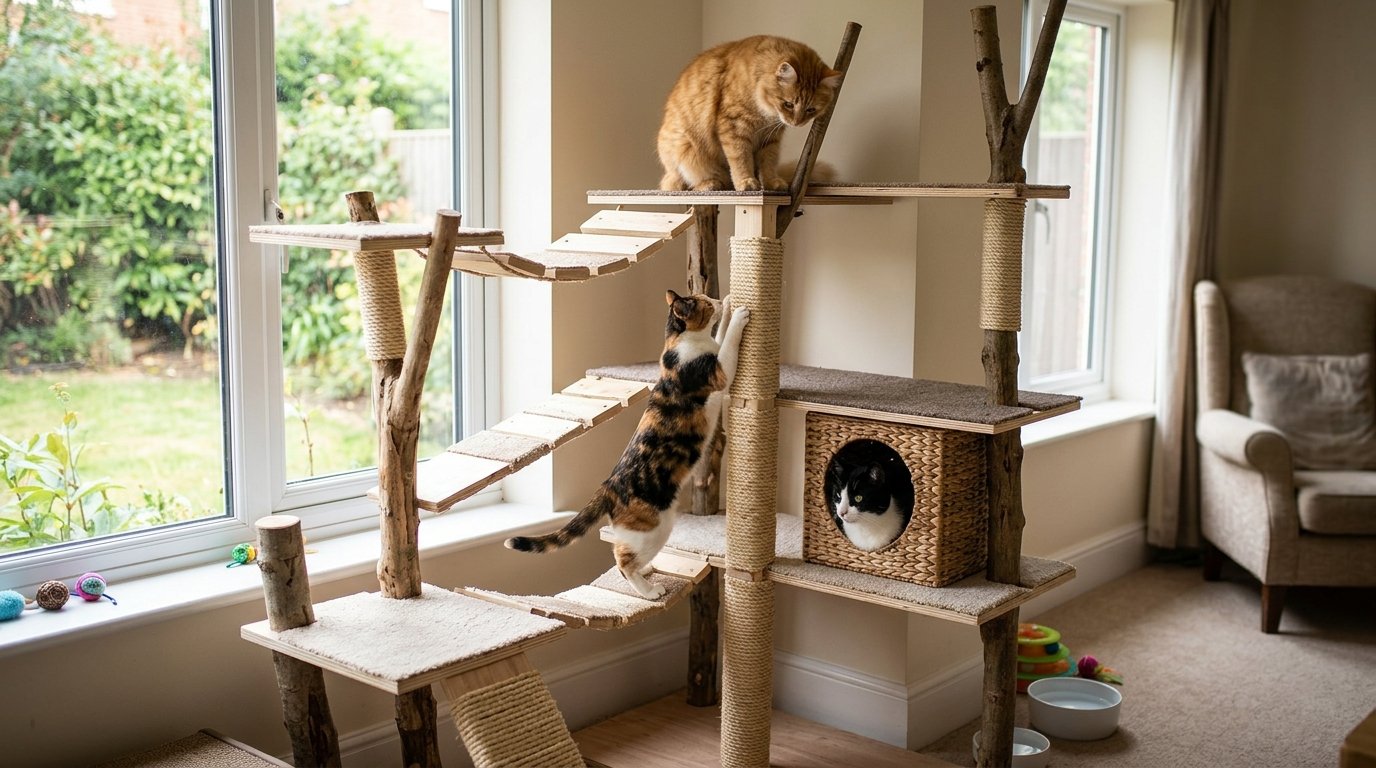
While it’s true that cats have a righting reflex that helps them land on their feet most of the time, they can still get injured if they fall from a significant height. The myth may stem from the agile ways cats choose to sit and navigate their surroundings.
2. A Cat Sitting with Its Back to You Is Being Disrespectful
Contrary to this belief, a cat sitting with its back towards you is often a sign of comfort and trust. It indicates that your cat feels secure enough to turn its back and relax in your presence.
3. All Cats Prefer Higher Sitting Spots
While many cats enjoy perching in high places, some prefer grounded sitting positions. Factors such as personality, environment, and comfort level influence these preferences.
Conclusion
Understanding feline sitting behaviors enriches our connection with our cats and enhances our ability to meet their needs. From loaf sits to bizarre positions, each quirk reveals something about a cat’s mood, comfort, and health. By observing and appreciating these behaviors, cat owners can cultivate a deeper bond and create a nurturing environment for their feline companions.
Frequently Asked Questions (FAQs)
1. Why does my cat sit in a strange position?
Cats have unique personalities that influence their sitting styles. A strange position might simply be your cat’s way of finding comfort or displaying its playful nature. If your cat seems happy and healthy, it’s likely nothing to be concerned about.
2. How can I tell if my cat is comfortable while sitting?
Comfortable cats often sit in relaxed positions, maintain a soft body posture, and may even purr or knead. If your cat is loafing or sitting calmly in a looking around, it’s likely feeling secure.
3. Should I worry if my cat suddenly changes its sitting behavior?
A sudden change in sitting behavior can be a sign of discomfort or health issues. If your cat displays signs of pain, stiffness, or reluctance to sit comfortably, it is wise to consult a veterinarian.
4. Do all cats sit the same way?
No, each cat has its own unique habits and preferences. Factors such as breed, personality, age, and environmental influences can all affect how a cat chooses to sit.
5. Can sitting position indicate a cat’s health?
Yes, certain sitting positions can indicate health issues. For example, a cat that avoids sitting altogether may be feeling pain. If you notice unusual sitting behaviors paired with other symptoms, seek veterinary advice.