
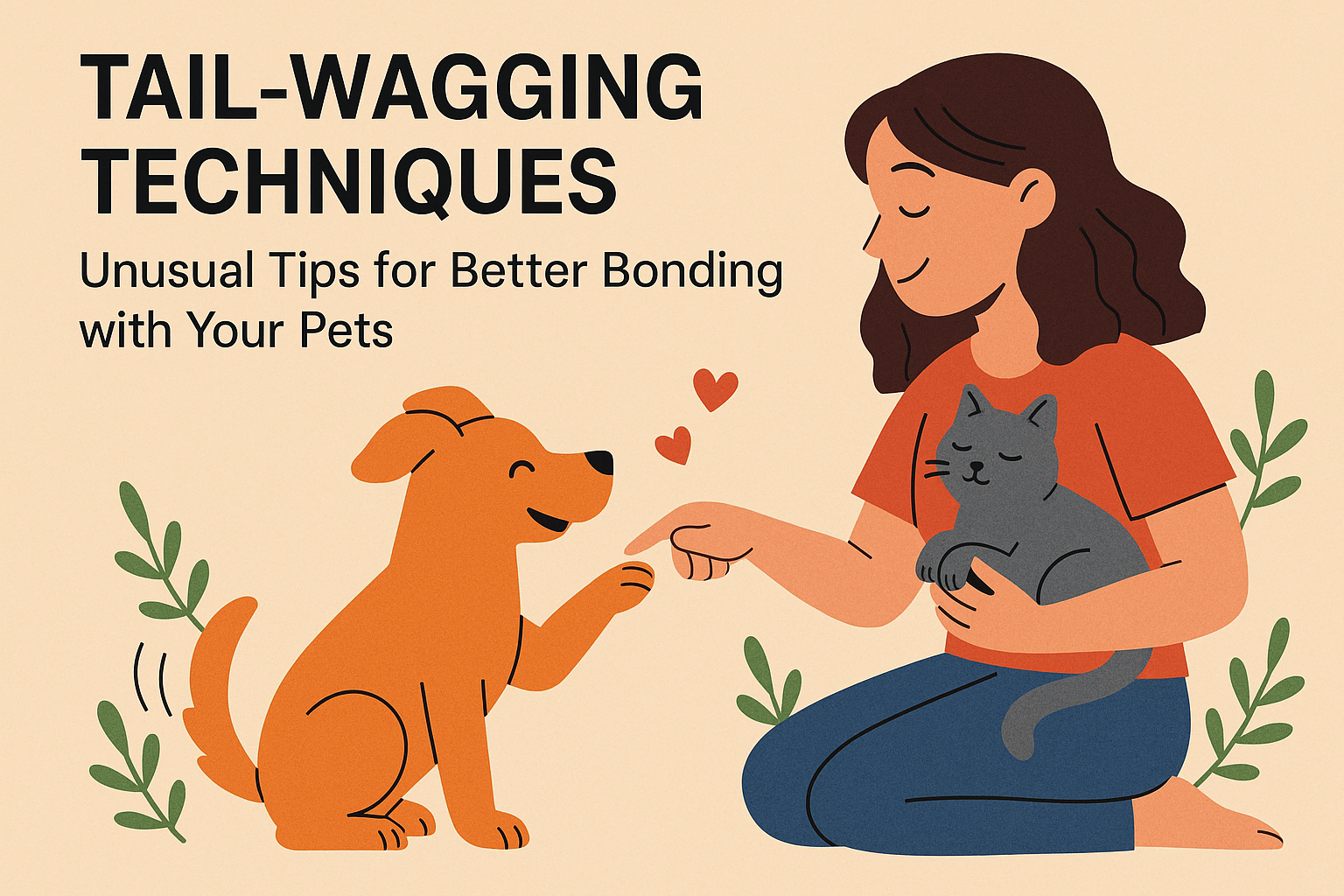
Understanding Pet Psychology
Before we delve into the unusual bonding techniques, it’s crucial to understand how pets think. Dogs, cats, and other animals have different ways of interpreting the world around them. For dogs, companionship, socialization, and trust are critical elements of their emotional well-being. Cats, on the other hand, often appreciate independence but also enjoy forming close connections at their own pace.
1. Scent Games
Animals rely heavily on their sense of smell. Engaging in scent games can help deepen your connection with your pet. Here are a few ways to incorporate scent games:
-
- Find the Treat: Hide treats around the house and encourage your pet to find them. Start easy and gradually increase the difficulty.
-
- Scent Trails: Use your hands or a piece of cloth to create a scent trail leading to a reward. This can stimulate their natural hunting instincts.
-
- New Scents: Introduce your pet to new smells, like spices, herbs, or extracts. Observe their reactions and help them explore.
2. Mirror Neurons and Movement
Did you know that both humans and animals have mirror neurons? These neurons help foster empathy and emotional connections.
Engage in synchronized movements with your pet:
-
- Dancing: Play your favorite songs and dance around with your dog; they may start mirroring your movements.
-
- Yoga with Pets (Doga): Involve your pet in your yoga practice. They might enjoy being part of your routine!
-
- Agility Courses: Set up mini obstacle courses in your backyard or living room. Guide your pet through using your movements and gestures.
3. Shared Experiences
Shared experiences can create powerful memories and deepen bonds. Consider trying some of these unusual bonding activities:
-
- Cooking Together: There are various pet treat recipes you can make at home. Your pet can be your sous-chef by being present and staying engaged as you whip up their favorite snack.
-
- Art Time: You can use pet-safe non-toxic paint and create paw-print art. Your pet gets to express itself while you bond over a fun activity.
-
- Dressing Up: If your pet is comfortable with it, dressing them in a fun costume and taking photos can create lasting memories.
4. Silent Communication
Sometimes communication doesn’t require words. Understanding body language is key. You can practice silent communication through:
-
- Slow Movements: Move slowly around your pet to create a calm environment. Fast, erratic movements may spook them.
-
- Eye Contact: Maintain gentle eye contact to build trust. A soft gaze is less threatening and encourages bonding.
-
- Relaxed Posture: Show a relaxed body stance to make them feel secure. Crouching down to their level can help bridge the gap.
5. Playdates with Other Pets
Socialization is vital for your pet’s well-being. Organizing playdates can help your pet gain confidence and improve their interactions with both you and other animals. Here are some pointers:
-
- Choose Compatible Friends: Ensure that your pet’s playdate buddy is compatible in size and temperament to avoid any potentially stressful situations.
-
- Supervise Playdates: Take an active role during their playdates to maintain a safe and fun atmosphere for everyone involved.
-
- Nature Outings: Take playdates to local parks or trails. The new environment adds excitement, and dogs often bond through mutual exploration.
6. Calming Techniques
Just like humans, pets can get stressed, anxious, or overwhelmed. Integrating a few calming techniques into your routine may help strengthen your bond:
-
- Aromatherapy: Certain scents like lavender can have calming effects. Consider pet-safe essential oils or calming sprays.
-
- Massages: Many pets enjoy a good massage. This can help alleviate stress and create an opportunity for bonding.
-
- Quiet Time: Create a peaceful environment by setting aside time to relax with your pet, whether by cuddling on the couch or just enjoying a serene moment together.
7. Exploring New Activities
Trying new activities together can add excitement to your bond. Consider the following unique activities:
-
- Canine Freestyle: This is a choreographed dance performed with your dog, and it’s a wonderful way to showcase your pet’s personality.
-
- Agility Training: Sign up for agility classes where you and your pet can learn something new together.
-
- Therapy Visits: Participate in therapy dog programs where you both visit hospitals or nursing homes, providing companionship to those in need.
8. Using Technology for Bonding
Technology can be an unexpected ally in strengthening the bond with your pet. Here are several ways to harness it:
-
- Pet Cameras: Use pet cameras with two-way audio so you can see and communicate with your pet even when you are away from home.
-
- Pet Trackers: Install GPS tracking systems to keep an eye on their whereabouts and ensure their safety while still allowing them the freedom to explore.
-
- Interactive Toys: Invest in interactive toys that challenge your pet’s mind and can be controlled through your smartphone.
9. Creating a Routine
Pets thrive on routine, which gives them a sense of security. Establishing a daily schedule that includes bonding time can enhance your relationship:
-
- Feeding Time: Use mealtime as a bonding opportunity; sit with them while they eat and engage verbally to create a comforting atmosphere.
-
- Consistent Playtime: Dedicate specific times for play each day. This creates anticipation and excitement for them.
-
- Training Sessions: Implement regular, fun training sessions that reinforce your bond while also developing their skills.
Conclusion
Building a strong bond with your pet is an ongoing journey that requires time, patience, and creativity. By exploring unusual bonding techniques, like engaging their senses through scent games, harnessing the power of shared experiences, and implementing calming practices, you can develop an even deeper connection with your furry friend. Remember, every pet is unique, so feel free to adapt these tips according to your pet’s personality and comfort level. Ultimately, the goal is to enjoy each other’s company and create lasting memories through your remarkable journey together.
FAQs
1. How can I tell if my pet is happy?
Signs of a happy pet can include a wagging tail, playful behavior, relaxed body posture, and seeking closeness with you. Each pet has individual traits, so it’s essential to observe their specific behaviors.
2. What should I do if my pet doesn’t seem interested in bonding activities?
Patience is vital. Some pets may take longer to warm up to new activities. Ensure that the activities are appropriate for their personality and comfort level and avoid forcing them into situations they find stressful.
3. How often should I engage in bonding activities with my pet?
Try to incorporate bonding time into your daily routine. Short, consistent activities often work better than infrequent long ones, ensuring your pet looks forward to spending time with you.
4. Are there any specific activities I should avoid?
Avoid activities that may cause stress or fear for your pet. Activities should be enjoyable and promote a sense of security. Always assess your pet’s comfort level before introducing something new.
5. Can I bond with my pet even if I’m busy?
Yes! Even short interactions during busy times can strengthen your bond. Simple gestures like petting, talking, or sharing a quiet moment can have a positive impact.
 PRINCE2030