From Cats to Canines: Uncommon Tips for Every Pet Owner
Being a pet owner is a rewarding experience but can sometimes be challenging to manage the different needs and habits of your beloved animals. Whether you’re transitioning from cats to dogs or you have both, there are unique insights and uncommon tips to ensure that each pet thrives in your shared environment. This article provides various strategies, care tips, and psychological insights that can transform your experience as a pet owner.
Understanding Your Pets: The First Step
Each species, and indeed each breed within that species, has its own set of behaviors, needs, and care requirements. Therefore, the first tip is to educate yourself about the specific animals you are caring for. This education will pave the way for better interactions and overall pet health.
The Feline Way
- Know their Sleep Patterns: Cats are crepuscular animals, meaning they tend to be most active during dawn and dusk. This natural behavior might influence when they are most playful or need engagement.
- Understanding Cats’ Communication: Unlike dogs, cats may not vocalize as much. Pay attention to their body language to understand their feelings and needs. A twitching tail or flattened ears can tell you a lot.
- Providing Vertical Space: Cats love to climb! Creating vertical spaces like shelves or cat trees allows them to exhibit natural behaviors while feeling safe and secure.
The Canine Communique
- Learn the Bark: Dogs have different barks for different scenarios. Understanding the nuances helps in knowing when they’re anxious, needing attention, or alerting you to a visitor.
- Scheduled Activities: Dogs thrive on routine. Consistency in feeding and walking times can create a sense of security and predictability for your pup.
- Socialization Is Key: Early socialization is critical for puppies. Try to expose them to different environments, other animals, and people to ensure they grow into well-rounded adults.
Nutrition: Customized Care
Your pet’s nutrition must be tailored to their specific dietary needs. Both cats and dogs have unique dietary requirements influenced by their breed, age, and lifestyle.
Optimal Diet for Cats
- High Protein Content: Cats are obligate carnivores and their diet should be rich in animal proteins. Look for high-quality cat food with real meat as the first ingredient.
- Water Intake: Cats often do not drink enough water. Providing wet food or using a pet water fountain can encourage better hydration.
- Avoid Dairy: Contrary to popular belief, most cats are lactose intolerant. Opt for specially formulated cat treats instead.
Perfect Portions for Dogs
- Age-Specific Food: Puppies require different nutrients than adults. Make sure to choose age-appropriate food to ensure healthy growth and maintenance.
- Monitor Treats: Those puppy eyes are hard to resist, but too many treats can lead to obesity. Follow the 10% rule: treats should not exceed 10% of their daily caloric intake.
- Custom Meals: Some owners opt for homemade dog food. Always consult a veterinarian to ensure you’re providing a balanced diet suitable for your dog.
Grooming and Hygiene: More Than Just a Bath
Regular grooming is not just about keeping your pet looking good; it’s also about maintaining their health. Here are some uncommon tips that may not be widely known.
Grooming Tips for Cats
- Routine Brushing: Regular brushing can prevent hairballs—an issue many cat owners face. A stress-free and regular brushing routine can make it a bonding experience.
- Nail Trimming: Regular nail trimming is crucial. Use a sharp, cat-specific nail trimmer to avoid injury and stress for your feline friend.
- Dental Care: Start dental care early. Introducing tooth brushing as a routine can prevent dental disease, which is common in cats.
Dog Grooming Essentials
- Coat Check: Be aware of your dog’s coat type. Long-haired breeds need regular grooming to avoid matting, while short-haired dogs may shed but can get away with less frequent grooming.
- Ear and Eye Care: Regularly check and clean your dog’s ears and eyes. Build up debris can lead to infections.
- Paw Patrol: Dogs’ paws endure a lot each day. Regularly check for cracks, cuts, or foreign objects lodged between the pads, especially after walks.
Behavioral Training: More Than Just Commands
Training is essential for both cats and dogs, but effective training goes beyond just the basic commands. Here are some less common techniques that can enhance your pet’s obedience and strengthen your bond.
Cat Training Techniques
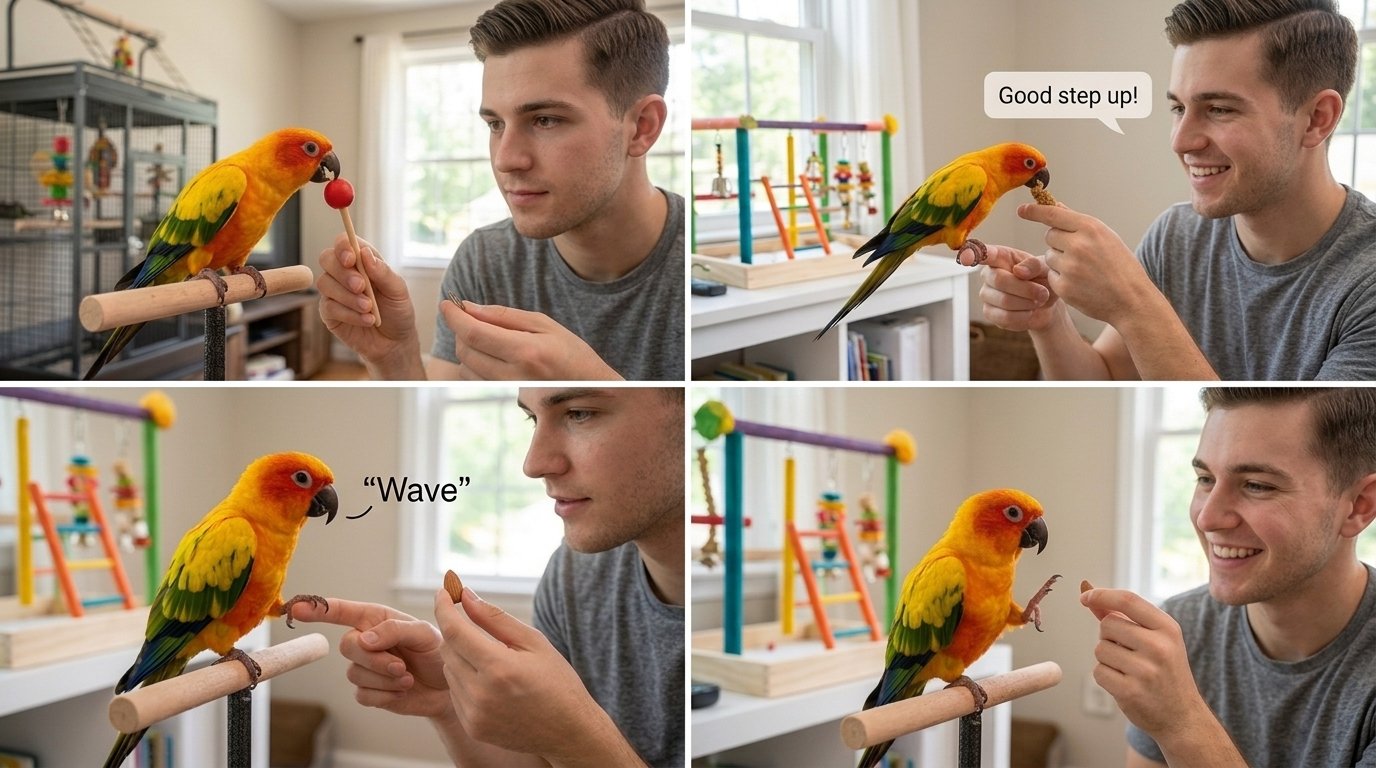
- Clicker Training: Just like dogs, cats can learn via clicker training. Be patient and reward them with small treats when they display the desired behavior.
- Positive Reinforcement: Always focus on positive reinforcement instead of punishment. When they scratch the scratching post instead of furniture, reward them!
- Toy Training: Use toys to motivate cats. Engaging their hunting instincts through play can turn training time into fun time!
Dog Training Innovations
- Using the “Nothing in Life is Free” Method: This method involves asking your dog to perform a command before being given food or treats. It reinforces the idea that good behavior is rewarded.
- Social Play Dates: Setting up play dates with other dogs can significantly enhance social skills in dogs and can also be a fun way to work on recall commands.
- Environment Shaping: If your dog has issues with certain sounds or environments, try to slowly expose them to those stressors while rewarding calm behavior, helping them cope over time.
Health Checks: Major and Minor
Regular health checks are integral for ensuring the well-being of your pets. It is essential to be observant and proactive in maintaining their health.
For Feline Health
- Regular Vet Visits: Annual check-ups can help catch potential health issues before they become serious. Vaccinations and wellness exams are essential.
- Watch for Behavioral Changes: Sudden changes in appetite, litter box habits, or social behavior can indicate health problems.
- Weight Monitoring: Be aware of your cat’s weight. Obesity is a common issue; maintaining a healthy weight can increase their lifespan.
Canine Health Essentials
- Vaccination Protocols: Keep up with vaccinations to protect against preventable diseases. Consult your veterinarian for the recommended schedule.
- Flea and Tick Prevention: These parasites can cause serious health problems. Use preventive medications as recommended by your vet.
- Behavioral Observations: Just like cats, dogs can often communicate that something is wrong. Changes in energy levels, eating habits, or interaction preferences can signify discomfort.
Conclusion
Owning pets is a unique and fulfilling journey that requires continuous adaptation and learning. By taking uncommon, active approaches in understanding, mentoring, feeding, grooming, and monitoring behaviors, you can improve the lives of your pets immensely. Embracing these insights can foster a happier relationship and a cohesive household. Whether you are a proud cat person, a devoted dog aficionado, or both, these tips will put you in the best position to create a nurturing and loving environment tailored to the needs of your furry friends.
FAQs
1. How do I ensure my cat and dog get along?
Start by introducing them slowly in a controlled environment. Keep them separated at first and allow them to get familiar with each other’s scents. Supervise their early interactions and ensure positive reinforcement for calm behavior. Always have separate spaces for each pet to retreat to if needed.
2. What common health problems should I look out for in pets?
Common issues in dogs include obesity, dental disease, and ear infections. For cats, be mindful of urinary tract issues, hyperthyroidism, and dental problems. Regular vet check-ups can help diagnose and manage these conditions early on.
3. Is it necessary to train my cat? How can I do it?
While cats are less likely to respond to commands than dogs, they can benefit from training to control behaviors like scratching or jumping on counters. Training can be achieved using clickers, positive reinforcement, and play. Building a routine around training can make it more enjoyable for both you and your cat.
4. Can I feed my cat dog food in a pinch?
No, dogs and cats have different nutritional needs. While occasional small amounts of dog food may not harm your cat, it should not be a substitute for a well-balanced cat diet. Long-term feeding of dog food can lead to nutritional deficiencies in cats.
5. How often should I take my pets to the vet?
Regular check-ups are crucial for both cats and dogs. For most healthy pets, annual vet visits are recommended. Senior pets or those with health issues may require more frequent visits. Always consult your vet for specific advice regarding vaccinations and health screenings.