Keeping It Clean: Simple Tricks for Managing Pet Messes
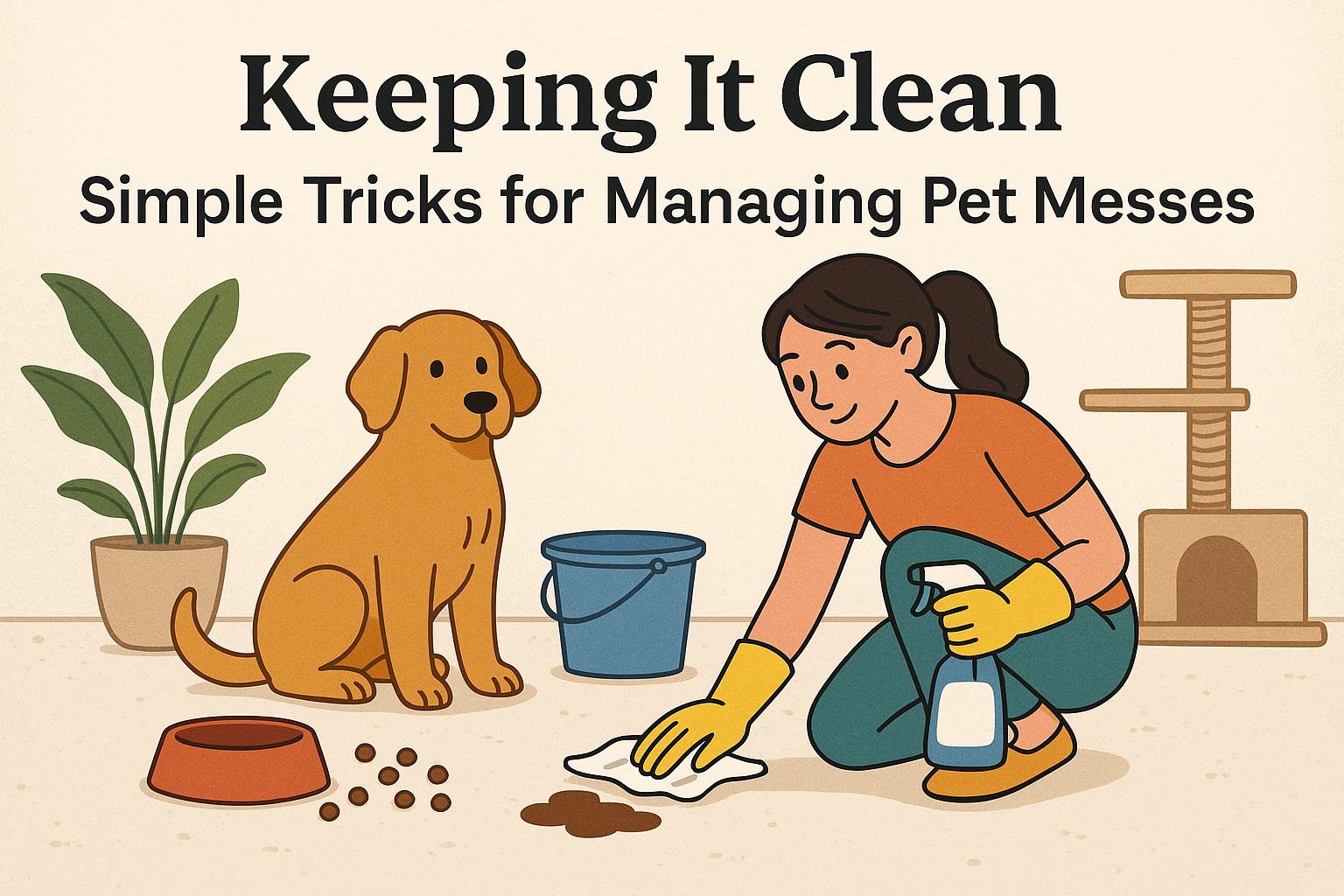
Pet ownership is one of the most rewarding experiences, filled with love, companionship, and joy. However, with the joy of having a furry friend comes a certain amount of responsibility—specifically when it comes to managing pet messes. From shedding fur to accidents on the floor, it can feel overwhelming at times. Here, we explore simple yet effective tricks to help you keep your home clean and your furry friend happy.
Understanding the Types of Pet Messes
Before diving into management strategies, it’s vital to understand the types of messes your pets can make. Here are some common categories:
- Shedding Fur: Most pets, especially dogs and cats, shed fur. This can lead to fur covering your floors, furniture, and clothing.
- Accidents: Puppies and older pets may have accidents indoors, which can be challenging to clean and can leave odors if not addressed properly.
- Food and Water Messes: Feeding time can lead to scattered kibble and spilled water, contributing to a messy eating area.
- Outdoor Mess: Pets may track dirt, mud, or even feces indoors after been outside.
- Toys and Chewed Items: Toys can end up scattered all over your home, and chewed items can create a mess of shredded materials.
Tricks for Managing Shedding Fur
Shedding is a natural part of a pet’s life. However, there are ways to manage it effectively:
- Regular Grooming: Depending on the breed, regular brushing can significantly reduce shedding. Invest in a quality brush appropriate for your pet’s coat type.
- Vacuum Frequently: Use a vacuum cleaner designed for pet hair. Consider models with HEPA filters to reduce allergens in the air.
- Pet-Friendly Furniture Covers: Use washable furniture covers to protect your couch and chairs from pet hair.
- Lint Rollers: Keep lint rollers handy for quick clean-ups of clothes or furniture.
Addressing Accidents Immediately
Accidents are bound to happen, particularly with puppies or elderly pets. Here’s how to clean up efficiently:
- Act Fast: The sooner you clean up an accident, the better the chance of removing odors and stains completely.
- Use Enzymatic Cleaners: These cleaners break down organic material, making them effective for pet messes. Avoid ammonia-based cleaners, as they can smell similar to urine and might encourage re-marking.
- Blot, Don’t Rub: Always blot the area rather than rubbing. Rubbing can push the mess further into the fibers.
- Use Baking Soda: After cleaning, sprinkle baking soda on the area to neutralize odors, letting it sit for a few hours before vacuuming it up.
Creating a Clean Eating Space
Food and water bowls can create messes, so consider these tips for cleaner feeding:
- Use Mats: Place rubber mats under food and water bowls to catch spills and crumbs.
- Invest in No-Spill Bowls: Many brands offer bowls designed to minimize spills, making it easier to keep the area clean.
- Choose the Right Location: Set up feeding areas away from carpets or in easily cleanable spaces like the kitchen or laundry room.
Managing Outdoor Messes
Outdoor messes can pose a challenge, but you can implement strategies to minimize their impact indoors:
- Designated Area: Create a designated outdoor potty area to encourage your pet to eliminate in a specific spot.
- Wipe Your Pet’s Paws: Keep a towel or dog wipes at the entrance to clean your pet’s paws as they come inside.
- Invest in Doormats: Use heavy-duty doormats to catch dirt and mud before it enters your home.
Keeping Toys Organized
A clutter of toys can add to the mess in your home. Here are some tips for managing your pet’s belongings:
- Toy Box: Designate a box or basket for your pet’s toys. This keeps them contained and makes it easier to clean up after playtime.
- Regular Decluttering: Regularly go through your pet’s toys to remove any damaged or broken ones to prevent messes and hazards.
- Rotate Toys: Consider rotating your pet’s toys to keep their interest piqued and reduce clutter.
General Cleaning Tips for Pet Owners
In addition to specific strategies, consider these general tips to maintain a clean home with pets:
- Establish a Routine: Set a regular cleaning schedule to stay on top of messes and pet hair.
- Utilize Pet-Safe Cleaning Supplies: Choose cleaning products that are safe for pets to avoid health hazards.
- Invest in High-Quality Appliances: Consider investing in an air purifier and powerful vacuum cleaner designed to tackle pet-related messes effectively.
- Consider Professional Cleaning Services: If the messes feel overwhelming, don’t hesitate to contact a professional cleaning service experienced with pet homes.
Conclusion
Managing pet messes can certainly feel daunting, but with a little organization and the right strategies, it can become much more manageable. Remember that your pet is a beloved member of your family, and a clean and organized space contributes to their well-being and happiness. By incorporating these tips, you can enjoy a cleaner home while also reveling in the joy that your furry friend brings into your life.
Frequently Asked Questions (FAQs)
1. What’s the best way to remove pet stains from carpet?
Act quickly and use an enzymatic cleaner that breaks down the stain. Blot the stained area with a clean cloth, apply the cleaner according to the instructions, and then rinse with water.
2. How can I minimize pet hair in my home?
Regular grooming, using special brushes designed for pets, and frequent vacuuming with a pet hair vacuum can significantly minimize pet hair in your home.
3. Are there any cleaning products I should avoid around pets?
Avoid ammonia-based cleaners, bleach, and other harsh chemicals that can be harmful to pets. Choose pet-safe cleaning products whenever possible.
4. How often should I clean my pet’s bedding?
It’s best to wash your pet’s bedding at least once a week or more often if your pet has allergies or sheds a lot.
5. How can I prevent my pet from having indoor accidents?
Establish a consistent potty schedule, take your pet out frequently, and reward them for going outside. If accidents happen, clean them promptly and thoroughly to prevent repeat behavior.