Navigating the Golden Years: How to Support Your Aging Cat
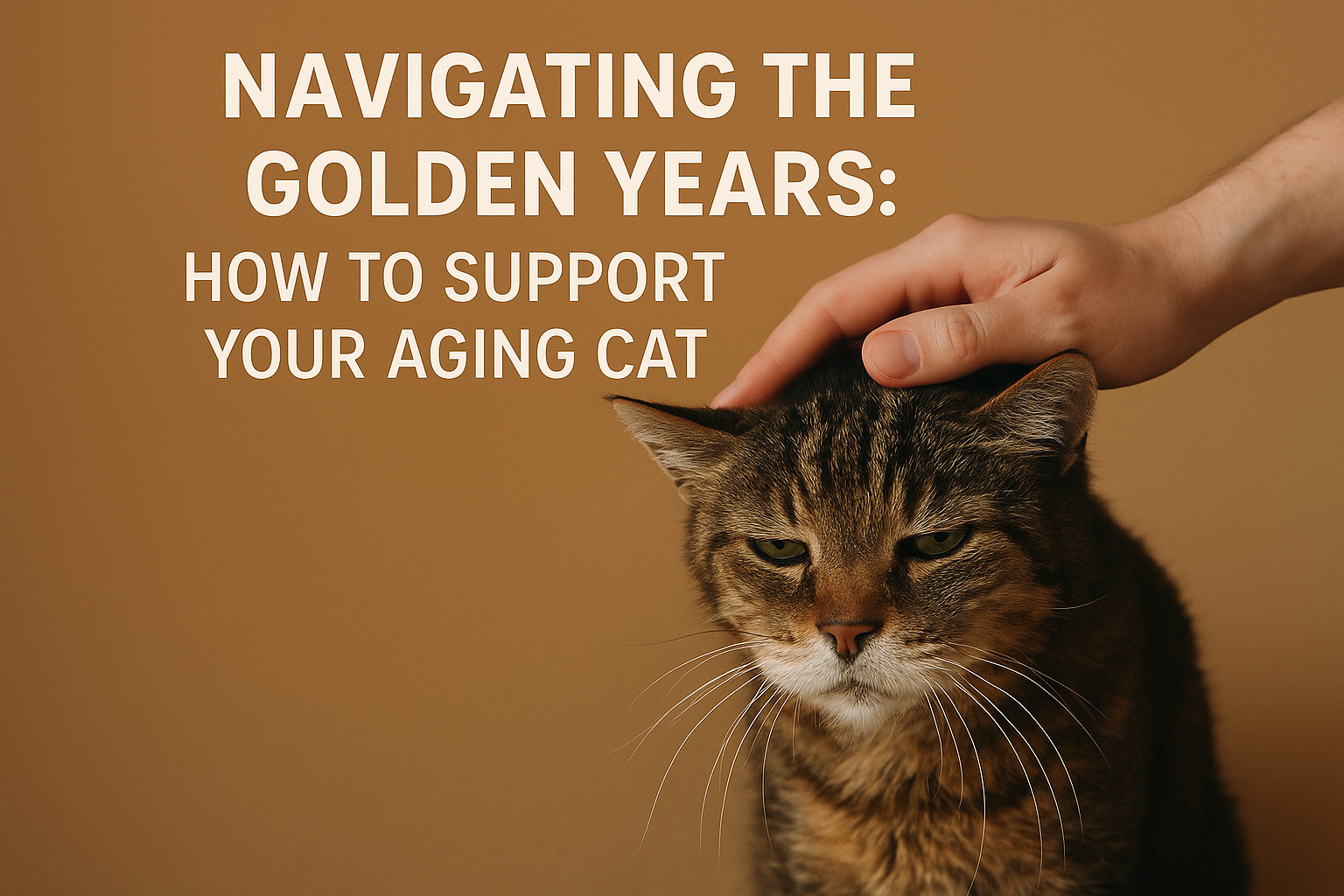
As our beloved feline companions age, their needs change, and it becomes our responsibility as pet owners to understand how to adapt to those changes. This article explores various aspects of caring for an aging cat, ensuring they enjoy their golden years with health, comfort, and happiness.
Understanding the Aging Process in Cats
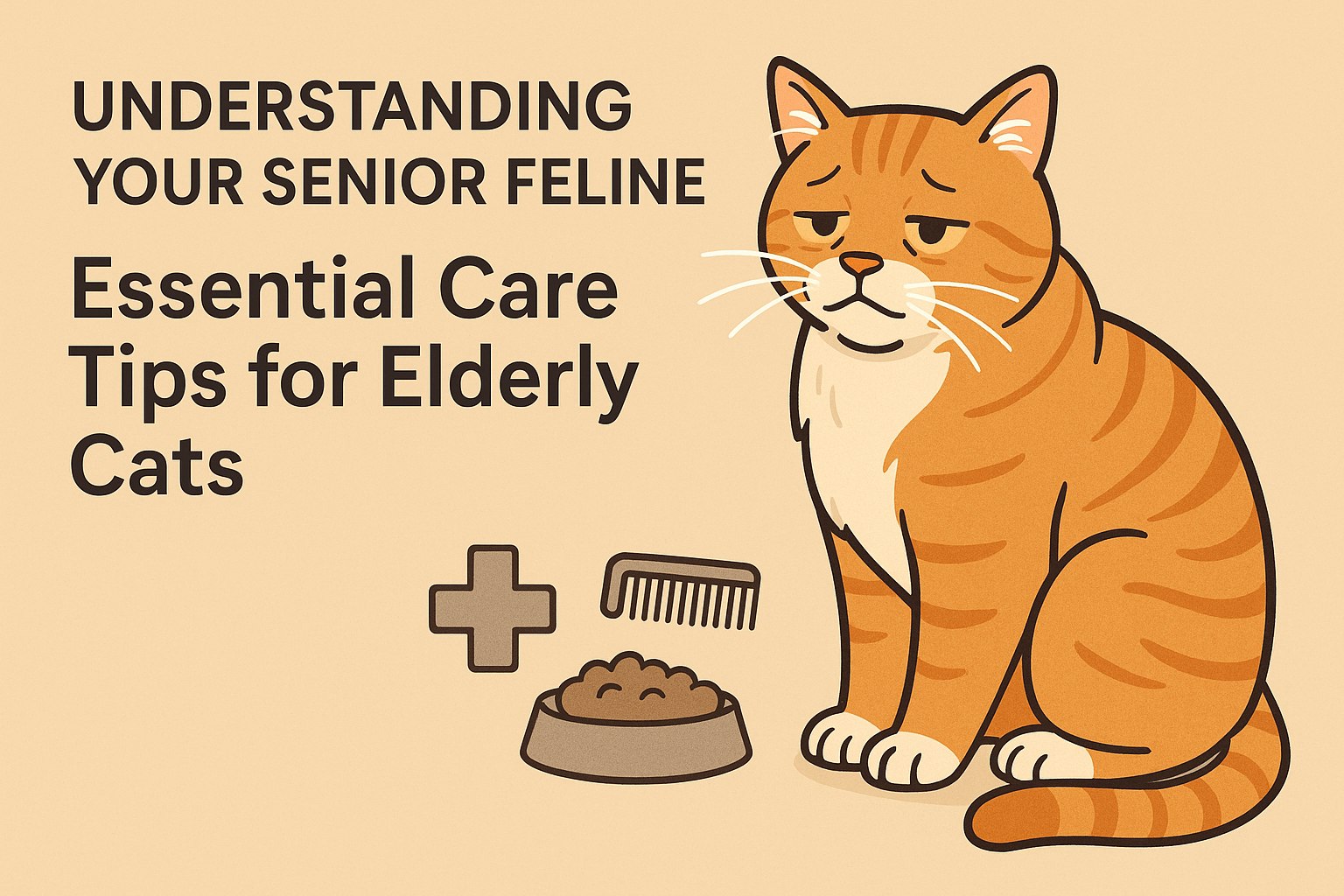
Just like humans, cats go through various stages of life. Generally speaking, a cat is considered senior at around 7 years of age. As they age, a cat’s physical health, cognitive functions, and overall lifestyle may shift, necessitating adjustments in care.
Physical Changes
Aging cats often experience a variety of physical changes. These changes might include:
- Weight Management: You may notice fluctuations in weight as cats age. Some may lose weight due to a decrease in metabolism or dental issues, while others may gain weight, leading to obesity-related health issues.
- Mobility Issues: Arthritis and other joint issues can affect mobility, making it harder for your cat to jump or play as they once did.
- Grooming Difficulties: Older cats may struggle with grooming, leading to matting of their fur and skin issues.
- Sensory Decline: Aging can affect sight and hearing, which may cause confusion and anxiety in your cat.
Cognitive Changes
Many aging cats show signs of cognitive decline, which can include:
- Disorientation, confusion, or wandering around.
- Changes in sleeping patterns, such as increased daytime sleeping or nighttime activity.
- Increased vocalization, which can indicate anxiety or confusion.
Feeding Your Aging Cat
Nutrition plays a vital role in your aging cat’s health. As they age, their dietary needs may change. Here are some key considerations:
Choosing the Right Food
Select a high-quality, nutritious cat food specifically formulated for senior cats. These diets often contain:
- Lower calories to help prevent obesity.
- Increased fiber to aid in digestion.
- Higher protein content to maintain muscle mass.
- Added vitamins and antioxidants to support immune function.
Feeding Techniques
As certain medical conditions become more prevalent in aging cats, it may be necessary to adjust their feeding techniques:
- Smaller Meals: Consider offering smaller, more frequent meals to aid digestion.
- Wet Food vs. Dry Food: Wet food can be beneficial for hydration and may be easier for your cat to eat if they have dental issues.
- Feeding Schedule: Maintain a consistent feeding schedule to create a sense of routine.
Promoting Hydration
Hydration is critical, especially for senior cats, as they are more prone to kidney issues. Make sure your cat has constant access to fresh water. Consider using a cat water fountain to encourage drinking, as many cats prefer running water.
Ensuring Regular Veterinary Care
Regular veterinary check-ups are essential for aging cats. At least once a year, or more frequently if your cat has health issues, take them for a check-up. Your veterinarian can perform:
- Comprehensive physical exams to assess health.
- Blood work to check for underlying health issues.
- Vaccinations and preventative care based on your cat’s needs.
- Dental check-ups, as dental disease is common in older cats.
Creating a Comfortable Environment
Your cat’s home environment can have a significant impact on their well-being. Here are some adjustments you can make to create a more comfortable living space:
Easy Access to Essentials
Make sure your cat can easily access food, water, and litter boxes. Consider using low-sided litter boxes for easier entry and exit.
Comfortable Resting Spots
Provide multiple soft, warm resting places throughout your home. Consider orthopedic beds that offer support for aging joints.
Minimize Stress and Hazards
Reduce noise levels and potential stressors. Ensure that your home is safe by removing hazards such as stairs or sharp objects that could cause falls and injuries.
Engaging Your Aging Cat
It can be easy to assume that older cats are less playful, but mental stimulation is crucial for their mental health. Here are some ways to keep them engaged:
Playtime Adjustments
Change how you play with your cat to accommodate their energy levels and mobility. Interactive toys, feather wands, and laser pointers can provide stimulation without requiring them to move too much. Keep play sessions shorter and more frequent.
Environmental Enrichment
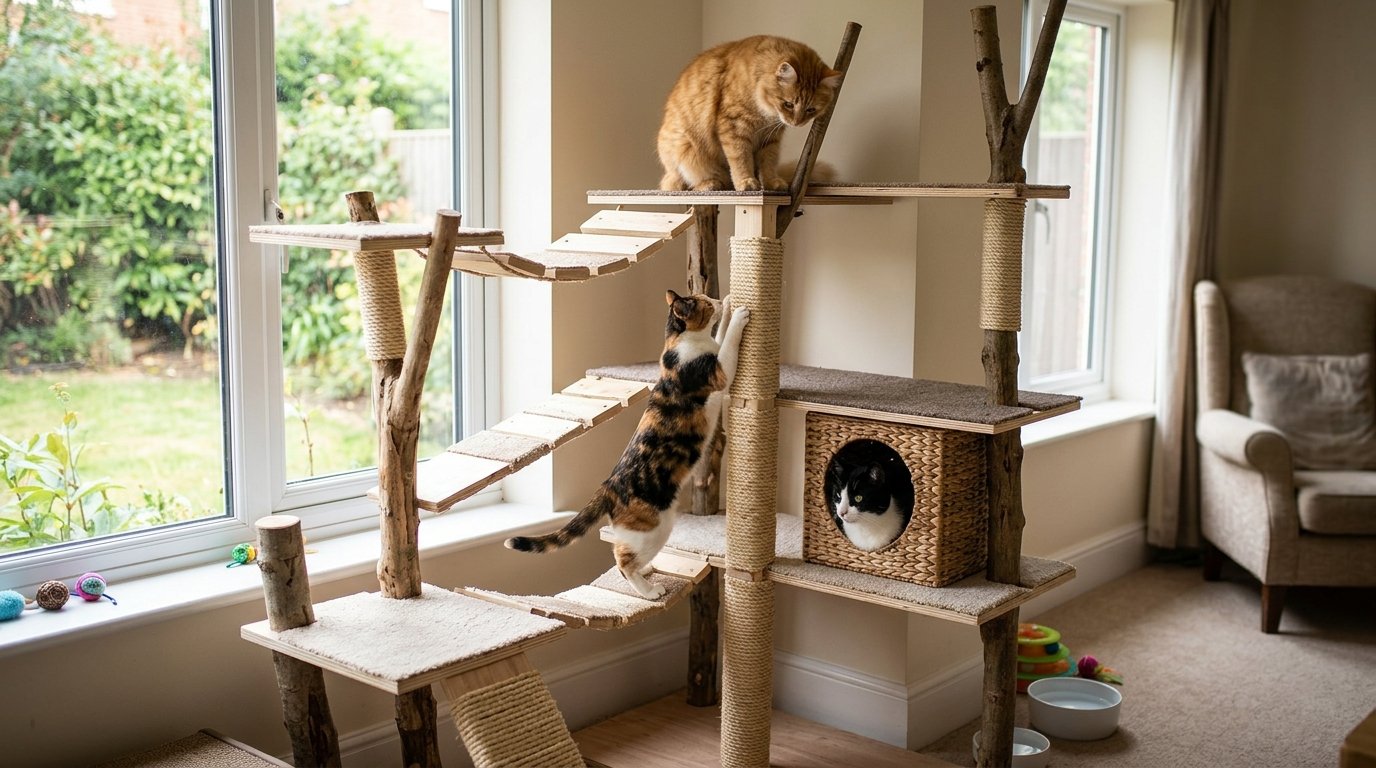
Consider setting up climbing structures, scratching posts, and cozy hideaways to cater to their natural instincts and provide a sense of adventure.
Monitoring Health Conditions
Be vigilant about changes in your cat’s behavior, weight, appetite, and activity levels. If you notice any abnormalities, consult your veterinarian promptly. Common health issues in aging cats include:
Arthritis
Signs of arthritis can include limping, difficulty jumping, or reluctance to play. Your vet may recommend pain management, dietary changes, or supplements such as glucosamine.
Dental Disease
Many older cats suffer from dental disease, highlighted by bad breath, difficulty eating, or swollen gums. Regular dental check-ups and cleanings can prevent serious medical issues.
Kidney Disease
Chronic kidney disease is common in older cats. Symptoms often include increased thirst, urination, and weight loss. Early detection is key to managing kidney issues.
Understanding End-of-Life Care
As difficult as it may be, preparing for the eventuality of your cat’s passing is an essential part of responsible pet ownership. Having open discussions with your veterinarian about your cat’s health status can provide clarity regarding their quality of life.
Quality of Life Assessments
Evaluate your cat’s quality of life regularly, considering factors such as pain, mobility, appetite, and enjoyment of life. Discuss potential end-of-life care options with your veterinarian.
Making Difficult Decisions
When the time comes to consider euthanasia, do so with compassion. Your veterinarian can guide you through the process, helping to make the best decision for your cat’s well-being.
Conclusion
Supporting your aging cat involves understanding their changing needs and providing a loving, accommodating environment. By adjusting their care, diet, and activities, you can enhance their quality of life during their golden years. Regular veterinary visits and attentive monitoring can help you catch potential issues early, ensuring your feline friend enjoys their twilight years to the fullest. Remember, every cat is unique, and with your love and support, your aging cat can thrive in their later stages of life.
FAQs
1. At what age is a cat considered senior?
Cats are typically considered senior at around 7 years of age.
2. How can I tell if my aging cat is in pain?
Signs of pain in cats may include decreased activity, changes in grooming habits, altered appetite, and behavioral changes such as increased aggression or hiding.
3. How often should I take my senior cat to the veterinarian?
It’s recommended to take senior cats to the vet at least once a year, or more often if they show any signs of health issues.
4. Are there specific diets for senior cats?
Yes, senior cat diets are specially formulated to meet their nutritional needs and may include lower calories and added nutrients for joint health and cognitive function.
5. How can I make my home cat-friendly for my aging cat?
Ensure easy access to essential areas, provide comfortable resting spots, minimize hazards, and create engaging spaces for them to explore.