Understanding Your Senior Feline: Essential Care Tips for Elderly Cats
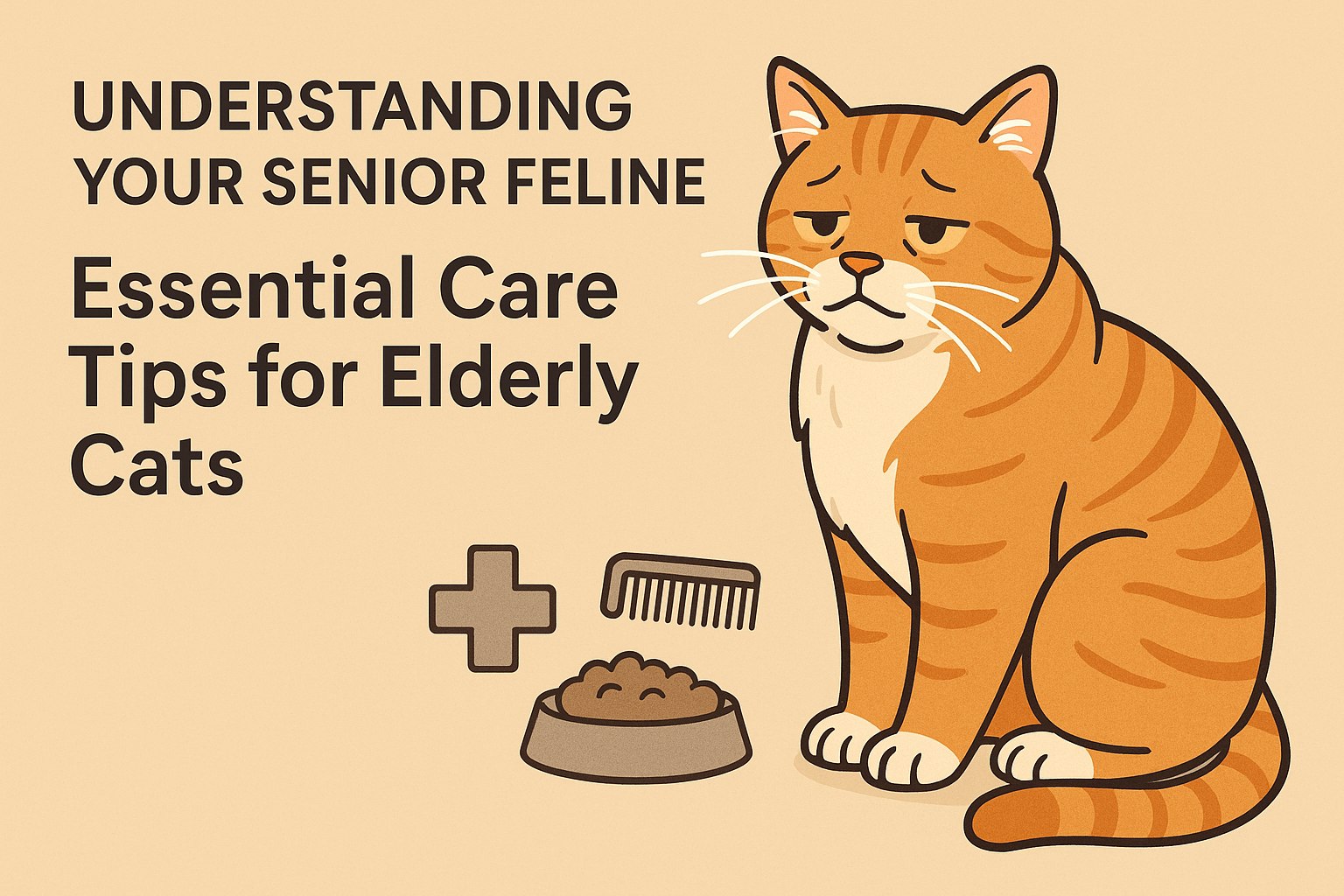
As our beloved cats age, they undergo significant changes in their physical and mental health. Understanding the needs of a senior feline is vital to ensuring they lead comfortable, healthy lives as they enter their golden years. This comprehensive guide will delve into essential care tips designed specifically for elderly cats, covering aspects from nutrition and health monitoring to environmental considerations and emotional support.
Recognizing the Signs of Aging in Cats
Just like humans, cats progress through different life stages, typically categorized as follows:
- Young adult: 1-6 years
- Adult: 7-10 years
- Senior: 11-14 years
- Geriatric: 15+ years
As they transition into their senior years, you may notice various changes, including:
- Decreased energy and increased sleeping
- Changes in appetite and weight
- Altered grooming habits
- Behavioral shifts, such as increased vocalization or withdrawal
- Joint stiffness or mobility issues
Essential Tips for Care
Nutritional Needs
Proper nutrition plays a pivotal role in maintaining the health of elderly cats. As cats age, their dietary requirements may shift due to decreased metabolism and changing activity levels. Consider the following tips:
- High-Quality Diet: Invest in high-quality cat food that is specifically formulated for seniors. Look for options that are rich in protein, fiber, and essential fatty acids while being low in fillers and artificial additives.
- Hydration: Ensure your cat stays hydrated. Offer fresh water daily and consider wet food as part of their diet, as it provides added moisture.
- Weight Management: Keep an eye on their weight. Obesity can exacerbate health issues. Consult with your veterinarian for appropriate portion sizes and diet plans.
Regular Veterinary Check-Ups
Regular vet visits become increasingly important as your cat ages. Routine check-ups can help catch potential health issues early. During these visits, your veterinarian may:
- Conduct physical exams
- Run blood tests to monitor kidney function, liver enzymes, and thyroid levels
- Check for dental issues
- Perform vaccinations and parasite prevention
Maintaining a Comfortable Environment
Your home environment should cater to the needs of a senior cat. Consider implementing the following changes:
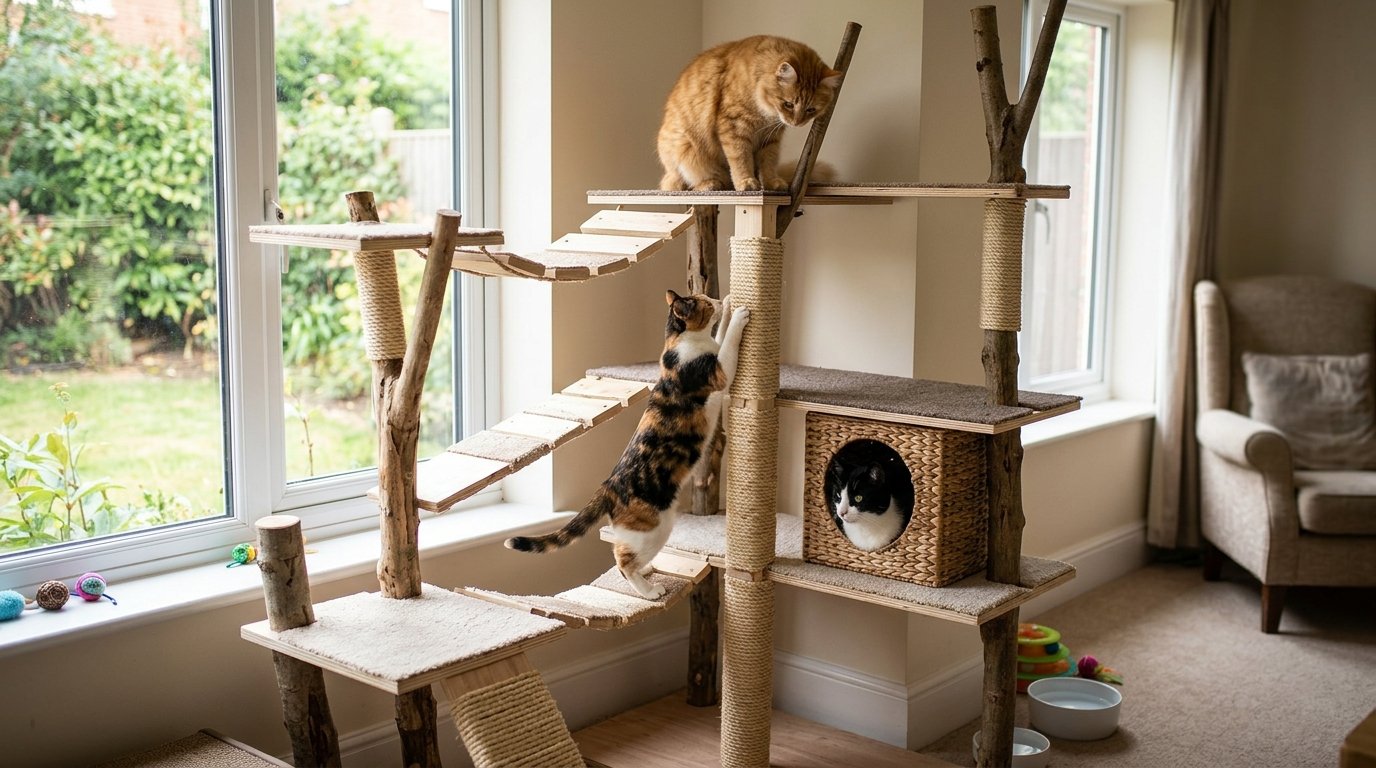
- Accessible Resources: Ensure food, water, and litter boxes are easy to reach. Avoid high jumps or stairs if your cat has mobility issues.
- Soft Sleeping Areas: Provide multiple soft resting spots throughout your home. Older cats benefit greatly from warm, cozy places to relax.
- Safety Considerations: Keep hazardous items out of reach and reduce potential falling hazards to accommodate any mobility concerns.
Encouraging Gentle Exercise
While senior cats may not play as vigorously as they once did, gentle exercise is critical in managing their weight and maintaining joint health. Here are some suggestions:
- Engage them with interactive toys that require minimal physical exertion.
- Introduce gentle play sessions to stimulate their minds and bodies.
- Encourage slow, short walks around safe areas in your home.
Dental Care
Dental health is often overlooked, yet it plays a crucial role in your cat’s overall well-being. Senior cats are particularly at risk for dental diseases. To maintain oral health:
- Brush your cat’s teeth regularly with a toothbrush and toothpaste designed for felines.
- Provide dental treats and toys that can help rid plaque and tartar.
- Schedule routine dental check-ups with your veterinarian.
Monitoring Behavioral and Physical Changes
Pay close attention to your cat’s behavior and physical condition. Noticing changes can help catch health issues early. Be vigilant for:
- Changes in grooming habits (excessive grooming or neglect)
- Altered drinking or eating patterns
- Signs of pain, such as limping or sensitivity when picked up
- Changes in litter box habits
Emotional Well-Being
Senior cats may experience loneliness and anxiety as they age, especially if they lose companions. To support their mental health:
- Maintain Routine: Keep feeding and playtimes consistent to give them a sense of security.
- Interactive Time: Spend quality time with your cat through gentle play or cuddling.
- Comfort Items: Provide them with toys or blankets from their younger years to evoke a sense of familiarity.
Managing Chronic Conditions
It’s not uncommon for senior cats to develop chronic conditions like arthritis, diabetes, or kidney disease. Managing these conditions often involves:
- Working closely with your veterinarian to create an effective management plan.
- Adjusting diets to accommodate any specific health needs.
- Incorporating medications or supplements as recommended.
Assistance Devices
Consider investing in products designed to assist senior cats with mobility issues, such as ramps, orthopedic beds, or elevated litter boxes. These can enhance your cat’s quality of life and independence.
Conclusion
Caring for a senior feline demands understanding, patience, and attention. By acknowledging the unique needs of elderly cats and implementing the suggested care tips, you can significantly enhance their quality of life. Your furry companion has provided love and companionship throughout their life; now it’s your turn to ensure they feel comfortable and cared for in their later years. Remember to regularly consult with your veterinarian and seek advice tailored to your specific cat’s health conditions and needs.
Frequently Asked Questions (FAQs)
Q1: At what age is a cat considered a senior?
A: Cats are generally considered seniors around the age of 11. However, many factors can affect aging, so individual cats may show signs of aging earlier or later.
Q2: How can I tell if my senior cat is in pain?
A: Common signs of pain include changes in appetite, excessive hiding, decreased grooming, vocalizations, or changes in litter box habits. If you notice any of these behaviors, consult your veterinarian.
Q3: Should I change my senior cat’s diet?
A: Yes, as your cat ages, their dietary requirements may change. It’s best to transition to food specifically formulated for senior cats, focusing on high-quality ingredients and proper nutrition.
Q4: How often should I take my senior cat to the vet?
A: Ideally, senior cats should be seen by a veterinarian at least every six months for a check-up. This allows for early detection of potential health issues.
Q5: Can senior cats still play?
A: Absolutely! While they may not play as energetically, gentle engagement and stimulating toys can still be enjoyable and beneficial for their well-being.