Paws and Effect: Understanding Cat Behavior Through Their Sitting Patterns
Cats are fascinating creatures, known for their independent nature and playful antics. Understanding their behavior can offer valuable insights into their needs and emotions. One of the subtle yet significant ways cats communicate is through their sitting patterns. In this article, we will explore the various sitting positions of cats, what they mean, and what insights they provide into a cat’s mental state, health, and environment.
1. The Importance of Observation
Your cat’s behavior is often a reflection of their environment and how they feel in it. By paying attention to how your cat sits, you can gain a better understanding of their comfort levels, emotional states, and even signs of illness. Observing sitting patterns is crucial because it can:
- Help identify stress or anxiety in your cat.
- Provide clues about their physical health.
- Indicate their level of confidence or fear.
- Enhance your bond with your feline friend by becoming attuned to their needs.
2. Basic Sitting Positions and Their Meanings
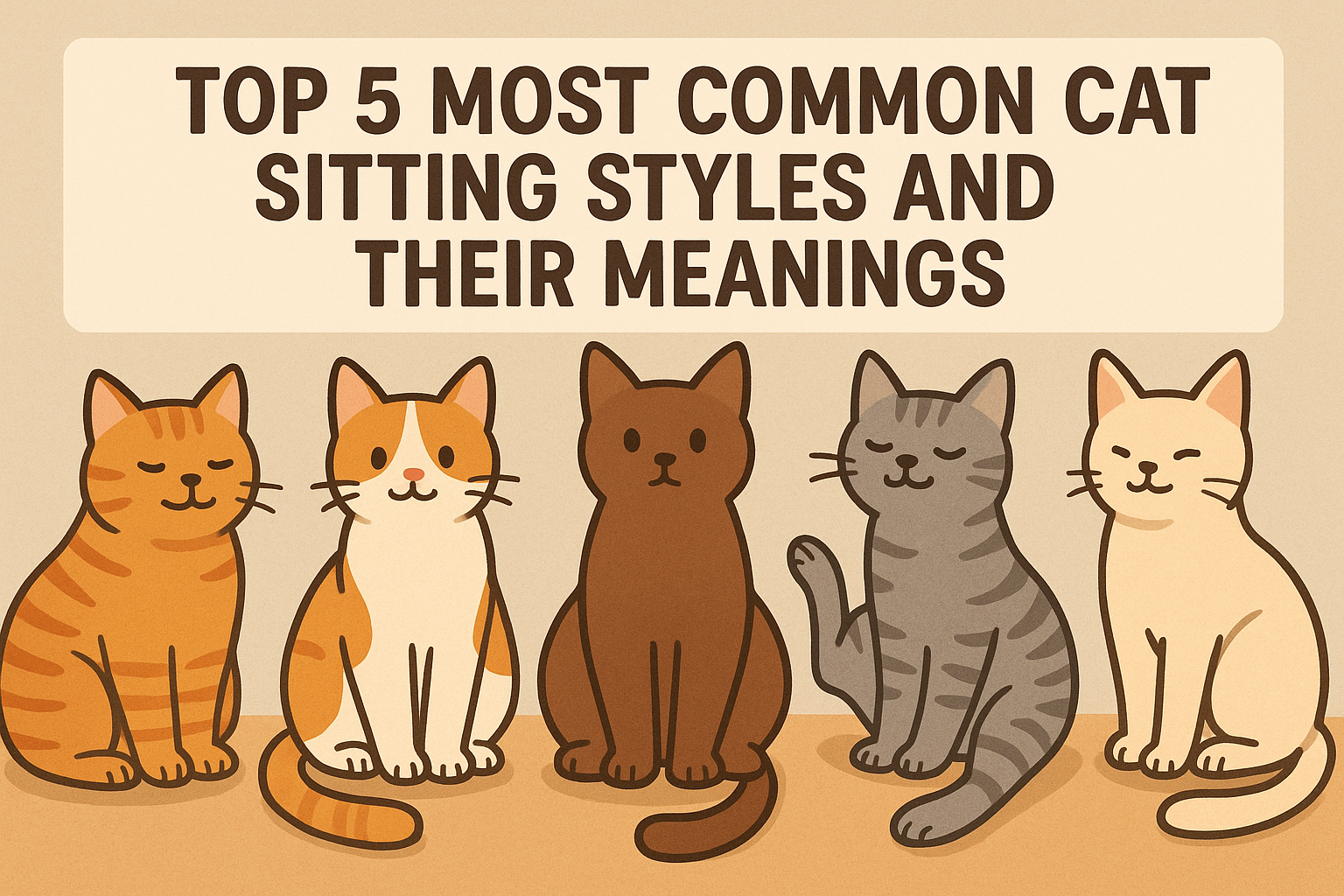
Cats exhibit various sitting positions, each conveying different messages. Here are some common sitting styles and what they typically indicate:
2.1. The Classic Sit
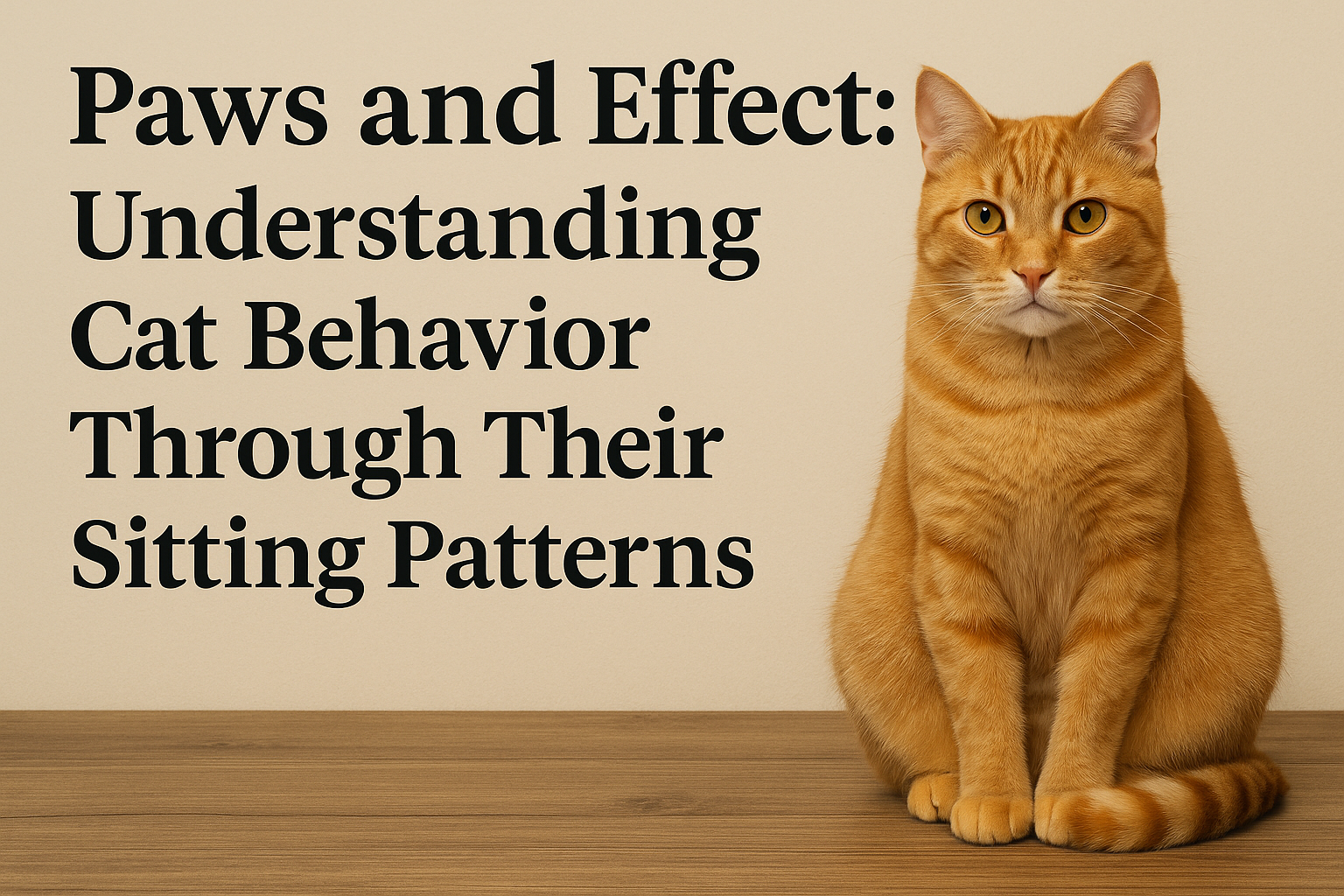
The classic sit (where the cat is upright with their legs tucked under them) is one of the most common sitting positions. This posture signifies that the cat is relaxed and comfortable in their environment. Cats often adopt this position when they feel safe and are observing their surroundings.
2.2. The Crouch
A crouched position, where a cat sits low to the ground with their body compacted, could indicate various things. It might suggest that the cat is feeling defensive or apprehensive. If your cat frequently adopts this position, it may be beneficial to evaluate their environment for potential stressors.
2.3. The Sprawl
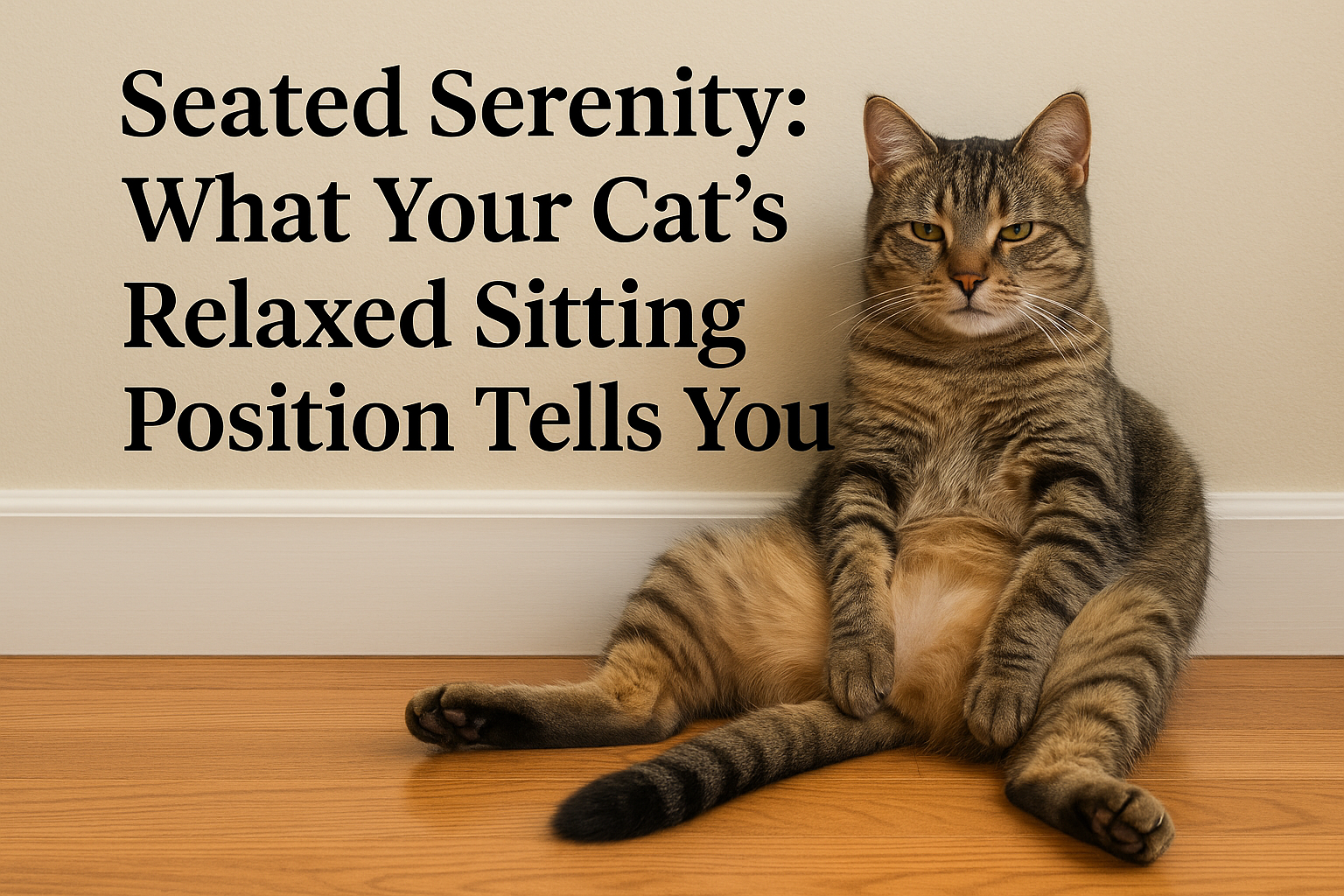
When cats sprawl out, lying on their sides or backs with limbs extended, it indicates they feel incredibly relaxed and trust their surroundings. This is a sign of complete comfort, so if your cat sprawls out in front of you, consider it a compliment to your ability to create a safe environment.
2.4. The Perch
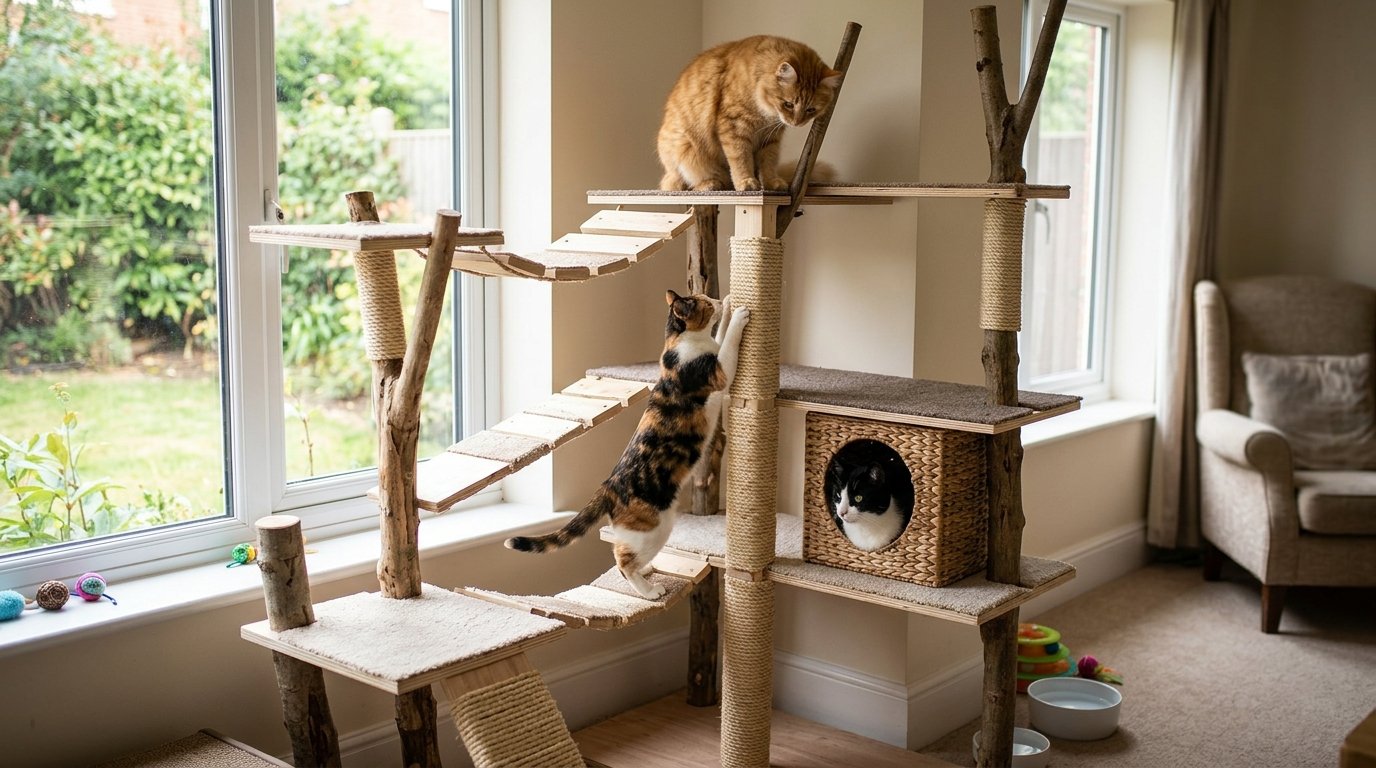
Cats love to sit in elevated positions. If you find your cat sitting on a shelf or the back of a couch, this is natural behavior. They seek a vantage point to observe their territory. Sitting high helps a cat feel in control and can also come from a predator instinct, allowing them to scan for potential threats.
3. The Impact of Location on Sitting Behavior
The location where a cat chooses to sit can reveal much about their mood and desires. Here are some common spots where cats sit and what they could indicate:
3.1. Near the Owner
When cats choose to sit close to their owners, it suggests they feel secure and want to bond. This behavior reflects affection and a desire for companionship. However, if your cat typically sat near you and suddenly stops, this could indicate possible stress or discomfort.
3.2. Hidden Corners
Conversely, if a cat retreats to hidden corners or enclosed spaces, it may be feeling anxious or stressed. Cats often seek out small or dark areas when they want to hide from perceived threats or when they’re not feeling well.
3.3. Doorways and Windows
Cats often like to sit in doorways or by windows. This behavior allows them to observe the outside world and feel in control of their territory. Their placement often suggests curiosity, and if your cat frequently does this, consider providing more opportunities for observation, like a perch by the window.
4. Changes in Sitting Patterns
Changes in a cat’s sitting patterns can be a sign of underlying health issues or behavioral problems. Below are a few changes to watch for:
4.1. Sudden Changes
If your cat suddenly changes their sitting position or avoids sitting altogether, it may be cause for concern. This could indicate pain or discomfort, especially if accompanied by other signs such as limping, vocalizing, or a change in appetite.
4.2. Reluctance to Sit
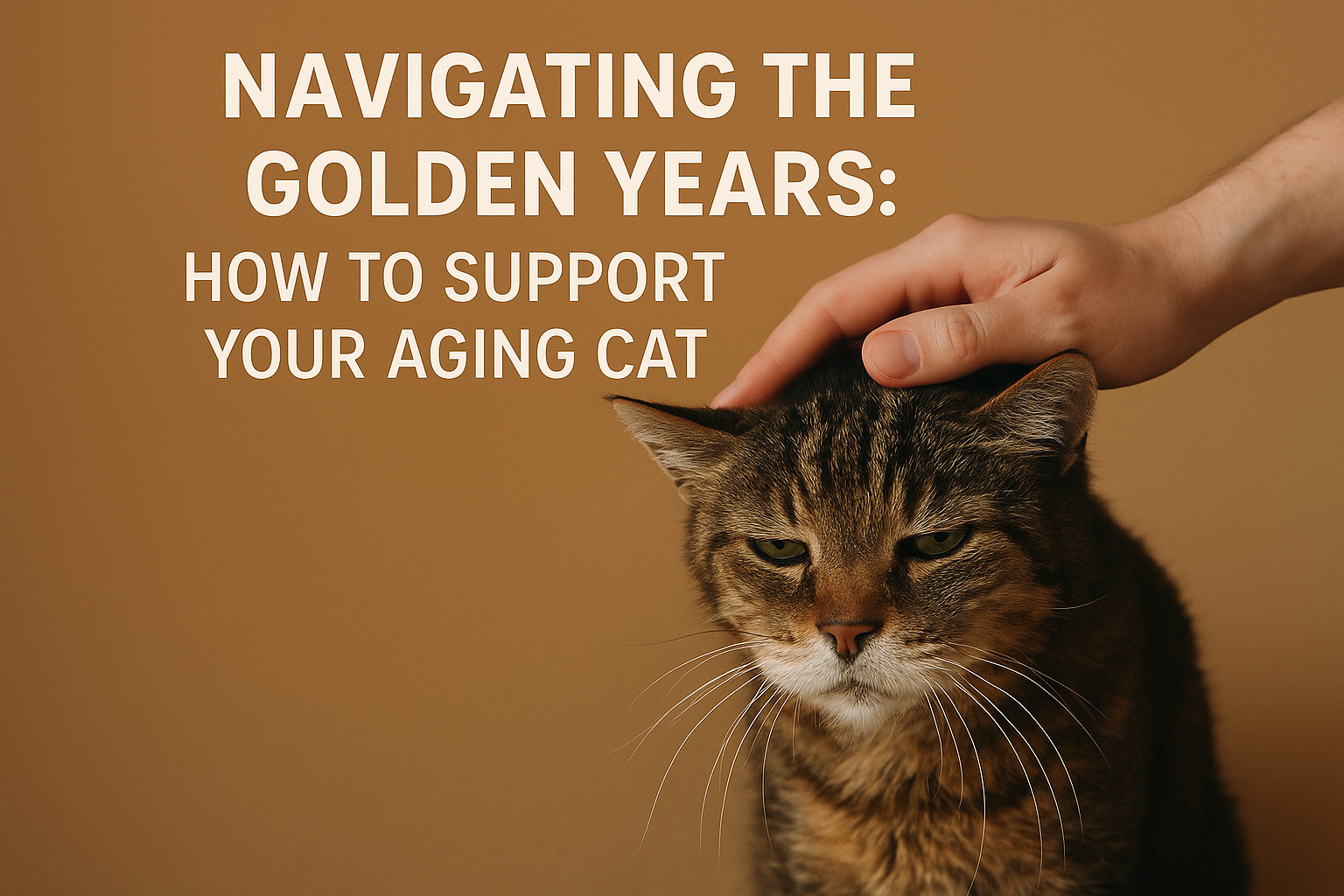
A cat that is hesitant to sit might be experiencing joint pain or other health issues. This common behavior can be observed in older cats who might have arthritis or other age-related conditions. Consulting with a veterinarian is advisable if you notice significant reluctance in sitting.
4.3. Increased Aggression or Fear
Increased aggression or fear can also manifest in changes in a cat’s sitting pattern. A normally confident cat that suddenly crouches or hides may be reacting to changes in their environment. This could be due to new pets, unfamiliar people, or even changes in household dynamics.
5. The Importance of Context in Understanding Cat Behavior
Understanding cat behavior through their sitting patterns necessitates context. Several factors can influence a cat’s behavior:
5.1. Environmental Changes
Changes in the home environment, such as moving, changes in routine, or adding new pets, can significantly affect a cat’s behavior and sitting patterns. Cats thrive on routine, and any changes can lead to stress or anxiety.
5.2. Socialization and Relationships
A cat’s relationship with its owner or other pets also plays a crucial role in its sitting behavior. Trust and security foster relaxed behaviors, while perceived threats can lead to more guarded or defensive sitting positions.
5.3. Health and Age
A cat’s health status and age will also influence their sitting patterns. Kittens are generally more playful and may sit differently than older cats, who may prefer more comfortable and supported positions.
6. How to Encourage Healthy Sitting Behavior
Promoting healthy sitting behavior in your cat includes providing a secure environment and understanding their needs. Here are some tips:
6.1. Create Safe Spaces
Provide safe and cozy spaces for your cat to retreat to when feeling anxious. Cat trees, hiding spots, or quiet corners with soft bedding will encourage relaxed sitting behavior.
6.2. Maintain a Routine
Maintaining a consistent daily routine helps cats feel secure and reduces anxiety. This includes regular feeding, playtime, and grooming schedules.
6.3. Encourage Interaction
Spend quality time with your cat and encourage play. Engaging your cat through interactive play will build trust and strengthen your bond, often leading to more relaxed sitting patterns.
6.4. Monitor Health
Regular vet visits are essential for monitoring your cat’s health. Staying on top of vaccinations, dental care, and overall wellness will help detect potential issues early.
Conclusion
Understanding your cat’s behavior through their sitting patterns can provide valuable insights into their emotions and well-being. By observing their positions and considering the context of their environment, relationships, and health, you can foster a supportive and understanding relationship with your feline friend. Remember, each cat is unique, and their behaviors can vary widely based on personality and experiences. Maintaining open lines of communication through observation will not only help you better understand your pet but enrich your connection with them. By ensuring a calm and secure environment, you can promote happy and healthy behaviors in your beloved cat.
FAQs
1. Why does my cat sit with their back to me?
Cats often sit with their back to you as a sign of trust. This position indicates that they feel safe in your presence and are comfortable enough to turn away from potential threats.
2. What should I do if I notice a change in my cat’s sitting patterns?
If you notice a significant change in your cat’s sitting behavior, observe for other symptoms like changes in appetite, grooming habits, or vocalizations. If these changes persist, consider consulting a veterinarian.
3. How can I tell if my cat is relaxed?
A relaxed cat may sit upright with eyes half-closed, which indicates a calm demeanor. Additionally, cats that stretch or sprawl out in soft areas are usually in a state of comfort.
4. Do cats prefer particular sitting spots?
Yes, cats often have preferred sitting spots that provide comfort, warmth, and observation opportunities. Providing various options can help cater to your cat’s preferences.
5. Can I change my cat’s sitting behavior?
While you cannot change a cat’s natural instincts, fostering a safe and enriching environment can encourage healthier sitting behaviors, like more relaxation and confidence.