
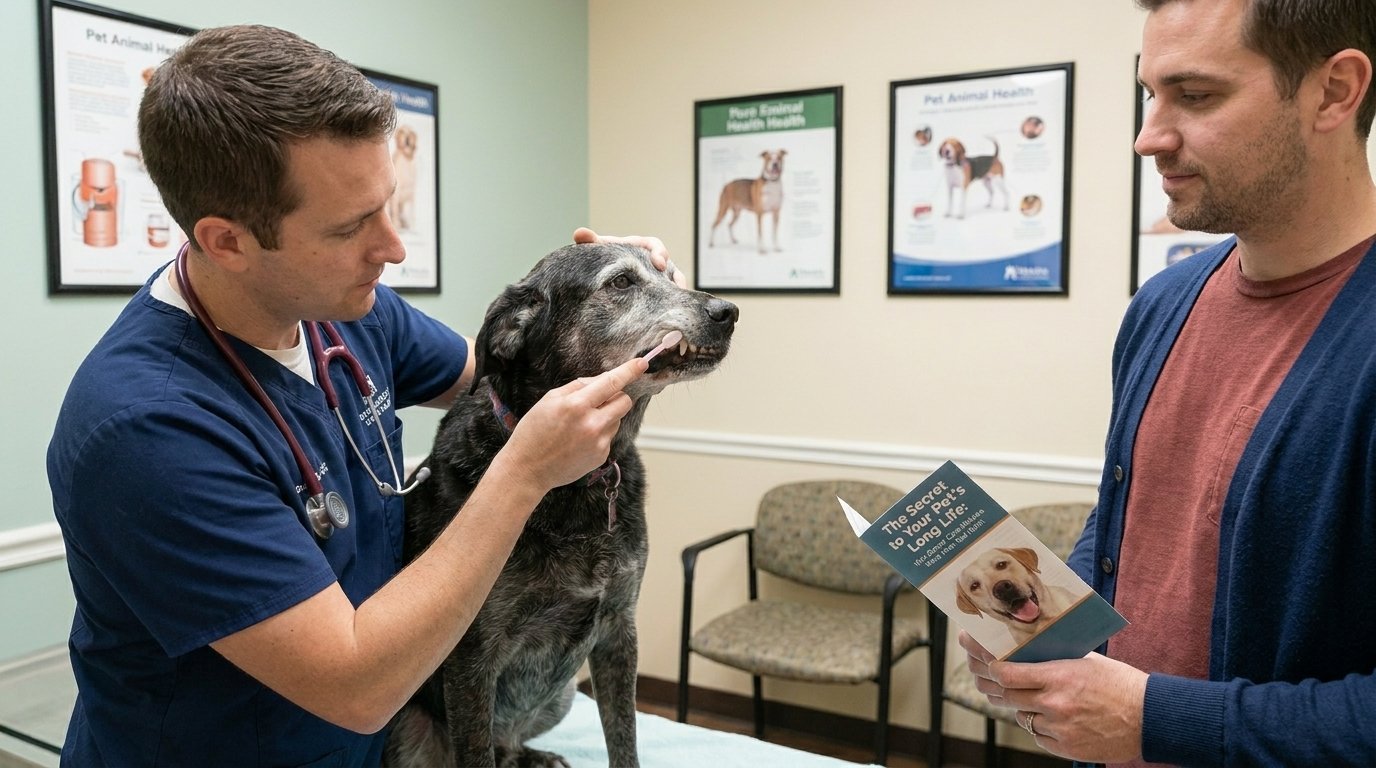
Discover why pet dental care is crucial for a long, healthy life. Learn practical tips, recognize signs, and implement effective strategies to protect your furry friend’s smile.
Few aspects of pet ownership are as overlooked as pet dental care, yet its impact on your companion’s longevity and quality of life is profound. Many pet parents assume that an occasional chew toy or dry kibble is enough to maintain oral hygiene, but the truth is far more complex. Neglecting your pet’s teeth can lead to a cascade of health issues, often silently, until they become severe and painful. Understanding the vital role of comprehensive dental care can empower you to give your beloved animal the best possible chance at a long, happy, and healthy existence.
This isn’t just about preventing bad breath; it’s about safeguarding their entire systemic health. The mouth is a gateway to the body, and infections originating there can travel, impacting vital organs. By focusing on consistent dental care, you’re investing in years of joyful companionship.
The Silent Threat: Understanding Pet Dental Disease
Periodontal disease is the most common clinical condition in adult dogs and cats, affecting over 80% of pets by the age of three. This staggering statistic highlights a widespread problem, often going unnoticed by owners until it reaches advanced stages. The progression of dental disease begins subtly, making early intervention critical for effective dental care.
It starts with plaque, a sticky film of bacteria, saliva, and food particles that constantly forms on your pet’s teeth. If not removed, plaque hardens into calculus (tartar) within a few days. Tartar, with its rough surface, attracts more plaque and creates a perfect environment for bacterial growth, both above and below the gum line.
This accumulation of bacteria and tartar irritates the gums, leading to gingivitis – an inflammation that manifests as redness, swelling, and bleeding. Gingivitis is reversible with proper dental care. However, if left untreated, it progresses to periodontitis, a more severe and irreversible condition where the infection spreads beneath the gums, attacking the bone and ligaments supporting the teeth. This can lead to painful abscesses, tooth loss, and even jaw fractures in extreme cases.
Beyond Bad Breath: Systemic Health Risks
The consequences of untreated dental disease extend far beyond the mouth. The bacteria thriving in an infected mouth don’t stay confined; they can enter the bloodstream and travel to other parts of the body. This systemic spread poses significant risks to your pet’s overall health and well-being.
Organs most commonly affected by this bacterial shower include the heart, kidneys, and liver. For instance, bacteria from severe dental infections can lead to heart valve damage or exacerbate existing heart conditions. Kidney and liver function can also be compromised, leading to chronic diseases that significantly shorten your pet’s lifespan. The pain associated with advanced dental disease can also drastically reduce a pet’s quality of life, leading to changes in eating habits, irritability, and a general lack of enthusiasm for activities they once enjoyed. Prioritizing pet dental care is a proactive step towards preventing these severe, often life-threatening, complications.
Recognizing the Warning Signs: Is Your Pet Suffering?
Pets are remarkably stoic creatures, often masking pain and discomfort as an instinctual survival mechanism. This makes it challenging for owners to detect the early signs of dental problems. By the time symptoms become obvious, the dental disease is often advanced and more difficult to treat, emphasizing the importance of vigilant dental care observation.
Regularly examining your pet’s mouth and being aware of subtle changes in their behavior are crucial. Even minor shifts can indicate underlying issues that require professional attention. Early detection through consistent dental care can prevent unnecessary suffering and more invasive treatments.
Key Indicators of Poor Dental Care
Observing your pet’s mouth and behavior can provide vital clues to their oral health. While some signs are more obvious, others might be subtle and easily missed without careful attention. Implementing a routine of checking for these indicators is a cornerstone of effective dental care.
– Bad breath (halitosis): This is often the first sign owners notice, but it’s a clear indicator of bacterial overgrowth and potential infection, not just a minor issue.
– Red, swollen, or bleeding gums: Healthy gums should be pink and firm. Inflammation or bleeding, especially when touched or during eating, points to gingivitis or periodontitis.
– Difficulty eating or loss of appetite: Pets may show reluctance to eat hard food, chew on one side of their mouth, drop food, or even stop eating entirely due to oral pain.
– Pawing at the mouth or excessive drooling: These are clear signs of discomfort. Excessive drooling, especially if tinged with blood, demands immediate veterinary attention for dental care.
– Loose or missing teeth: This indicates advanced periodontal disease where the supporting structures of the tooth have been severely compromised.
– Yellow or brown tartar on teeth: Visible tartar is an accumulation of mineralized plaque, a breeding ground for bacteria and a sign that professional cleaning is overdue.
– Changes in behavior: A pet experiencing chronic oral pain might become irritable, withdrawn, lethargic, or less interested in play. They might also resist having their head or mouth touched.
If you notice any of these signs, it’s imperative to schedule an appointment with your veterinarian. They can conduct a thorough oral examination and recommend the appropriate course of action, which typically includes professional dental cleaning and ongoing home dental care strategies.
Proactive Dental Care: Strategies for a Healthy Smile
The good news is that most dental diseases are preventable or manageable with a consistent, proactive approach to dental care. Just like with human dental health, a combination of professional cleanings and diligent at-home care is the most effective strategy for your pet. Implementing these strategies is fundamental to ensuring your pet enjoys a lifetime of good oral health.
Professional Veterinary Dental Care
Regular professional dental cleanings by a veterinarian are the cornerstone of effective pet dental care. These procedures go far beyond what can be achieved at home and are crucial for addressing issues below the gum line.
Your vet will likely recommend annual dental check-ups, and depending on your pet’s age, breed, and existing oral health, professional cleanings under anesthesia may be advised every 1-3 years. During these cleanings, your pet is safely anesthetized to allow for a thorough examination and cleaning without pain or stress. Modern anesthesia protocols, including pre-anesthetic blood work, intravenous fluids, and continuous monitoring, have significantly reduced the risks associated with these procedures. The benefits of a healthy mouth far outweigh the minimal risks of anesthesia when properly administered.
A professional dental cleaning typically involves several key steps:
– A full oral examination: This includes inspecting every tooth, the gums, tongue, and other oral tissues.
– Dental X-rays: Crucial for evaluating the health of the tooth roots, jawbone, and detecting problems hidden below the gum line, such as abscesses or bone loss. Without X-rays, about two-thirds of dental disease can be missed.
– Ultrasonic scaling: A specialized instrument is used to remove plaque and tartar from above and below the gum line.
– Hand scaling: Fine hand instruments are used to remove any remaining calculus and smooth the tooth surfaces.
– Polishing: The teeth are polished to create a smooth surface, which helps to delay the reattachment of plaque.
– Fluoride treatment: May be applied to strengthen enamel and reduce tooth sensitivity.
– Extractions: If teeth are severely damaged, infected, or cause significant pain, they may need to be extracted to prevent further complications and improve your pet’s comfort.
At-Home Dental Care Routines
While professional cleanings are essential, at-home dental care is vital for maintaining oral hygiene between veterinary visits. Daily care is the most effective way to prevent plaque and tartar buildup and is a critical component of a comprehensive dental care plan. Consistency is key for success.
Brushing Your Pet’s Teeth
Brushing your pet’s teeth is the gold standard for at-home dental care. It effectively removes plaque before it hardens into tartar. Start slowly and make it a positive experience, especially for puppies and kittens. Regular brushing, ideally daily or at least several times a week, can make a significant difference.
– Choose the right tools: Use a pet-specific toothbrush (finger brush or long-handled brush) and toothpaste. Human toothpaste contains ingredients like xylitol and fluoride that are toxic to pets. Pet toothpastes come in appealing flavors like poultry or beef.
– Introduce gradually: Let your pet lick some pet toothpaste from your finger first. Then, gently rub a small amount on their gums and teeth.
– Start with short sessions: Focus on the outside surfaces of the upper teeth, as this is where plaque tends to accumulate most. Gradually increase the duration as your pet becomes more comfortable.
– Reward and praise: Always follow brushing with praise, a treat, or playtime to create a positive association.
Dental Chews and Treats
High-quality dental chews and treats can supplement, but not replace, brushing. Look for products approved by the Veterinary Oral Health Council (VOHC). VOHC-approved products have been scientifically proven to reduce plaque and/or tartar. Many work by their abrasive action as the pet chews, scraping away plaque. Others contain ingredients that actively reduce plaque and tartar formation.
Dental Diets
Specialized dental diets are formulated with unique kibble shapes and textures designed to scrub the tooth surface as your pet chews, reducing plaque and tartar. Some dental diets also contain ingredients that chemically prevent plaque buildup. These diets can be a valuable part of a comprehensive dental care program, especially for pets resistant to brushing. Water additives are another option; they contain antiseptic ingredients that help reduce bacteria in the mouth and can be easily added to your pet’s drinking water.
Comparison of At-Home Dental Care Products
Choosing the right at-home dental care products can be overwhelming with so many options available. This comparison table highlights popular categories to help you decide which might be best for your pet’s dental care routine.
| Product | Price | Pros | Cons | Best For |
|---|---|---|---|---|
| Pet Toothbrush & Toothpaste Kit | $15-$30 | Most effective for plaque removal, direct cleaning action, variety of flavors. | Requires pet cooperation, needs consistent daily effort. | Owners committed to daily brushing, pets tolerant of mouth handling. |
| VOHC-Approved Dental Chews | $20-$40 (for a month’s supply) | Easy to administer, pets usually enjoy them, some actively reduce plaque/tartar. | Not a substitute for brushing, calorie content needs monitoring, some pets chew too quickly. | Pets who resist brushing, supplemental dental care, reward for good behavior. |
| Dental Water Additive | $10-$25 | Very easy to use (add to water bowl), continuous action throughout the day. | Less effective than brushing or specific chews, some pets may dislike taste. | Pets completely resistant to brushing/chews, mild plaque control. |
| Specialized Dental Diet Kibble | $30-$70 (per bag) | Comprehensive daily dental care with every meal, good for large breeds. | Can be more expensive than regular kibble, requires changing pet’s primary diet. | Pets needing significant dental support, those with resistant dental disease, long-term prevention. |
Busting Myths and Common Misconceptions About Dental Care
Several persistent myths about pet dental health can inadvertently lead to neglect and serious health problems for our animal companions. Addressing these misconceptions is crucial for promoting effective dental care practices among pet owners. Dispelling these ideas empowers owners to make informed decisions for their pet’s health.
Myth 1: Dogs/Cats Clean Their Own Teeth
Many owners believe that because wild animals don’t brush their teeth, their domesticated pets don’t need to either. Or they think that chewing on hard toys or dry kibble is sufficient. This is a dangerous misconception. While chewing can help remove *some* plaque from the outer surfaces of certain teeth, it is nowhere near as effective as a comprehensive dental care routine. Wild animals also tend to have shorter lifespans and often suffer from severe dental disease, which can be a factor in their reduced longevity.
Furthermore, feeding bones for dental cleaning can be extremely risky. Bones can splinter, causing oral injuries, gastrointestinal blockages, or fractured teeth. Always consult your vet about appropriate dental chews and toys.
Myth 2: Bad Breath is Normal for Pets
While “dog breath” or “cat breath” is often accepted as a normal part of pet ownership, it’s actually a significant warning sign. Bad breath (halitosis) is almost always an indicator of bacterial overgrowth in the mouth, often due to plaque and tartar buildup, gingivitis, or periodontal disease. Ignoring bad breath means ignoring a potential infection that can lead to pain and systemic health issues. True dental care starts with recognizing this symptom as abnormal.
Myth 3: Anesthesia is Too Risky
The concern about anesthesia is common and understandable. However, modern veterinary anesthesia protocols have made procedures, including dental cleanings, very safe. Before any anesthetic procedure, your veterinarian will perform a thorough physical exam and often recommend pre-anesthetic blood tests to assess your pet’s organ function. During the procedure, your pet’s vital signs are continuously monitored by trained personnel, including heart rate, respiration, blood pressure, and oxygen levels. The risks of *not* performing necessary dental care, such as chronic pain, widespread infection, and organ damage, often far outweigh the minimal risks associated with modern anesthesia. Discuss any concerns you have with your veterinarian to understand the specific safety measures taken for your pet.
The Long-Term Benefits of Consistent Pet Dental Care
Investing time and effort into your pet’s dental care yields immense returns, significantly impacting their overall quality of life and potentially extending their lifespan. The benefits are far-reaching and contribute to a happier, healthier companion for many years to come.
One of the most immediate benefits is improved comfort and freedom from pain. Pets suffering from dental disease experience chronic pain that can make eating, playing, and even resting a struggle. Resolving these issues allows them to enjoy their food, interact more positively, and generally live a more joyful life. This enhanced comfort is a direct result of diligent dental care.
Consistent dental care also dramatically reduces the risk of serious systemic health problems. By preventing bacteria from entering the bloodstream and affecting vital organs like the heart, kidneys, and liver, you are actively protecting your pet from debilitating and life-shortening diseases. This preventative approach can save you significant veterinary costs in the long run by avoiding expensive treatments for advanced organ disease. Furthermore, a healthy mouth means your pet retains their teeth longer, allowing them to eat properly and maintain good nutrition throughout their life. This contributes to better digestion and overall vitality.
Ultimately, prioritizing your pet’s dental care is an act of profound love. It translates into more years of companionship, a better quality of life for your pet, and the peace of mind knowing you’ve done everything possible to keep them healthy and happy. Make dental health a priority, and you’ll see a noticeable difference in your furry friend’s well-being.
The journey to optimal pet health is multifaceted, and dental care stands as one of its most critical, yet often underestimated, pillars. From understanding the silent progression of periodontal disease to recognizing subtle warning signs, and implementing a robust routine of both professional and at-home care, every step you take contributes significantly to your pet’s longevity. Remember, a healthy mouth is a gateway to a healthy body, preventing systemic infections and ensuring your beloved companion enjoys comfort and vitality for years to come. Don’t let misconceptions or procrastination compromise their well-being. Take action today to protect their precious smile and enhance their overall health.
For more insights or collaboration opportunities, visit www.agentcircle.ai.
Frequently Asked Questions (FAQ)
How often should my pet have a professional dental cleaning?
Most veterinarians recommend annual dental check-ups, with professional cleanings under anesthesia typically advised every one to three years, depending on your pet’s age, breed, and the severity of plaque and tartar buildup. Your vet will assess your pet’s oral health and provide a personalized recommendation.
Is it really necessary to brush my pet’s teeth?
Yes, brushing is the most effective form of at-home dental care. It physically removes plaque before it hardens into tartar, significantly reducing the risk of dental disease. Aim for daily brushing or at least several times a week using pet-specific toothpaste and a soft brush.
What is VOHC approval?
VOHC stands for the Veterinary Oral Health Council. Products bearing the VOHC seal have met rigorous scientific standards for reducing plaque and/or tartar in pets. This approval ensures that a dental product has proven efficacy, making it a reliable choice for supplemental dental care.
Can dental chews replace brushing?
No, dental chews are an excellent supplement to brushing, but they cannot fully replace the comprehensive cleaning achieved through regular brushing or professional veterinary cleanings. While VOHC-approved chews can help reduce plaque and tartar, they often don’t reach all tooth surfaces effectively.
My pet is old, is dental care still important?
Absolutely. Dental care is crucial for older pets. Periodontal disease can be particularly painful for seniors, making eating difficult and contributing to overall discomfort. Addressing dental issues can significantly improve their quality of life, prevent systemic health complications, and even extend their healthy years. Modern anesthesia protocols are safe for most senior pets after proper pre-anesthetic screening.
 PRINCE2030