Puppy Potty Training Secrets Unlocked Your 2026 Guide to a Clean Home
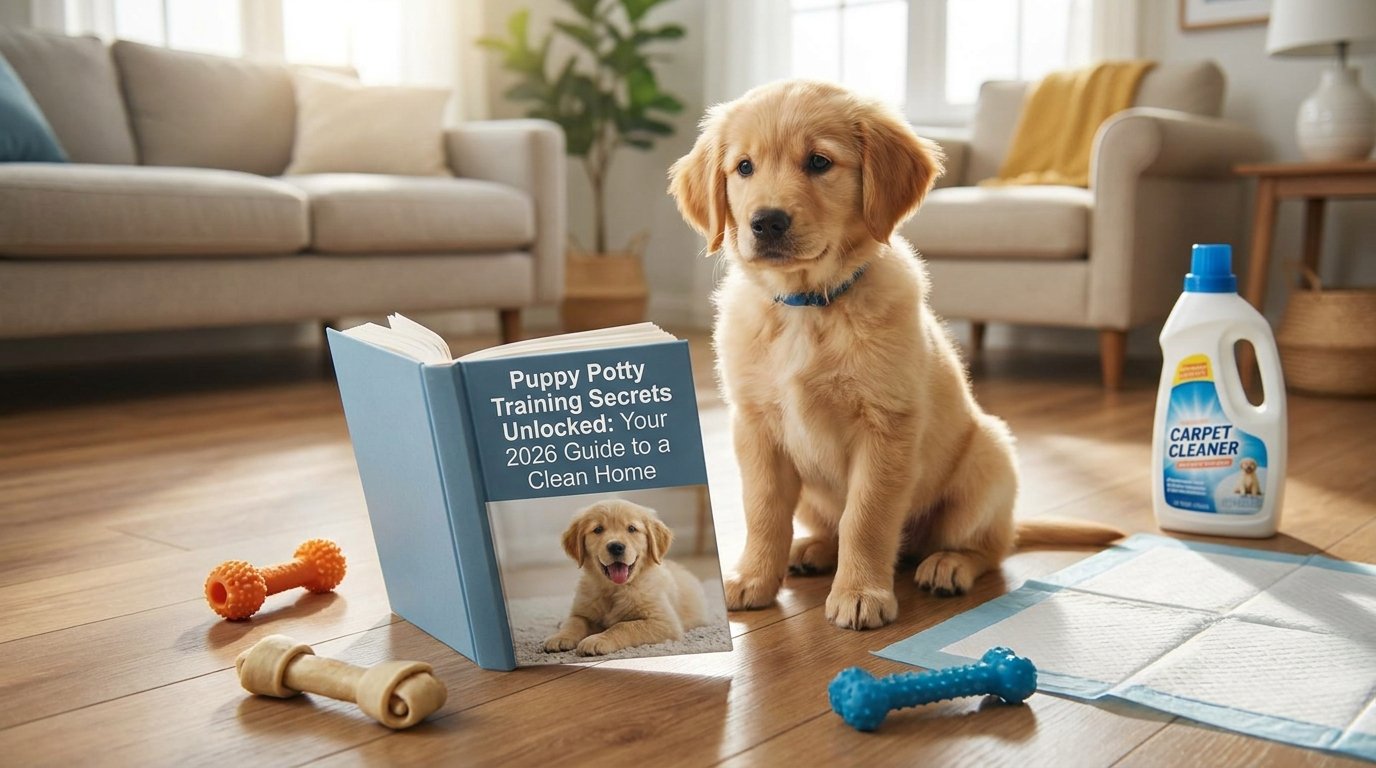
Unlock puppy potty training secrets for a clean home in 2026! Get expert tips, proven strategies, and essential tools for successful housebreaking.
Bringing a new puppy into your home is an incredibly exciting time, filled with playful moments and endless cuddles. However, the initial weeks often come with a significant challenge: housebreaking. Successful potty training is crucial for establishing a harmonious living environment for both you and your furry friend. It lays the groundwork for future behavior and prevents frustration down the line. This comprehensive guide will unlock the secrets to effective puppy potty training, ensuring a clean home and a happy, well-adjusted dog. We’ll delve into the latest strategies, essential tools, and expert insights to make your potty training journey smooth and stress-free.
Setting the Foundation: Understanding Your Puppy’s Needs
Effective puppy potty training begins with understanding your new family member’s biological and developmental needs. Puppies have small bladders and limited control, meaning they need frequent opportunities to relieve themselves. Expect to take them out much more often than an adult dog.
Establishing a predictable routine from day one is paramount. This helps your puppy learn when and where they are expected to go, minimizing accidents. A consistent schedule reduces anxiety and builds confidence in your puppy.
Puppy Development and Bladder Control
A puppy’s ability to hold its bladder develops over time. Generally, a puppy can hold its bladder for one hour for every month of its age, up to about 8-10 hours. So, a 3-month-old puppy can typically hold it for about three hours.
This rule of thumb is a good starting point but remember that individual puppies vary. Some might need to go out more frequently, especially after waking up, eating, or playing. Understanding these developmental stages is key to patient and successful potty training.
Creating a Potty Training Schedule
A consistent schedule is the backbone of successful potty training. Your puppy thrives on predictability, and knowing when to expect their next potty break reduces the likelihood of accidents. This schedule should integrate feeding times, play, and sleep.
Here’s a typical schedule framework you can adapt:
- First thing in the morning: Immediately take your puppy outside.
- After every meal or drink: Within 5-15 minutes of eating or drinking.
- After waking up from naps: Always head outside.
- After playtime: A vigorous play session often stimulates the bladder.
- Before bedtime: One last trip outside.
- Every 1-3 hours throughout the day: Regular check-ins are vital, especially for young puppies.
Stick to this schedule religiously, even on weekends or days when you’re home more. Consistency reinforces the desired behavior and accelerates the potty training process.
The Core of Potty Training: Consistency and Positive Reinforcement
At the heart of successful potty training lies unwavering consistency and the strategic use of positive reinforcement. Your puppy needs clear, unmistakable signals about what you want them to do, and positive rewards cement these lessons.
Never punish your puppy for accidents. This can create fear and anxiety, making them hide their potty breaks from you, which only prolongs the potty training journey. Focus on rewarding good behavior rather than reprimanding mistakes.
Crate Training for Potty Training Success
Crate training is an incredibly effective tool for potty training. Dogs naturally don’t like to soil their sleeping area, so a properly sized crate becomes a safe haven where your puppy learns to hold their bladder.
The crate should be just large enough for your puppy to stand up, turn around, and lie down comfortably. If it’s too large, they might use one end as a bathroom. Introduce the crate positively, making it a comfortable, inviting space.
- Start with short periods, gradually increasing duration.
- Always take your puppy directly outside from the crate.
- Never use the crate for punishment; it should be a positive den.
- Ensure your puppy has exercised and had a potty break before crating.
Crate training is not just about potty training; it also helps with separation anxiety and provides a secure place for your puppy.
Recognizing Potty Cues and Immediate Action
Learning your puppy’s potty cues is a critical skill for any owner engaged in potty training. Puppies often display specific behaviors just before they need to go. Being observant allows you to intervene proactively and prevent accidents.
Common cues include:
- Sniffing the ground intently.
- Circling or pacing.
- Whining or barking (sometimes subtly).
- Suddenly stopping play.
- Heading towards a secluded corner or door.
As soon as you notice any of these signs, immediately and calmly take your puppy outside to their designated potty spot. Use a consistent phrase like “Go Potty” or “Outside” to associate the action with the word. When they relieve themselves, offer enthusiastic praise and a small, high-value treat. This positive reinforcement reinforces the correct behavior, making them want to repeat it.
Advanced Potty Training Techniques and Troubleshooting
Even with the best intentions and a consistent schedule, you might encounter bumps along the road in your potty training journey. Understanding how to troubleshoot common issues and knowing when to introduce advanced techniques can make all the difference.
Remember that every puppy is an individual, and some may take longer to grasp the concept than others. Patience and persistence are your most valuable assets.
Dealing with Accidents: What NOT to Do
Accidents are an inevitable part of puppy potty training. The way you react to them is crucial for your puppy’s learning and your bond. The golden rule is: never punish your puppy for an accident, especially if you didn’t catch them in the act.
Punishing a puppy after the fact teaches them to fear you and hide their accidents, making them less likely to let you know when they need to go. Instead, if you catch your puppy in the act:
- Interrupt them with a sharp clap or “No!”
- Immediately pick them up (if small enough) or leash them and take them outside.
- If they finish outside, praise and reward them heavily.
- Clean up the accident thoroughly with an enzymatic cleaner to eliminate odors.
If you find an accident, simply clean it up without scolding. Your puppy won’t understand why they are being punished for something that happened minutes or hours ago.
Transitioning from Pee Pads to Outdoors
While pee pads can be a useful temporary tool, especially for puppies living in apartments or during initial potty training, the ultimate goal for most owners is outdoor potty breaks. The transition requires a structured approach.
Start by gradually moving the pee pad closer to the door your puppy uses to go outside. Once the pad is right by the door, start taking the pad outside with your puppy. Place the pad on the grass or designated spot.
- Once your puppy consistently uses the pad outside, begin reducing its size or cutting holes in it.
- Eventually, remove the pad entirely, ensuring your puppy still goes in the same outdoor spot.
- Always reward heavily for outdoor success, reinforcing that the grass is the preferred toilet.
Some experts recommend avoiding pee pads altogether if outdoor training is the primary goal, as it can create confusion for the puppy about where to go.
Essential Tools and Gadgets for Effective Potty Training
Modern pet ownership offers a range of tools and gadgets that can significantly assist in the potty training process. From basic clean-up supplies to high-tech monitoring systems, these aids can help you maintain a clean home and reinforce good habits.
Choosing the right tools depends on your lifestyle, your puppy’s needs, and your budget. Remember that no tool replaces consistent effort and positive reinforcement from you, the owner.
Comparison of Top Potty Training Aids & Monitoring Tools
Navigating the various options available can be overwhelming. Here’s a comparison of some popular potty training aids and monitoring tools that can support your journey to a fully house-trained pup.
| Product | Price | Pros | Cons | Best For |
|---|---|---|---|---|
| Enzyme Cleaner (e.g., Nature’s Miracle) | $15-30 | Breaks down urine odors & stains at a molecular level, preventing re-soiling. Essential for effective cleanup. | Requires thorough application; can be pricey for large areas; some scents might be strong. | Every pet owner; crucial for eliminating accident smells. |
| Indoor Potty System (e.g., Fresh Patch, Potty Patch) | $30-100 (initial) + $20-50/month (subscriptions) | Provides a designated indoor spot for emergencies or bad weather; uses real or artificial grass. | Requires regular cleaning/replacement; can be confusing for outdoor-only training goals; subscription costs add up. | Apartment dwellers, owners with limited yard access, initial training. |
| Puppy Playpen/X-Pen | $40-150 | Creates a safe, contained space for your puppy when unsupervised; prevents access to forbidden areas. | Can be jumped over by larger or more agile puppies; takes up floor space. | Supervised play, temporary confinement, small spaces. |
| Pet Monitoring Camera (e.g., Furbo, Wyze Cam) | $30-200 | Allows remote monitoring of your puppy’s behavior, alerting you to potential potty cues or accidents. | Requires Wi-Fi and smartphone; higher-end models can be expensive; cannot physically intervene. | Owners who leave puppies alone for short periods, behavior monitoring, anxiety management. |
| Training Bells (e.g., PoochieBells) | $10-25 | Teaches puppy to signal when they need to go out, empowering them to communicate their needs. | Requires consistent training to associate bell with potty breaks; some puppies might abuse the bell for attention. | Owners looking for a clear communication method; can be integrated into existing routines. |
Maintaining a Clean and Scent-Free Home During Potty Training
During the potty training phase, maintaining a clean and odor-free home is just as important as the training itself. Residual odors from past accidents can attract your puppy back to the same spot, sabotaging your efforts. A clean environment reinforces the idea that your home is not a toilet.
Proactive cleaning and odor neutralization are essential strategies. This not only keeps your home fresh but also supports your puppy’s learning by removing conflicting scent signals.
Enzyme Cleaners and Odor Neutralizers
Regular household cleaners are often insufficient for completely removing pet urine odors. Urine leaves behind uric acid crystals that ordinary cleaners cannot break down. These crystals continue to emit a scent that is imperceptible to humans but very attractive to dogs.
Enzyme cleaners are specifically formulated to target and break down these uric acid crystals, effectively eliminating the odor at its source. For best results:
- Blot up as much urine as possible with paper towels.
- Soak the affected area thoroughly with the enzyme cleaner, ensuring it penetrates as deeply as the urine did.
- Allow the cleaner to air dry completely (this can take hours). Do not scrub or blot dry, as the enzymes need time to work.
- Follow product instructions for specific dwell times and reapplication.
Using these cleaners religiously prevents your puppy from being drawn back to “accident zones” and helps them understand that all indoor areas are off-limits for potty breaks.
Preventing Relapses and Reinforcing Good Habits
Even after your puppy seems fully potty trained, vigilance is key to preventing relapses. Puppies, especially during growth spurts or times of stress, can sometimes revert to old habits. Consistent reinforcement ensures their good habits stick for life.
Continue to praise and reward your puppy for outdoor potty successes for several months. Maintain a relatively consistent schedule, even if less rigid than before. Be mindful of environmental changes, like new furniture or visitors, which can sometimes trigger anxiety and accidents.
- Always supervise your puppy indoors, especially in new environments.
- Ensure they have plenty of opportunities to go outside.
- Address any sudden changes in potty habits with a vet visit to rule out medical issues.
- Never take outdoor access for granted, even for an adult dog.
By staying attentive and reinforcing positive behaviors, you can ensure your puppy maintains excellent potty habits and continues to thrive in a clean, happy home.
Successfully navigating puppy potty training requires a blend of understanding, patience, and consistent effort. By setting a predictable schedule, utilizing positive reinforcement, and employing the right tools, you can guide your puppy towards becoming a well-behaved and house-trained companion. Remember that accidents are part of the learning process, and your calm, supportive approach is the most powerful training tool you possess. Embrace the journey, celebrate every success, and enjoy the reward of a clean home and a happy, confident dog.
For more insights or collaboration opportunities, visit www.agentcircle.ai.
Frequently Asked Questions
What should I do if my puppy has an accident inside?
If you catch your puppy in the act, interrupt them with a verbal cue like “No!” and immediately take them outside to their designated potty spot. If they finish outside, praise and reward them. If you find an accident after the fact, simply clean it thoroughly with an enzyme cleaner without scolding your puppy.
How often should a puppy go out for potty breaks?
Generally, a puppy can hold its bladder for one hour for every month of its age. So, a 3-month-old puppy needs to go out roughly every three hours, plus immediately after waking up, eating, drinking, and playing.
Is it too late to potty train an older puppy or adult dog?
No, it’s never too late! While older dogs might have ingrained habits, with patience, consistency, and positive reinforcement, almost any dog can be successfully potty trained. The principles remain the same: strict schedule, rewarding good behavior, and proper accident cleanup.
Should I use pee pads for potty training?
Pee pads can be useful for initial training, especially for very young puppies, apartment dwellers, or in bad weather. However, many trainers recommend skipping them if your ultimate goal is outdoor-only potty breaks, as they can sometimes confuse puppies about where it’s okay to go.
What if my puppy is holding it outside but peeing inside?
This often happens when puppies get distracted outside or haven’t learned to associate the outdoors with potty time. Keep outdoor potty breaks boring and focused: go to the spot, wait for them to go, then praise and reward heavily. Avoid playtime until after they’ve done their business.