
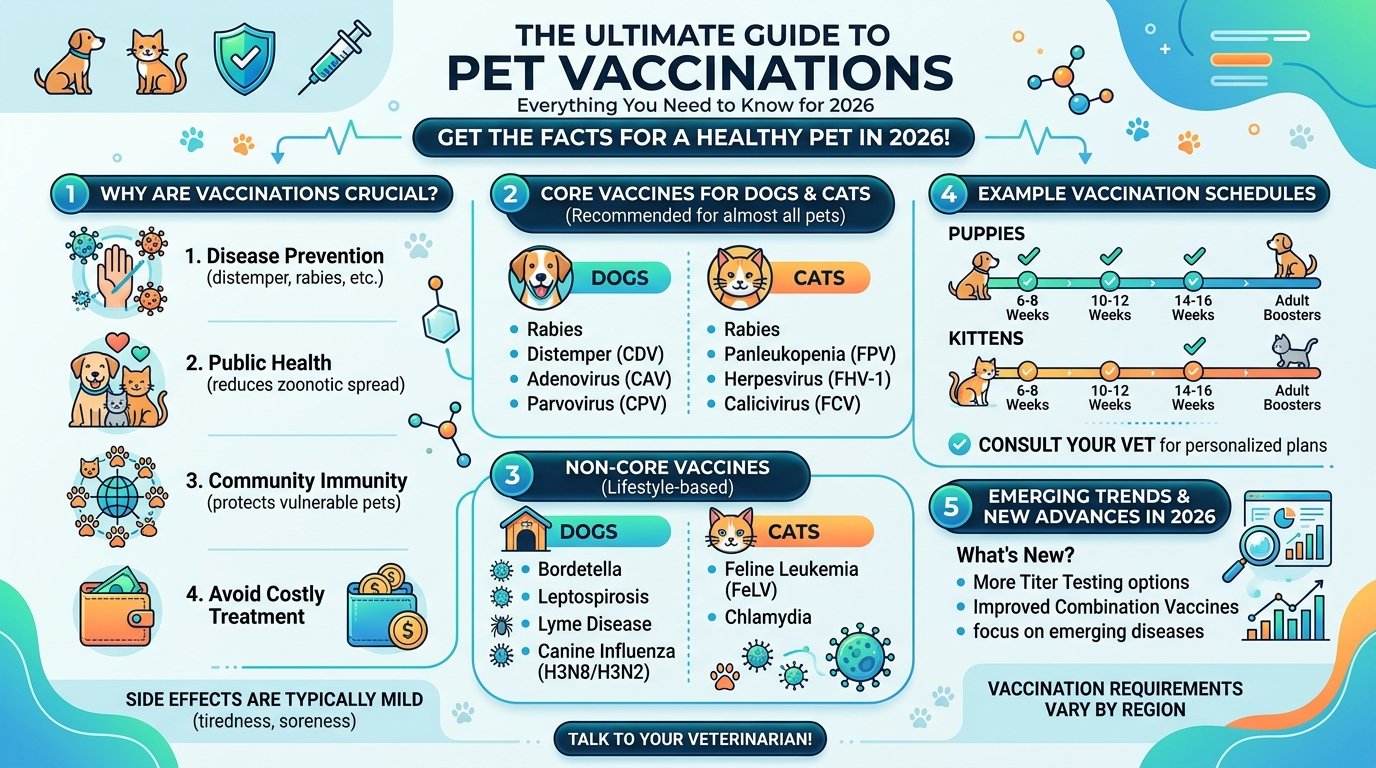
Ensure your pet is protected in 2026 with our ultimate guide to pet vaccinations. Learn about core vs. non-core shots, schedules, and what to expect.
The bond we share with our pets is incredibly special, bringing joy and companionship into our lives. As responsible pet parents, ensuring their health and well-being is a top priority, and one of the most effective ways to do this is through preventive care. Among the pillars of preventive medicine, pet vaccinations stand out as crucial for safeguarding our furry friends against debilitating and often fatal diseases. Staying informed about the latest guidelines and understanding the nuances of pet vaccinations is essential for every owner, especially as recommendations evolve for 2026 and beyond.
Understanding Pet Vaccinations: Why They Matter
Pet vaccinations are a cornerstone of responsible pet ownership, designed to protect animals from a wide array of infectious diseases. These biological preparations work by introducing a weakened or inactivated form of a pathogen (or parts of it) into your pet’s system. This stimulates their immune system to produce antibodies and memory cells, preparing it to mount a swift and effective defense if they encounter the actual disease in the future.
The importance of pet vaccinations extends beyond individual animal health. When a significant portion of the pet population is vaccinated, it creates “herd immunity.” This collective protection helps reduce the spread of disease, even protecting animals who may be too young, old, or ill to be vaccinated themselves. Furthermore, some diseases, like rabies, are zoonotic, meaning they can be transmitted from animals to humans. Widespread vaccination protects not only our pets but also public health.
Vaccines have dramatically reduced the incidence of many once-common and deadly pet diseases. Diseases like canine distemper and feline panleukopenia, which historically decimated pet populations, are now largely controlled thanks to widespread vaccination efforts. This proactive approach ensures a healthier, longer life for our beloved companions.
Core vs. Non-Core Pet Vaccinations: What’s the Difference?
Understanding the distinction between core and non-core pet vaccinations is fundamental to creating an effective immunization plan for your animal. Your veterinarian will help you navigate these options, tailoring a vaccination schedule that best suits your pet’s individual needs, lifestyle, and environment.
Core Vaccinations for Dogs and Cats
Core vaccinations are considered essential for all pets, regardless of their lifestyle or geographic location, due to the severe nature, prevalence, or zoonotic potential of the diseases they prevent. These vaccines protect against the most common and dangerous infectious diseases.
For dogs, core pet vaccinations typically include:
– Rabies: A universally required vaccine in most regions due to its zoonotic nature and fatal outcome for both animals and humans.
– Canine Distemper Virus (CDV): A highly contagious and often fatal multisystemic disease.
– Canine Adenovirus (CAV): Protects against infectious hepatitis.
– Canine Parvovirus (CPV): A severe and often fatal gastrointestinal disease, especially in puppies.
Often, these are combined into a single vaccine, commonly referred to as DHPP or DAPP.
For cats, core pet vaccinations usually cover:
– Rabies: Also a critical vaccine for cats, with similar legal requirements and public health implications as for dogs.
– Feline Panleukopenia Virus (FPV): Known as feline distemper, it’s a highly contagious and severe gastrointestinal disease.
– Feline Viral Rhinotracheitis (FVR): Caused by Feline Herpesvirus-1, leading to severe upper respiratory infections.
– Feline Calicivirus (FCV): Another common cause of upper respiratory disease and oral ulcerations.
These are frequently combined into an FVRCP vaccine.
Non-Core Vaccinations: Tailoring Protection
Non-core pet vaccinations are recommended based on an individual pet’s risk of exposure to specific diseases. These recommendations are influenced by factors such as geographic location, lifestyle (e.g., indoor vs. outdoor, boarding, grooming, dog parks), and potential exposure to wildlife or other animals. Your veterinarian will assess these factors to determine which non-core vaccines are appropriate for your pet.
For dogs, common non-core pet vaccinations include:
– Leptospirosis: Recommended for dogs with potential exposure to wildlife, contaminated water, or who live in endemic areas. It can cause severe kidney and liver disease and is zoonotic.
– Lyme Disease: For dogs living in or traveling to areas where ticks carrying Lyme disease are prevalent.
– Bordetella Bronchiseptica: Often required for dogs that frequent boarding kennels, dog parks, grooming facilities, or attend doggy daycare, as it helps prevent “kennel cough.”
– Canine Influenza Virus (CIV): Recommended for dogs with high exposure to other dogs, similar to Bordetella.
For cats, frequently considered non-core pet vaccinations include:
– Feline Leukemia Virus (FeLV): Highly recommended for all kittens, and for adult cats that spend any time outdoors or have contact with FeLV-positive cats. It causes immune suppression and various cancers.
– Chlamydophila felis: For cats at high risk of exposure to respiratory disease, particularly in multi-cat households or shelters.
– Feline Immunodeficiency Virus (FIV): While less common, a vaccine exists for FIV, though its efficacy and use are debated among veterinary professionals. It’s often considered for cats at high risk of exposure to infected cats.
The Pet Vaccination Schedule: A Lifelong Commitment
Establishing and adhering to a proper pet vaccination schedule is crucial for providing continuous protection throughout your companion’s life. The timing and frequency of pet vaccinations vary significantly depending on age, previous vaccination history, and the specific vaccine.
Puppy and Kitten Vaccination Protocols
Puppies and kittens are born with some immunity passed from their mothers through colostrum, the first milk. However, this maternal immunity wanes over time and can interfere with the effectiveness of vaccines. Therefore, young animals require a series of initial pet vaccinations to build a strong and lasting immune response.
Typically, puppies and kittens begin their core vaccine series around 6-8 weeks of age, with subsequent booster shots given every 3-4 weeks until they are about 16 weeks old. This series ensures that they develop full immunity as their maternal antibodies decline. For puppies, the DHPP series is critical, along with their first rabies vaccine usually around 12-16 weeks. Kittens receive their FVRCP series and first rabies shot within a similar timeframe.
Adult Pet Booster Schedules
After completing the initial puppy or kitten series, adult pets require booster pet vaccinations to maintain their immunity. The frequency of these boosters has evolved over the years, with many core vaccines now recommended every three years rather than annually, based on extensive research demonstrating longer durations of immunity. Non-core vaccines, due to their typically shorter duration of immunity or specific risk factors, often require annual boosters.
Your veterinarian will advise on the most current recommendations for your specific pet. Regular annual wellness exams remain critical, even if some vaccines are given less frequently, as they provide an opportunity for comprehensive health checks, parasite prevention, and personalized discussions about your pet’s overall health plan, including any necessary pet vaccinations.
Senior Pet Considerations
As pets age, their immune systems can become less responsive, which may impact the effectiveness of pet vaccinations. However, senior pets still benefit from vaccination, especially against common and severe diseases. The approach to vaccinating senior pets is often individualized, taking into account their overall health, existing medical conditions, and lifestyle.
For senior pets, veterinarians might recommend a more conservative approach, focusing on core vaccines and only necessary non-core vaccines based on their current risk of exposure. Blood tests, known as titer tests, can also be performed to measure antibody levels for certain diseases, helping to determine if a booster is truly needed. This tailored approach ensures senior pets receive the protection they need without over-vaccinating.
Navigating Vaccine Types and Technologies
The science behind pet vaccinations is constantly advancing, leading to different types of vaccines available today. Each type utilizes a distinct approach to stimulate the immune system, offering unique advantages and considerations. Understanding these technologies can provide valuable insight into how your pet is protected.
The primary types of pet vaccinations generally fall into categories such as Modified Live Virus (MLV), Killed (Inactivated) Virus, Recombinant, and Toxoid vaccines. Each plays a vital role in disease prevention. MLV vaccines use a weakened form of the virus that can replicate without causing disease, providing strong, long-lasting immunity. Killed vaccines contain inactivated virus particles, which cannot cause disease but still trigger an immune response. Recombinant vaccines use genetic engineering to produce specific antigens, offering a very safe and pure vaccine. Toxoid vaccines protect against diseases caused by bacterial toxins, like tetanus, by using inactivated toxins.
Comparing Pet Vaccine Technologies
Choosing the right type of vaccine or understanding why your vet recommends a particular product involves considering efficacy, safety, and the specific pathogen. Below is a comparison of common pet vaccine technologies.
| Product | Price | Pros | Cons | Best For |
|---|---|---|---|---|
| Modified Live Virus (MLV) Vaccines | Varies by clinic | Excellent, long-lasting immunity; rapid protection. | Potential for mild vaccine reactions; not suitable for immunocompromised pets or pregnant animals. | Broad, robust protection against common viral diseases like distemper and parvovirus. |
| Killed Virus (Inactivated) Vaccines | Varies by clinic | Very safe; no risk of causing disease; suitable for immunocompromised pets. | Requires more boosters; immunity may be less robust or shorter-lived than MLV; may require adjuvants. | Initial vaccination of at-risk or immunocompromised pets, or for diseases like rabies where safety is paramount. |
| Recombinant Vaccines | Varies by clinic | Highly pure and safe; no foreign protein contamination; minimal risk of adverse reactions. | May be more expensive; can require multiple doses for full immunity. | Pets with a history of vaccine reactions; specific diseases like canine distemper or feline leukemia where precision is key. |
| Toxoid Vaccines | Varies by clinic | Protects against toxins produced by bacteria rather than the bacteria itself; high safety profile. | Limited to diseases caused by toxins (e.g., tetanus); does not prevent bacterial infection itself. | Protection against specific bacterial toxins, often used when the primary damage is toxin-mediated. |
Potential Side Effects and Addressing Concerns
While pet vaccinations are overwhelmingly safe and beneficial, it’s natural for pet owners to have questions about potential side effects. Understanding what to expect, and recognizing signs that warrant veterinary attention, is an important part of the vaccination process.
Common and Mild Reactions
The vast majority of pets experience no adverse reactions to pet vaccinations, or only very mild and temporary ones. These typically occur within a few hours to a day or two after vaccination and usually resolve on their own without intervention.
Common mild reactions include:
– Lethargy or decreased activity: Your pet might seem a bit tired or less playful than usual.
– Soreness or swelling at the injection site: A small, firm lump might be felt under the skin where the vaccine was given.
– Mild fever: A slight elevation in body temperature can occur.
– Decreased appetite: Your pet might not eat as much as usual for a short period.
These symptoms are generally signs that your pet’s immune system is actively responding to the vaccine. Providing a quiet, comfortable environment and ensuring access to fresh water is usually all that’s needed.
Rare but Serious Reactions
Although extremely uncommon, some pets can experience more severe reactions to pet vaccinations. It’s crucial to be aware of these signs and contact your veterinarian immediately if you observe any of them.
Serious reactions can include:
– Allergic reactions (anaphylaxis): Symptoms can range from facial swelling, hives, and itching to vomiting, diarrhea, difficulty breathing, or collapse. These are medical emergencies.
– Persistent vomiting or diarrhea: If these symptoms are severe or don’t resolve quickly.
– Severe pain or swelling at the injection site: If the area becomes very hot, very painful, or unusually large.
– Development of a sterile abscess or granuloma: A non-cancerous lump at the injection site that may require veterinary attention.
– Injection-site sarcomas (feline only): A very rare but aggressive type of cancer that can develop at vaccine injection sites in cats. The risk is extremely low, but veterinarians take precautions by often vaccinating cats in specific, easily identifiable locations (e.g., lower leg) to facilitate surgical removal if necessary.
Addressing Vaccine Hesitancy
In an age of abundant information, some pet owners may feel hesitant about pet vaccinations, perhaps due to concerns about side effects or the perception of “over-vaccination.” It’s vital to have open and honest discussions with your veterinarian about any concerns you may have. They are your best resource for personalized advice, capable of weighing the risks and benefits for your individual pet based on their health, age, lifestyle, and local disease prevalence. Remember, the collective scientific evidence overwhelmingly supports the safety and critical importance of pet vaccinations in preventing serious, life-threatening diseases in pets and protecting public health.
Ensuring your pet is protected through appropriate pet vaccinations is one of the most fundamental acts of care you can provide. From the crucial initial puppy and kitten series to tailored adult boosters and careful consideration for senior pets, a well-planned vaccination schedule is a lifelong commitment to their health. By understanding the differences between core and non-core vaccines, staying informed about vaccine technologies, and knowing what to expect in terms of side effects, you empower yourself to make the best decisions for your beloved companion. Always work closely with your veterinarian to create a personalized vaccination plan that keeps your pet healthy, happy, and thriving for years to come.
Frequently Asked Questions (FAQ)
How often does my adult dog need pet vaccinations?
Most core pet vaccinations for adult dogs are now recommended every three years after the initial series and first annual booster. However, non-core vaccines like Bordetella or Leptospirosis often require annual boosters depending on your dog’s risk factors. Your vet will provide a specific schedule tailored to your pet.
Can indoor cats skip certain pet vaccinations?
While indoor cats may have reduced exposure to some diseases, core pet vaccinations (Rabies, FVRCP) are still highly recommended due to the severity of these diseases and the potential for unexpected exposure (e.g., escape, a bat entering the home). Some non-core vaccines like FeLV may be skipped if your cat has absolutely no outdoor access or contact with other cats. Discuss this with your veterinarian.
What is a vaccine titer test?
A vaccine titer test is a blood test that measures the level of antibodies in your pet’s blood for specific diseases (e.g., Distemper, Parvovirus). A sufficiently high titer indicates your pet has protective immunity, potentially allowing you to delay or skip a booster vaccine. These tests are often considered for adult pets or those with a history of adverse vaccine reactions.
Are there alternatives to traditional pet vaccinations?
While there are no direct “alternatives” in terms of providing immunity, some owners opt for titer testing to confirm existing immunity before revaccinating. Additionally, maintaining a strong immune system through nutrition and healthy living complements vaccine protection. Always consult your vet regarding any concerns or desired modifications to a standard vaccination protocol.
What should I do if my pet has a bad reaction to a vaccine?
If your pet experiences any severe symptoms such as facial swelling, difficulty breathing, persistent vomiting, or collapse after a vaccine, seek immediate veterinary attention. For mild reactions like lethargy or soreness, monitor your pet and contact your vet if symptoms worsen or do not resolve within 24-48 hours.
 PRINCE2030